Coffee grinder antique
1344×768 · AVIF · CC BY 4.0
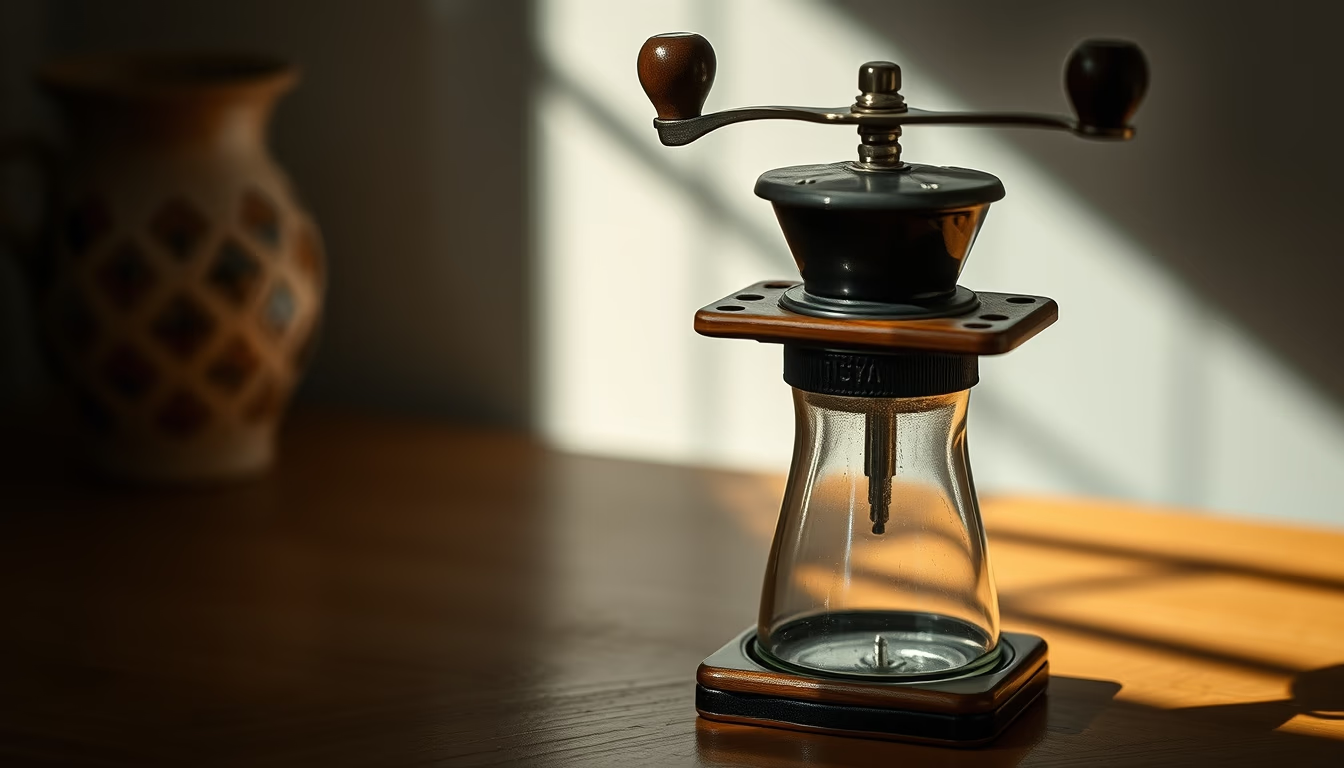
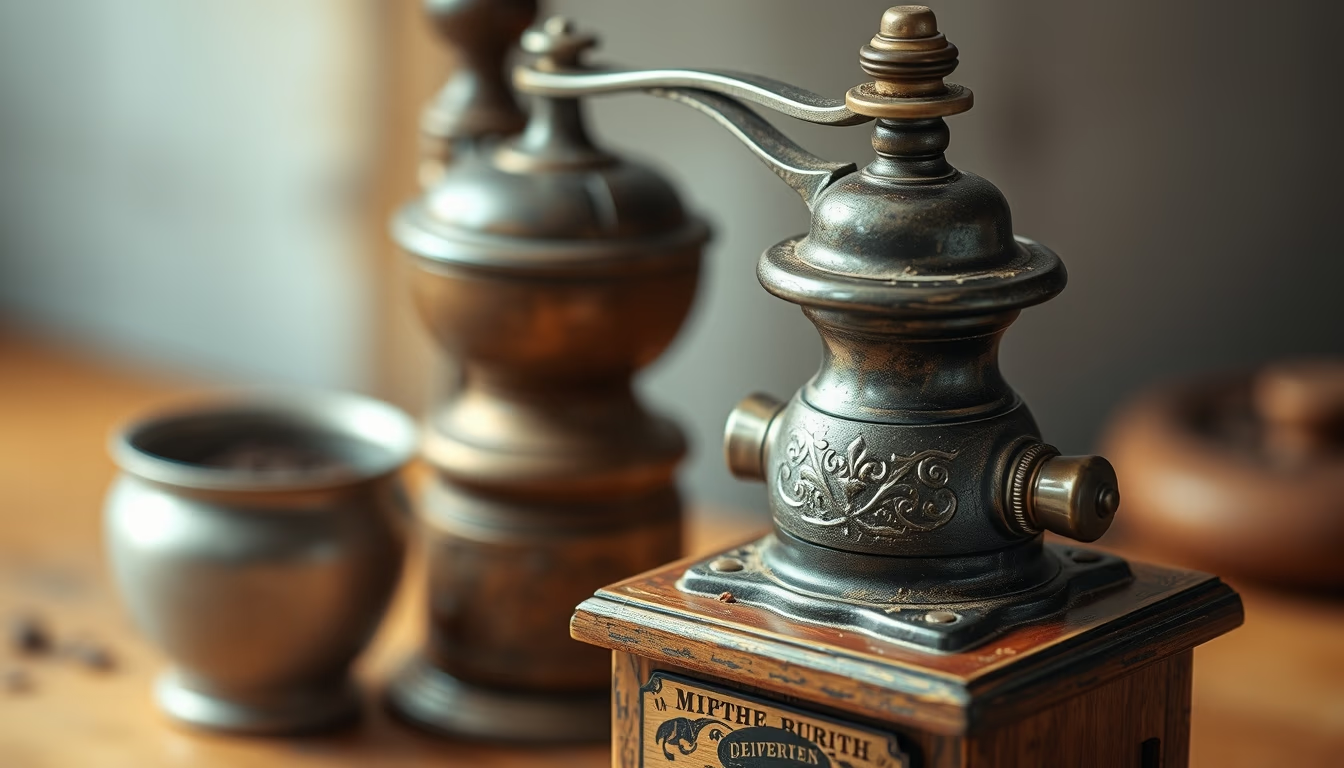
Antique coffee grinders reveal the evolution of coffee brewing methods, valued as historical artifacts and decorative items.
About this subject
Antique coffee grinders bear witness to the centuries-long transformation of coffee consumption habits. Before the advent of mechanical grinders, beans were crushed manually using a mortar and pestle, a common practice in the Middle East and Africa. The first patented coffee grinder was created by Englishman Thomas Bruff in 1798, a cast-iron device that revolutionized home preparation. By the 19th century, mass production made these utensils widely available, with variations such as wall-mounted, drawer, and countertop models.
Early pieces were made of cast iron, wood, and brass, often featuring ornate designs reflecting Victorian aesthetics. Brands like Peugeot, later known for automobiles, started by manufacturing high-quality coffee grinders, as did the German company Zassenhaus, which still produces manual models today. With the rise of instant coffee and electric appliances, manual grinders declined in popularity, but never disappeared among enthusiasts seeking freshness and control over grind size.
Today, antique grinders are collectibles and decorative items, with rare pieces fetching high prices at auctions. Besides their aesthetic appeal, they represent an era when coffee preparation was a slow, manual ritual. Collectors seek models with original mechanisms, preserved paint, and historical brands. The renewed interest in alternative brewing methods, such as French press and pour-over, has revived the use of manual grinders, including antique ones, offering an authentic sensory experience.
Frequently Asked Questions
What is the difference between a manual and an electric coffee grinder?
Manual grinders require physical effort and produce less noise, while electric ones are faster and more convenient. Manual types often have burr mechanisms that generate less heat, preserving coffee flavor.
How to identify an original antique grinder?
Check for materials like cast iron, solid wood, and brass. Original markings, handmade screws, and natural wear indicate authenticity. Functional mechanisms and original paint also increase value.
Is it worth collecting antique coffee grinders?
Yes, as they are historical items with aesthetic and functional value. Rare grinders from brands like Peugeot or from specific eras can appreciate over time. Many can still be used for grinding coffee.
Direct URL
https://pub-c7d6a6ea828543ac903a74a341ccb2e1.r2.dev/imagens/coffee-grinder-antique-magazine-editorial-p3.avifHow to credit
Include a visible link back to UtilizAí. Copy one of the snippets below:
<a href="https://xn--utiliza-eza.com/en/midia/imagens/coffee-grinder-antique-magazine-editorial-p3">Coffee grinder antique</a> by <a href="https://xn--utiliza-eza.com">UtilizAí</a>, licensed under <a href="https://creativecommons.org/licenses/by/4.0/">CC BY 4.0</a>.
[Coffee grinder antique](https://xn--utiliza-eza.com/en/midia/imagens/coffee-grinder-antique-magazine-editorial-p3) by [UtilizAí](https://xn--utiliza-eza.com), CC BY 4.0
License: CC-BY-4.0