Coffee grinder antique
1344×768 · AVIF · CC BY 4.0
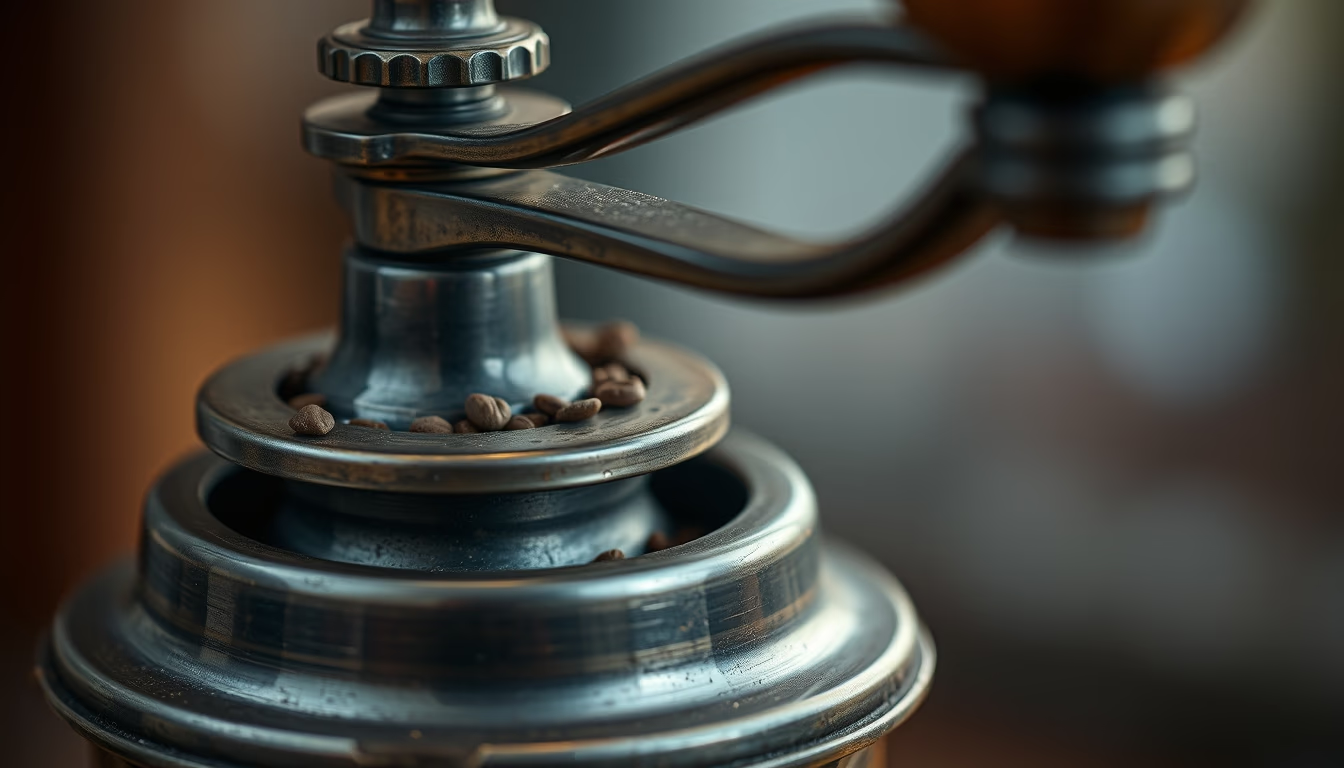
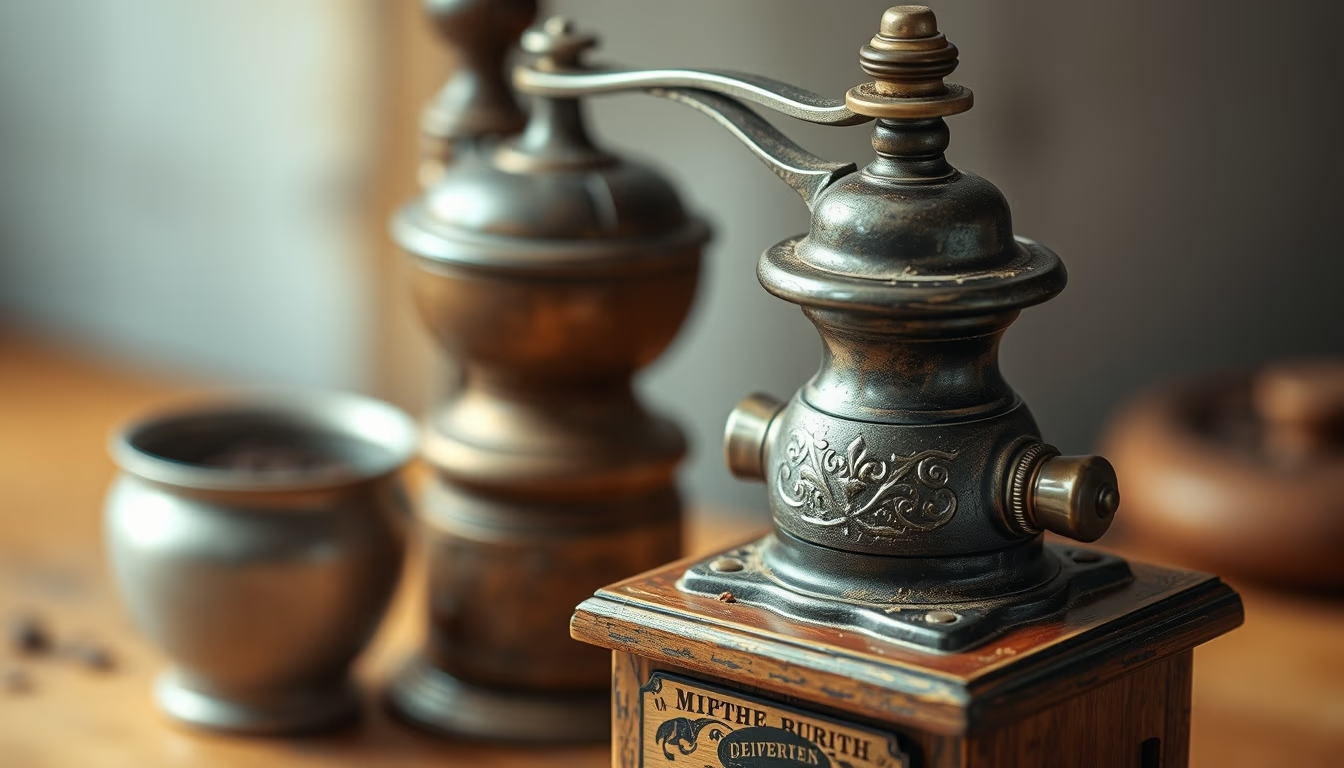
Antique hand-crank coffee grinder, a collector's piece from the 19th century, with cast iron grinding mechanism and wooden drawer.
About this subject
Antique coffee grinders, especially manual hand-crank models, were essential for preparing coffee before industrialization. In Brazil, during the colonial coffee era, these utensils were common in farms and homes, where beans were roasted and ground on the spot. Made primarily of cast iron and wood, many models featured ornamental decorations and floral-embossed lids. Manual grinding preserved the essential oils of the beans, resulting in a more aromatic cup.
The mechanics of these grinders are simple: a crank turns a shaft that rotates two toothed burrs (or discs), crushing the beans. Grind fineness was adjusted by a central screw. The oldest models from the 19th century had a bottom drawer to collect the grounds. Today, these objects are valued by collectors and coffee enthusiasts, restored and displayed in vintage kitchens. Unlike modern electric grinders, which can heat the beans during grinding, manual ones produce more uniform and fresher particles.
Beyond functional value, antique grinders hold cultural significance. In Brazil, the ritual of manually grinding coffee was a social moment, especially in rural areas. Well-preserved pieces can fetch high prices at auctions, and many are replicas of famous brands like German Zassenhaus. When purchasing an antique grinder, check the burrs' integrity and material authenticity, as many reproductions exist.
Frequently Asked Questions
How to identify an original antique coffee grinder?
Look for materials like cast iron and solid wood, old screws and rivets, and manufacturer marks. Original 19th-century models usually have steel burrs and a wooden drawer. Beware of modern replicas that mimic vintage design.
What is the difference between an antique hand grinder and a modern electric one?
Hand grinders do not heat the beans, preserving aromas. They also produce more uniform grinds but require physical effort. Electric grinders are fast but can generate heat that alters flavor. Antique ones are often quieter and more durable.
Can I use an antique coffee grinder today?
Yes, if in good condition. Clean the burrs well and adjust the fineness. Many collectors use them daily for fresh coffee. Maintenance includes lubricating with mineral oil and avoiding very hard beans.
Direct URL
https://pub-c7d6a6ea828543ac903a74a341ccb2e1.r2.dev/imagens/coffee-grinder-antique-macro-closeup-p0.avifHow to credit
Include a visible link back to UtilizAí. Copy one of the snippets below:
<a href="https://xn--utiliza-eza.com/en/midia/imagens/coffee-grinder-antique-macro-closeup-p0">Coffee grinder antique</a> by <a href="https://xn--utiliza-eza.com">UtilizAí</a>, licensed under <a href="https://creativecommons.org/licenses/by/4.0/">CC BY 4.0</a>.
[Coffee grinder antique](https://xn--utiliza-eza.com/en/midia/imagens/coffee-grinder-antique-macro-closeup-p0) by [UtilizAí](https://xn--utiliza-eza.com), CC BY 4.0
License: CC-BY-4.0