Coffee beans roasting
1344×768 · AVIF · CC BY 4.0
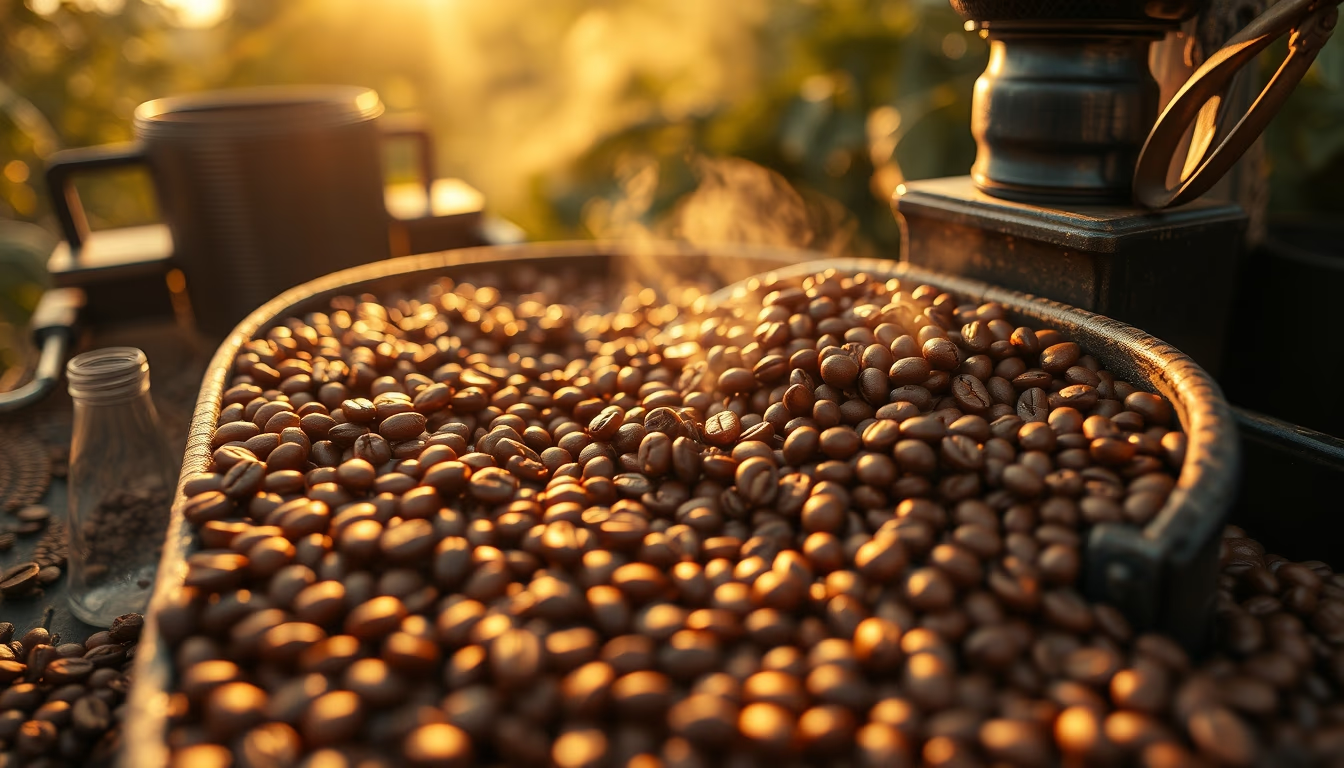
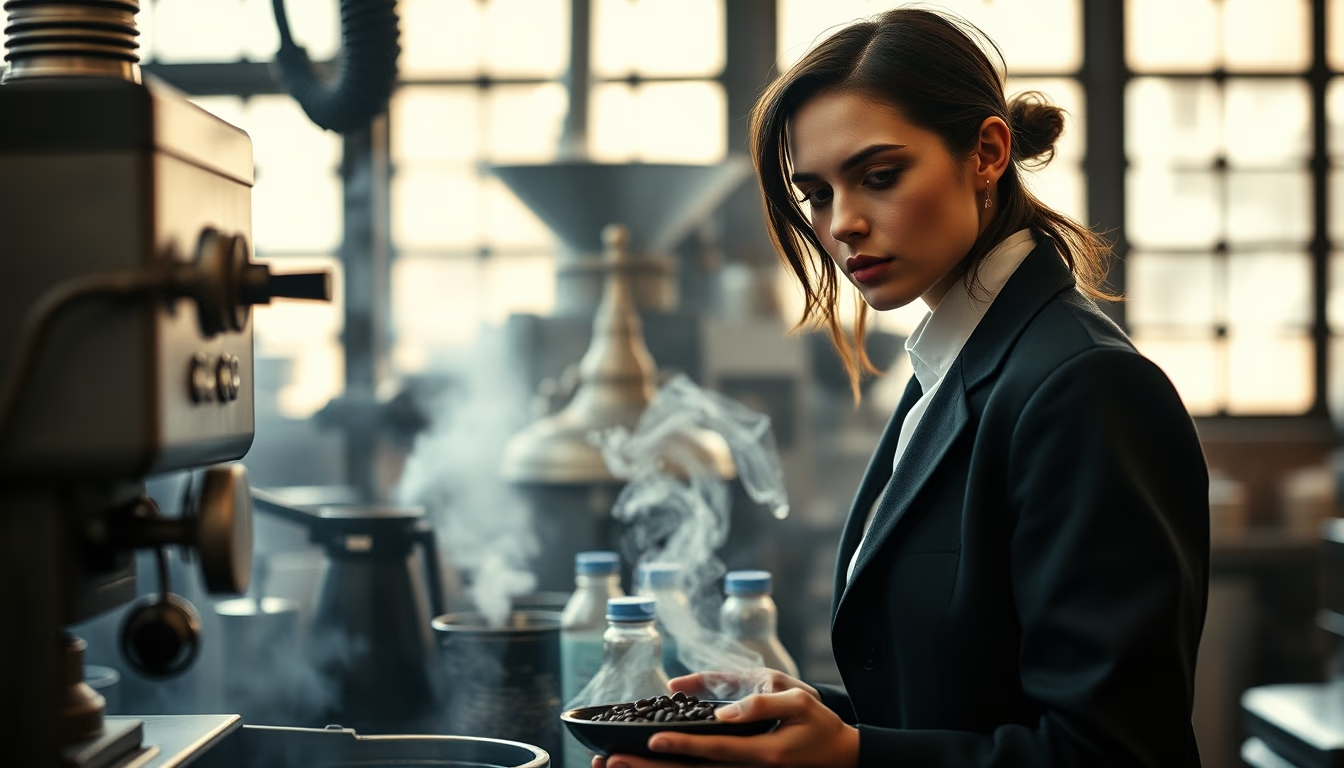
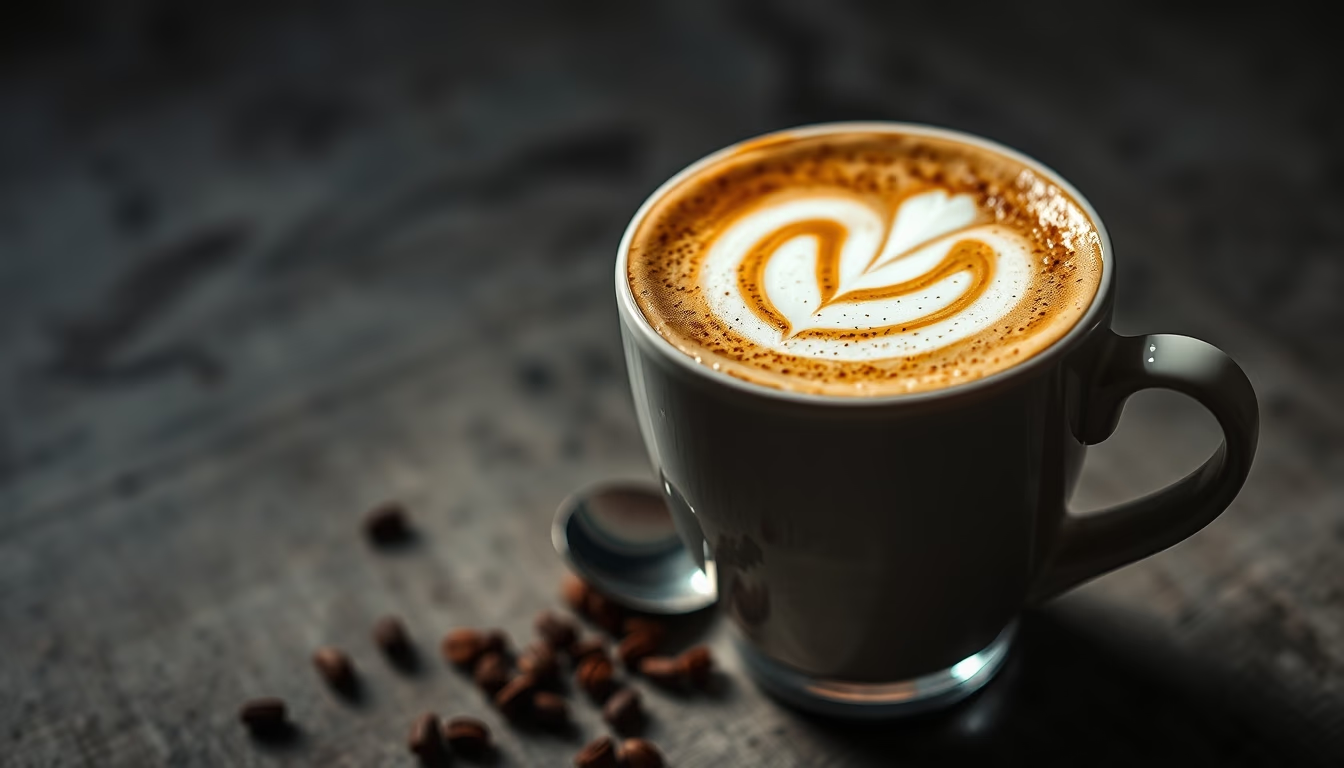
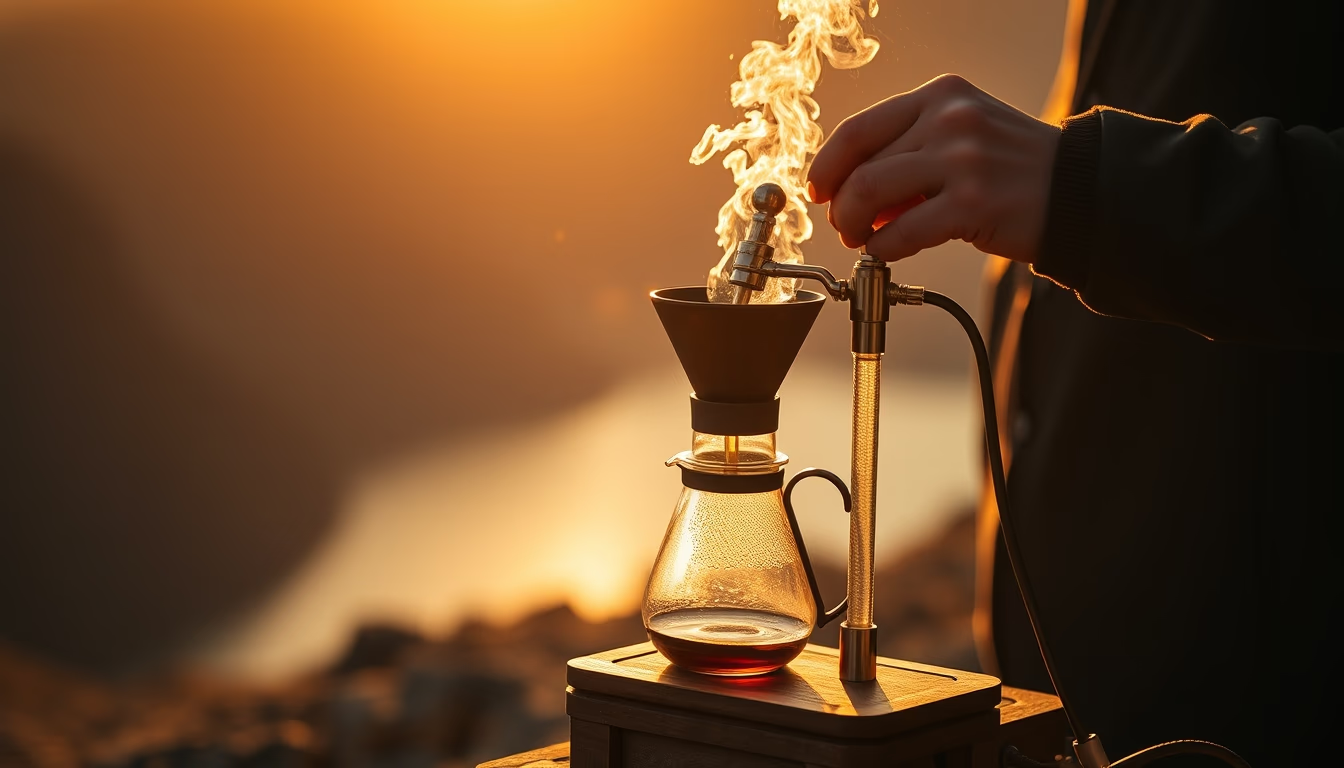
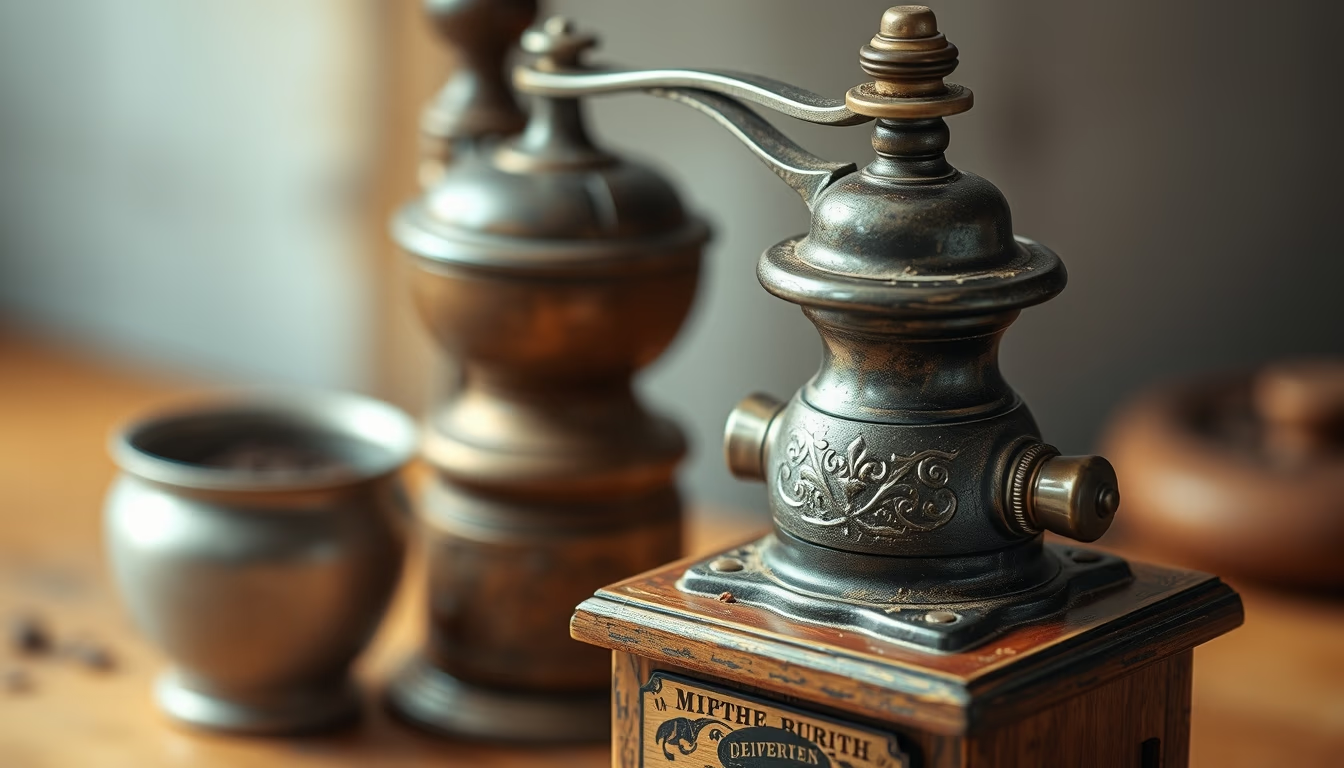
The coffee roasting process transforms the flavor, aroma, and color of the beans, unlocking complex notes from each variety.
About this subject
Coffee bean roasting is a critical step in coffee production, responsible for developing the sensory characteristics that consumers enjoy. During the process, green beans are heated to temperatures between 180°C and 240°C, undergoing chemical reactions such as the Maillard reaction and caramelization of sugars. These reactions produce hundreds of aromatic compounds, resulting in flavor profiles ranging from fruity and floral notes in light roasts to intense, chocolaty flavors in dark roasts. The roast level is determined by the roastmaster, who monitors time and temperature to achieve the desired balance.
Roasting also influences acidity, body, and bitterness. Light roasts preserve more organic acids, yielding brighter, more citrusy cups, while dark roasts reduce acidity and increase bitterness, along with notes of dark chocolate and caramel. The first crack, an audible pop, marks the beginning of medium roasts, and the second crack signals dark roasts. Each batch requires precise adjustments, as beans from different origins, such as Arabica and Robusta, react differently to heat.
Historically, artisanal roasting gained prominence with the third wave coffee movement, which values traceability and microlots. Countries like Colombia, Brazil, and Ethiopia are known for their specific varieties and roasting techniques. In Brazil, roasting is often adapted to local taste, which prefers medium to dark roasts for espressos. Interestingly, roasting also affects caffeine content: light roasts retain more caffeine by weight, but dark roasts have greater volume due to bean expansion, resulting in less caffeine per cup.
Frequently Asked Questions
What is the ideal temperature for roasting coffee?
The ideal temperature ranges from 180°C to 240°C, depending on the desired roast profile and bean origin.
How do you know the right roast point?
The point is determined by bean color, the first and second cracks, and the roastmaster's experience in adjusting time and temperature.
Does light roast have more caffeine than dark roast?
Yes, by weight, light roasts retain slightly more caffeine. However, the difference per cup is small because dark beans expand, yielding less caffeine per volume.
Direct URL
https://pub-c7d6a6ea828543ac903a74a341ccb2e1.r2.dev/imagens/coffee-beans-roasting-travel-photography-p1.avifHow to credit
Include a visible link back to UtilizAí. Copy one of the snippets below:
<a href="https://xn--utiliza-eza.com/en/midia/imagens/coffee-beans-roasting-travel-photography-p1">Coffee beans roasting</a> by <a href="https://xn--utiliza-eza.com">UtilizAí</a>, licensed under <a href="https://creativecommons.org/licenses/by/4.0/">CC BY 4.0</a>.
[Coffee beans roasting](https://xn--utiliza-eza.com/en/midia/imagens/coffee-beans-roasting-travel-photography-p1) by [UtilizAí](https://xn--utiliza-eza.com), CC BY 4.0
License: CC-BY-4.0