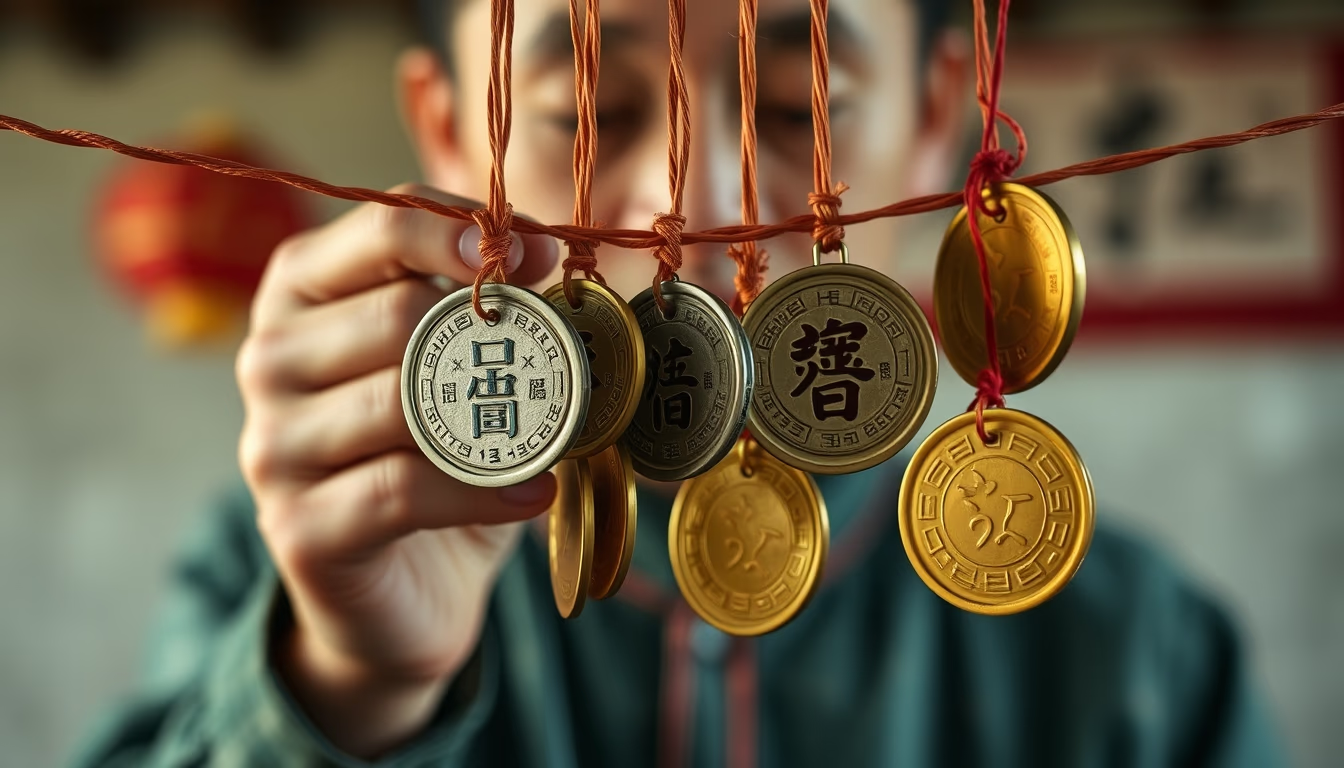
Chinese cash coins string
1344×768 · AVIF · CC BY 4.0
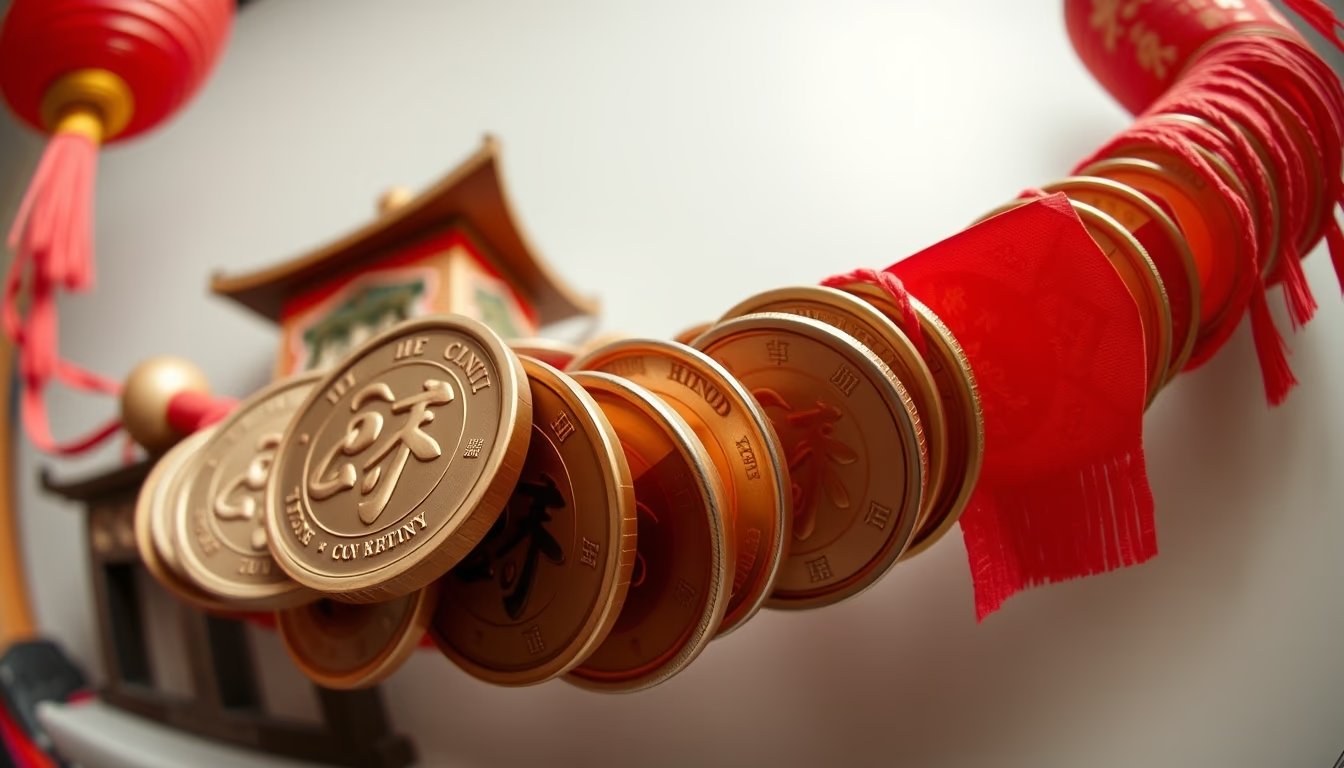
A string of traditional Chinese cash coins, used for centuries in Asia and symbolizing prosperity.
About this subject
Chinese cash coins, also known as wen or qian, were the primary currency in China for over two millennia, from the Qin dynasty to the early 20th century. They are round with a square hole in the center, allowing them to be strung on cords for easy transport and counting. The shape reflects ancient Chinese cosmology: the circle represents heaven and the square earth. Each coin was typically made of copper, tin, and lead alloys, bearing inscriptions indicating the emperor's reign and value.
Stringing coins on cords was common not only in China but also in neighboring regions like Japan, Korea, and Vietnam, which adopted similar systems. A string could contain 100, 500, or 1000 coins, and the number was used as a unit of account. During the Song and Ming dynasties, cash coin production reached enormous scale, serving local and international trade, especially along the Silk Road.
Culturally, cash coins symbolize wealth and good luck, often used in amulets and Lunar New Year decorations. The square holes allow them to be tied with red ribbons, forming auspicious objects like coin swords for spiritual protection. Even after official circulation ended, they remain popular in traditional board games like Mahjong and in Feng Shui practices.
Numismatic collectors value cash coins for their history and variety. Rare pieces from ancient dynasties, such as Tang or Xin, can fetch high prices at auctions. The casting technique and calligraphic characters provide clues to date and authenticity. Today, replicas are common in souvenir shops, but authentic ones can still be found in antique markets in China.
Frequently Asked Questions
What was the purpose of the square hole in Chinese cash coins?
The square hole allowed coins to be strung on cords for easy transport and counting. It also held cosmological significance: representing earth, while the circle represented heaven.
Are cash coins still used today?
They are no longer official currency but are widely used in decorations, amulets, traditional games like Mahjong, and Feng Shui practices. Replicas and originals are collected by numismatists.
How can I tell if a cash coin is authentic?
Authenticity is determined by metal composition, casting technique, and calligraphy. Ancient coins often have natural patina and wear. Experts analyze the inscription style and alloy to date the coin.
Direct URL
https://pub-c7d6a6ea828543ac903a74a341ccb2e1.r2.dev/imagens/chinese-cash-coins-string-fish-eye-wide-angle-fresh15.avifHow to credit
Include a visible link back to UtilizAí. Copy one of the snippets below:
<a href="https://xn--utiliza-eza.com/en/midia/imagens/chinese-cash-coins-string-fish-eye-wide-angle-fresh15">Chinese cash coins string</a> by <a href="https://xn--utiliza-eza.com">UtilizAí</a>, licensed under <a href="https://creativecommons.org/licenses/by/4.0/">CC BY 4.0</a>.
[Chinese cash coins string](https://xn--utiliza-eza.com/en/midia/imagens/chinese-cash-coins-string-fish-eye-wide-angle-fresh15) by [UtilizAí](https://xn--utiliza-eza.com), CC BY 4.0
License: CC-BY-4.0