Cherry blossom tea garden
1344×768 · AVIF · CC BY 4.0
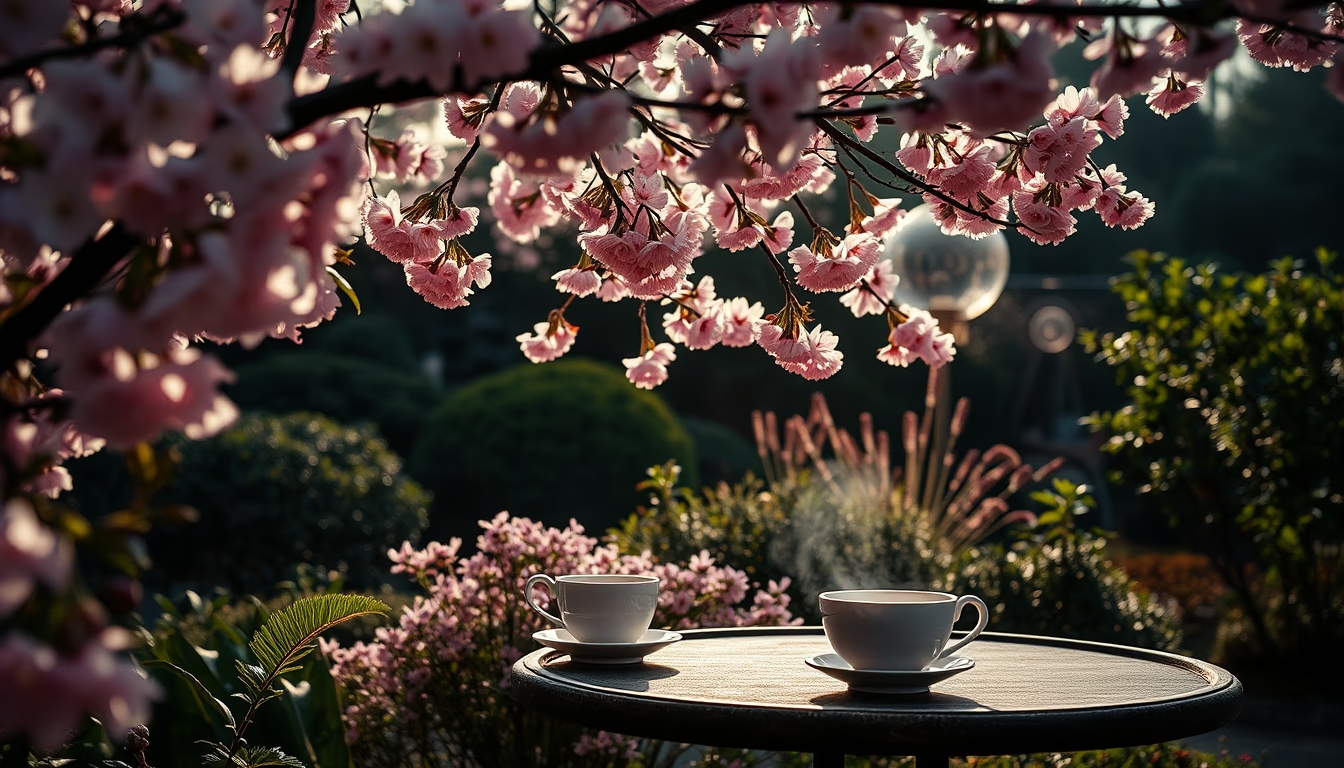
Cherry blossom tea garden: a fusion of Japanese tea tradition and the fleeting beauty of sakuras, a setting that celebrates spring and Japanese culture.
About this subject
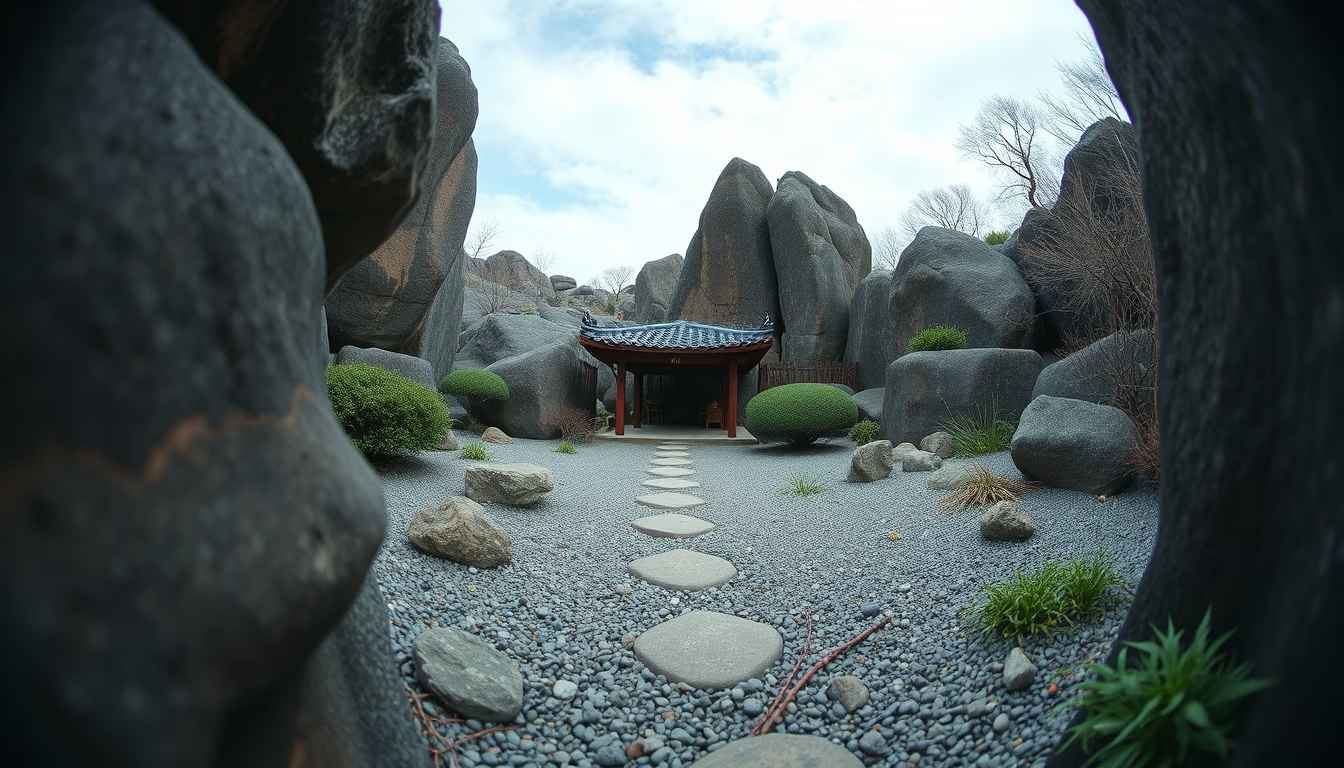
In a traditional Japanese tea garden, cherry blossom trees (sakura) are strategically planted to create a contemplative setting for the tea ceremony. The cherry blossom season, occurring from March to April in Japan, is a national event symbolizing the transience of life. Tea gardens, known as roji, are designed to prepare visitors before the ceremony, featuring stone paths, stone lanterns, and a waiting bench. The combination of sakuras and the matcha ritual enhances the wabi-sabi aesthetic, valuing simplicity and imperfection.
Brazil, home to the largest Japanese community outside Japan, celebrates hanami (flower viewing) in parks such as Parque do Carmo in São Paulo, which houses a cherry blossom grove. Though less common, tea gardens with sakuras can be found at Japanese cultural institutions like Bunkyo or the Museum of Japanese Immigration. The tea tradition, or chanoyu, was introduced by Japanese immigrants and maintained across generations, adapting to the tropical climate.
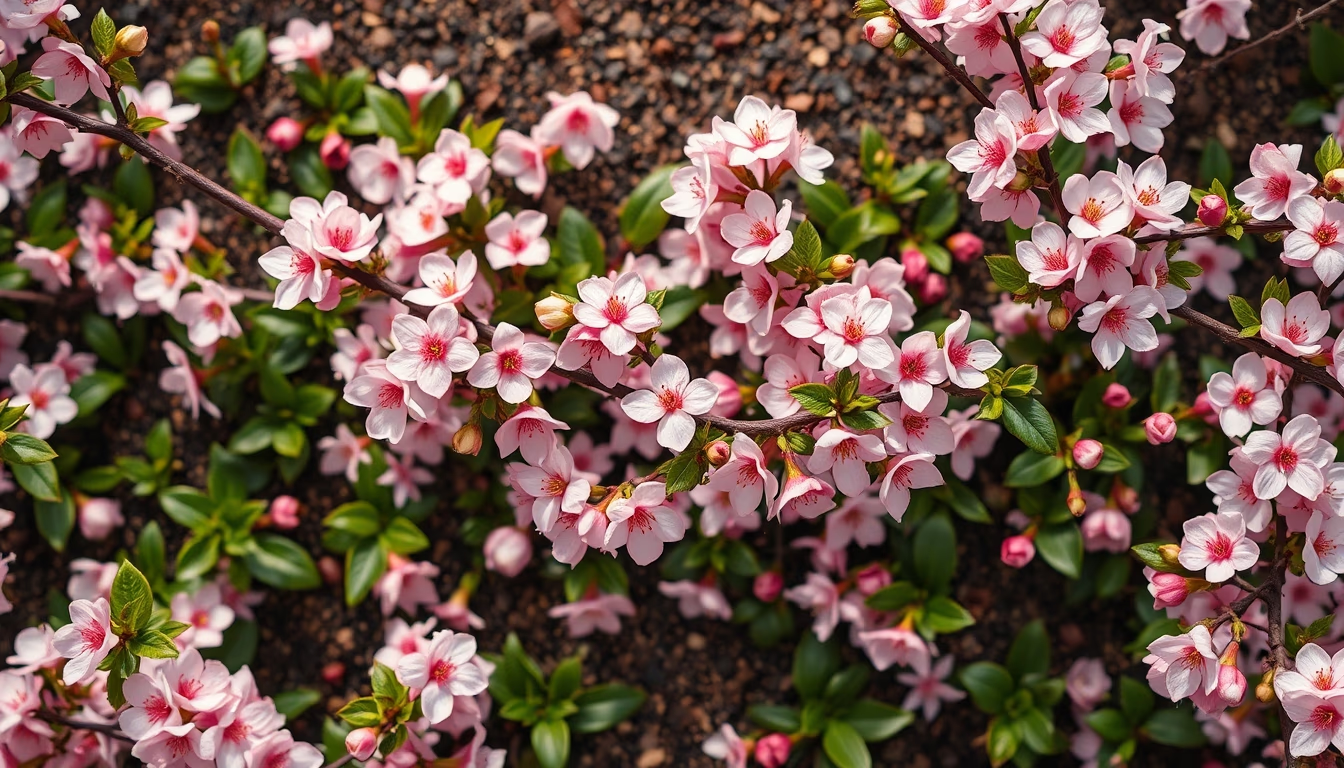
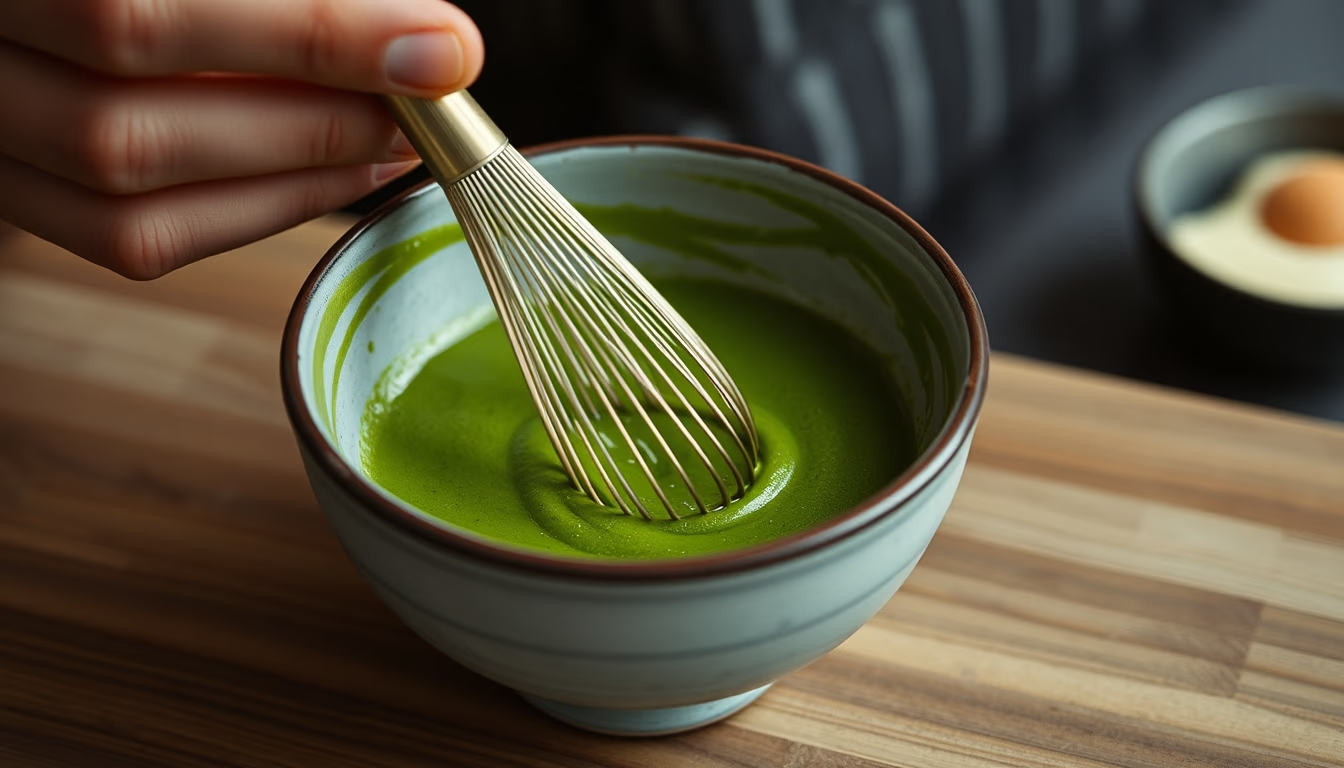
Cherry tree cultivation requires temperate climates with cold winters for dormancy. In Brazil, common varieties are Prunus serrulata and Prunus x yedoensis, blooming between July and August in the Southern Hemisphere. The tea ceremony involves the preparation and consumption of matcha, a powdered green tea, following a ritual codified by masters like Sen no Rikyū. Harmony between natural elements and the host's precise gestures is central to the experience.
Interesting fact: in some regions of Japan, there are gardens where one can enjoy tea and salted cherry blossom flowers, called sakura yu, an infusion of petals that adds subtle flavor and floral aroma. These spaces combine landscape with seasonal gastronomy, valuing each season.
Frequently Asked Questions
What is a Japanese tea garden?
A roji (tea garden) is an outdoor space leading to the tea house, designed to mentally prepare guests for the ceremony. It includes elements like stone paths, lanterns, and a waiting bench, following the wabi-sabi aesthetic.
When do cherry blossoms bloom in Brazil?
In the Southern Hemisphere, cherry blossoms (sakuras) bloom between July and August, depending on the region. In São Paulo, Parque do Carmo has a grove with over 4,000 trees, with peak bloom in July.
What is the connection between the tea ceremony and cherry blossoms?
The tea ceremony (chanoyu) often incorporates seasonal elements. Cherry blossoms are used as decoration (chabana) and can be served as an infusion (sakura yu), celebrating spring and impermanence.
Direct URL
https://pub-c7d6a6ea828543ac903a74a341ccb2e1.r2.dev/imagens/cherry-blossom-tea-garden-rembrandt-lighting-dramatic-shadows-fresh1.avifHow to credit
Include a visible link back to UtilizAí. Copy one of the snippets below:
<a href="https://xn--utiliza-eza.com/en/midia/imagens/cherry-blossom-tea-garden-rembrandt-lighting-dramatic-shadows-fresh1">Cherry blossom tea garden</a> by <a href="https://xn--utiliza-eza.com">UtilizAí</a>, licensed under <a href="https://creativecommons.org/licenses/by/4.0/">CC BY 4.0</a>.
[Cherry blossom tea garden](https://xn--utiliza-eza.com/en/midia/imagens/cherry-blossom-tea-garden-rembrandt-lighting-dramatic-shadows-fresh1) by [UtilizAí](https://xn--utiliza-eza.com), CC BY 4.0
License: CC-BY-4.0