Cherry blossom tea garden
1344×768 · AVIF · CC BY 4.0
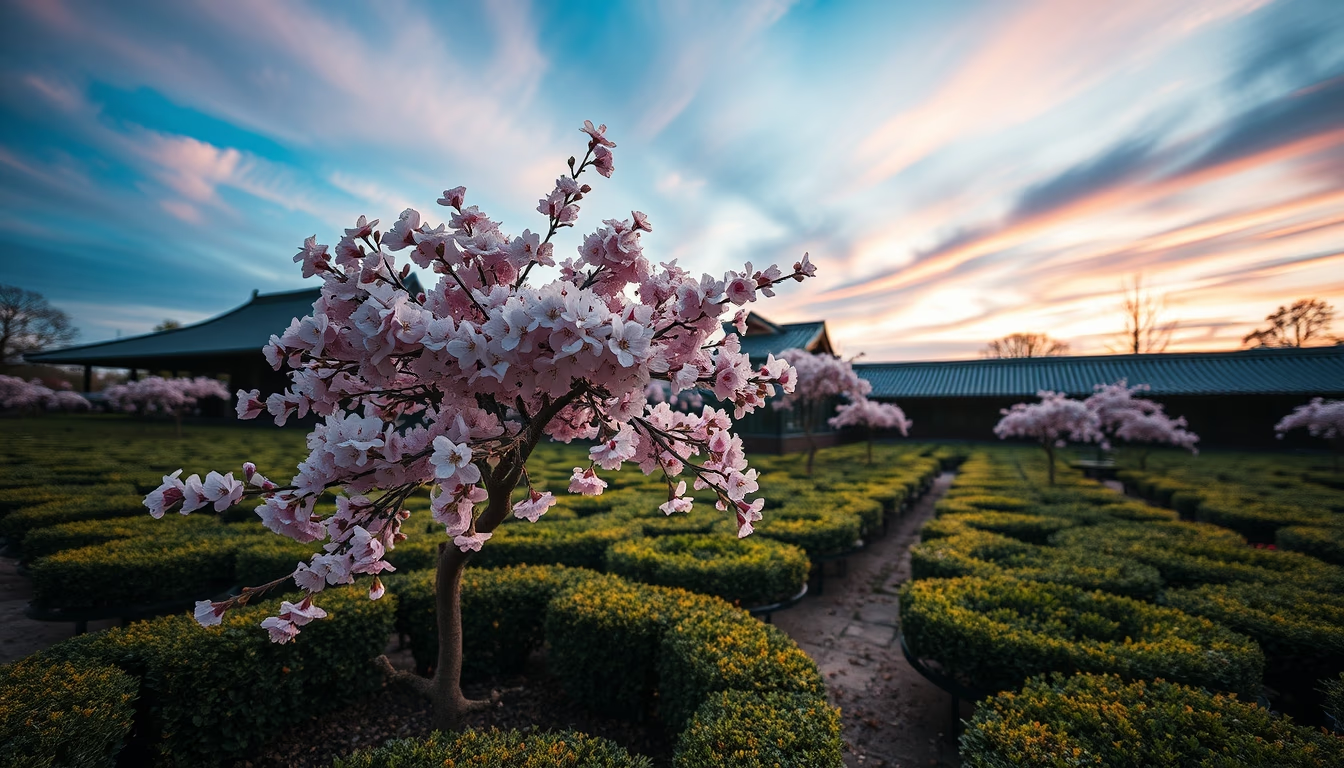
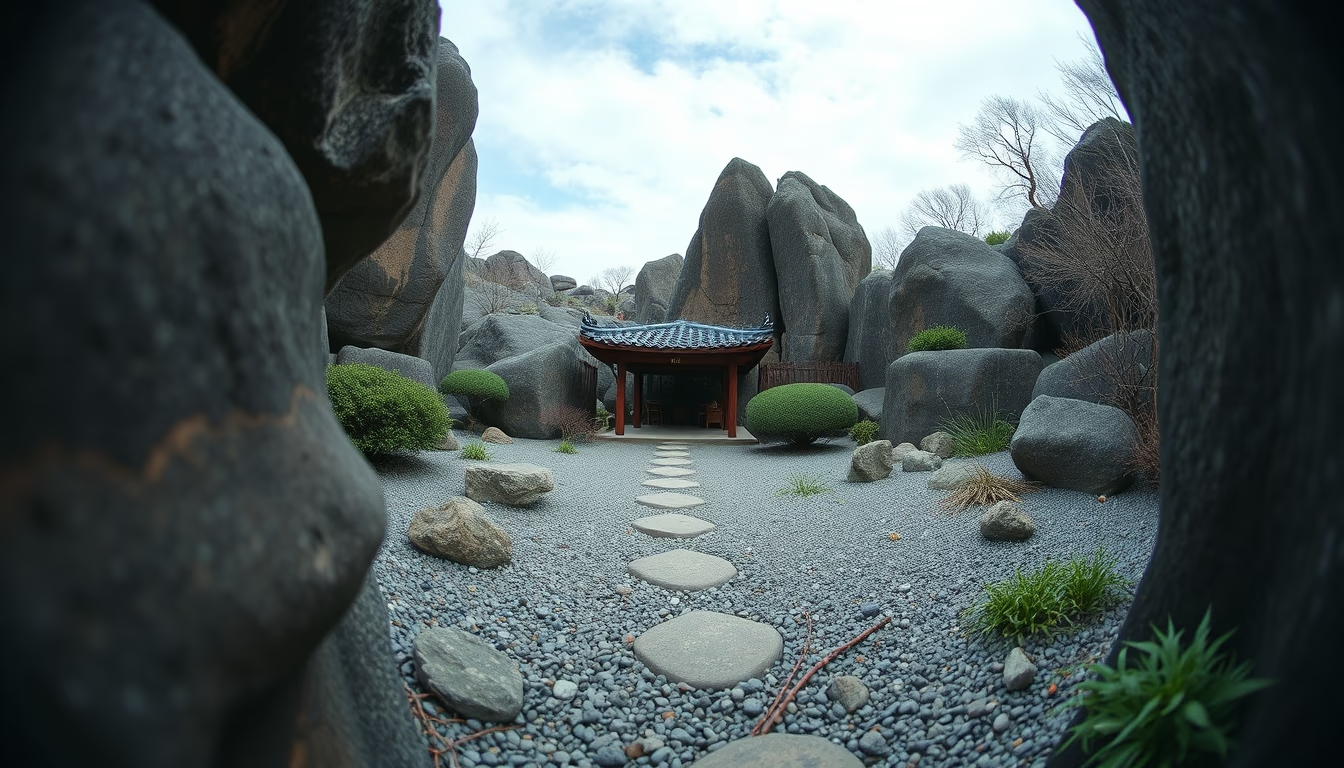
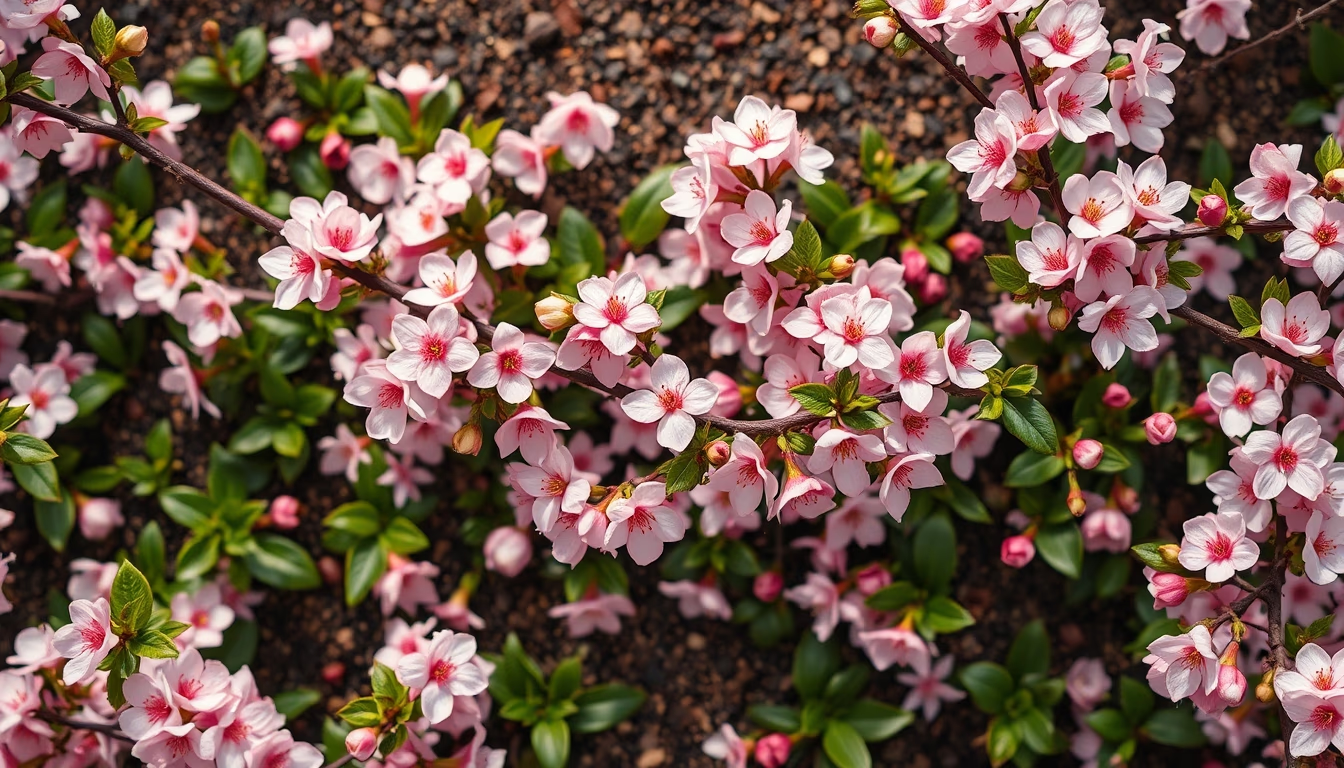
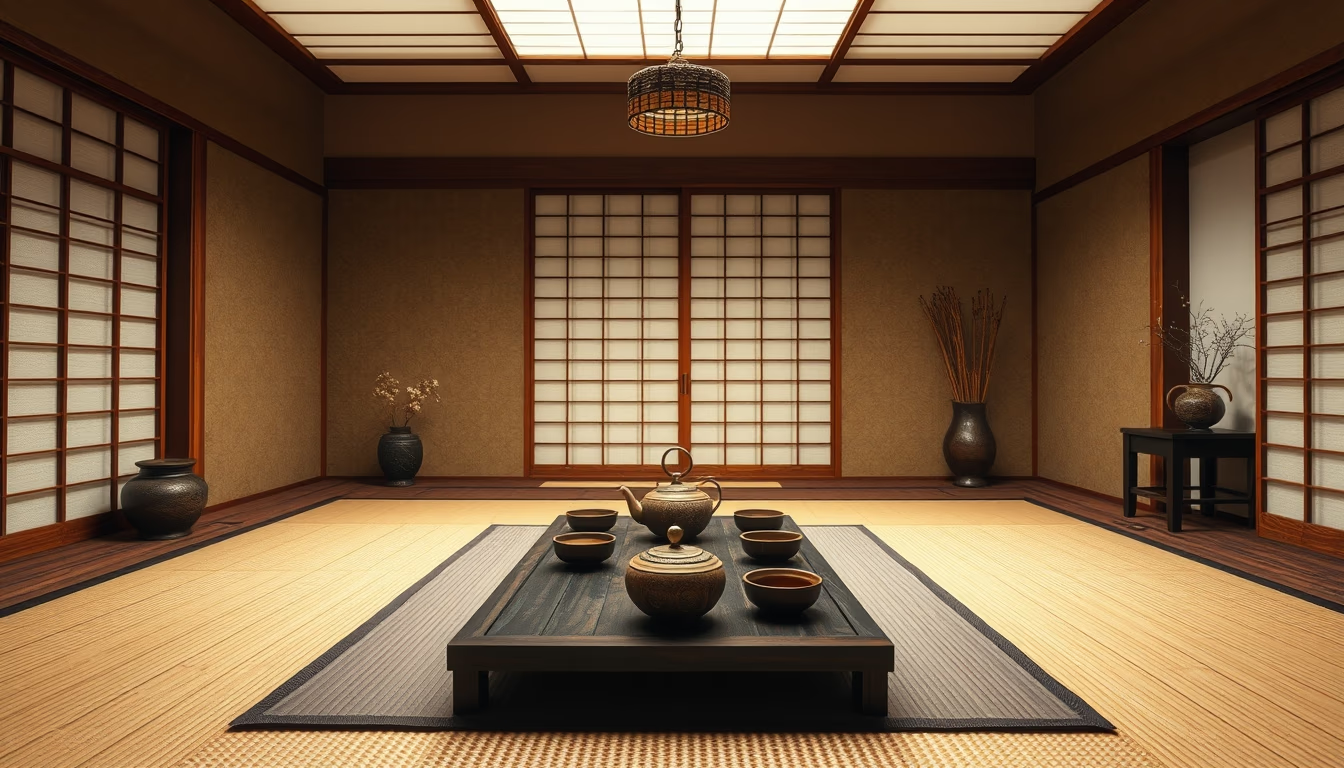
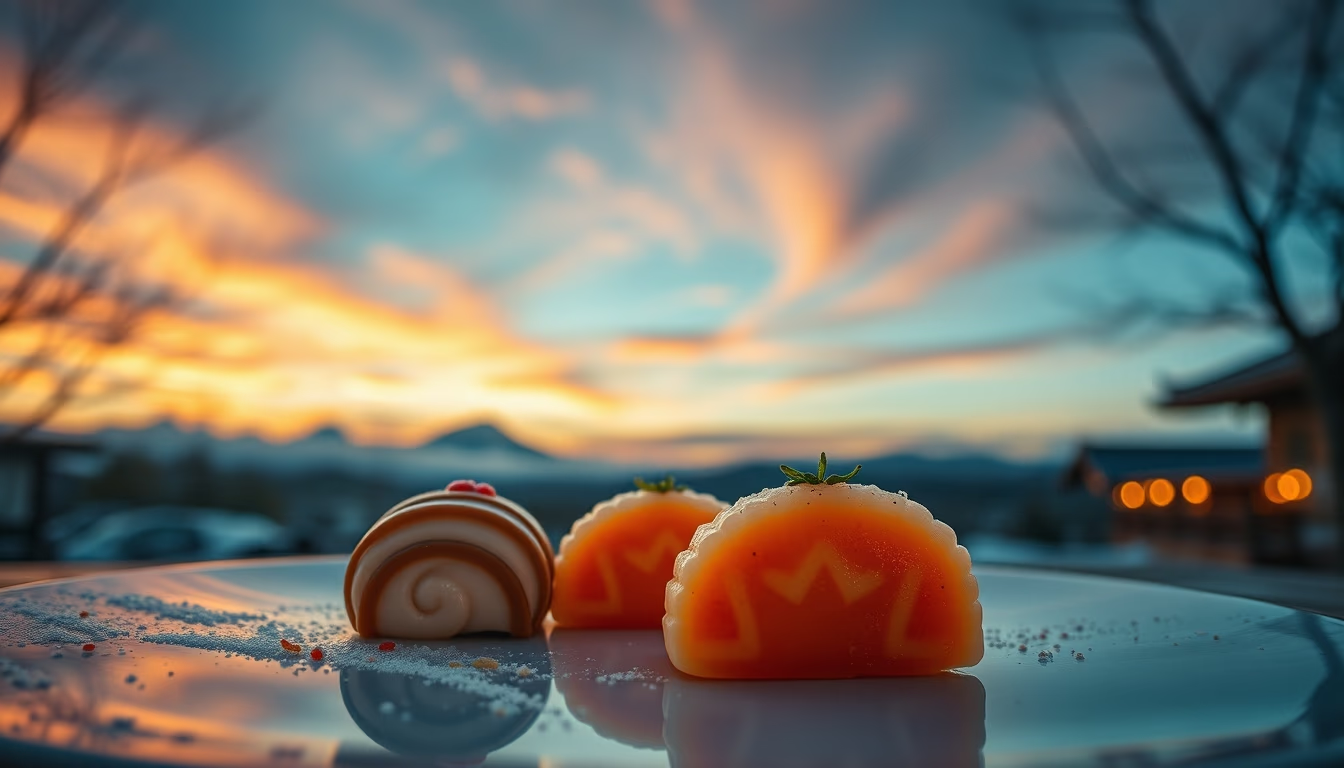
Cherry blossoms turn a tea garden into a seasonal spectacle, where matcha tradition meets the ephemeral beauty of sakuras.
About this subject
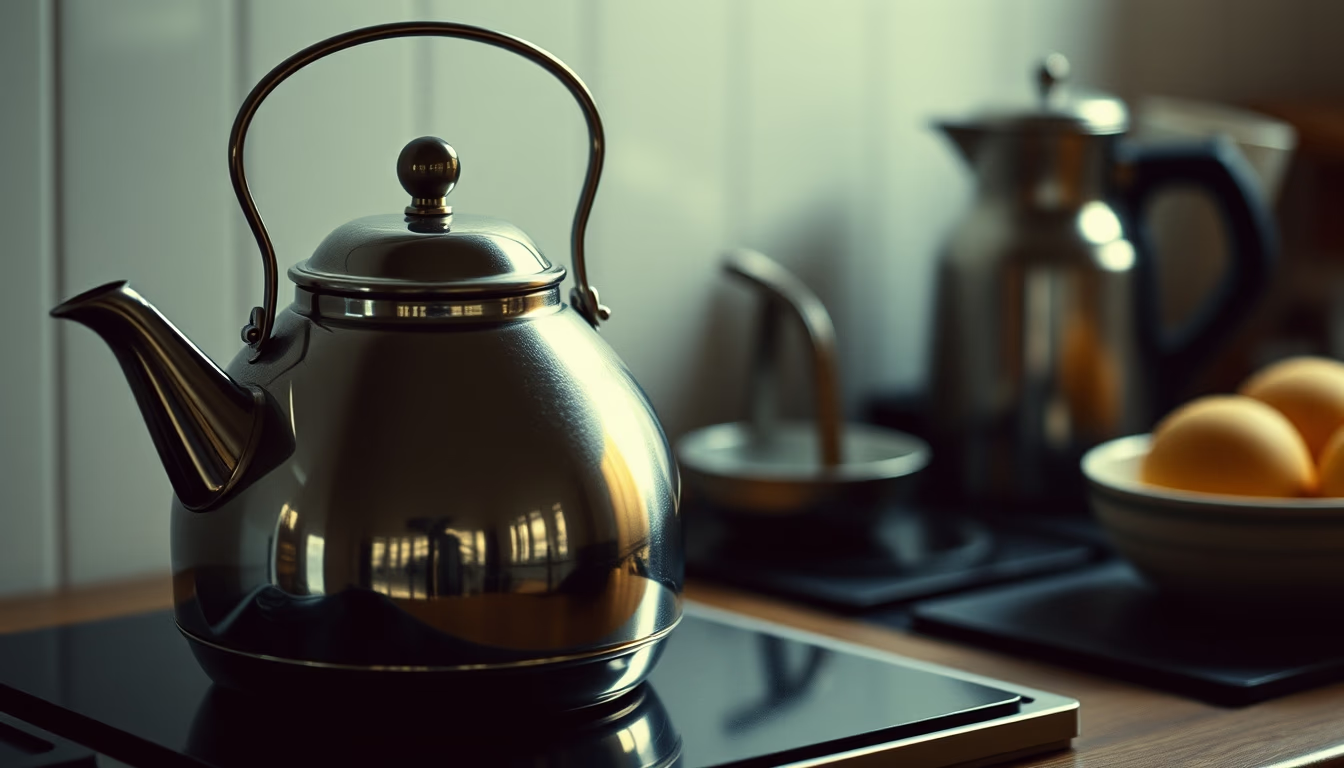
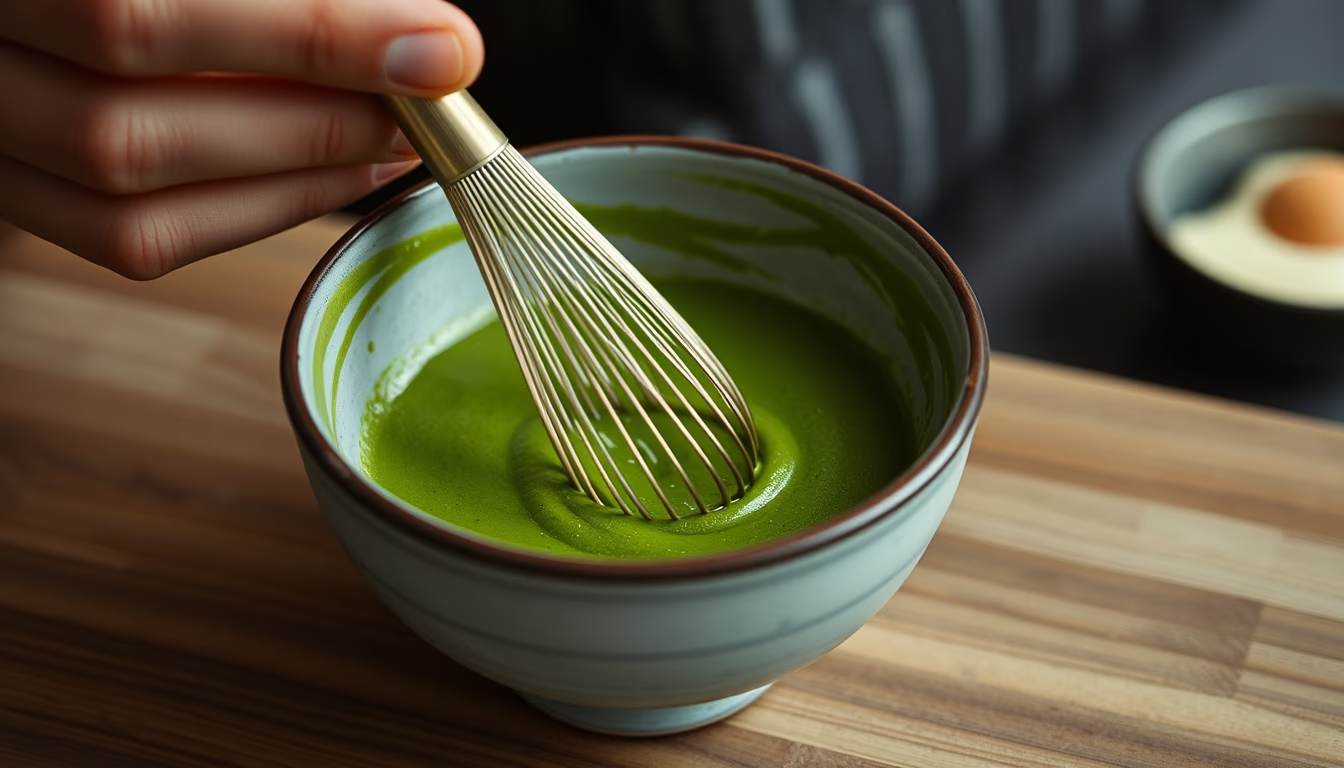
Tea gardens with cherry blossoms are an iconic combination in Japanese culture, especially during spring. The blossoming of sakuras (ornamental cherry trees) occurs between March and April depending on the region, drawing visitors to outdoor ceremonies. Matcha green tea, grown in shaded plantations, is often served in settings that integrate the floral landscape.
In Japan, locations like Kenroku-en in Kanazawa or the garden of Ryoan-ji temple in Kyoto offer scenes where tea and cherry blossoms coexist. The practice of chanoyu (tea ceremony) values harmony between interior and exterior, and the sight of petals falling into the tea cup is considered a moment of aesthetic contemplation. The long exposure technique used in photographs of this theme captures the gentle movement of flowers and diffused light.
Outside Japan, countries like China also cultivate tea gardens with cherry trees, especially in mountainous regions like Yunnan. The most common cherry variety in tea gardens is Prunus serrulata, which produces light pink flowers. These trees are planted not only for beauty but also to provide partial shade over the tea bushes, benefiting leaf growth.
Trivia: in Japanese folklore, sakuras symbolize the transience of life, while tea represents purification. Together, they invite meditation on the cycle of seasons.
Frequently Asked Questions
Where can I find tea gardens with cherry blossoms in Japan?
Places like Kenroku-en (Kanazawa), Ryoan-ji temple garden (Kyoto), and Ueno Park (Tokyo) combine tea and cherry blossoms. Many temples offer outdoor tea ceremonies during the bloom.
What is the best time to see cherry blossoms in a tea garden?
Sakura season runs from late March to early April in Japan. Exact dates vary by region and weather conditions.
Why are cherry trees planted in tea gardens?
Beyond aesthetics, cherry trees provide partial shade for the tea bushes, which helps develop softer flavors in the leaves, especially for matcha.
Direct URL
https://pub-c7d6a6ea828543ac903a74a341ccb2e1.r2.dev/imagens/cherry-blossom-tea-garden-long-exposure-fresh17.avifHow to credit
Include a visible link back to UtilizAí. Copy one of the snippets below:
<a href="https://xn--utiliza-eza.com/en/midia/imagens/cherry-blossom-tea-garden-long-exposure-fresh17">Cherry blossom tea garden</a> by <a href="https://xn--utiliza-eza.com">UtilizAí</a>, licensed under <a href="https://creativecommons.org/licenses/by/4.0/">CC BY 4.0</a>.
[Cherry blossom tea garden](https://xn--utiliza-eza.com/en/midia/imagens/cherry-blossom-tea-garden-long-exposure-fresh17) by [UtilizAí](https://xn--utiliza-eza.com), CC BY 4.0
License: CC-BY-4.0