Cherry blossom tea garden
1344×768 · AVIF · CC BY 4.0
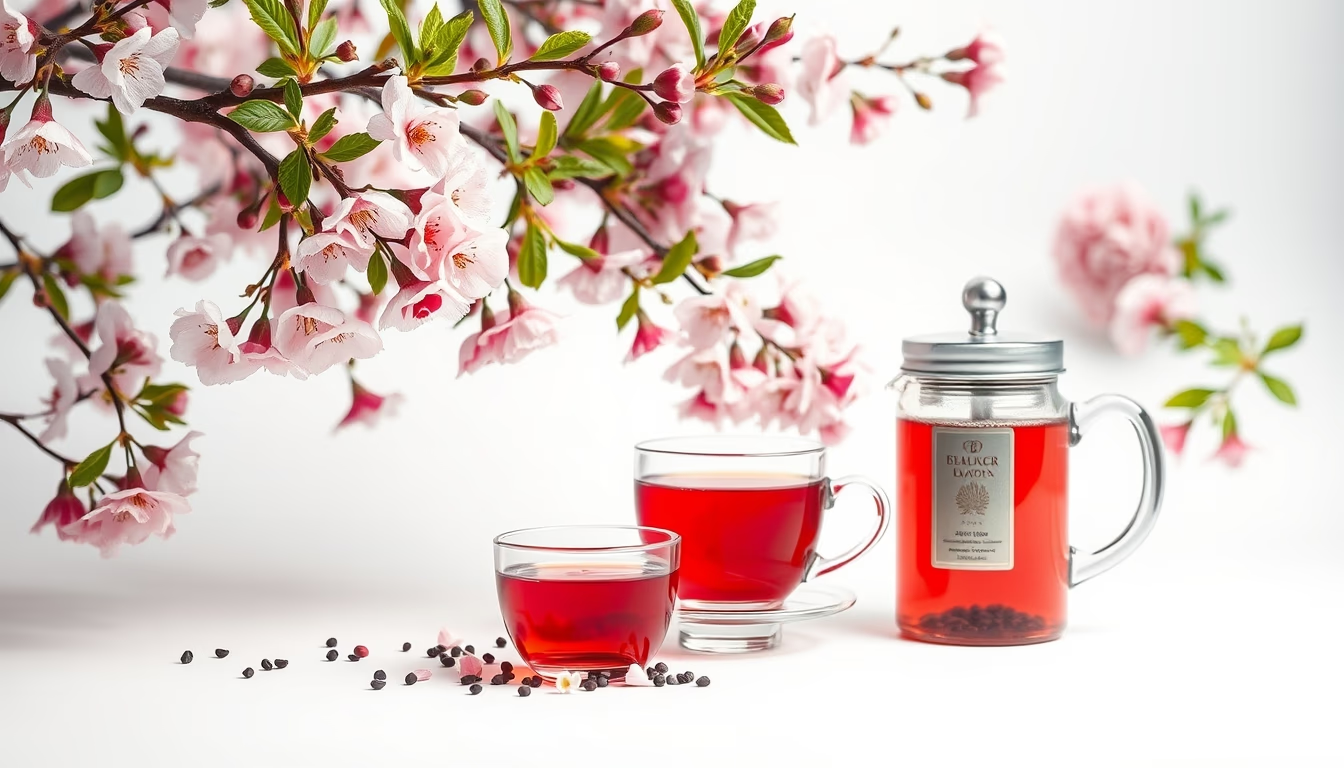
Discover the tradition of tea gardens with blooming cherry trees, where the aesthetics of sakura meet the Japanese tea ceremony.
About this subject
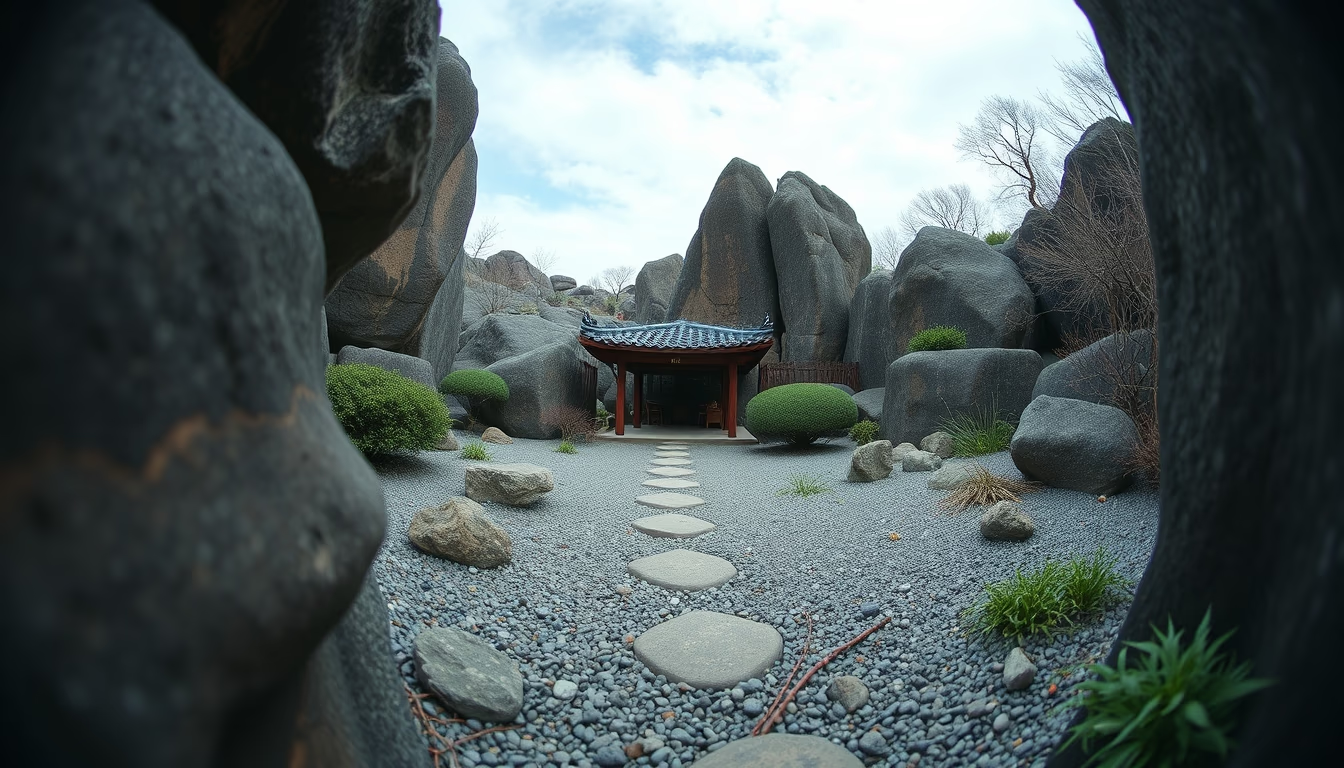
In Japan, tea gardens (roji) are carefully designed to prepare visitors for the tea ceremony. When surrounded by blooming cherry trees, they create a unique seasonal experience, especially during hanami. Notable examples include the grounds of Daigo-ji temple in Kyoto, where tea is served under centuries-old cherry trees. The cherry blossom season, lasting only a few weeks, symbolizes the ephemerality of life, a core concept in Zen Buddhism that also permeates chado (the way of tea).
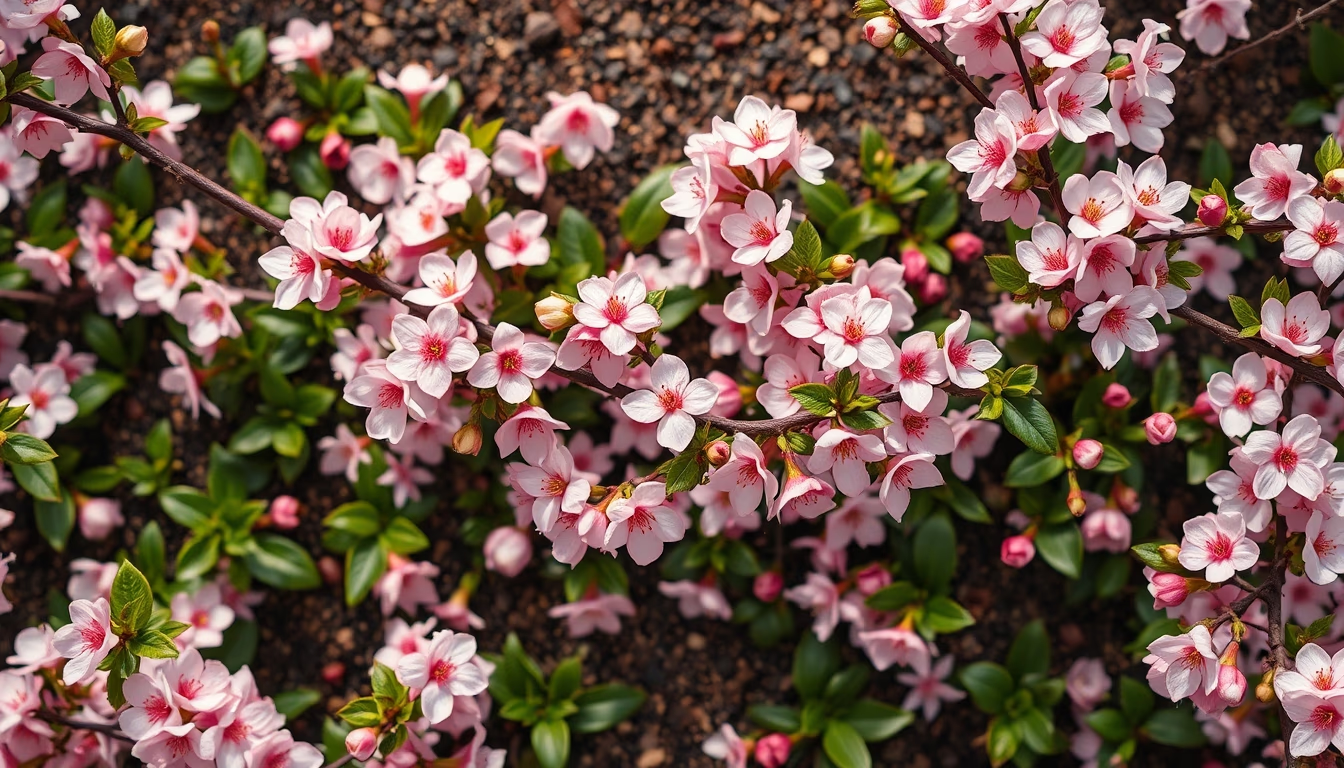
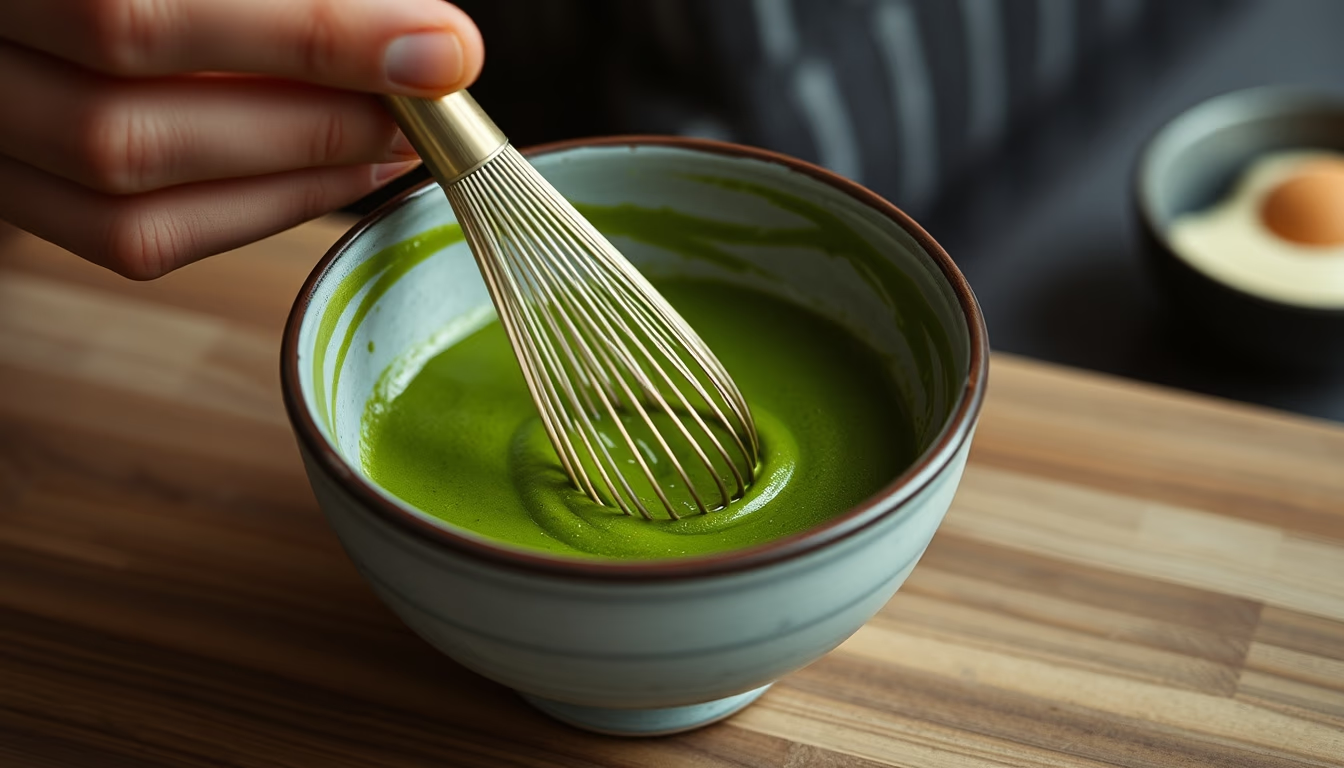
The combination of sakura and tea has historical roots: as early as the Heian period, nobility held flower-viewing festivals while drinking tea. Later, masters like Sen no Rikyu integrated cherry trees into tea gardens, using their beauty to accentuate the simplicity of the tea house. The contrast between pink petals and green matcha is intentional, evoking harmony between nature and art.
From an agricultural perspective, cherry trees in tea fields provide partial shade, which can improve the flavor of leaves, especially for varieties like matcha. Regions such as Uji near Kyoto and Shizuoka are famous for tea fields lined with cherry trees. The first harvest of spring (shincha) is particularly prized, coinciding with the flowering season.
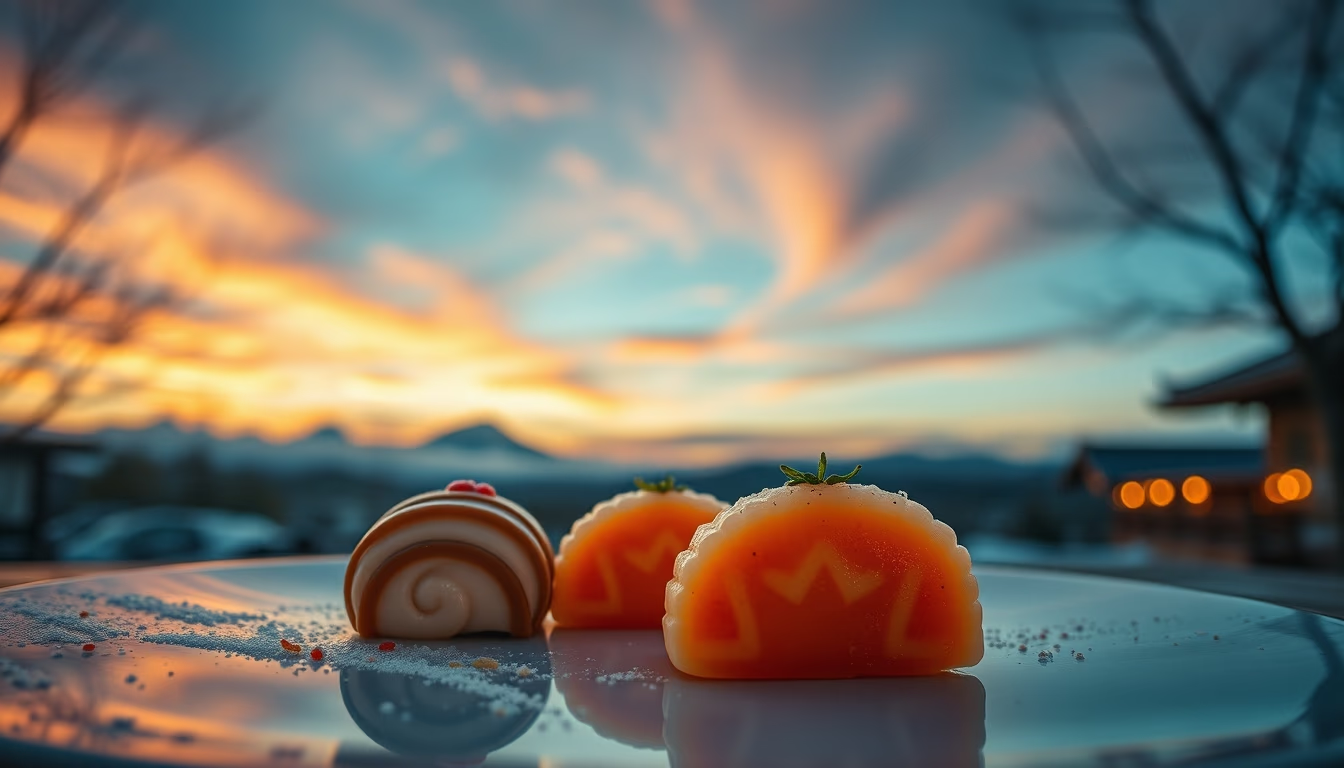
Commercially, the image of cherry trees in tea gardens is used by global brands to evoke quality, purity, and tradition. Products like sakura-flavored matcha, green tea blends with cherry petals, and packaging decorated with the flower are popular in Japan and abroad. This aesthetic also influences product photography, which seeks to capture serenity and seasonality.
Frequently Asked Questions
What is the best time to visit a tea garden with cherry blossoms?
The best time is during the cherry blossom season, typically from late March to mid-April in Japan, depending on the region. Combine with the first tea harvest (shincha) for a complete experience.
How does the tea ceremony integrate with hanami?
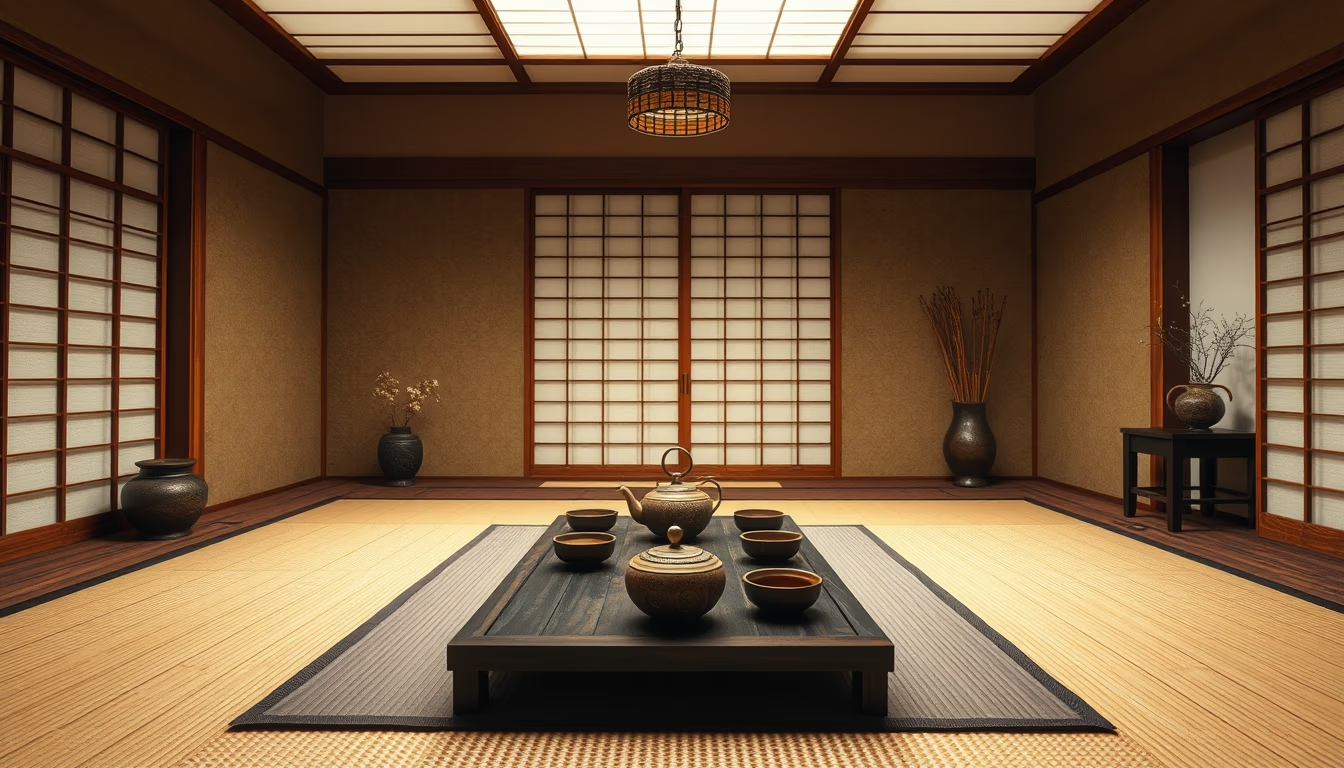
Hanami under cherry trees is often accompanied by an outdoor tea ceremony (nodate). Participants enjoy the flower view while drinking matcha, in a practice that merges aesthetic appreciation and meditation.
Why is sakura tea popular in commercial products?
Sakura tea evokes spring and ephemerality, associated with purity and renewal. Brands use this image to convey quality and tradition, while offering unique flavors that appeal to consumers worldwide.
Direct URL
https://pub-c7d6a6ea828543ac903a74a341ccb2e1.r2.dev/imagens/cherry-blossom-tea-garden-commercial-product-photography-fresh10.avifHow to credit
Include a visible link back to UtilizAí. Copy one of the snippets below:
<a href="https://xn--utiliza-eza.com/en/midia/imagens/cherry-blossom-tea-garden-commercial-product-photography-fresh10">Cherry blossom tea garden</a> by <a href="https://xn--utiliza-eza.com">UtilizAí</a>, licensed under <a href="https://creativecommons.org/licenses/by/4.0/">CC BY 4.0</a>.
[Cherry blossom tea garden](https://xn--utiliza-eza.com/en/midia/imagens/cherry-blossom-tea-garden-commercial-product-photography-fresh10) by [UtilizAí](https://xn--utiliza-eza.com), CC BY 4.0
License: CC-BY-4.0