Cherry blossom tea garden
1344×768 · AVIF · CC BY 4.0
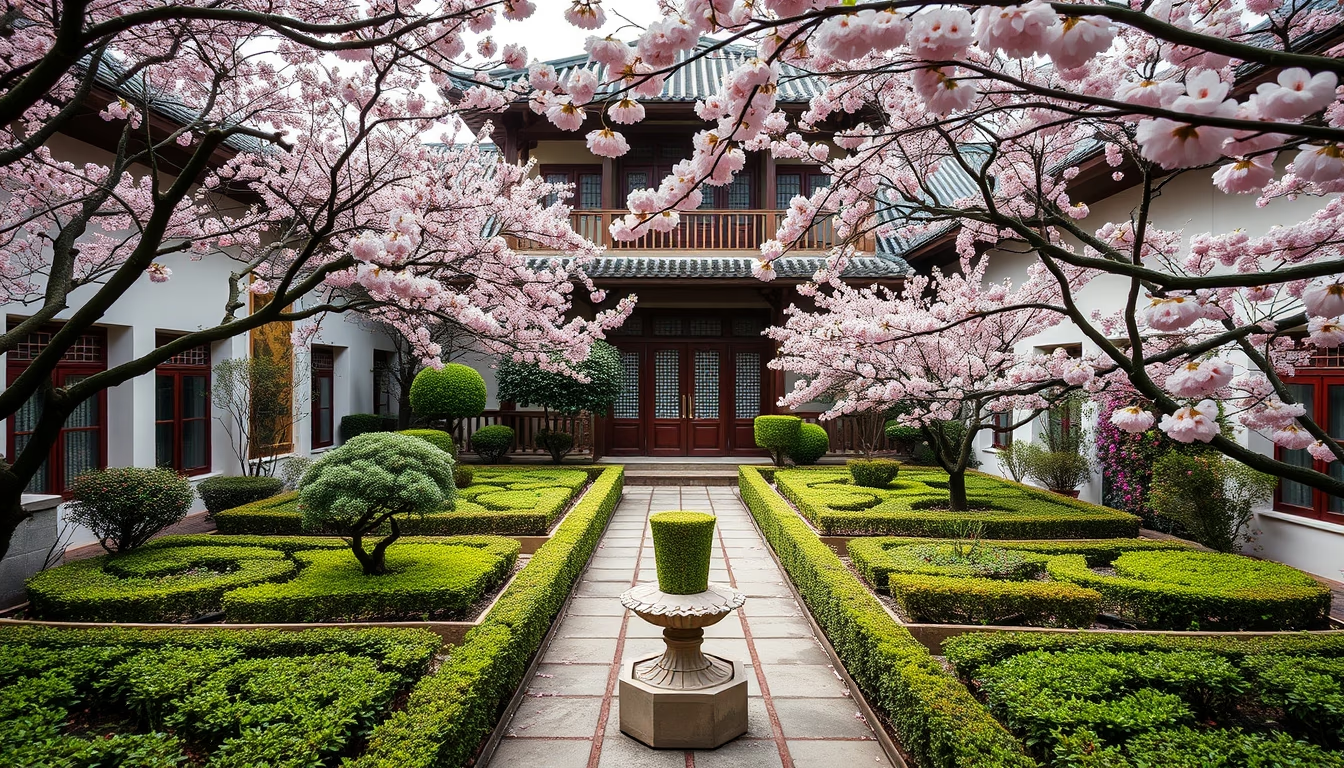
Discover the meaning of a tea garden with cherry blossoms, an essential element of the Japanese tea ceremony.
About this subject
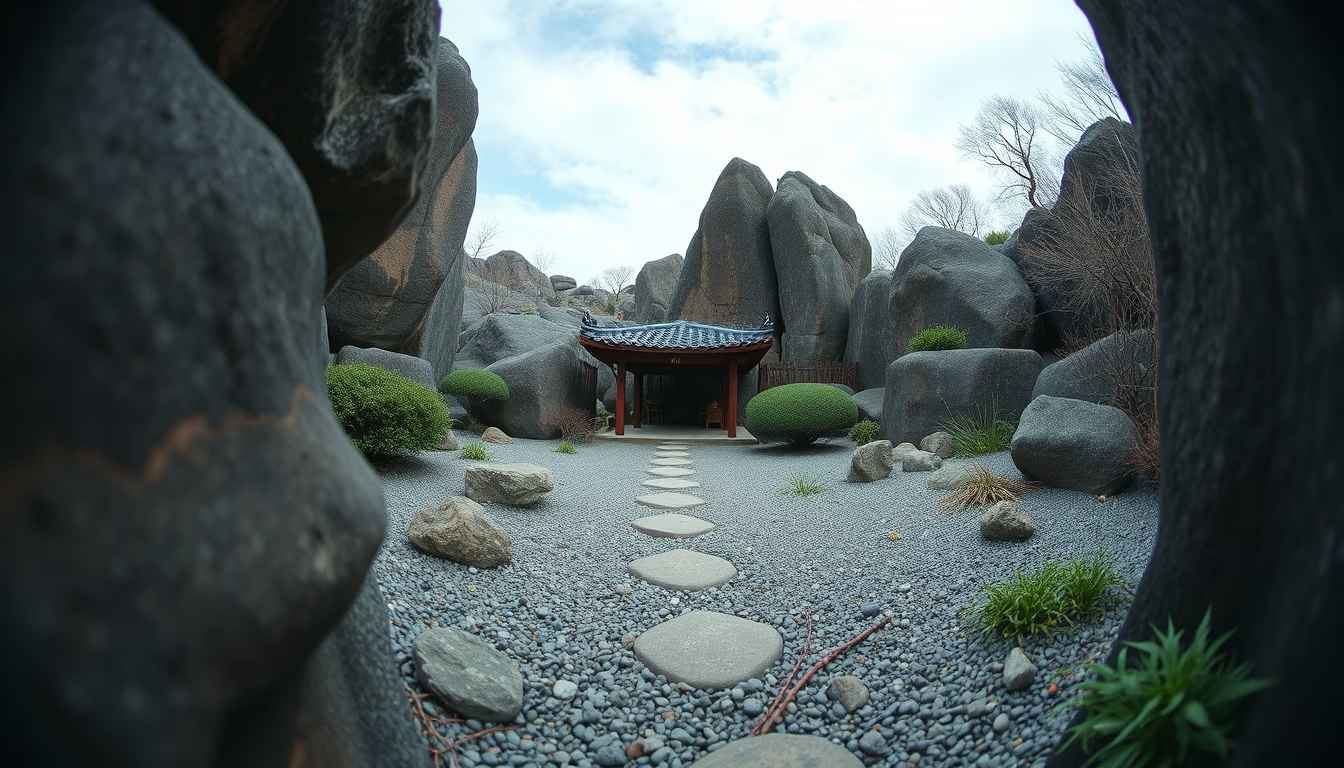
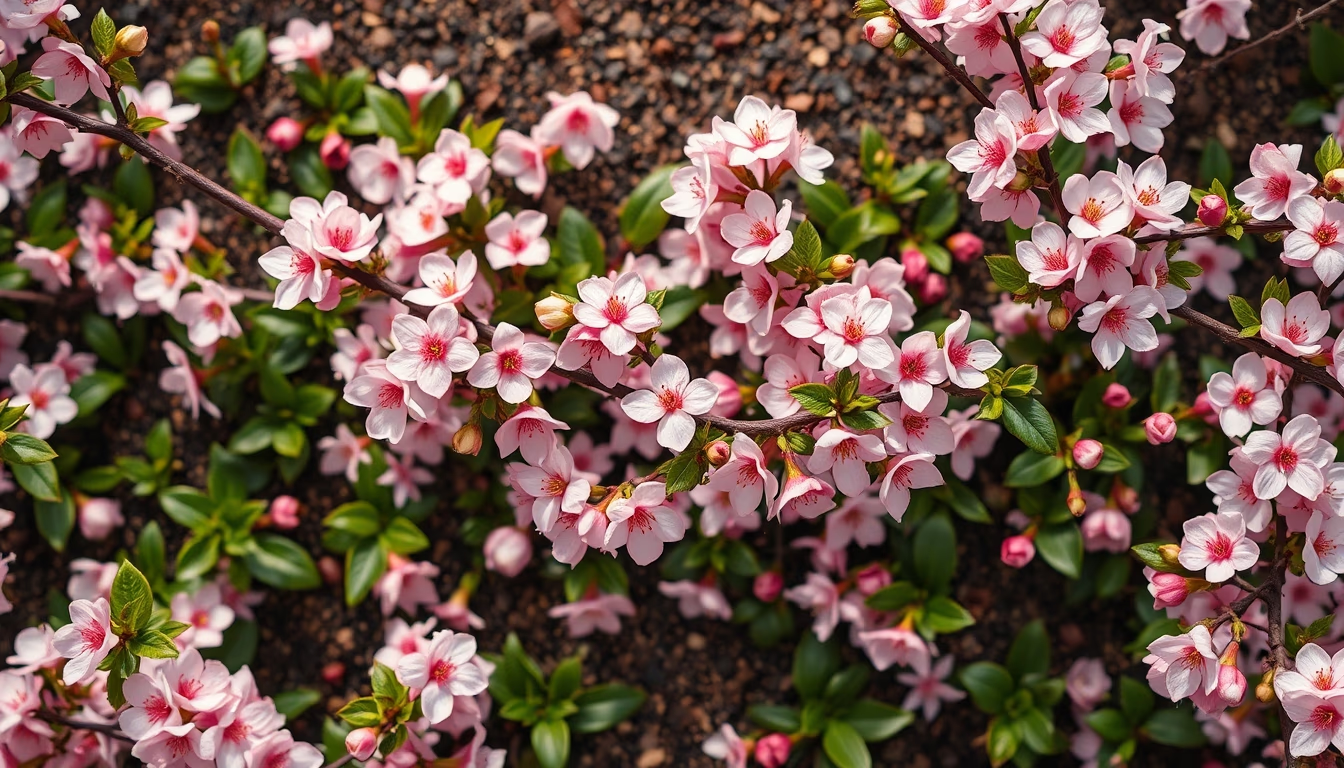
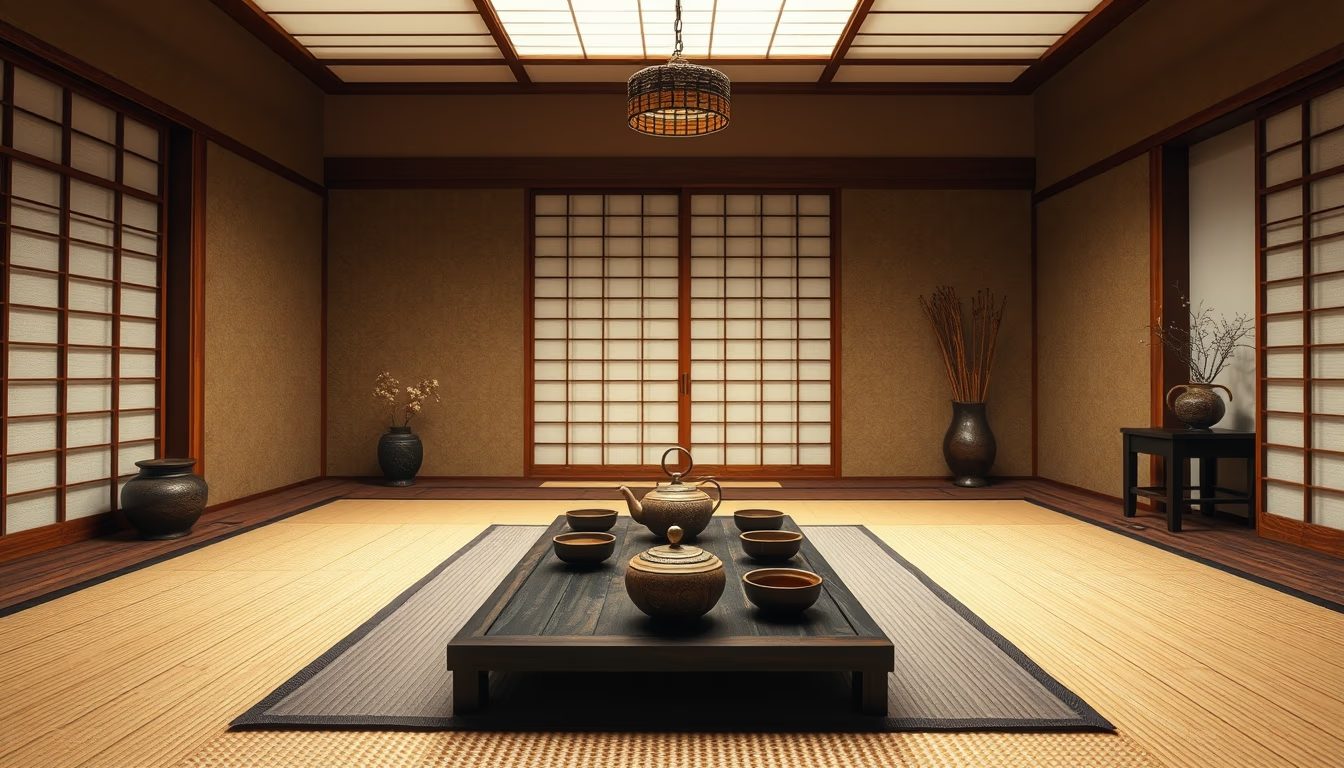
Japanese tea gardens, known as roji, are meticulously designed spaces that prepare guests for the tea ceremony, or chanoyu. Traditionally, the roji is a path leading to the tea house, filled with symbolic elements like stepping stones, stone lanterns, and a water basin for purification. The presence of cherry blossoms, or sakura, adds an extra layer of meaning, as the ephemeral flowers symbolize the transience of life, a core concept in Zen Buddhism that influences the ceremony.
The architecture of the roji follows aesthetic principles like wabi-sabi, the appreciation of imperfect and fleeting beauty. Stones are placed irregularly to encourage mindfulness and contemplation. The water basin, usually low, forces the guest to bow, a gesture of humility. When cherry trees bloom in spring, they create a visual contrast between the simplicity of the stone path and the burst of floral colors.
Historically, the use of cherry trees in tea gardens dates back to the Muromachi period (14th-16th centuries), when warlords and Zen monks sought refuge in simplicity. Sakura not only beautifies the place but also marks time: its blooming is a reminder to cherish the present moment. Today, many tea gardens in Japan, such as those in Kyoto, preserve this tradition, attracting visitors who wish to experience the harmony between nature and architecture.
Beyond aesthetics, the choice of cherry tree has practical implications: fallen petals are swept away to maintain purity, but some are left intentionally to evoke impermanence. This balance between order and chaos is a hallmark of Japanese culture.
Frequently Asked Questions
What is a Japanese tea garden?
It is a space called roji, functioning as a preparatory path for the tea ceremony, featuring elements like stones, lanterns, and a water basin for purification.
What is the significance of cherry blossoms in the tea ceremony?
Cherry blossoms (sakura) symbolize the transience of life, a key Zen concept. Their fleeting flowers remind participants to cherish the present moment.
How does the architecture of the tea garden contribute to the experience?
The architecture follows wabi-sabi principles, with irregular stones and a low basin that forces guests to bow, promoting humility and mindfulness.
Direct URL
https://pub-c7d6a6ea828543ac903a74a341ccb2e1.r2.dev/imagens/cherry-blossom-tea-garden-architectural-photography-fresh13.avifHow to credit
Include a visible link back to UtilizAí. Copy one of the snippets below:
<a href="https://xn--utiliza-eza.com/en/midia/imagens/cherry-blossom-tea-garden-architectural-photography-fresh13">Cherry blossom tea garden</a> by <a href="https://xn--utiliza-eza.com">UtilizAí</a>, licensed under <a href="https://creativecommons.org/licenses/by/4.0/">CC BY 4.0</a>.
[Cherry blossom tea garden](https://xn--utiliza-eza.com/en/midia/imagens/cherry-blossom-tea-garden-architectural-photography-fresh13) by [UtilizAí](https://xn--utiliza-eza.com), CC BY 4.0
License: CC-BY-4.0