Champagne cellar reims
1344×768 · AVIF · CC BY 4.0
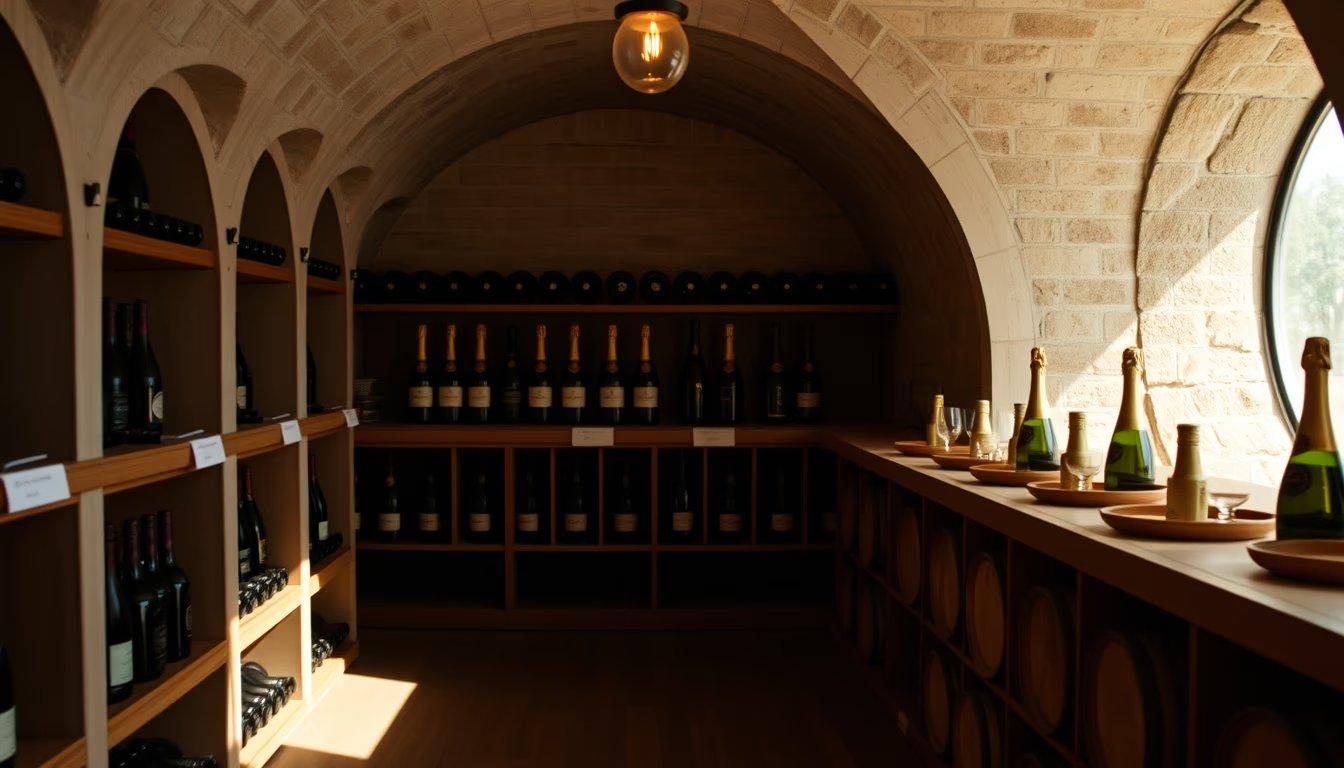
The champagne cellars in Reims, in the Champagne region, hold centuries of history and tradition in producing the world's most famous sparkling wine.
About this subject
The champagne cellars in Reims, France, are underground tunnels carved into limestone, dating back to Roman times. These galleries, some over 30 meters deep, provide constant temperature and humidity ideal for aging champagne. More than 200 km of cellars stretch beneath the city, belonging to major houses like Moët & Chandon, Veuve Clicquot, and Taittinger.
The champagne production process requires a second fermentation inside the bottle, creating the bubbles. During aging, bottles are stored at an angle in pupitres, where they are manually turned so sediments gather in the neck (remuage). This technique was perfected by the widow Clicquot in the 19th century.
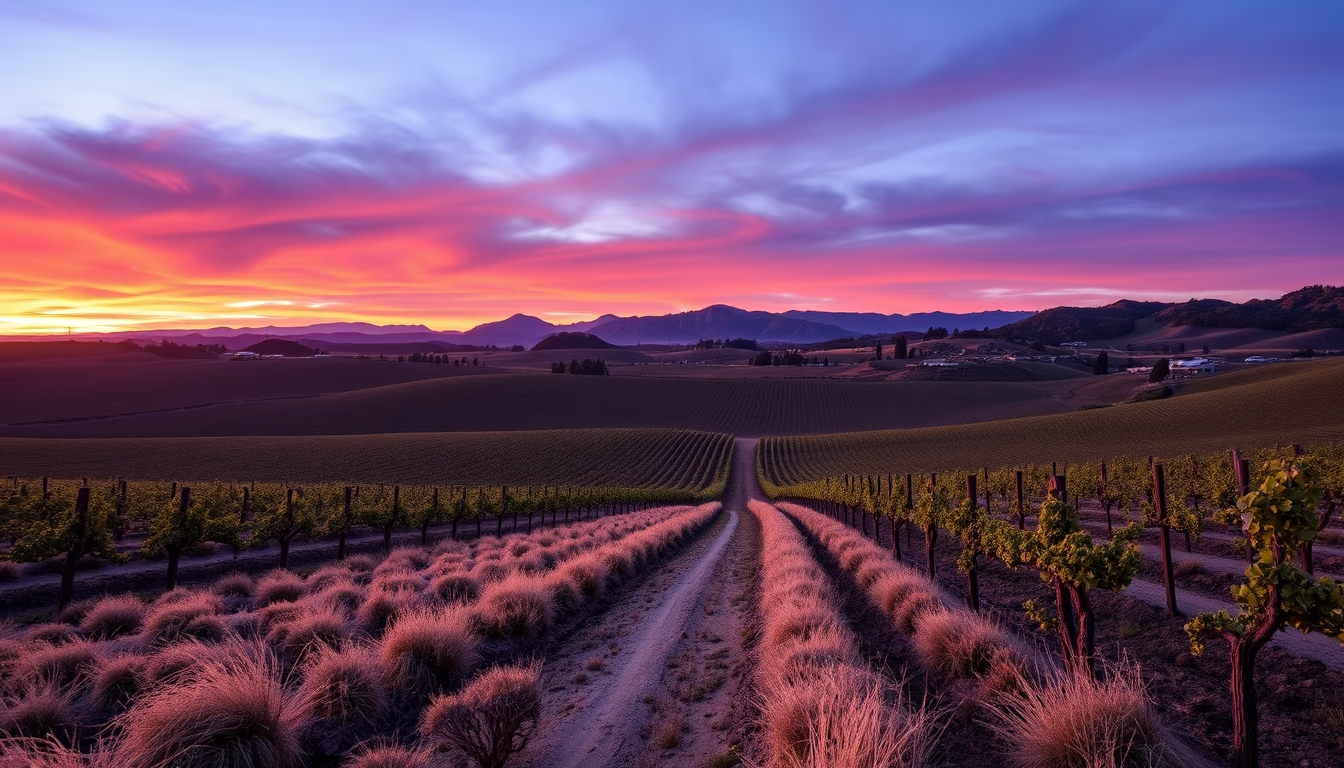
The Champagne region, about 150 km east of Paris, has a unique terroir with chalky soils and a cool climate. Pinot Noir, Pinot Meunier, and Chardonnay are the main grape varieties. In 2015, the Champagne cellars were inscribed as a UNESCO World Heritage site, recognizing their historical and cultural value.
Interestingly, the cellars originally served as shelters and storage during the Middle Ages. Today, many house museums and tasting rooms, attracting tourists from around the world. The city of Reims is also known for its Gothic cathedral, where French kings were crowned, and for champagne production that drives the local economy.
Frequently Asked Questions
What makes the champagne cellars in Reims special?
The cellars in Reims are Roman limestone tunnels that provide perfect temperature and humidity conditions for aging champagne. More than 200 km of underground galleries house millions of bottles in the fermentation process.
How does the remuage process work?
Remuage is the technique of turning and tilting bottles on pupitres to gather sediment from the second fermentation in the neck. This manual method was perfected by Madame Clicquot in the 19th century.
Why are champagne cellars important for world heritage?
In 2015, the Champagne cellars were listed as a UNESCO World Heritage site for their historical, cultural, and technical value. They represent a centuries-old tradition and a unique sparkling wine production system.
Direct URL
https://pub-c7d6a6ea828543ac903a74a341ccb2e1.r2.dev/imagens/champagne-cellar-reims-minimalist-composition-fresh13.avifHow to credit
Include a visible link back to UtilizAí. Copy one of the snippets below:
<a href="https://xn--utiliza-eza.com/en/midia/imagens/champagne-cellar-reims-minimalist-composition-fresh13">Champagne cellar reims</a> by <a href="https://xn--utiliza-eza.com">UtilizAí</a>, licensed under <a href="https://creativecommons.org/licenses/by/4.0/">CC BY 4.0</a>.
[Champagne cellar reims](https://xn--utiliza-eza.com/en/midia/imagens/champagne-cellar-reims-minimalist-composition-fresh13) by [UtilizAí](https://xn--utiliza-eza.com), CC BY 4.0
License: CC-BY-4.0