Champagne cellar reims
1344×768 · AVIF · CC BY 4.0
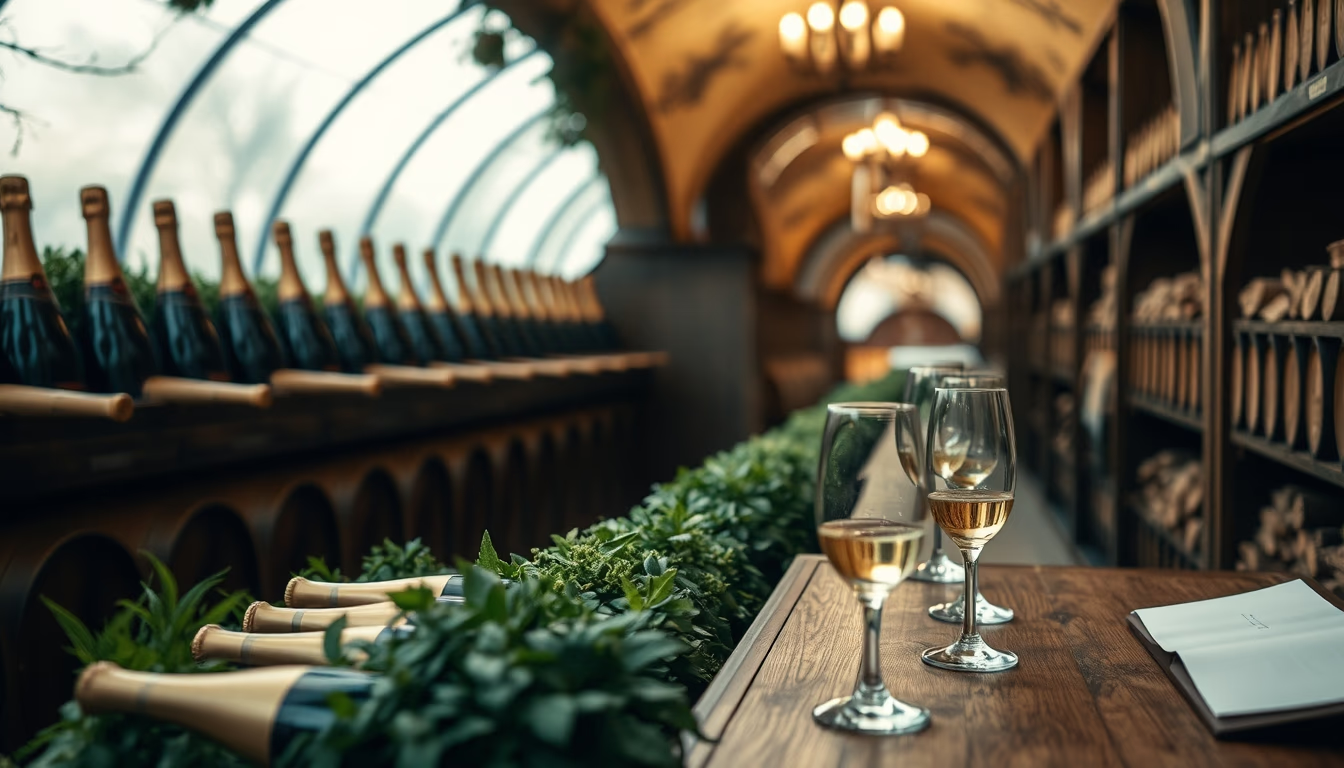
The champagne cellars of Reims, carved into limestone, hold centuries of history and tradition in producing the world's most famous sparkling wine.
About this subject
The Champagne region of France is world-famous for its eponymous sparkling wine. Reims, one of the region's main cities, harbors a labyrinth of underground cellars, many carved from ancient Roman chalk quarries. These galleries, extending over 200 kilometers, provide ideal temperature and humidity for aging champagne. The cellars belong to major houses like Moët & Chandon, Veuve Clicquot, and Taittinger, and some date back to the 4th century when Romans extracted limestone blocks for construction.
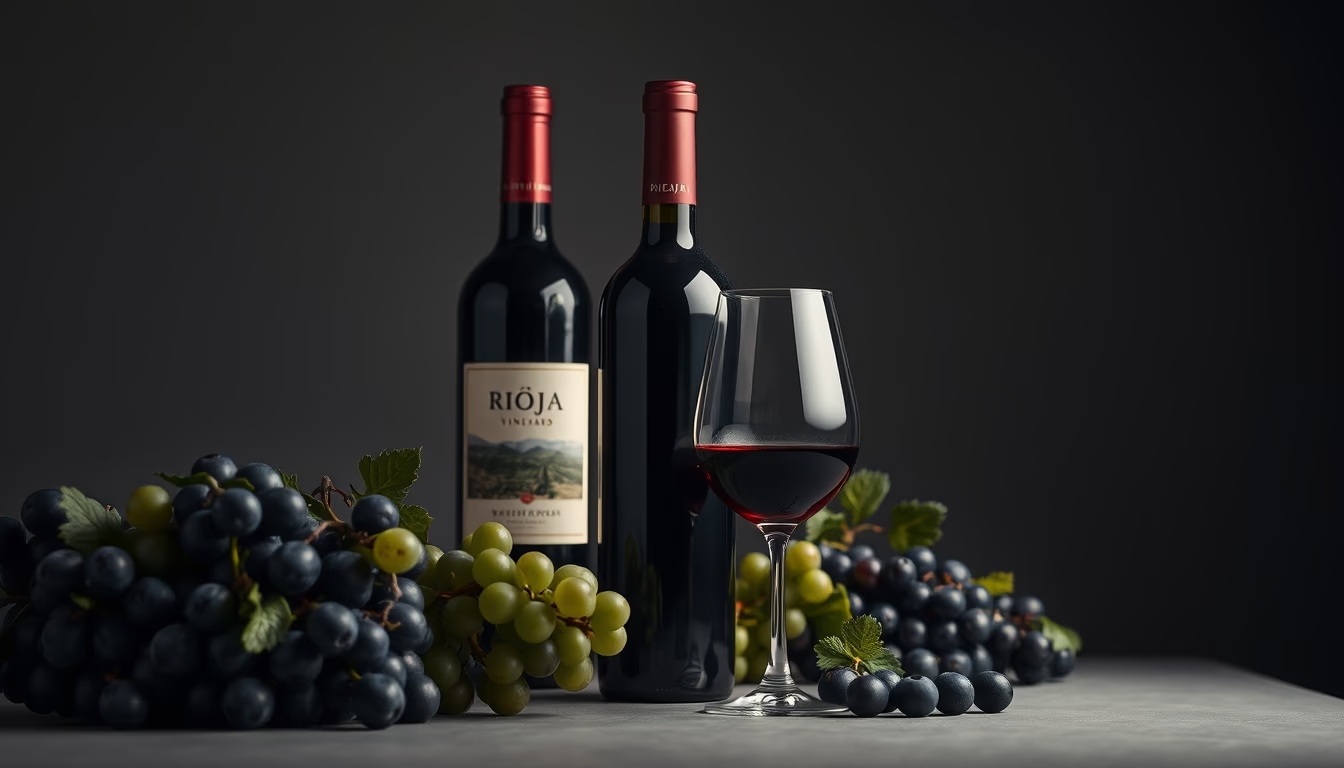
Champagne is produced using the traditional method, or méthode champenoise, which involves a secondary fermentation in the bottle. After initial fermentation, bottles are stored in the cellars at an angle, undergoing a process called riddling (remuage), where dead yeast cells are gradually moved to the neck. This method, invented by Madame Clicquot in the early 19th century, is crucial for the wine's clarity and complexity. The Reims cellars have been a UNESCO World Heritage site since 2015, as part of the Crayères de Champagne.
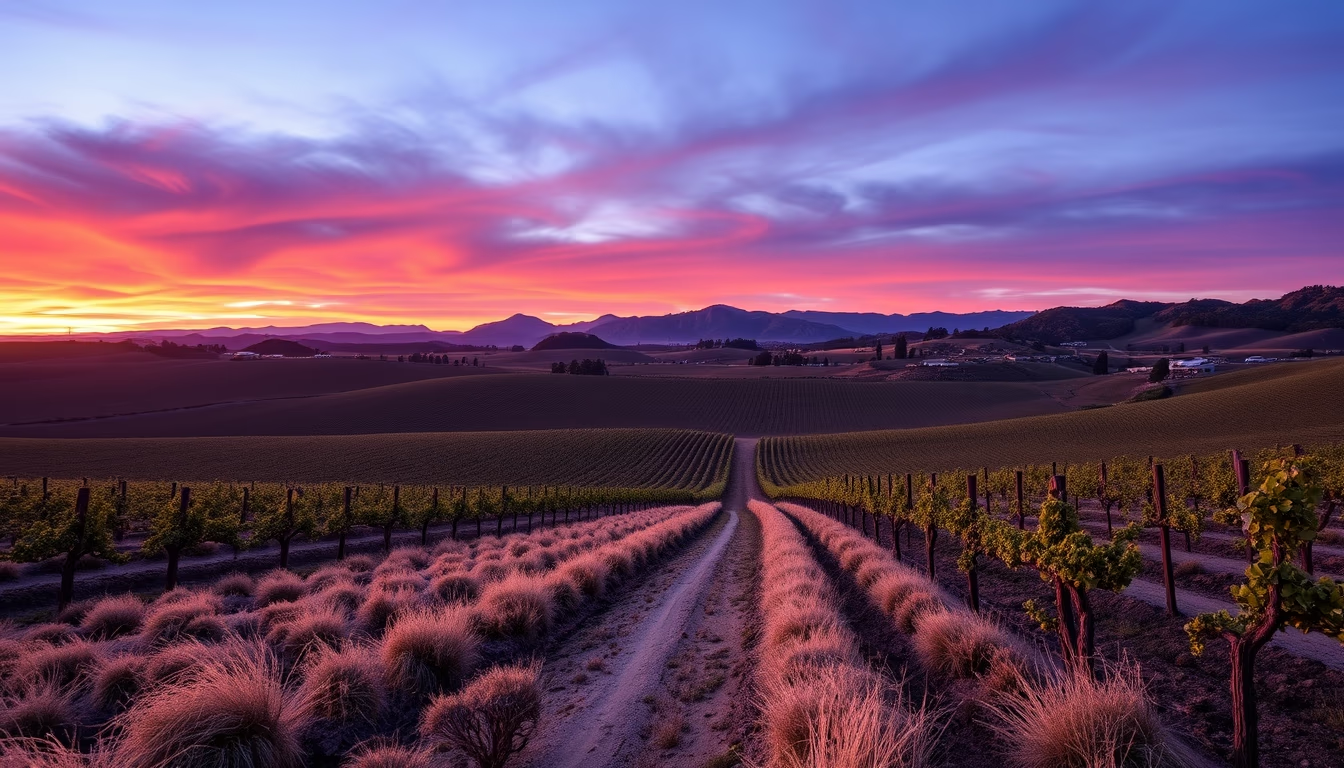
Reims is also famous for its Gothic cathedral, where French kings were crowned. Champagne has always been associated with celebrations and royalty, and the underground cellars bear witness to this tradition. Visitors can tour galleries decorated with chalk carvings, some over 30 meters deep, and taste vintages that reflect the region's unique terroir of chalky soils, which impart minerality and freshness to the wine.
Frequently Asked Questions
Which are the main champagne houses with cellars in Reims?
The main houses include Moët & Chandon, Veuve Clicquot, Taittinger, Ruinart, and Pommery. Many offer guided tours of their historic cellars.
What makes the Reims cellars special for champagne aging?
The cellars are carved in chalk, which maintains a constant temperature between 10°C and 12°C and high humidity, ideal for slow maturation of champagne.
Can you visit the champagne cellars in Reims?
Yes, most cellars are open to the public. Tours typically include a walk through the galleries and a tasting at the end.
Direct URL
https://pub-c7d6a6ea828543ac903a74a341ccb2e1.r2.dev/imagens/champagne-cellar-reims-documentary-nature-style-fresh17.avifHow to credit
Include a visible link back to UtilizAí. Copy one of the snippets below:
<a href="https://xn--utiliza-eza.com/en/midia/imagens/champagne-cellar-reims-documentary-nature-style-fresh17">Champagne cellar reims</a> by <a href="https://xn--utiliza-eza.com">UtilizAí</a>, licensed under <a href="https://creativecommons.org/licenses/by/4.0/">CC BY 4.0</a>.
[Champagne cellar reims](https://xn--utiliza-eza.com/en/midia/imagens/champagne-cellar-reims-documentary-nature-style-fresh17) by [UtilizAí](https://xn--utiliza-eza.com), CC BY 4.0
License: CC-BY-4.0