Chain bridge budapest
1344×768 · AVIF · CC BY 4.0
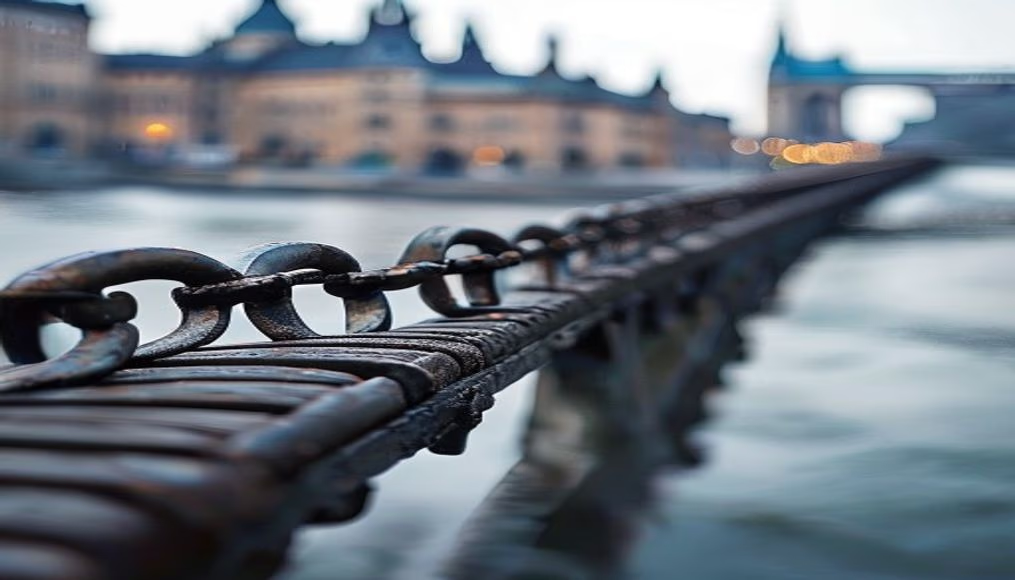
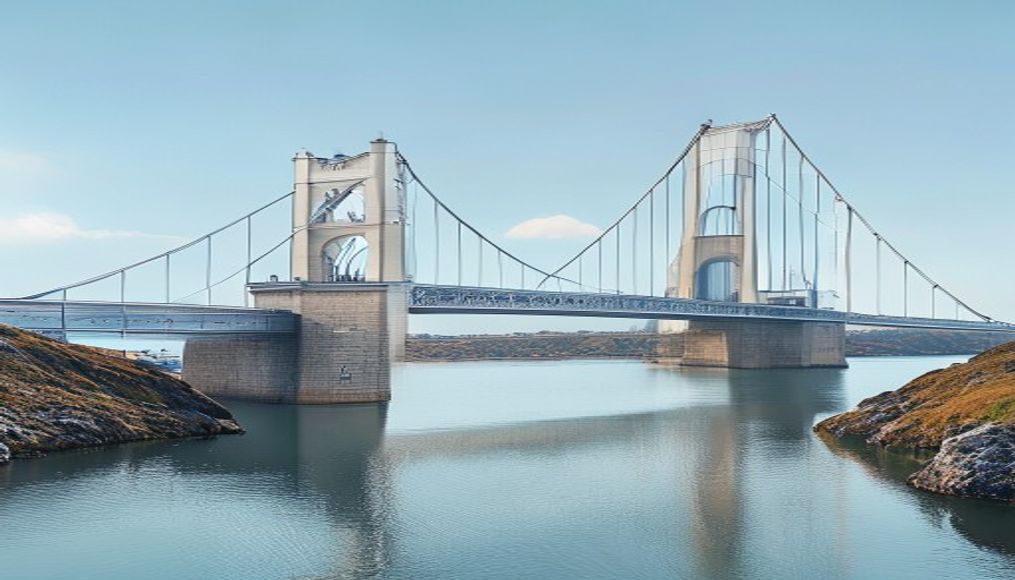
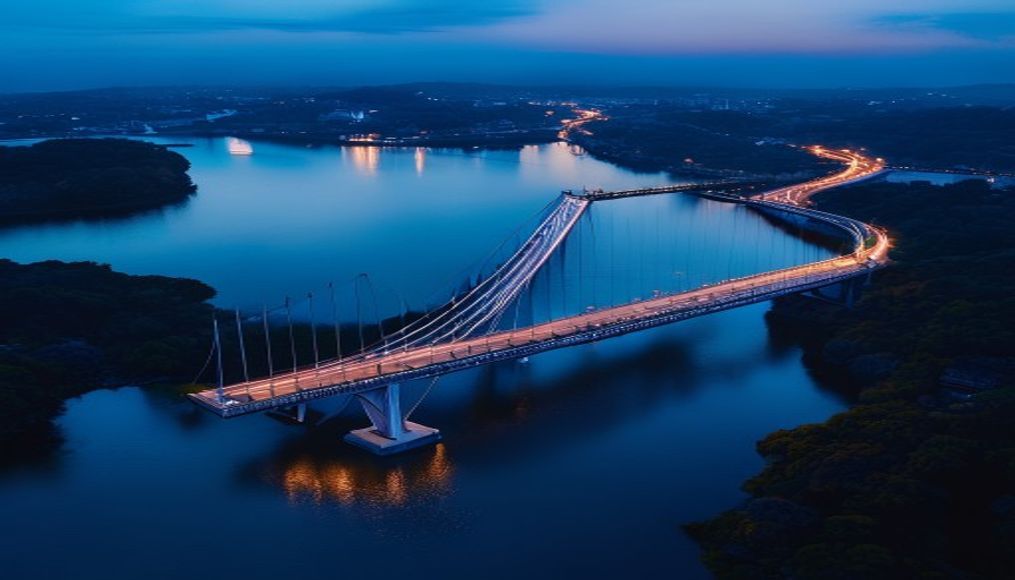
The Chain Bridge (Széchenyi Lánchíd) is the oldest permanent bridge across the Danube River in Budapest, a symbol of the city and a landmark of 19th-century engineering.
About this subject
The Chain Bridge, officially Széchenyi Lánchíd, connects the historic cities of Buda and Pest across the Danube River. Inaugurated in 1849, it was the first permanent bridge to span the Danube in Hungary, replacing seasonal ferries and ice bridges. Designed by English engineer William Tierney Clark and built by Scottish engineer Adam Clark (no relation), the bridge is a notable example of 19th-century suspension bridge architecture. Its two neoclassical towers and the four stone lions at the entrances, carved by János Marschalkó, have become city icons.
The bridge's construction was a milestone for the economic and social unification of Buda and Pest, which would formally merge in 1873 to form Budapest. During World War II, the bridge was destroyed by retreating German forces in 1945 but was meticulously reconstructed and reopened in 1949, exactly one hundred years after its original inauguration. The current structure retains the original design with wrought-iron chains supporting the deck, though modern materials were used in the reconstruction.
Interestingly, the stone lions are often the subject of local folklore: it is said they have no tongues, but in fact the tongues are discreetly carved, visible only from below. The bridge has also inspired cultural works, such as János Arany's poem "The Chain Bridge." Today, Széchenyi Lánchíd is reserved for pedestrians and public transport, making it one of Budapest's most photographed landmarks, especially at night when its lights reflect on the Danube.
Frequently Asked Questions
What is the official name of the Chain Bridge?
The official name is Széchenyi Lánchíd, named after Hungarian statesman István Széchenyi, who championed its construction.
Who designed and built the bridge?
It was designed by English engineer William Tierney Clark and built by Scottish engineer Adam Clark. They were not related.
Was the bridge destroyed in World War II?
Yes, it was destroyed in 1945 by retreating German forces. It was reconstructed and reopened in 1949, exactly one hundred years after its inauguration.
Direct URL
https://pub-c7d6a6ea828543ac903a74a341ccb2e1.r2.dev/imagens/chain-bridge-budapest-macro-closeup-p1.avifHow to credit
Include a visible link back to UtilizAí. Copy one of the snippets below:
<a href="https://xn--utiliza-eza.com/en/midia/imagens/chain-bridge-budapest-macro-closeup-p1">Chain bridge budapest</a> by <a href="https://xn--utiliza-eza.com">UtilizAí</a>, licensed under <a href="https://creativecommons.org/licenses/by/4.0/">CC BY 4.0</a>.
[Chain bridge budapest](https://xn--utiliza-eza.com/en/midia/imagens/chain-bridge-budapest-macro-closeup-p1) by [UtilizAí](https://xn--utiliza-eza.com), CC BY 4.0
License: CC-BY-4.0