Cassette tape collection retro
1344×768 · AVIF · CC BY 4.0
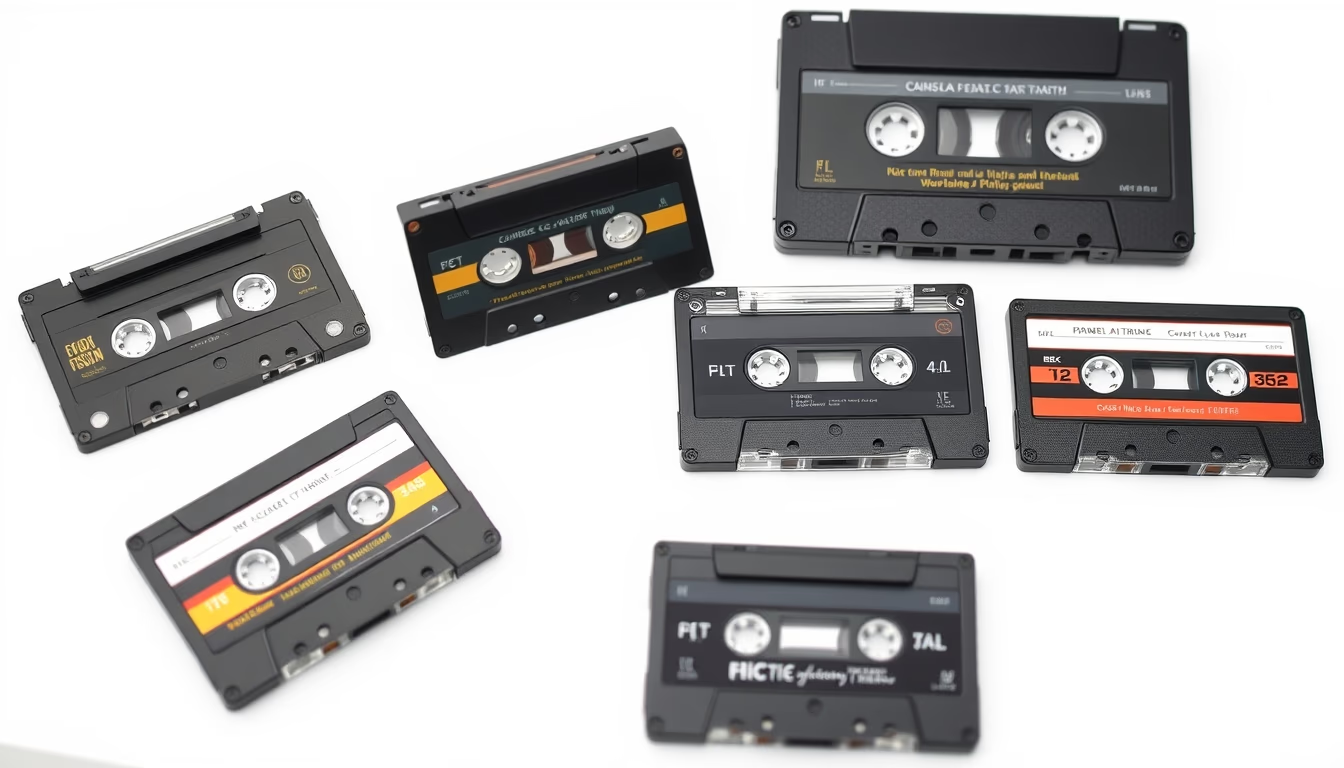
The cassette tape, launched in the 1960s, revolutionized portable music consumption and has returned as a collector's item in the digital age.
About this subject
The cassette tape was introduced by Philips in 1963 as a compact and affordable format for audio recording and playback. It quickly gained popularity in the 1970s and 1980s, becoming the primary medium for mixtapes, home recordings, and portable music, driven by Sony's Walkman launched in 1979. Its re-recordable nature and relative durability democratized music access, allowing ordinary people to create their own compilations.
With the arrival of the CD in the 1990s and MP3 in the 2000s, the cassette tape declined and was considered obsolete. However, it never fully disappeared. Collectors, independent musicians, and niche labels kept the format alive, valuing its characteristic analog sound and retro aesthetic. The cassette tape was also crucial for the development of music scenes like punk, hardcore, and hip-hop, where home recording and demo distribution were common practices.
In the 2010s and 2020s, there was a notable resurgence of cassette tapes. Global sales increased, driven by nostalgia, the physical media movement, and low production costs for independent artists. Major bands and labels began releasing limited editions on tape, and record fairs often feature dedicated stalls. The tape's aesthetic, with vibrant colors and square covers, attracts both curious young people and nostalgic veterans.
Storing cassette tapes requires specific care, such as avoiding excessive heat and magnetic fields. Type I (ferric) tapes are the most common, but there are also Type II (chrome) and Type IV (metal), offering better frequency response. The mixtape culture, which flourished in the 80s and 90s, left a deep emotional legacy, symbolizing effort, personal curation, and intimacy in music sharing.
Frequently Asked Questions
Why are cassette tapes making a comeback?
The resurgence is driven by nostalgia, analog aesthetics, low production costs for independent artists, and the appeal of physical media in a digital world.
How long does a cassette tape last?
With proper storage (away from heat, humidity, and magnetic fields), a tape can last 30 to 40 years, but magnetic degradation is inevitable over time.
How do I clean cassette deck heads?
Use isopropyl alcohol and a cotton swab to gently clean the heads and pinch rollers. Avoid abrasive products and never force the components.
Direct URL
https://pub-c7d6a6ea828543ac903a74a341ccb2e1.r2.dev/imagens/cassette-tape-collection-retro-commercial-product-photography-p6.avifHow to credit
Include a visible link back to UtilizAí. Copy one of the snippets below:
<a href="https://xn--utiliza-eza.com/en/midia/imagens/cassette-tape-collection-retro-commercial-product-photography-p6">Cassette tape collection retro</a> by <a href="https://xn--utiliza-eza.com">UtilizAí</a>, licensed under <a href="https://creativecommons.org/licenses/by/4.0/">CC BY 4.0</a>.
[Cassette tape collection retro](https://xn--utiliza-eza.com/en/midia/imagens/cassette-tape-collection-retro-commercial-product-photography-p6) by [UtilizAí](https://xn--utiliza-eza.com), CC BY 4.0
License: CC-BY-4.0