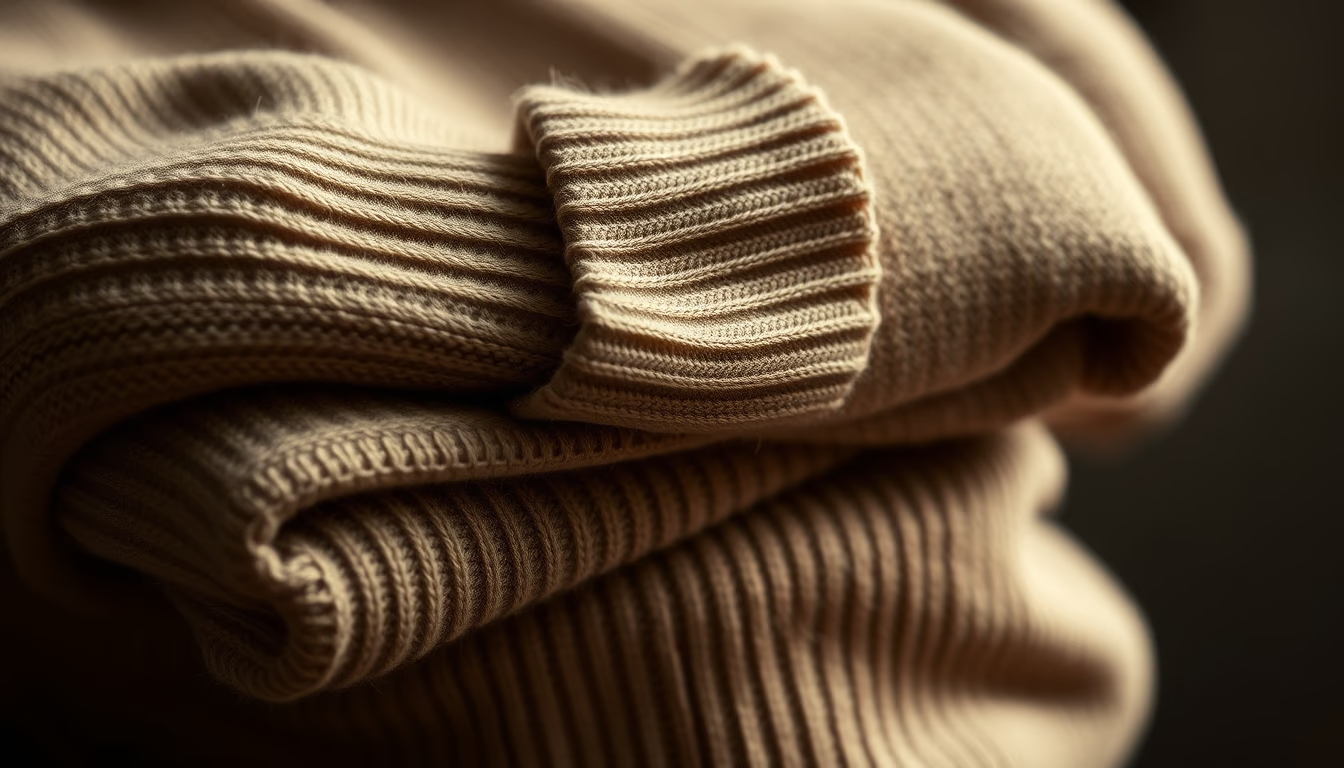
Cashmere sweater folded
1344×768 · AVIF · CC BY 4.0
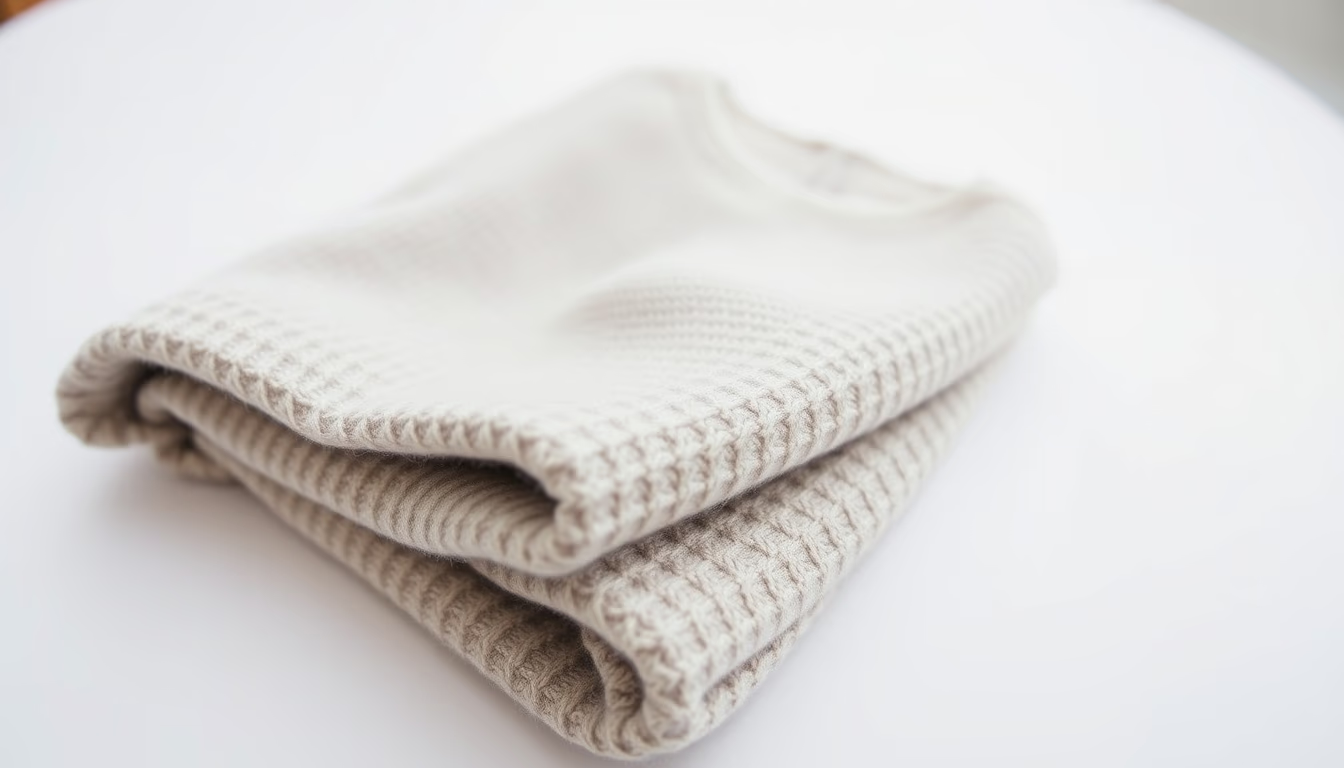
Cashmere is a luxury fiber obtained from the cashmere goat, prized for its softness and exceptional thermal insulation, used in high-end garments.
About this subject
Cashmere is a natural fiber obtained from the soft undercoat of the cashmere goat (Capra hircus laniger), mainly found in the mountainous regions of Central Asia, such as Mongolia, China, Iran, and Afghanistan. Annual cashmere production is limited: each goat produces only about 150 grams of fine undercoat per year, justifying its high cost. The fibers have a diameter of 14 to 19 microns, much finer than common wool, providing lightness and a velvety touch.
The extraction of cashmere occurs during the animal's natural molting period, usually in spring. The hair is combed or sheared and then undergoes cleaning, sorting, and spinning processes. Unlike other fibers, cashmere is not dyed with harsh chemicals to preserve its texture. Inner Mongolia in China accounts for over 60% of global production, followed by Iran and Afghanistan. Mongolian cashmere is considered top quality due to the extreme climate that stimulates the growth of finer undercoats.
A well-maintained cashmere garment can last decades. It is recommended to hand wash in cold water with mild detergent, dry flat away from sunlight, and store in cloth bags to prevent moths. Cashmere is biodegradable and sustainable when produced responsibly, but overgrazing can degrade pastures in Asia. Initiatives like the Good Cashmere Standard now certify ethical and environmental practices.
Interesting fact: the name "cashmere" derives from Kashmir, a disputed region between India and Pakistan, where fiber production has a millennia-old tradition. Cashmere sweaters became a symbol of timeless elegance in Western wardrobes since the 19th century, when introduced by European nobility.
Frequently Asked Questions
What makes cashmere different from regular wool?
Cashmere is finer, lighter, and softer than regular wool, and often non-itchy. Its fibers are 14, 19 microns in diameter, while wool is 25, 30 microns, providing better insulation with less weight.
How should I wash cashmere garments?
Hand wash in cold water with a mild wool detergent. Do not wring; gently squeeze out water. Dry flat on a towel away from sunlight and heat. Avoid frequent washing to preserve fibers.
Is cashmere sustainable?
Cashmere is biodegradable and renewable, but large-scale production can cause grassland degradation in Asia. Choosing certified sustainable cashmere (e.g., Good Cashmere Standard) or buying from brands with ethical practices helps reduce environmental impact.
Direct URL
https://pub-c7d6a6ea828543ac903a74a341ccb2e1.r2.dev/imagens/cashmere-sweater-folded-fish-eye-wide-angle-fresh8.avifHow to credit
Include a visible link back to UtilizAí. Copy one of the snippets below:
<a href="https://xn--utiliza-eza.com/en/midia/imagens/cashmere-sweater-folded-fish-eye-wide-angle-fresh8">Cashmere sweater folded</a> by <a href="https://xn--utiliza-eza.com">UtilizAí</a>, licensed under <a href="https://creativecommons.org/licenses/by/4.0/">CC BY 4.0</a>.
[Cashmere sweater folded](https://xn--utiliza-eza.com/en/midia/imagens/cashmere-sweater-folded-fish-eye-wide-angle-fresh8) by [UtilizAí](https://xn--utiliza-eza.com), CC BY 4.0
License: CC-BY-4.0