Caribbean turquoise water bird eye
1344×768 · AVIF · CC BY 4.0
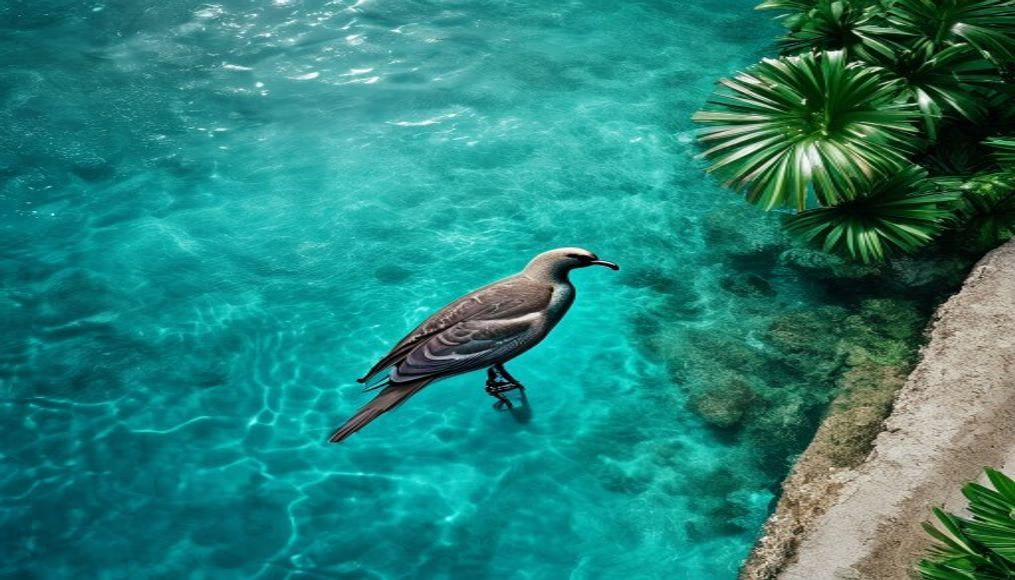
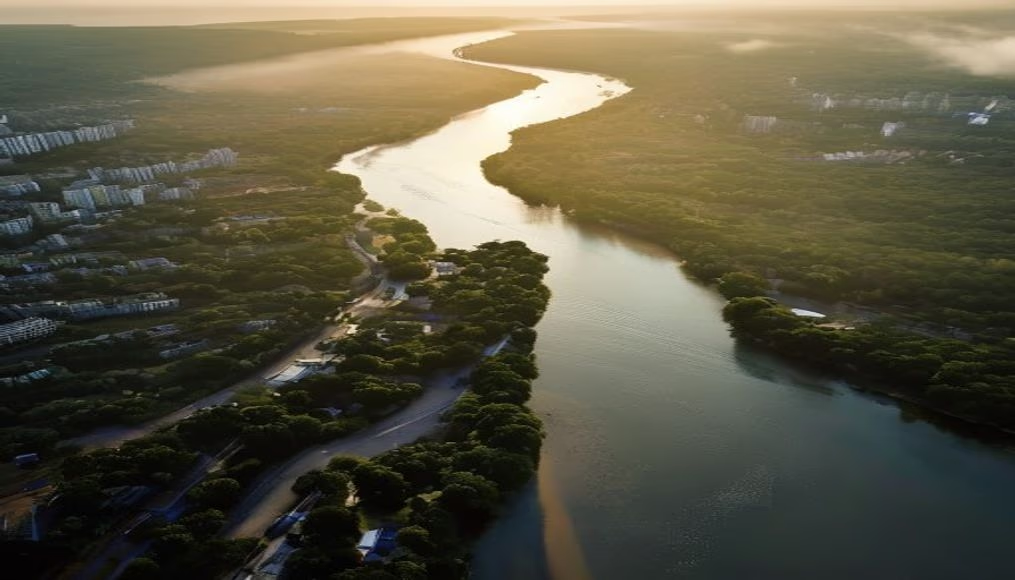
Bird's eye view of Caribbean turquoise waters: a unique angle revealing the region's natural beauty and biodiversity.
About this subject
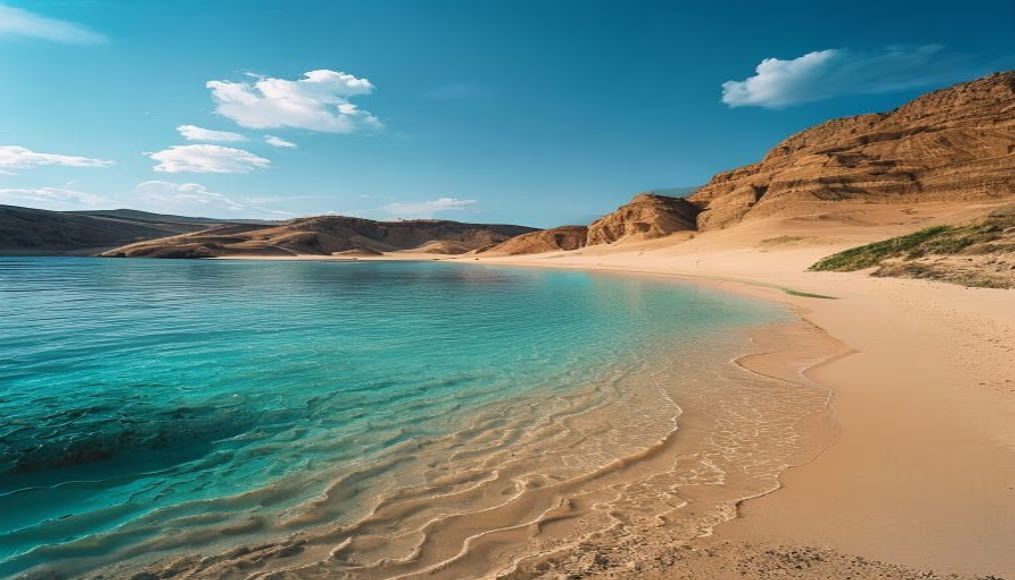
The turquoise waters of the Caribbean are famous for their intense coloration, resulting from a combination of white sandy bottoms, shallow depth, and high concentration of dissolved calcium carbonate. This distinctive hue attracts millions of tourists annually to destinations such as the Bahamas, Turks and Caicos, and the San Blas Archipelago in Panama. The region hosts rich marine life, including coral reefs that form the second largest barrier system in the world, the Great Maya Reef, stretching over a thousand kilometers along the coasts of Belize, Guatemala, and Honduras.
The bird's-eye perspective, or aerial view, is often used in photography to highlight natural patterns, such as wave formations, sandbanks, and the interaction between sunlight and water. This technique gained popularity with the advent of drones, enabling recordings previously restricted to aircraft. In the Caribbean, aerial images are used to monitor coral health, map coastal zones, and promote ecotourism.
Caribbean marine biodiversity includes emblematic species such as the parrotfish, which contributes to white sand production by grinding algae and corals, and green sea turtles, which feed on seagrass in shallow bottoms. The region is also a migration route for seabirds like frigatebirds and pelicans, which use the islands as resting points. Preserving these ecosystems is crucial to maintaining ecological balance and the local economy, which heavily depends on tourism.
Interestingly, the turquoise color of the water can vary by season and sediment presence. During hurricane season, from June to November, wave motion can suspend particles, making the water greener. In the dry months, from December to May, transparency peaks, providing visibility of up to 30 meters for divers.
Frequently Asked Questions
Why are Caribbean waters so turquoise?
The turquoise color results from a combination of white sandy bottoms, shallow depth, and high calcium carbonate concentration, which intensely reflect sunlight.
What is the importance of coral reefs in the Caribbean?
Coral reefs harbor immense biodiversity, protect coastlines from erosion, and support the local economy through tourism and fishing.
How does aerial photography help marine conservation?
Aerial images allow monitoring of coral health, mapping of coastal areas, and detection of environmental changes, aiding conservation decisions.
Direct URL
https://pub-c7d6a6ea828543ac903a74a341ccb2e1.r2.dev/imagens/caribbean-turquoise-water-bird-eye-commercial-product-photography-v9.avifHow to credit
Include a visible link back to UtilizAí. Copy one of the snippets below:
<a href="https://xn--utiliza-eza.com/en/midia/imagens/caribbean-turquoise-water-bird-eye-commercial-product-photography-v9">Caribbean turquoise water bird eye</a> by <a href="https://xn--utiliza-eza.com">UtilizAí</a>, licensed under <a href="https://creativecommons.org/licenses/by/4.0/">CC BY 4.0</a>.
[Caribbean turquoise water bird eye](https://xn--utiliza-eza.com/en/midia/imagens/caribbean-turquoise-water-bird-eye-commercial-product-photography-v9) by [UtilizAí](https://xn--utiliza-eza.com), CC BY 4.0
License: CC-BY-4.0