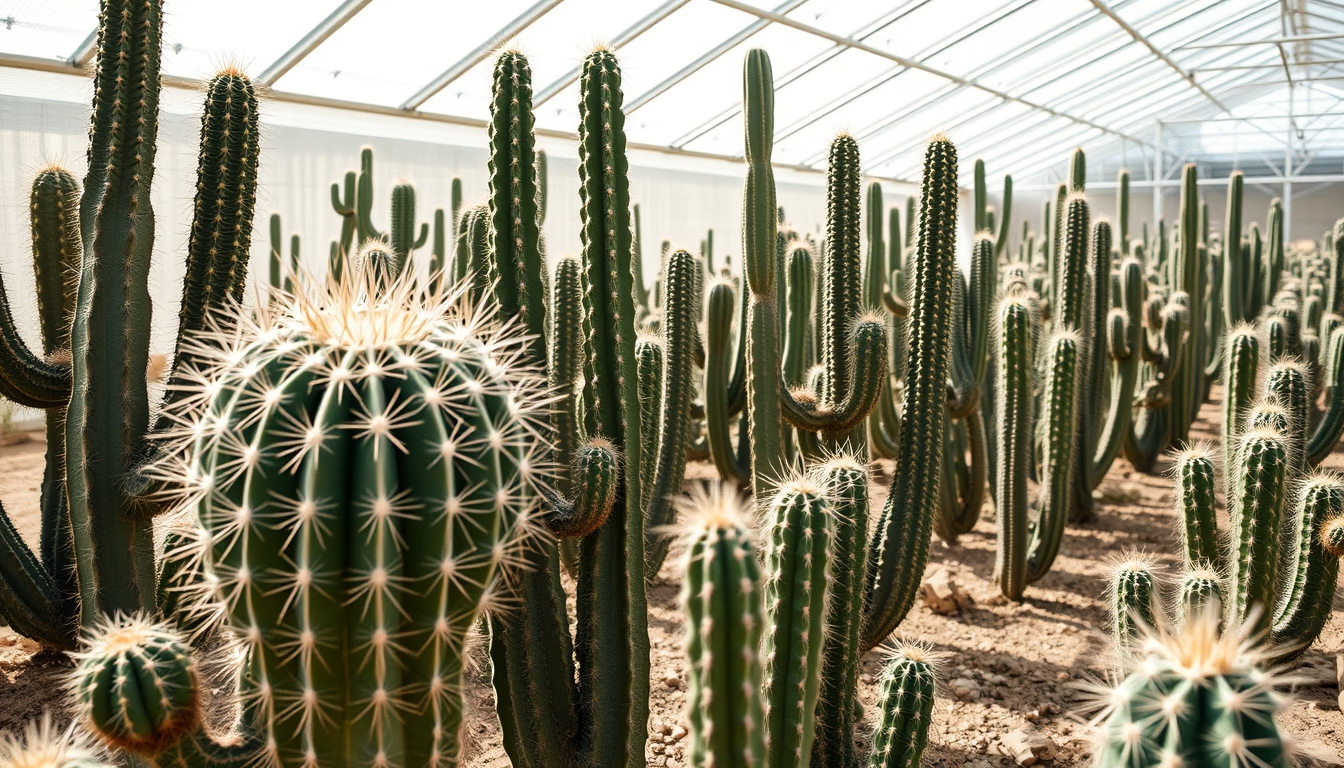
Cactus greenhouse desert
1344×768 · AVIF · CC BY 4.0
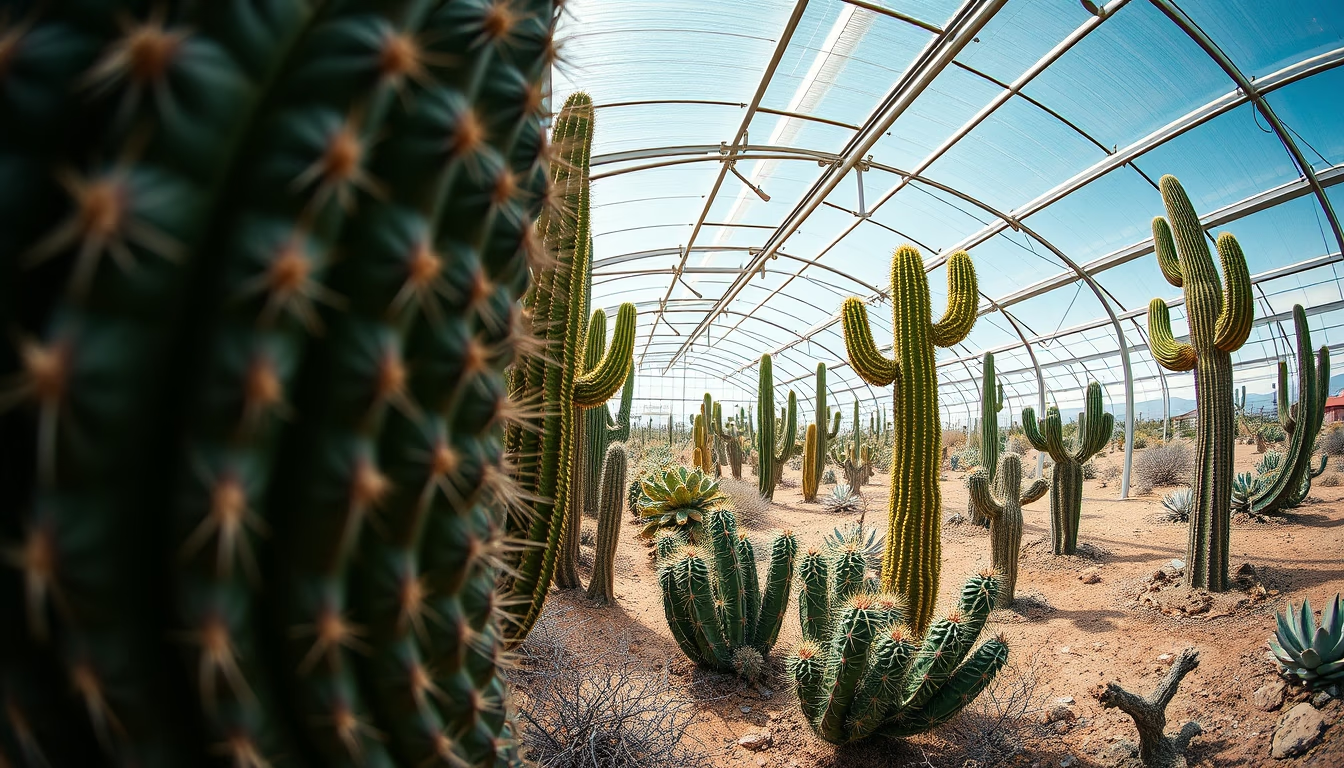
Cactus greenhouses in desert areas combine horticultural techniques with the cultivation of plants adapted to arid climates, revealing a universe of shapes and resilience.
About this subject
Cacti are succulent plants from the Cactaceae family, native mainly to the Americas. Their ability to store water in specialized tissues makes them ideal for arid regions. In desert greenhouses, the controlled environment allows replication of extreme temperature and light conditions, favoring the growth of species such as Saguaro (Carnegiea gigantea) and Mandacaru (Cereus jamacaru). These structures use drip irrigation systems and adjustable shading to avoid water stress or sunburn.
Cactus horticulture in greenhouses is not limited to preservation; it is also a field of research for genetic improvement and propagation. Many threatened species, such as the Star Cactus (Astrophytum asterias), are cultivated in greenhouses for reintroduction into the wild. Additionally, desert greenhouses serve as tourist and educational attractions, showcasing biodiversity from biomes like the Brazilian Caatinga or the Sonoran Desert.
Interestingly, fish-eye wide-angle photography is used to capture the vastness of these environments, distorting perspectives and emphasizing plant density. This visual effect highlights the natural geometry of cacti, creating images that seem from another planet. In Brazil, the cactus greenhouse at the Rio de Janeiro Botanical Garden is an example of how these spaces integrate science and leisure.
Frequently Asked Questions
What are the main care tips for growing cacti in greenhouses?
Cacti require well-drained substrate, controlled watering (avoiding waterlogging), and high light exposure. In greenhouses, it’s common to use pots with sand and perlite, along with ventilation to prevent fungi.
Why do some cactus greenhouses use fish-eye lenses in photography?
The fish-eye lens captures an extremely wide field of view (up to 180°), distorting straight lines and emphasizing plant abundance. This creates immersive images that highlight the diversity and geometric structure of cacti.
Do cacti grown in desert greenhouses help with species conservation?
Yes. Many species threatened by poaching or habitat loss are propagated in greenhouses for reintroduction. Example: the Star Cactus (Astrophytum asterias) is cultivated in greenhouses to prevent its extinction.
Direct URL
https://pub-c7d6a6ea828543ac903a74a341ccb2e1.r2.dev/imagens/cactus-greenhouse-desert-fish-eye-wide-angle-fresh10.avifHow to credit
Include a visible link back to UtilizAí. Copy one of the snippets below:
<a href="https://xn--utiliza-eza.com/en/midia/imagens/cactus-greenhouse-desert-fish-eye-wide-angle-fresh10">Cactus greenhouse desert</a> by <a href="https://xn--utiliza-eza.com">UtilizAí</a>, licensed under <a href="https://creativecommons.org/licenses/by/4.0/">CC BY 4.0</a>.
[Cactus greenhouse desert](https://xn--utiliza-eza.com/en/midia/imagens/cactus-greenhouse-desert-fish-eye-wide-angle-fresh10) by [UtilizAí](https://xn--utiliza-eza.com), CC BY 4.0
License: CC-BY-4.0