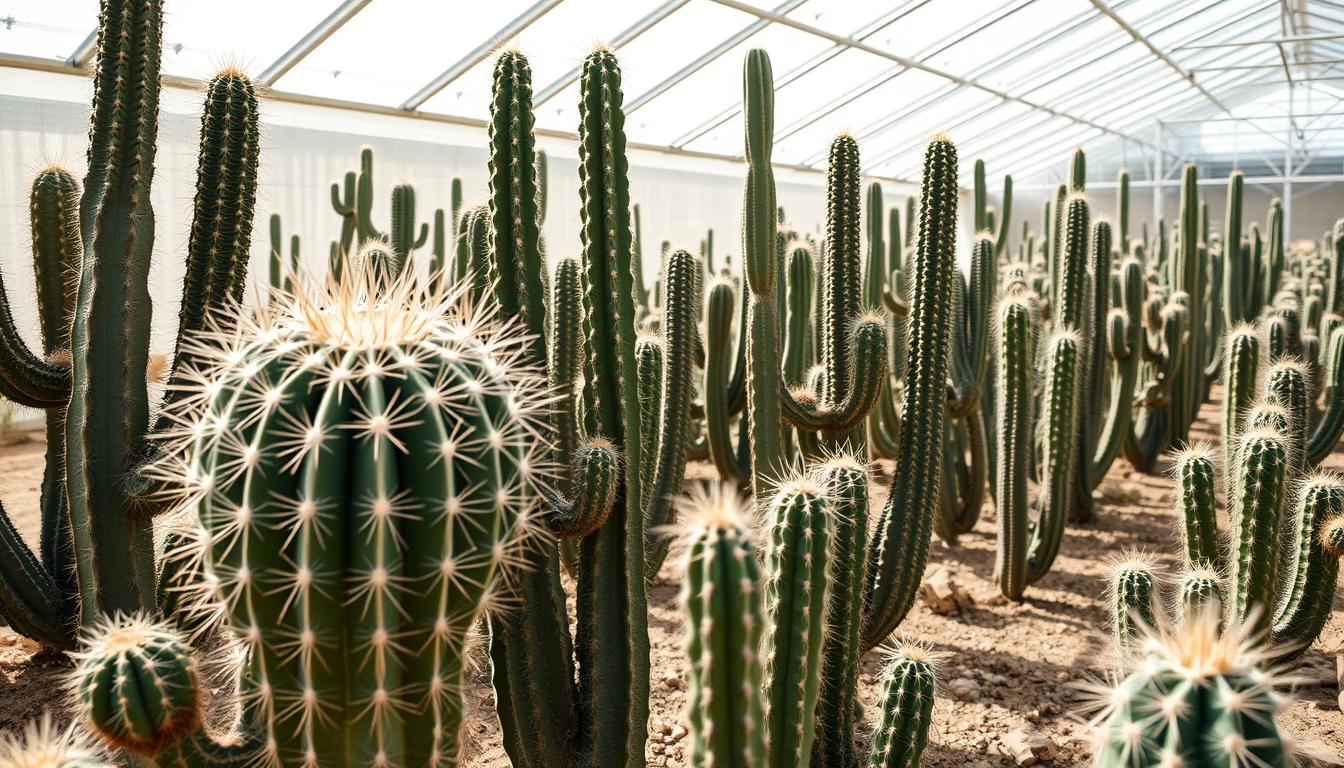
Cactus greenhouse desert
1344×768 · AVIF · CC BY 4.0
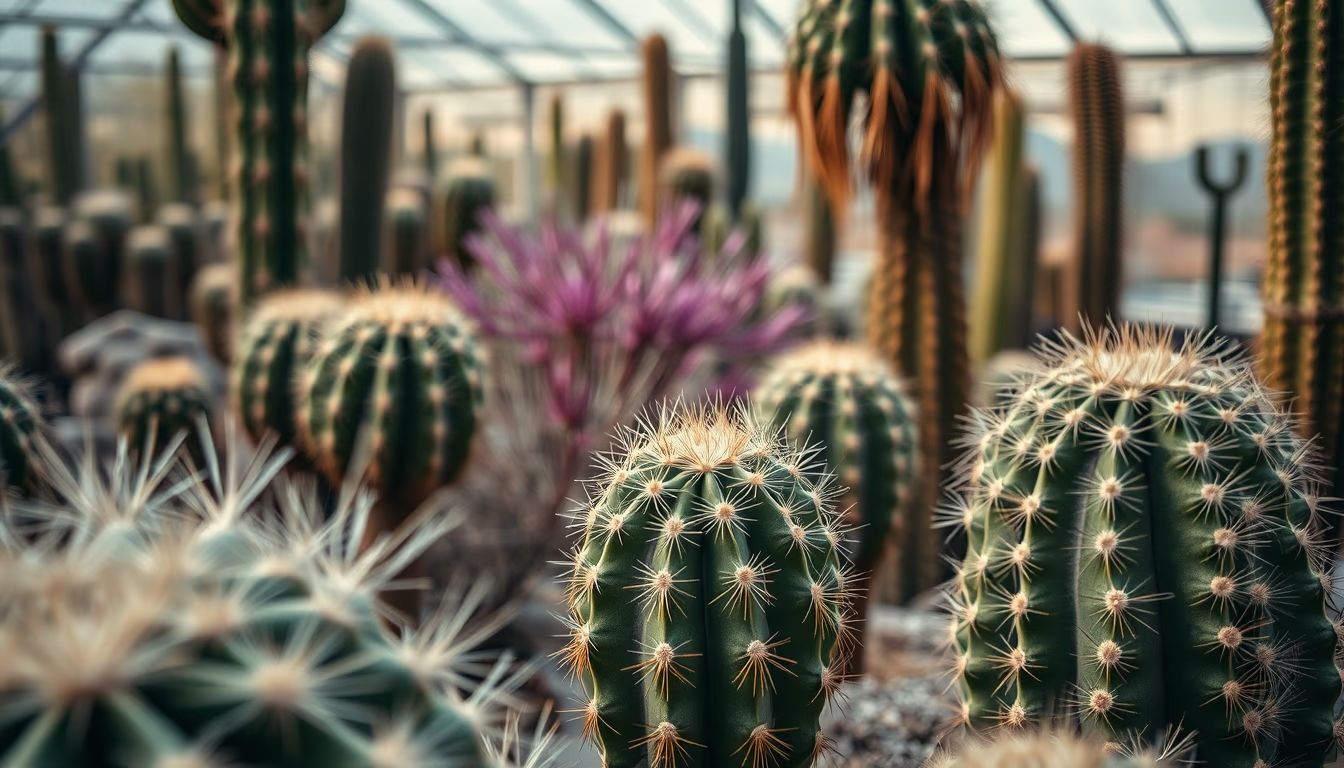
Cactus greenhouses in deserts combine controlled cultivation technology with succulent resilience, producing ornamental plants and foods like the prickly pear cactus.
About this subject
Cactus greenhouses in desert regions are specialized structures that replicate or optimize natural arid conditions. They allow cultivation of cactus species requiring high temperatures, low humidity, and intense light, while protecting plants from nighttime frost or sandstorms. In Arizona (USA) and Sonora (Mexico), these greenhouses are common for commercial production of ornamental cacti and the prickly pear cactus (Opuntia ficus-indica), used for human and animal food.
Technology includes drip irrigation systems with water recycling, retractable shade screens, and temperature sensors. Many desert greenhouses use solar power to run fans and pumps, becoming self-sustainable. Protected cultivation reduces pesticide use since the controlled environment hinders pests. Moreover, greenhouse production allows year-round harvests, whereas native desert cacti have rigid seasonal cycles.
Cacti hold cultural and economic importance in various regions. In Mexico, nopal is a national symbol and culinary staple. In Brazil, spineless cactus (palma forrageira) is vital for livestock in the semi-arid Northeast. Desert greenhouses can help expand these crops to non-native areas such as Australia or the Middle East, where climate is similar but cactus biodiversity is limited. Research in genetic improvement within greenhouses also seeks varieties more resistant to diseases and with higher nutritional content.
Interestingly, greenhouse cactus production can have positive environmental impact: it sequesters carbon (cacti fix CO₂ via CAM metabolism) and uses little water compared to traditional crops. Some desert greenhouses also serve as environmental education centers, showing how technology can coexist with fragile ecosystems.
Frequently Asked Questions
What sets a cactus greenhouse apart from a regular greenhouse?
Cactus greenhouses are designed to replicate desert conditions: high light, low humidity, and high temperatures. They have adjustable shade screens and ventilation systems to avoid heat buildup. Unlike tropical plant greenhouses, they do not use constant misting.
Which cacti are most commonly grown in desert greenhouses?
The most common are the prickly pear cactus (Opuntia ficus-indica), which produces fruit and fodder, and ornamental cacti like Echinocactus grusonii (golden barrel) and Ferocactus. Rare species are also cultivated for conservation and exotic plant trade.
Is greenhouse cactus production sustainable in the desert?
Yes, because it uses little water (drip irrigation) and solar energy, and cacti sequester carbon. However, it requires investment in infrastructure and careful management to avoid overuse of underground water resources.
Direct URL
https://pub-c7d6a6ea828543ac903a74a341ccb2e1.r2.dev/imagens/cactus-greenhouse-desert-documentary-nature-style-fresh2.avifHow to credit
Include a visible link back to UtilizAí. Copy one of the snippets below:
<a href="https://xn--utiliza-eza.com/en/midia/imagens/cactus-greenhouse-desert-documentary-nature-style-fresh2">Cactus greenhouse desert</a> by <a href="https://xn--utiliza-eza.com">UtilizAí</a>, licensed under <a href="https://creativecommons.org/licenses/by/4.0/">CC BY 4.0</a>.
[Cactus greenhouse desert](https://xn--utiliza-eza.com/en/midia/imagens/cactus-greenhouse-desert-documentary-nature-style-fresh2) by [UtilizAí](https://xn--utiliza-eza.com), CC BY 4.0
License: CC-BY-4.0