Cabana beach overwater
1344×768 · AVIF · CC BY 4.0
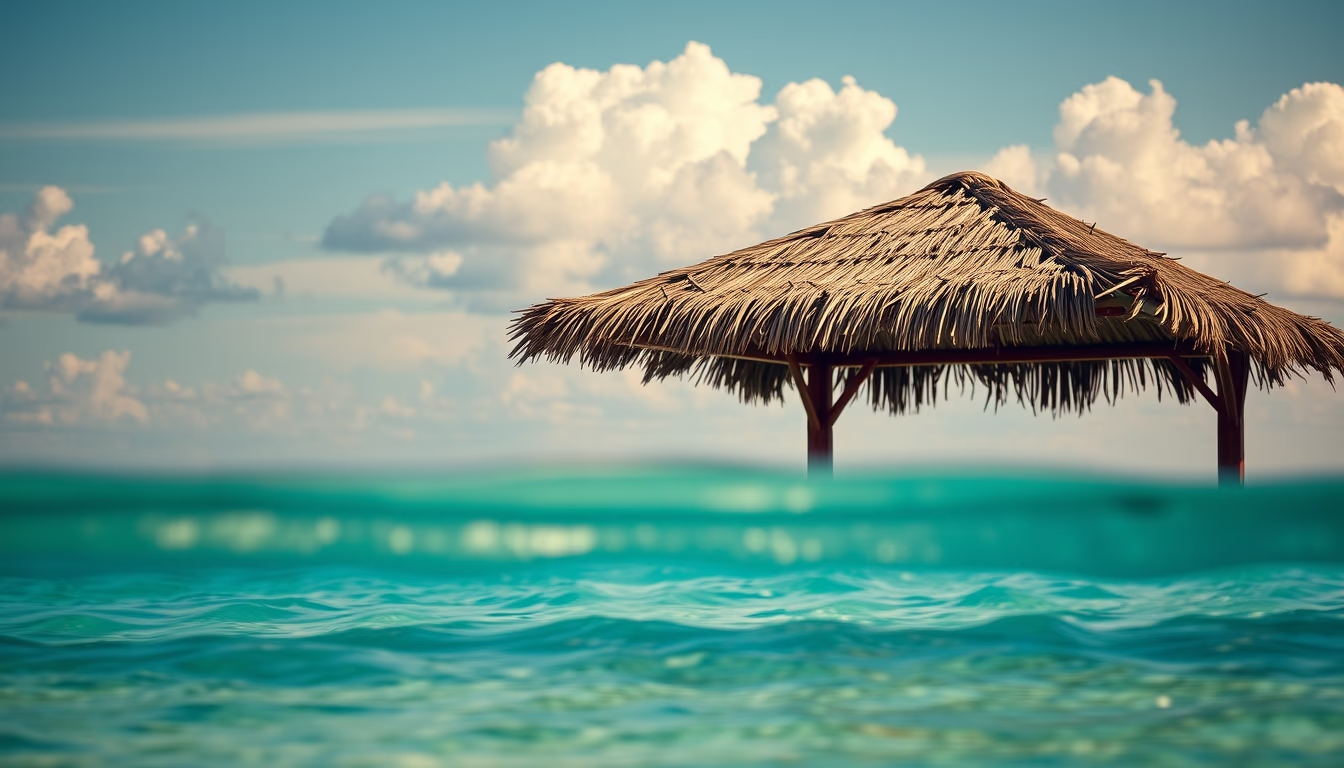
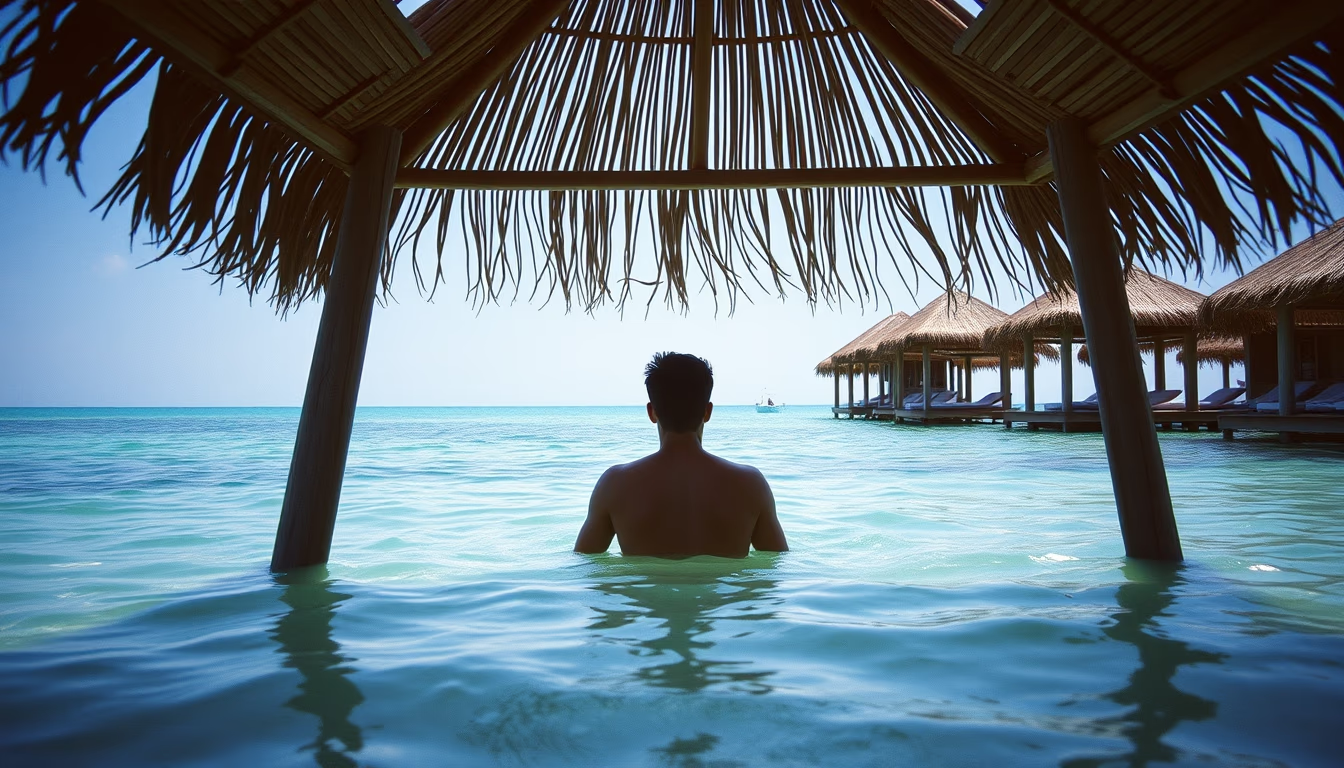
Overwater bungalows epitomize tropical luxury, offering direct ocean access from secluded thatched-roof decks in Maldives and Tahiti.
About this subject
Overwater bungalows, or overwater villas, originated in the 1960s in Tahiti, when three American hoteliers built the first units at the Hotel Bali Hai on Raiatea Island. The concept was to give guests an immersive oceanic experience with panoramic views and direct lagoon access. The idea quickly spread to the Maldives, Fiji, and Indonesia, becoming a hallmark of luxury tropical resorts.
Construction requires marine-adapted engineering. Foundations are typically concrete piles or treated hardwood driven into the seabed, while thatched roofs provide insulation and a rustic aesthetic. Many bungalows feature glass floors for observing marine life such as rays and tropical fish. Constant maintenance is needed due to salt corrosion and wave action.
Environmentally, the impact is debated. Responsible resorts adopt mitigation measures such as artificial reefs and water quality monitoring. The Maldives, for example, bans bungalows within 30 meters of shore to protect coral reefs. Despite concerns, sustainable tourism has promoted eco-friendly materials and waste treatment systems.
Culturally, overwater bungalows epitomize images of secluded paradise and romantic escapes. They frequently appear in films, TV shows, and travel ads. Nightly rates can exceed US$1,000 in high season, but the experience includes snorkeling, private dinners, and overwater spa treatments.
Frequently Asked Questions
What was the world's first overwater bungalow?
The first overwater bungalow was built in 1962 at the Hotel Bali Hai on Raiatea Island, Tahiti, by three American entrepreneurs.
How are overwater bungalows constructed?
They are built on concrete or hardwood piles driven into the seabed, with thatched roofs and often glass floors to view marine life.
Do overwater bungalows harm the environment?
They can cause impacts like coral shading and pollution, but sustainable resorts use artificial reefs and wastewater treatment to mitigate damage.
Direct URL
https://pub-c7d6a6ea828543ac903a74a341ccb2e1.r2.dev/imagens/cabana-beach-overwater-rembrandt-lighting-dramatic-shadows-fresh4.avifHow to credit
Include a visible link back to UtilizAí. Copy one of the snippets below:
<a href="https://xn--utiliza-eza.com/en/midia/imagens/cabana-beach-overwater-rembrandt-lighting-dramatic-shadows-fresh4">Cabana beach overwater</a> by <a href="https://xn--utiliza-eza.com">UtilizAí</a>, licensed under <a href="https://creativecommons.org/licenses/by/4.0/">CC BY 4.0</a>.
[Cabana beach overwater](https://xn--utiliza-eza.com/en/midia/imagens/cabana-beach-overwater-rembrandt-lighting-dramatic-shadows-fresh4) by [UtilizAí](https://xn--utiliza-eza.com), CC BY 4.0
License: CC-BY-4.0