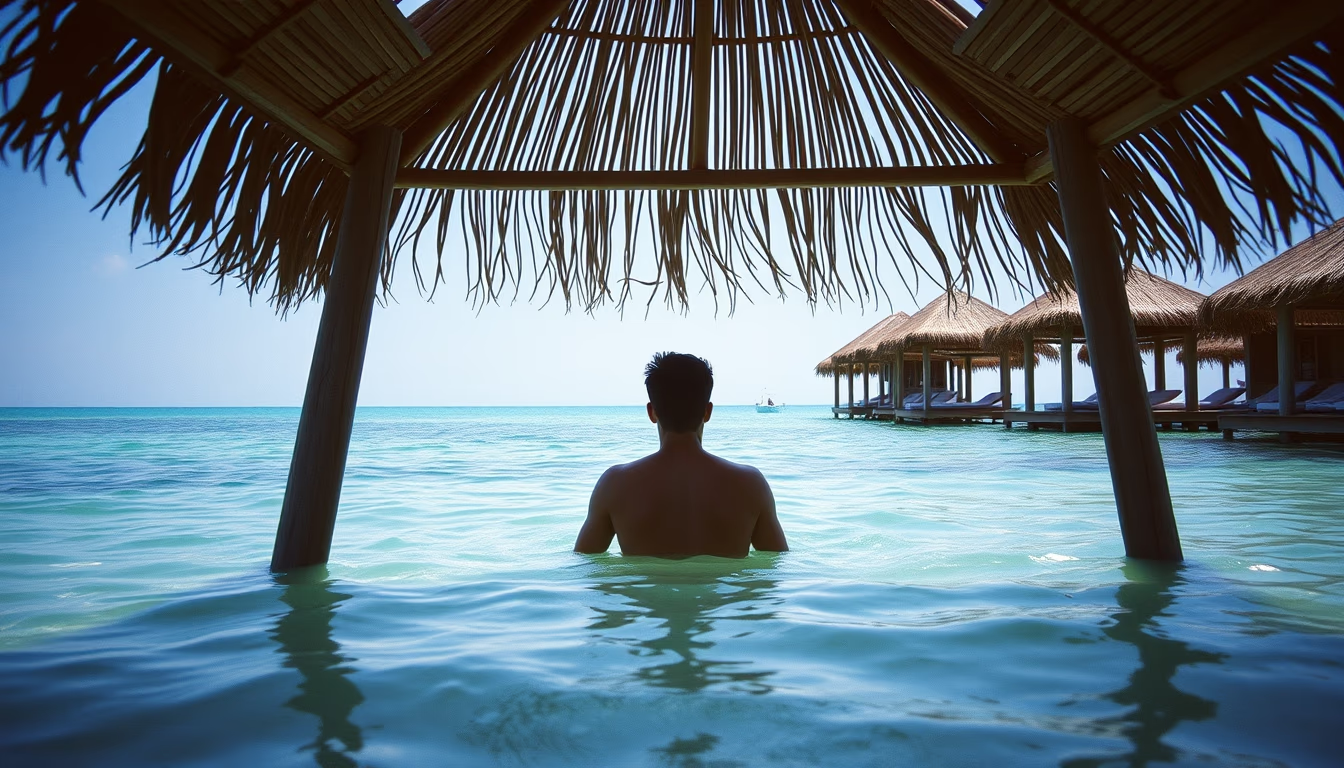
Cabana beach overwater
1344×768 · AVIF · CC BY 4.0
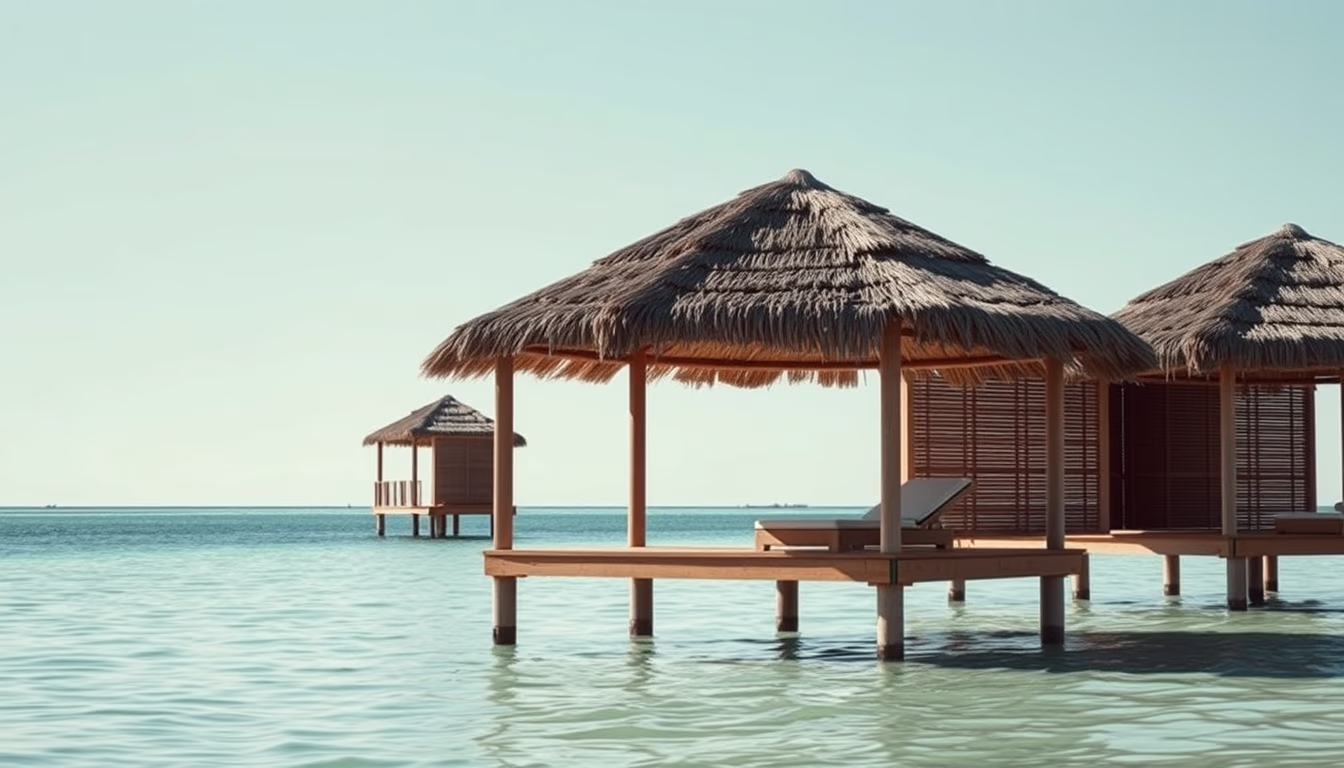
Overwater cabanas symbolize luxury in tropical destinations, offering private retreats amidst the sea.
About this subject
Overwater bungalows gained global fame after the Soneva Fushi resort in the Maldives introduced them in the 1990s. These structures combine treated wood, thatch, and tempered glass to withstand salt spray and humidity, with foundations embedded in the seabed. In Brazil, though less common due to strict environmental laws, some inns in the Northeast, such as in Praia do Forte (BA) and Fernando de Noronha (PE), have adapted the concept with floating platforms in protected reef areas.
Construction of overwater cabanas requires rigorous ecological care. Environmental impact studies assess currents, coral habitat, and sea turtle presence. Sustainable materials like certified wood and solar panels reduce the ecological footprint. In high-end resorts, each cabana typically offers direct sea access, a private deck, and even glass floors for observing marine life.
Culturally, overwater bungalows echo the traditional stilt houses of Southeast Asia, such as those of the Bajau people in the Philippines and the structures on Cambodia's Tonle Sap Lake. However, the modern concept was popularized by luxury tourism, becoming an icon of privacy and romance. In French Polynesia, the Hotel Bora Bora opened the first overwater bungalow in 1967, inspiring resorts worldwide.
Today, the model faces criticism from environmental movements regarding interference in coastal ecosystems. In response, operators invest in sewage treatment systems and coral restoration. For travelers, the experience combines the sound of the sea, panoramic views, and instant access to snorkeling, solidifying it as one of the most desired accommodations on the planet.
Frequently Asked Questions
Where did the first overwater cabanas appear?
The first modern overwater bungalow was built at the Hotel Bora Bora in French Polynesia in 1967. The concept quickly spread to destinations like the Maldives and Fiji.
What are the environmental impacts of these structures?
They can affect coral reefs and marine life. Resorts mitigate this with foundations that don't block currents, wastewater treatment systems, and coral restoration programs.
Are there overwater cabanas in Brazil?
Yes, but they are rare due to environmental laws. Examples include Vila Kalango (CE) and inns in Fernando de Noronha (PE) that use floating platforms in protected reef areas.
Direct URL
https://pub-c7d6a6ea828543ac903a74a341ccb2e1.r2.dev/imagens/cabana-beach-overwater-minimalist-composition-fresh10.avifHow to credit
Include a visible link back to UtilizAí. Copy one of the snippets below:
<a href="https://xn--utiliza-eza.com/en/midia/imagens/cabana-beach-overwater-minimalist-composition-fresh10">Cabana beach overwater</a> by <a href="https://xn--utiliza-eza.com">UtilizAí</a>, licensed under <a href="https://creativecommons.org/licenses/by/4.0/">CC BY 4.0</a>.
[Cabana beach overwater](https://xn--utiliza-eza.com/en/midia/imagens/cabana-beach-overwater-minimalist-composition-fresh10) by [UtilizAí](https://xn--utiliza-eza.com), CC BY 4.0
License: CC-BY-4.0