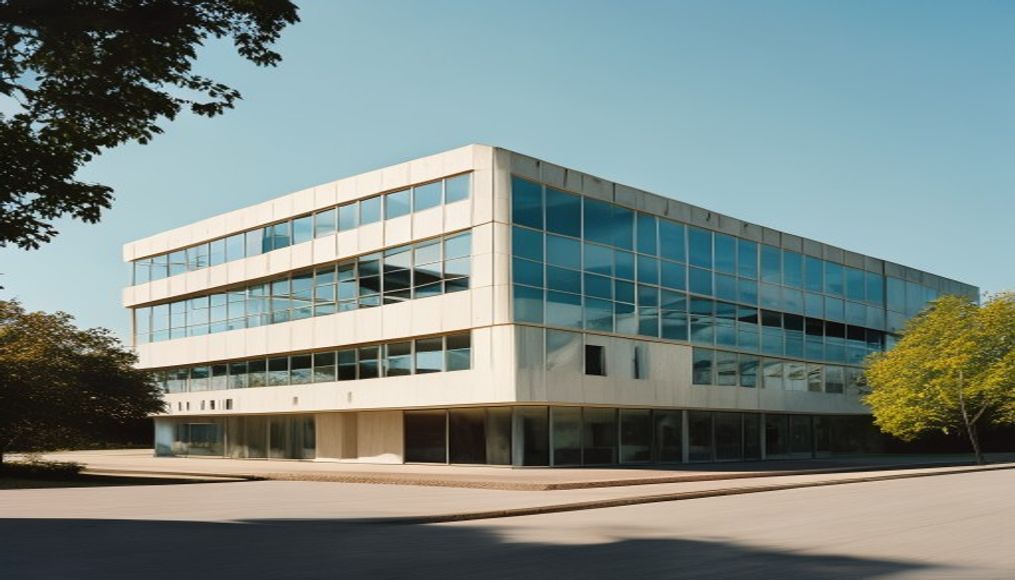
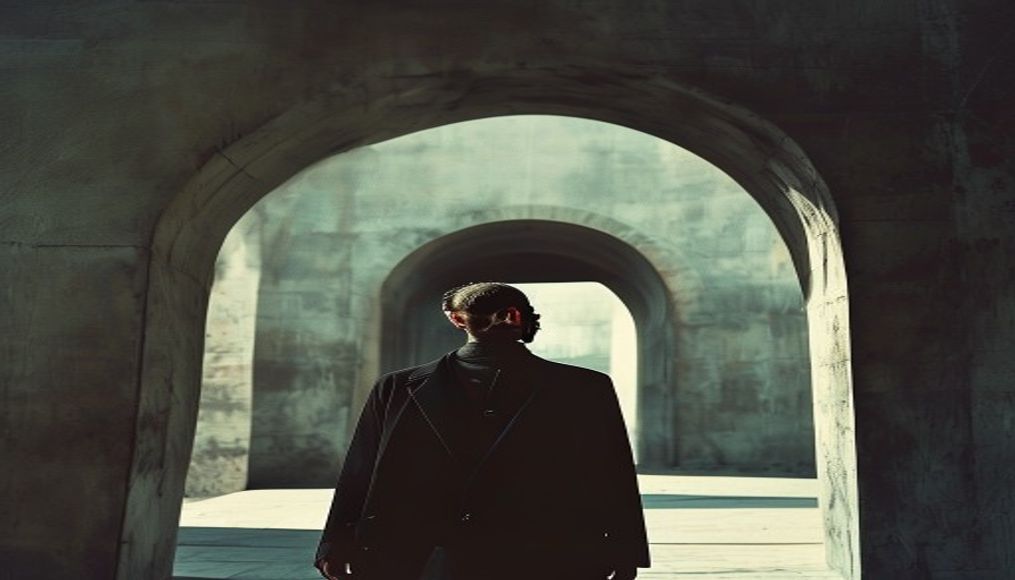
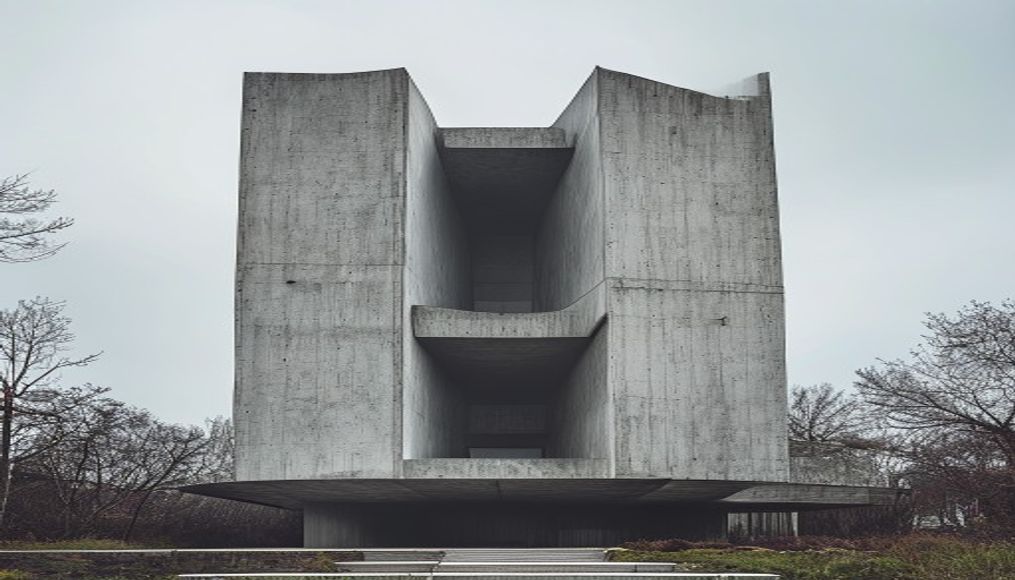
Brutalist concrete monument
1344×768 · AVIF · CC BY 4.0
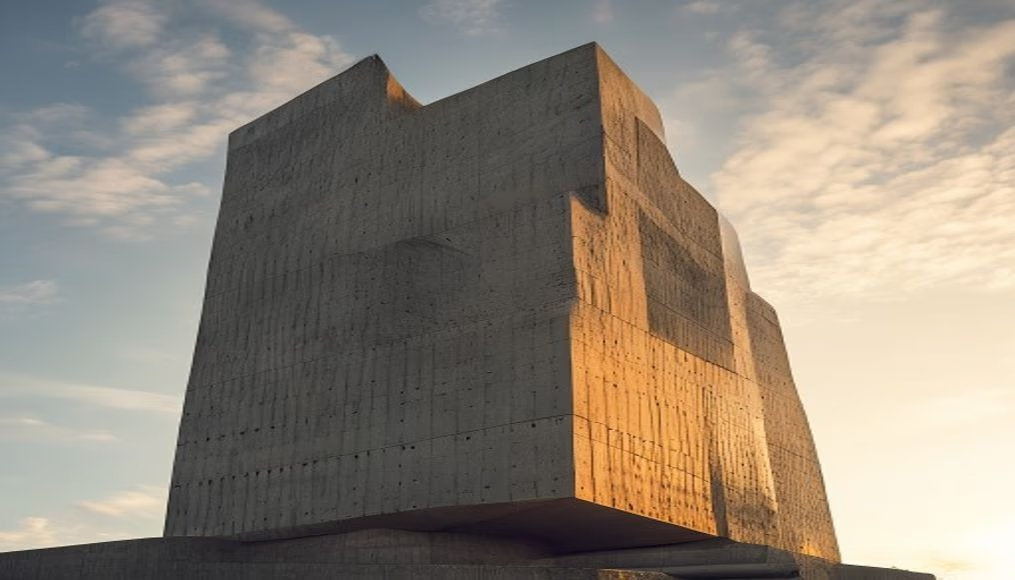
Brutalist concrete monuments define 20th-century architecture with bold geometric forms and raw materials.
About this subject
Brutalism was an architectural movement that flourished from the 1950s to the 1970s, characterized by the expressive use of raw reinforced concrete, angular forms, and monumental scale. The term derives from the French béton brut (raw concrete), popularized by Le Corbusier in his post-war works, such as the Unité d'Habitation in Marseille. The brutalist aesthetic values material honesty, leaving visible formwork marks and textures, and often incorporates modular repetition and massive volumes.
In the context of monuments, brutalism was adopted for civic buildings, universities, cultural centers, and memorials. Notable examples include the National Parliament Building in Dhaka, Bangladesh (Louis Kahn), the Centre Pompidou in Paris (Renzo Piano and Richard Rogers), though with high-tech influences, and the Brasília Cathedral (Oscar Niemeyer), which, despite Niemeyer not being strictly a brutalist, dialogues with the aesthetic. In Brazil, brutalism strongly appears in works by Paulo Mendes da Rocha and Lina Bo Bardi, such as the São Paulo Museum of Art (MASP), with its iconic free span and exposed concrete.
The movement faced criticism for its austere and sometimes hostile appearance, associated with degraded urban environments. However, since the 2000s, brutalism has experienced a revival of interest, especially among younger architects and enthusiasts who appreciate its structural honesty and photogenic quality. Brutalist monuments have become recurring subjects in travel photography, documenting an era of optimism and architectural experimentation. Preservation of these structures is an ongoing debate, with many threatened by demolition or alteration.
Frequently Asked Questions
What defines brutalist architecture?
Brutalist architecture is defined by the prominent use of exposed concrete, bold geometric forms, monumental scale, and the frank expression of materials. The movement prioritizes functionality and structural honesty.
Why is the style called 'brutalist'?
The term comes from the French béton brut, meaning 'raw concrete', used by Le Corbusier. The word 'brutal' also evokes the rough, unfinished appearance, but it does not refer to violence.
What are the most famous examples of brutalist monuments?
Famous examples include the National Parliament Building in Dhaka (Bangladesh), MASP in São Paulo (Brazil), the Centre Pompidou in Paris (France), and the Unité d'Habitation in Marseille (France).
Direct URL
https://pub-c7d6a6ea828543ac903a74a341ccb2e1.r2.dev/imagens/brutalist-concrete-monument-travel-photography-p1.avifHow to credit
Include a visible link back to UtilizAí. Copy one of the snippets below:
<a href="https://xn--utiliza-eza.com/en/midia/imagens/brutalist-concrete-monument-travel-photography-p1">Brutalist concrete monument</a> by <a href="https://xn--utiliza-eza.com">UtilizAí</a>, licensed under <a href="https://creativecommons.org/licenses/by/4.0/">CC BY 4.0</a>.
[Brutalist concrete monument](https://xn--utiliza-eza.com/en/midia/imagens/brutalist-concrete-monument-travel-photography-p1) by [UtilizAí](https://xn--utiliza-eza.com), CC BY 4.0
License: CC-BY-4.0