Bronze foundry pour
1344×768 · AVIF · CC BY 4.0

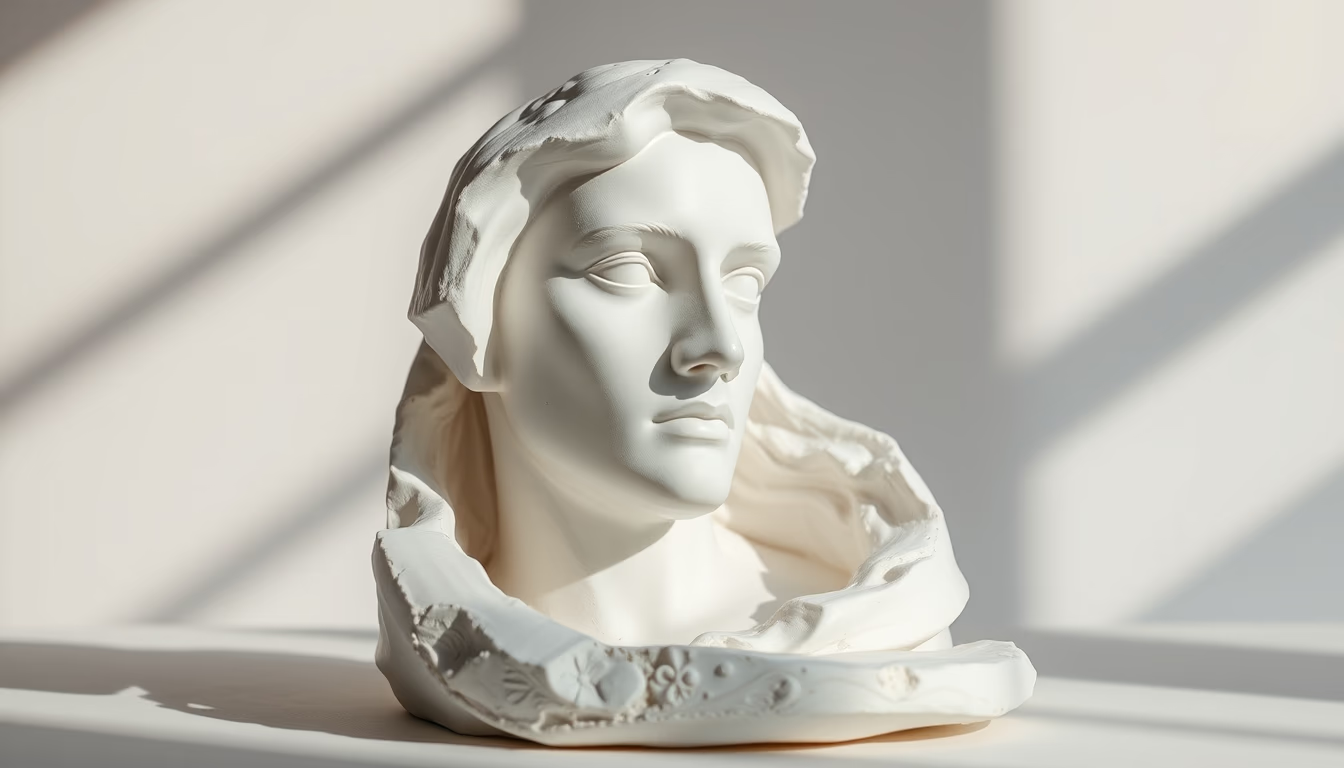
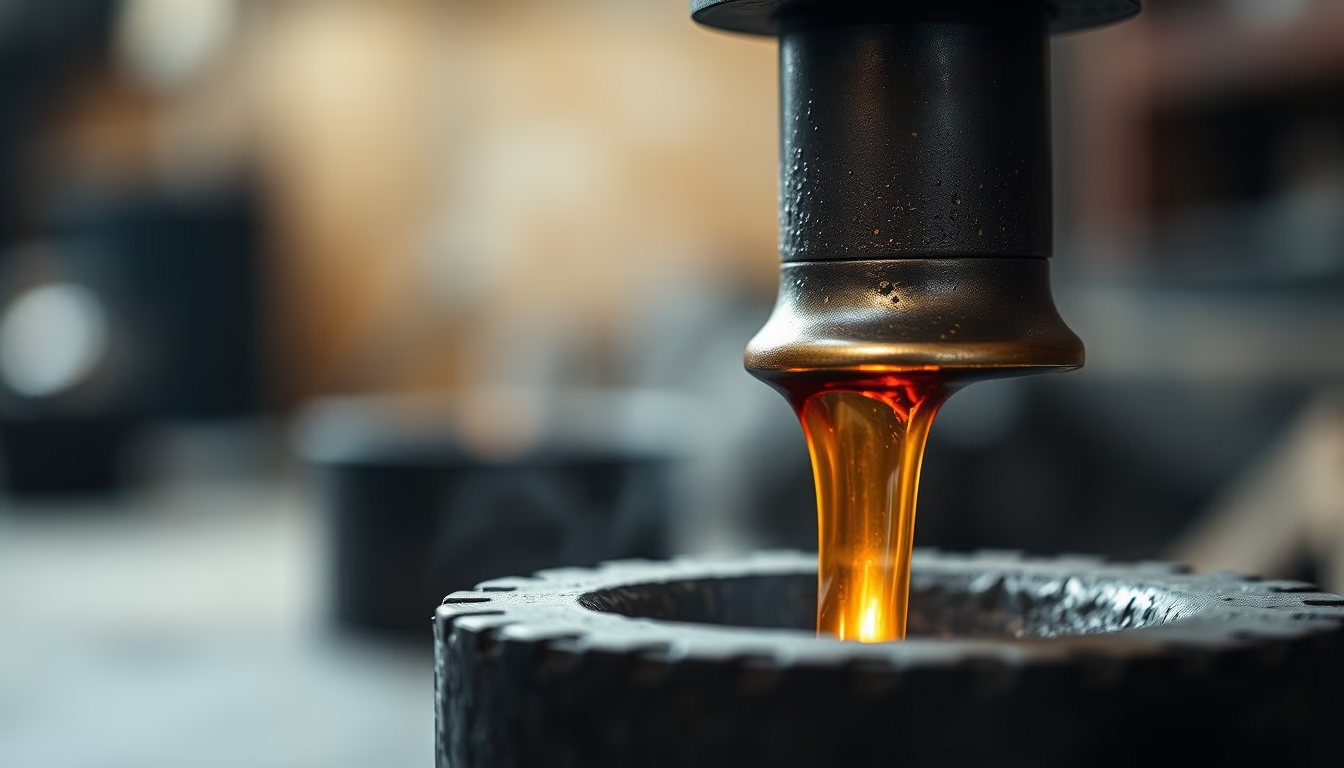
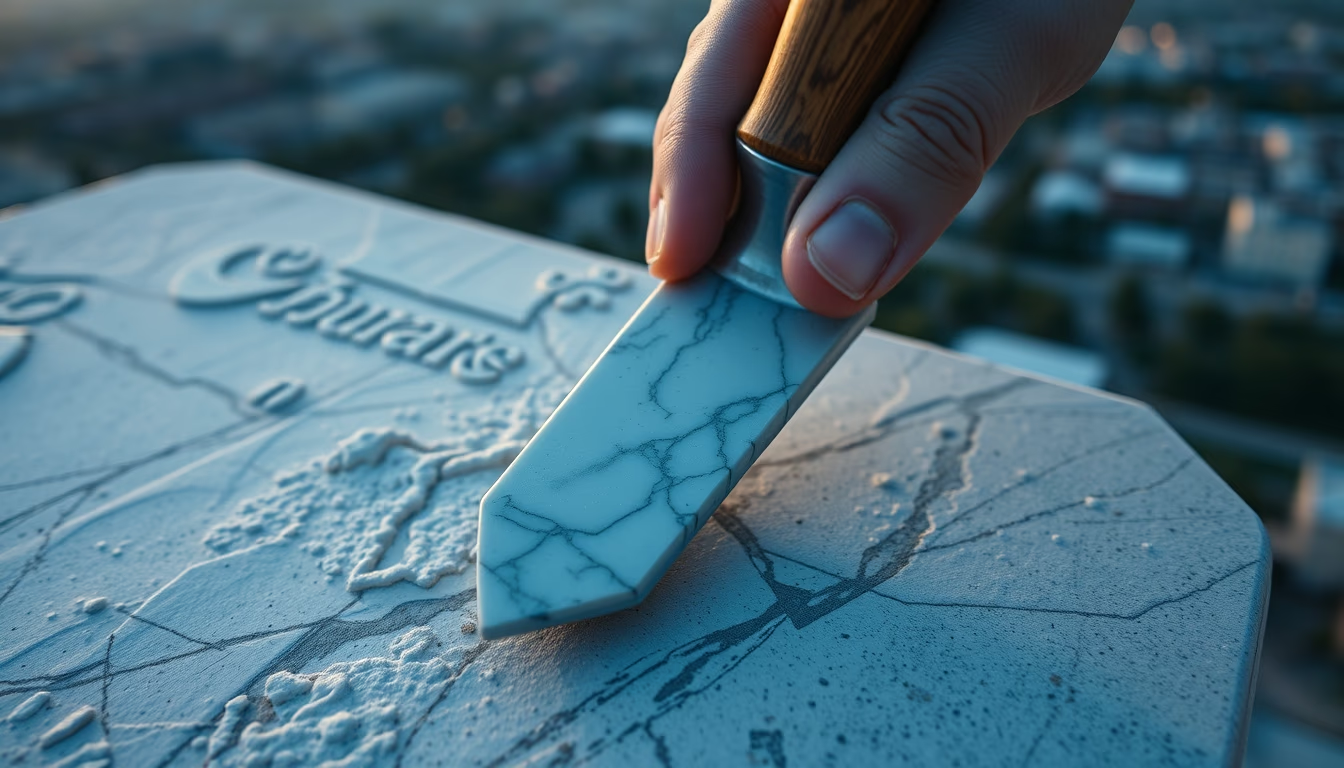
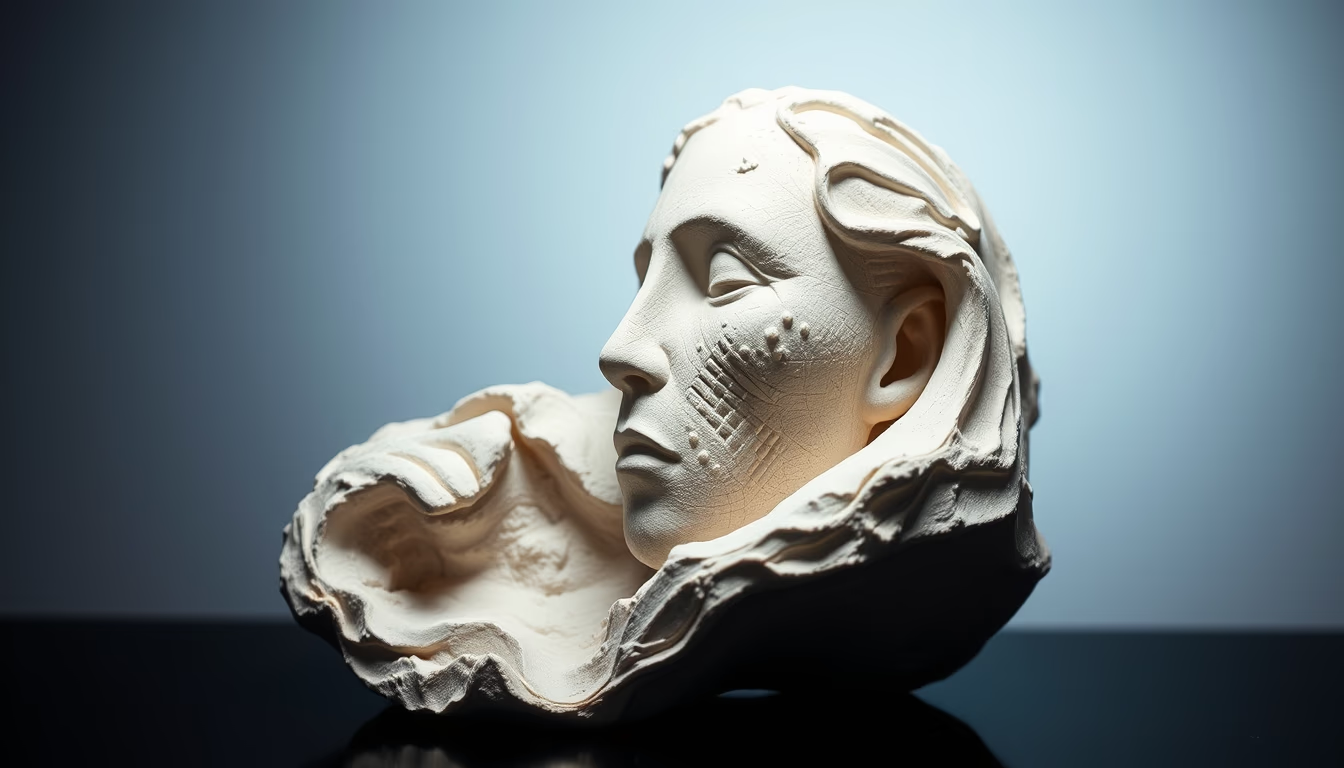
Pouring molten bronze into molds is a crucial step in artistic casting, an ancient technique that turns liquid metal into lasting sculptures.
About this subject
The pouring of molten bronze is the heart of artistic casting. After mold preparation, typically using the lost-wax method, bronze is heated to around 1200°C until it becomes a glowing liquid. This molten metal is carefully poured into the preheated mold, filling every detail of the cavity. Temperature and pour speed are controlled to avoid bubbles or defects. Once cooled, the mold is broken to reveal the raw piece, which undergoes finishing stages such as grinding, polishing, and patina application.
Bronze casting is one of the oldest known metallurgical techniques, with examples dating back to around 3000 BC in Mesopotamia. In Brazil, the tradition arrived with Portuguese colonizers and flourished in the Baroque period of Minas Gerais, with works by Aleijadinho and anonymous masters. Today, the technique is used in both religious statuary and contemporary sculptures, such as those by Victor Brecheret and Frans Krajcberg. Bronze is an alloy of copper and tin, potentially containing other metals to alter color and strength.
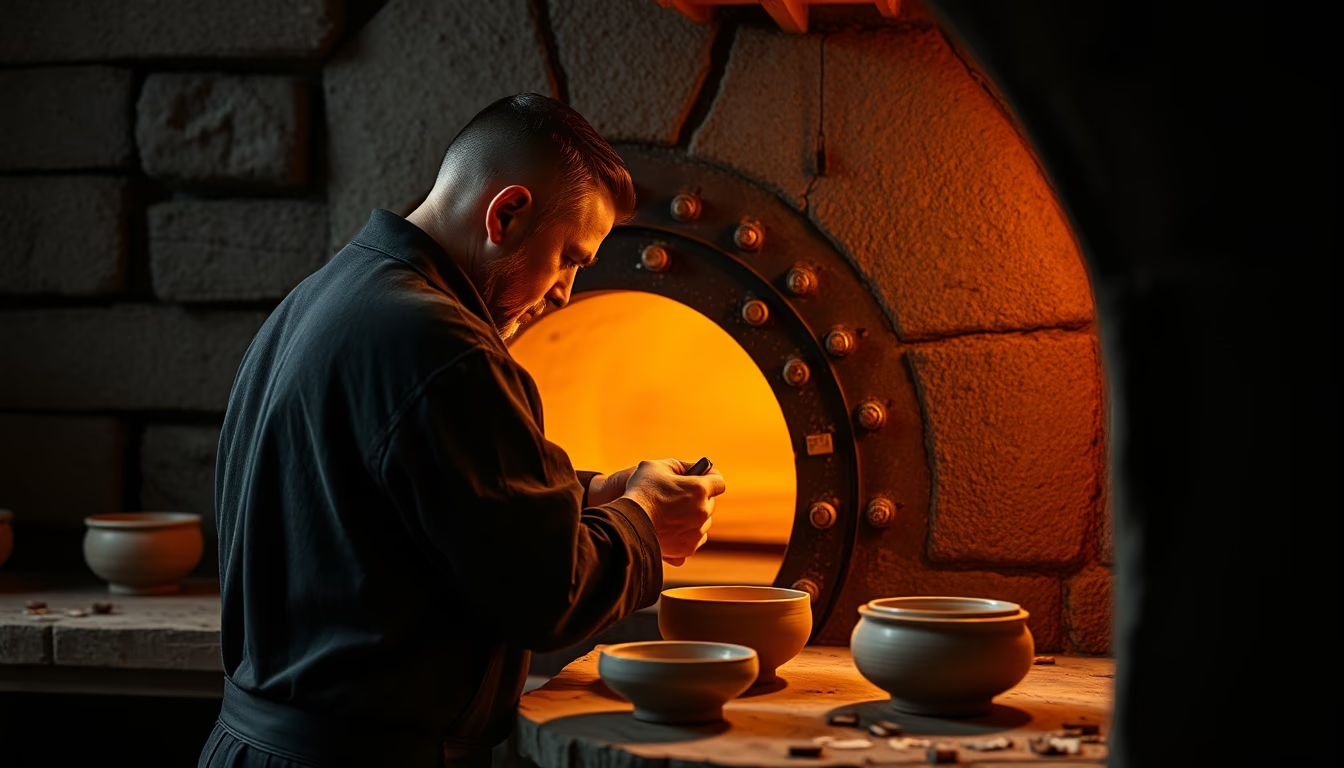
The current process has changed little in essence but gained sophistication with electric furnaces, controlled pouring arenas, and safety equipment such as thermal suits and exhaust fans. Foundry work remains a craft, requiring experience to handle the risks of high-temperature metal and the precision to preserve the sculptor's intent. The pour is often a collective event in the foundry, with the team coordinating every move to ensure a perfect cast.
Frequently Asked Questions
What is the temperature of molten bronze during pouring?
Molten bronze reaches about 1200°C, a temperature necessary to keep the metal liquid and fluid enough to fill all mold details.
What is the lost-wax method?
It is a casting technique where a wax model is coated with refractory material to form a mold. The wax is melted and removed, leaving a cavity to be filled with molten metal.
What precautions are needed during bronze pouring?
It is essential to control the temperature of both metal and mold, avoid air entrapment to prevent bubbles, and wear protective gear such as gloves, thermal apron, and dark glasses due to intense heat and brightness.
Direct URL
https://pub-c7d6a6ea828543ac903a74a341ccb2e1.r2.dev/imagens/bronze-foundry-pour-studio-editorial-portrait-fresh16.avifHow to credit
Include a visible link back to UtilizAí. Copy one of the snippets below:
<a href="https://xn--utiliza-eza.com/en/midia/imagens/bronze-foundry-pour-studio-editorial-portrait-fresh16">Bronze foundry pour</a> by <a href="https://xn--utiliza-eza.com">UtilizAí</a>, licensed under <a href="https://creativecommons.org/licenses/by/4.0/">CC BY 4.0</a>.
[Bronze foundry pour](https://xn--utiliza-eza.com/en/midia/imagens/bronze-foundry-pour-studio-editorial-portrait-fresh16) by [UtilizAí](https://xn--utiliza-eza.com), CC BY 4.0
License: CC-BY-4.0