Bronze foundry pour
1344×768 · AVIF · CC BY 4.0
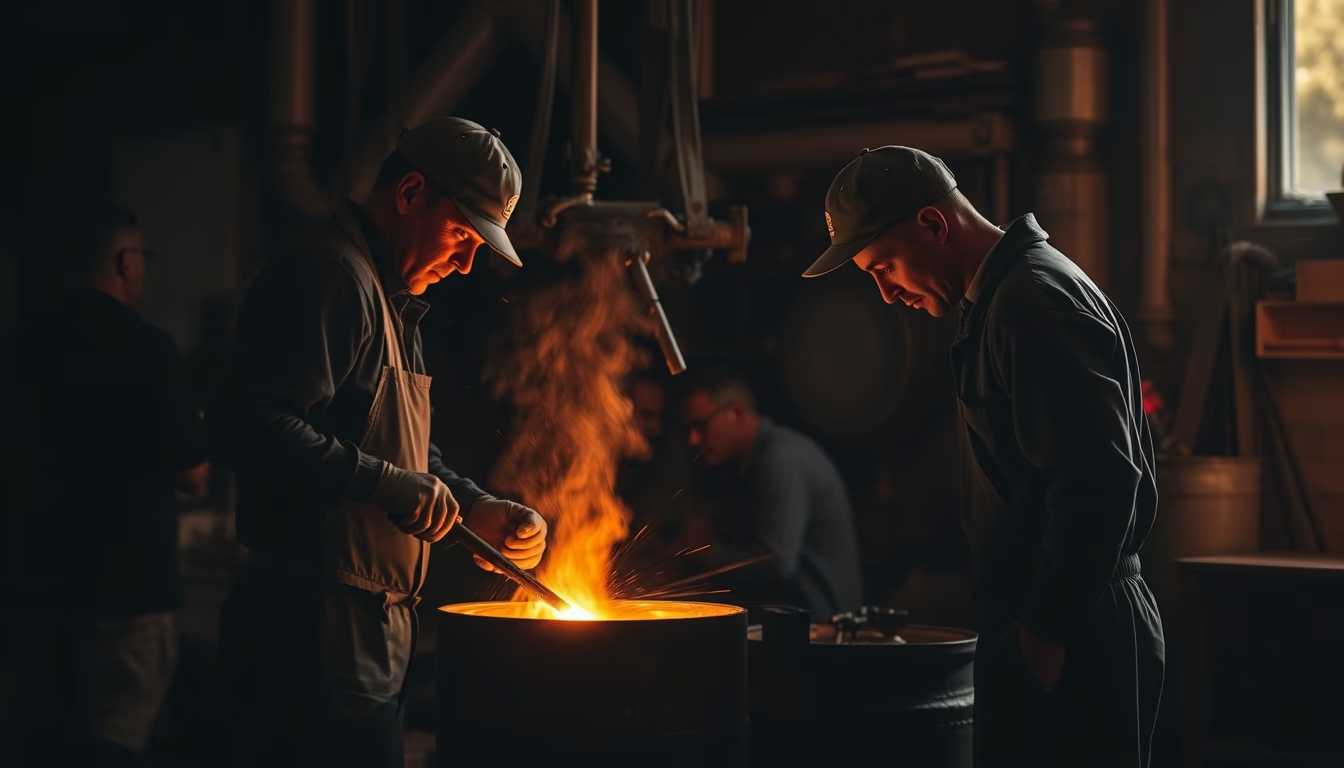
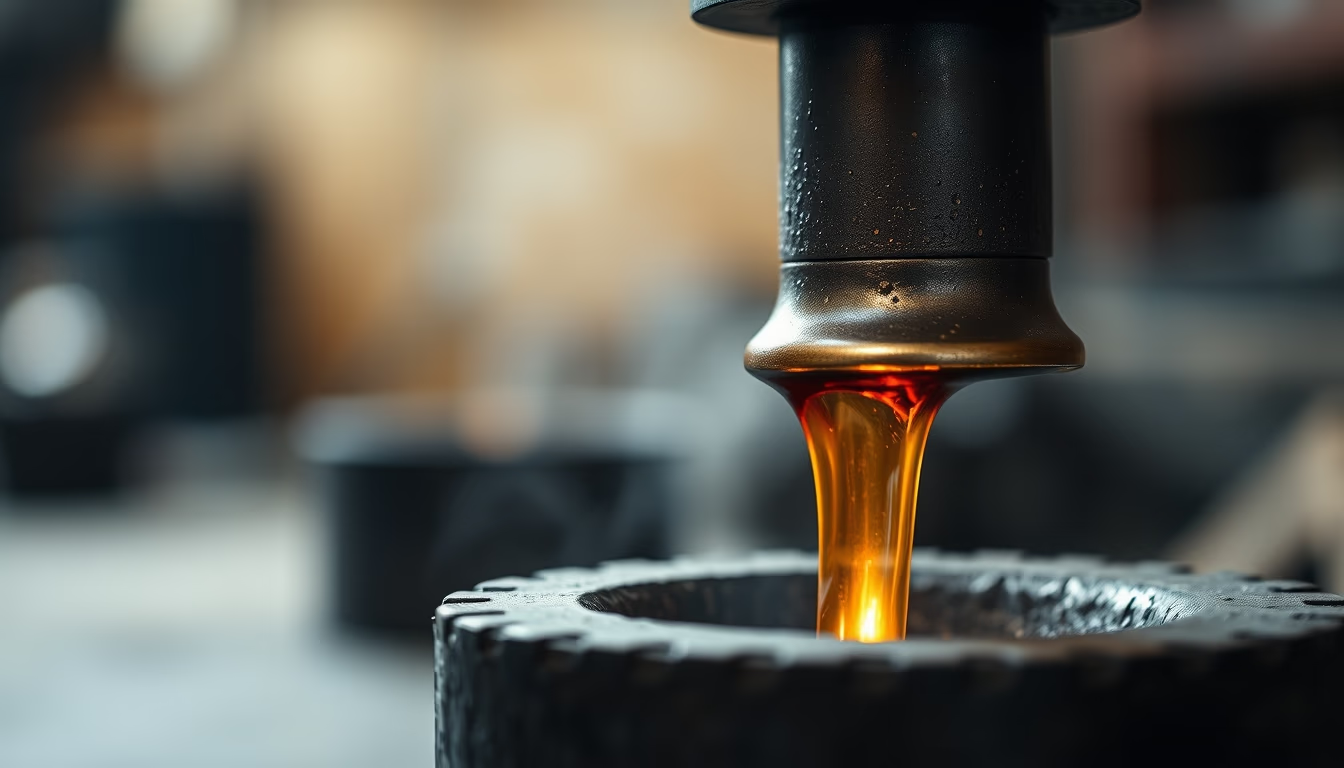
Pouring molten bronze into molds is an ancient technique that combines artisanal precision and high temperatures to create lasting sculptures.
About this subject
Bronze casting is a process dating back over 5,000 years, with notable examples such as the Benin bronzes and classical Greek statues. The most common method is lost-wax casting, where a wax model is coated with a refractory mold, heated to melt the wax, and then filled with liquid bronze at temperatures exceeding 1,000 degrees Celsius. The molten metal is poured carefully to avoid air bubbles, ensuring the final piece is solid and defect-free.
In the Brazilian context, bronze casting gained prominence with artists like Aleijadinho, though better known for wood and soapstone carving, he influenced later techniques. In the 20th century, sculptors such as Victor Brecheret and Bruno Giorgi used bronze for monumental public works. The technique requires mastery: the melting point of bronze varies by alloy (copper and tin, or with added zinc), and controlled cooling determines the strength and finish of the piece.
Interestingly, cast bronze can be recycled infinitely without loss of quality, making it one of the most sustainable materials for sculpture. The pouring step is critical: experienced workers use refractory ladles to transfer metal from furnace to mold, with precise movements that avoid splashes and oxidation. Safety is paramount, as liquid bronze emits intense radiant heat and can cause severe burns. Even in the digital age, artistic casting preserves ancient methods, combining modern electric furnaces with the artisan's touch.
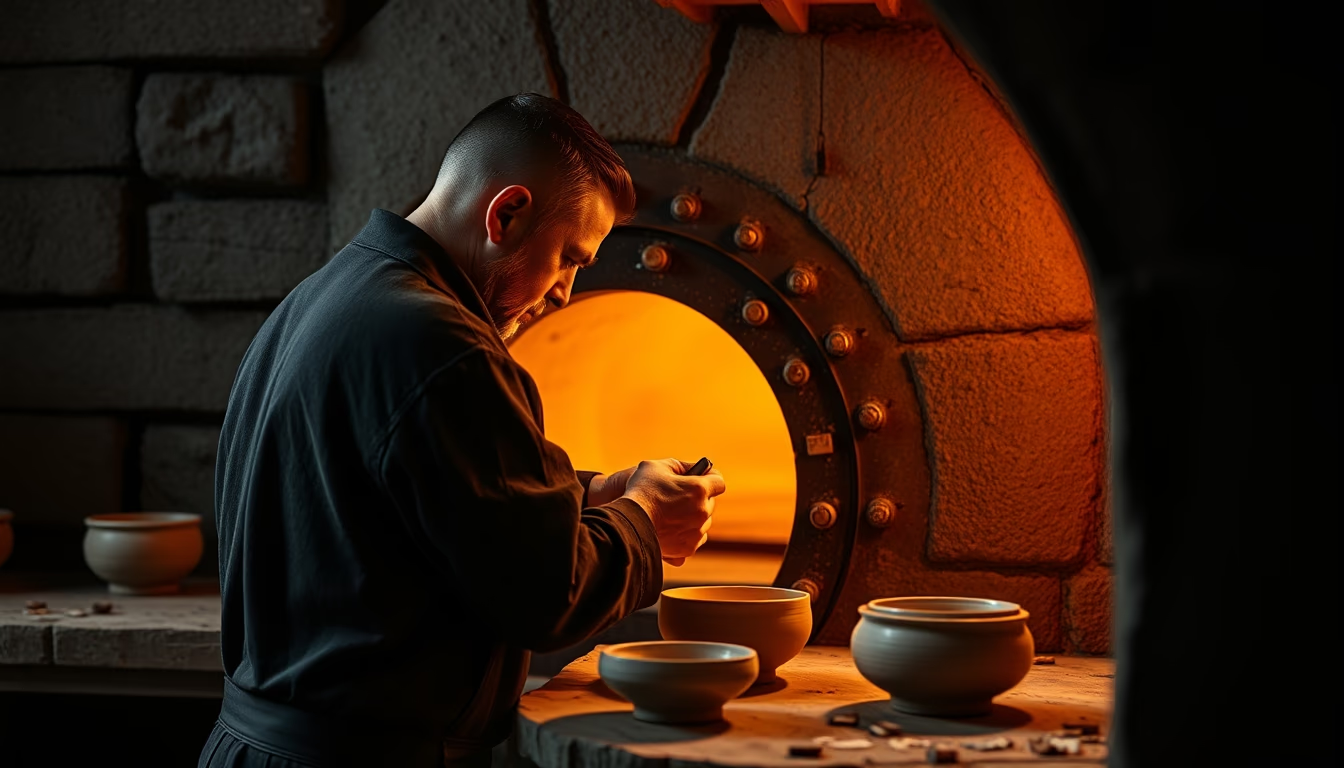
The dramatic lighting (such as Rembrandt chiaroscuro) often highlights the textures and reflections of freshly poured bronze, emphasizing contrasts between the incandescent metal and dark foundry areas. Such images not only document the craft but also evoke the duality of creative fire and human control over material, a recurring theme in metallurgy history.
Frequently Asked Questions
What temperature does molten bronze reach during pouring?
Molten bronze reaches temperatures between 1,000 °C and 1,150 °C, depending on the specific alloy. The ideal temperature ensures enough fluidity to fill mold details without burning the refractory coating.
Can bronze casting be done at home?
It is not recommended. Bronze casting requires specialized equipment (furnaces, crucibles, refractory molds) and strict safety measures due to risks of burns, toxic fumes, and fire. It should only be performed in professional foundries.
What is the difference between bronze and brass in casting?
Bronze is an alloy of copper and tin, while brass is copper and zinc. Bronze has a higher melting point (around 950 °C to 1,050 °C) and greater corrosion resistance, making it preferred for sculptures. Brass is more malleable and used for decorative objects.
Direct URL
https://pub-c7d6a6ea828543ac903a74a341ccb2e1.r2.dev/imagens/bronze-foundry-pour-rembrandt-lighting-dramatic-shadows-fresh13.avifHow to credit
Include a visible link back to UtilizAí. Copy one of the snippets below:
<a href="https://xn--utiliza-eza.com/en/midia/imagens/bronze-foundry-pour-rembrandt-lighting-dramatic-shadows-fresh13">Bronze foundry pour</a> by <a href="https://xn--utiliza-eza.com">UtilizAí</a>, licensed under <a href="https://creativecommons.org/licenses/by/4.0/">CC BY 4.0</a>.
[Bronze foundry pour](https://xn--utiliza-eza.com/en/midia/imagens/bronze-foundry-pour-rembrandt-lighting-dramatic-shadows-fresh13) by [UtilizAí](https://xn--utiliza-eza.com), CC BY 4.0
License: CC-BY-4.0