Bronze foundry pour
1344×768 · AVIF · CC BY 4.0
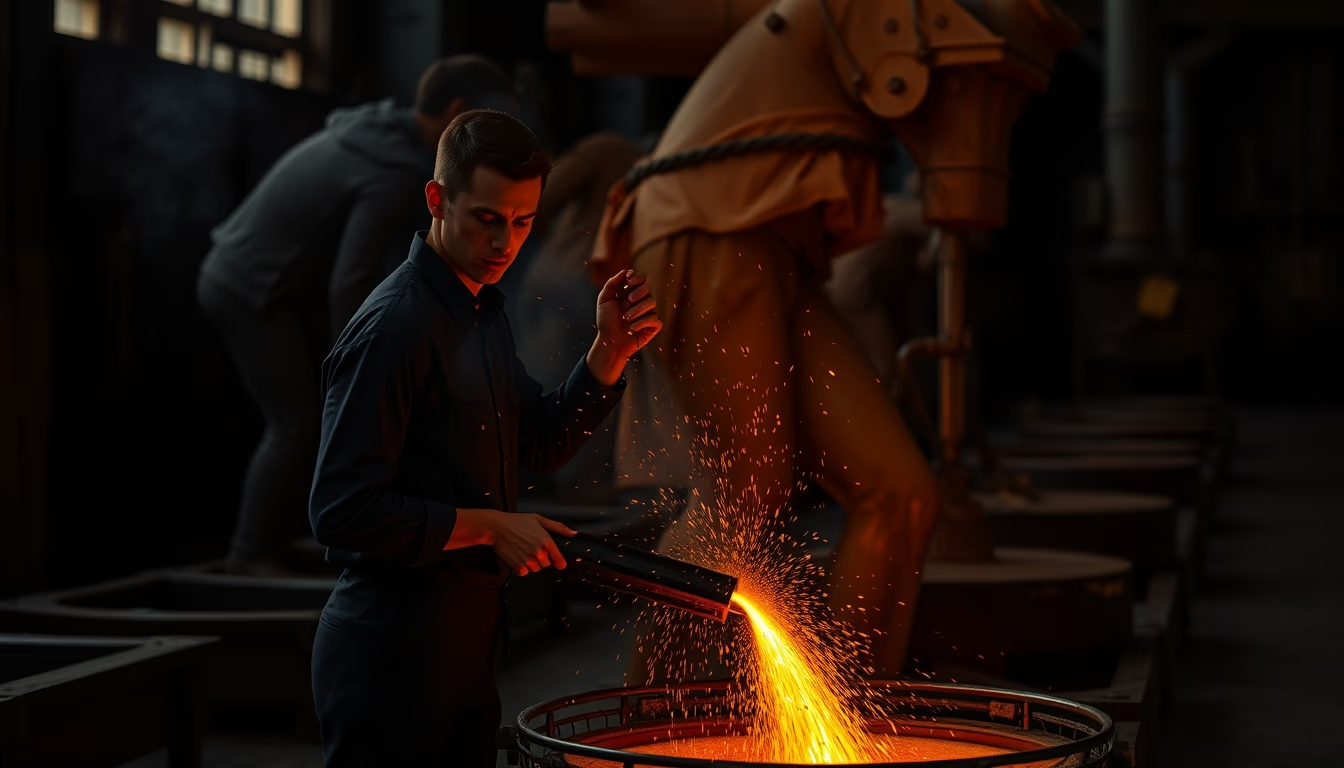
Discover the bronze casting process, an ancient technique merging art and industry, used for sculptures and high-fashion accessories.
About this subject
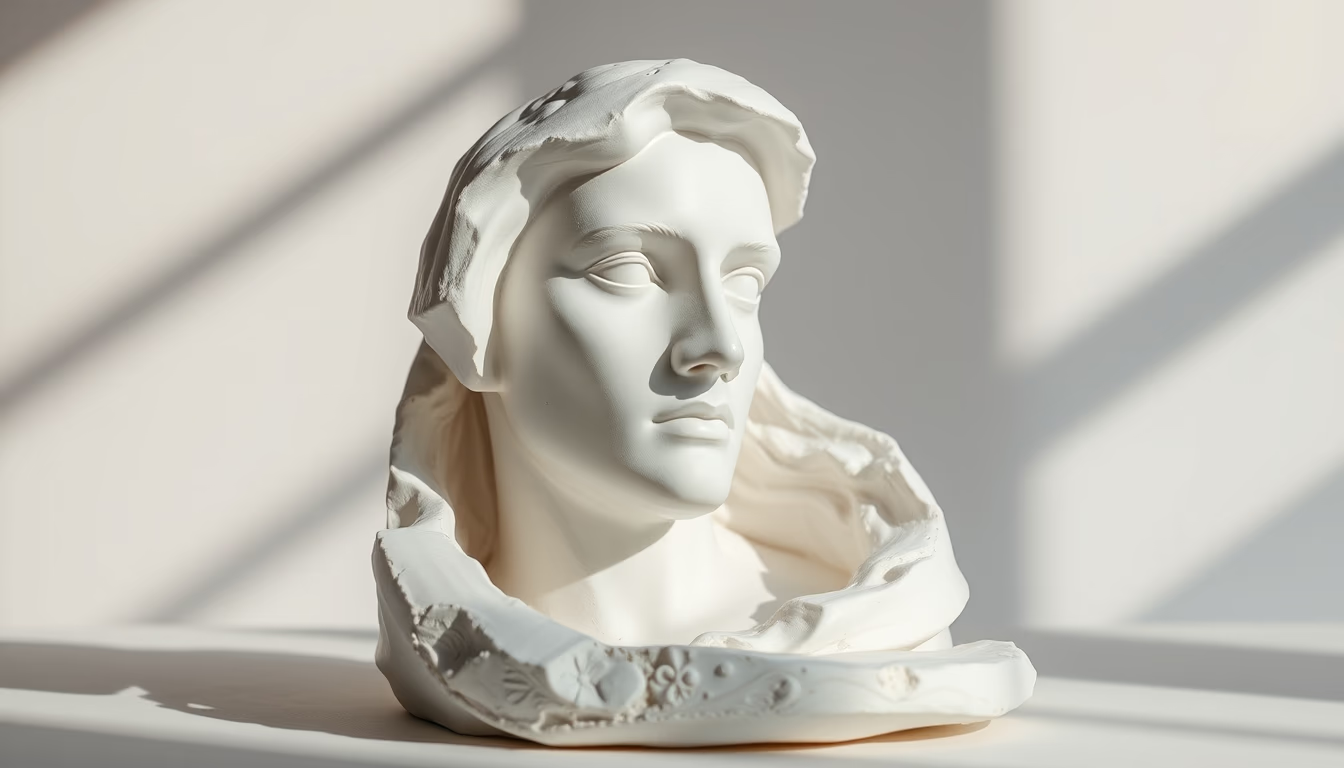
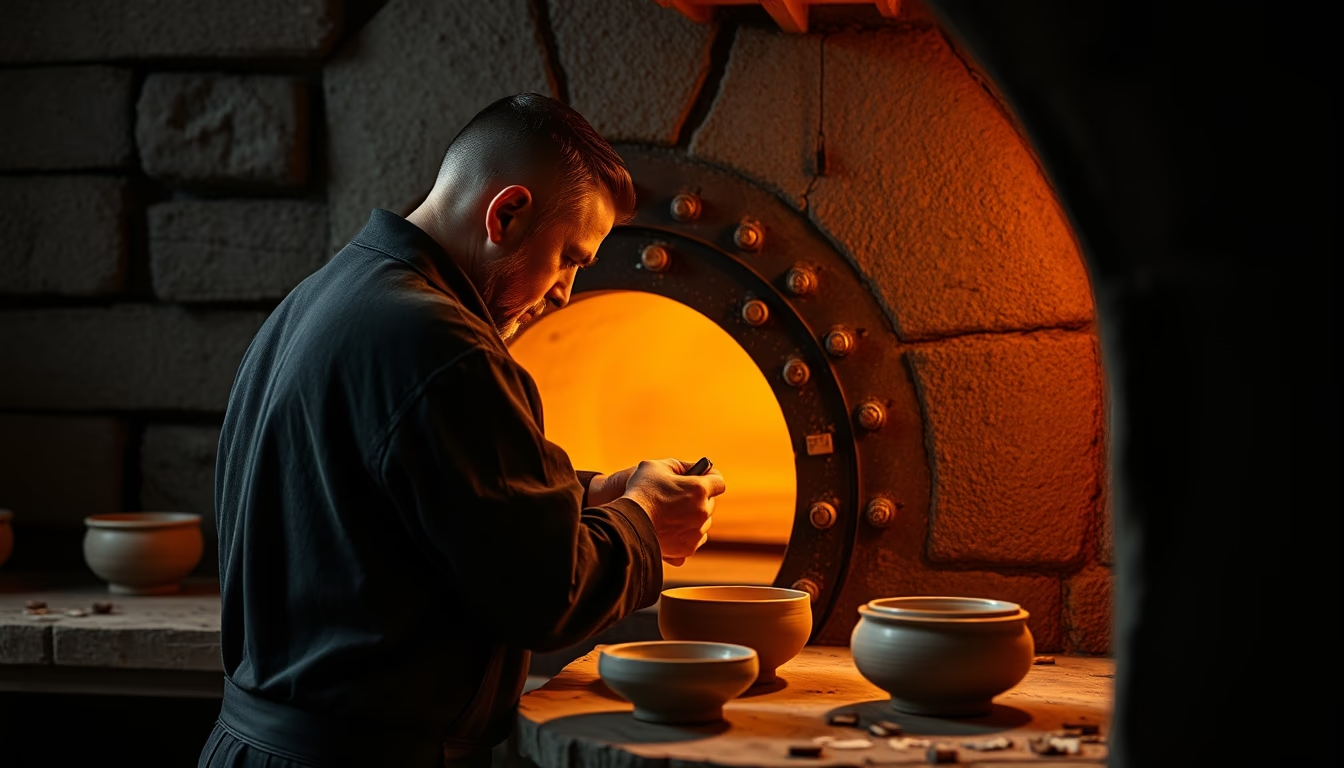
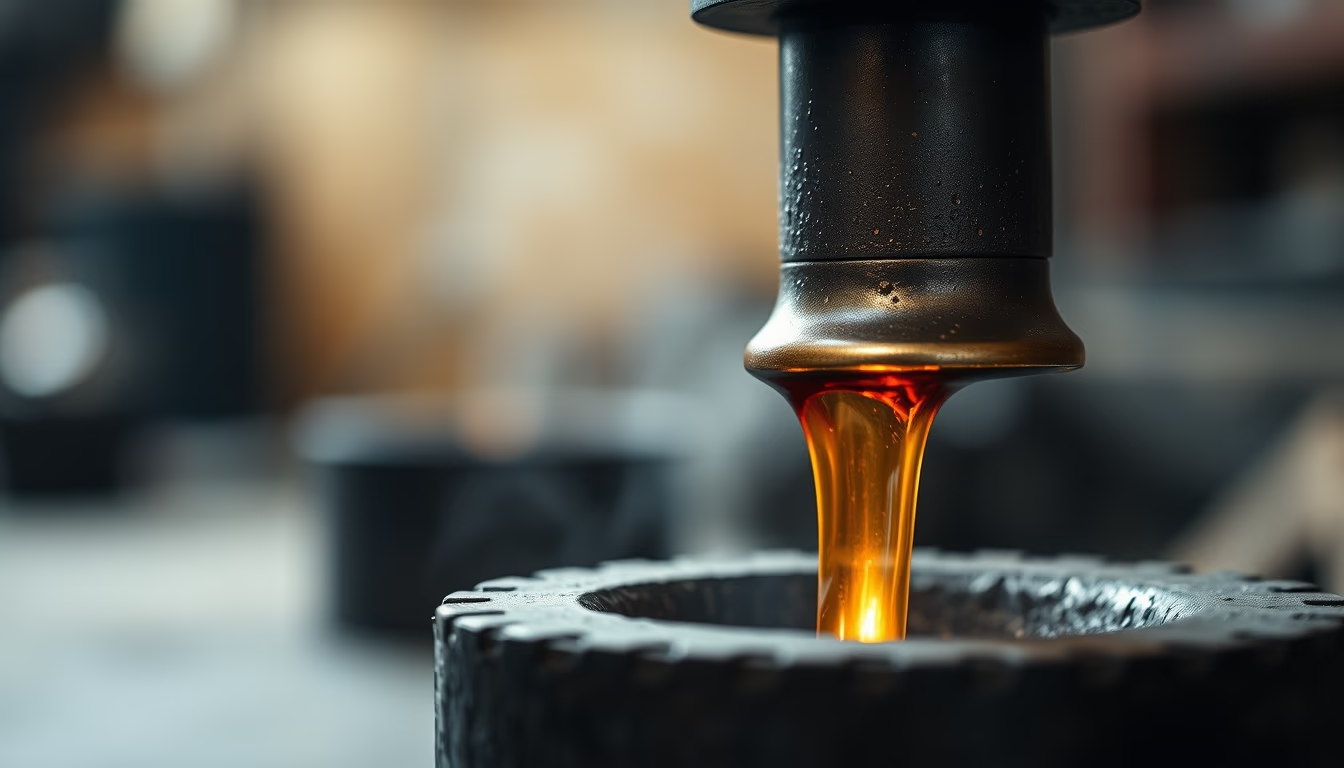
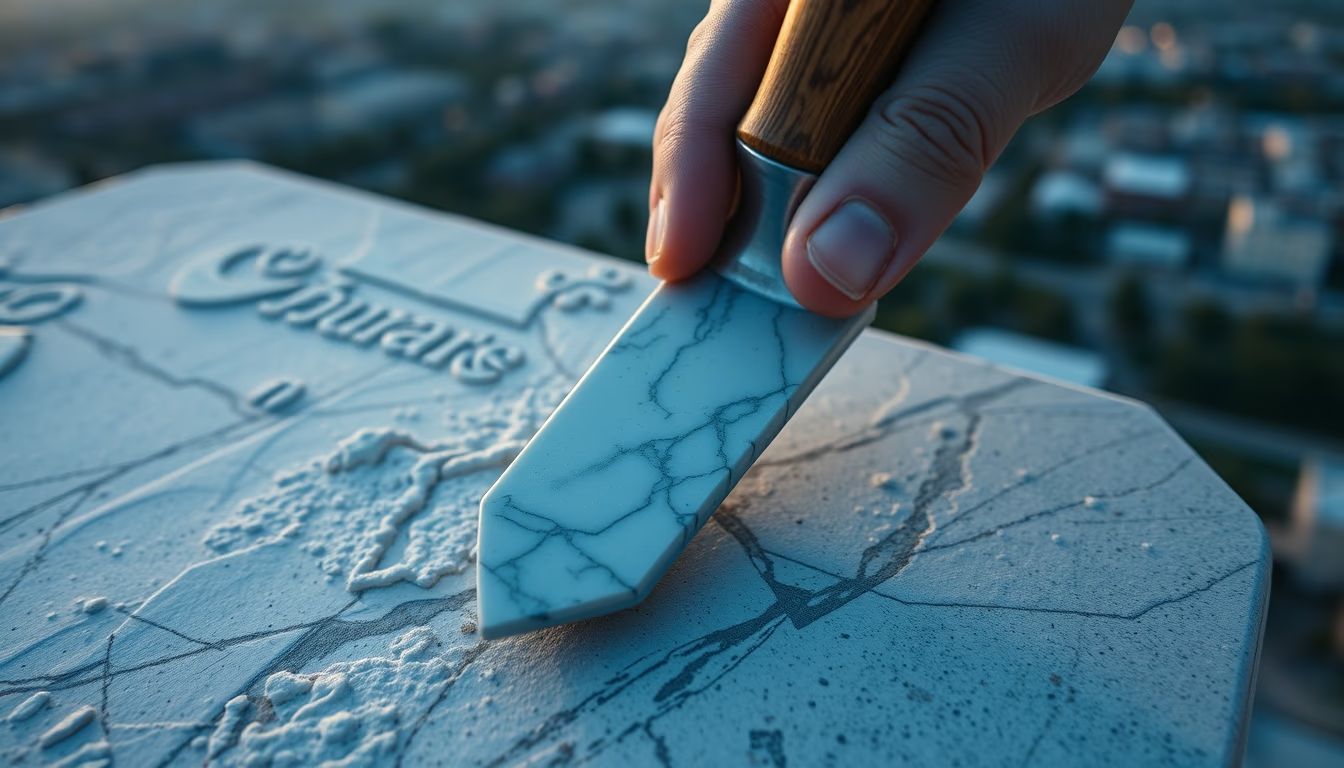
Bronze casting is an ancient technique dating back over 5,000 years to the Bronze Age. The most common method is lost-wax casting, where a wax model is coated in refractory material, heated to melt the wax, and then filled with molten bronze. The result is a metal piece with precise details, used in sculptures, bells, weapons, and more recently in jewelry and fashion accessories.
In high fashion and luxury design, bronze is valued for its strength and malleability, allowing the creation of unique, durable pieces. Fashion brands use bronze for belt buckles, bag clasps, buttons, and even contemporary jewelry. The natural patina of bronze, ranging from brown to green, gives an aged, sophisticated look highly sought after in editorial collections.
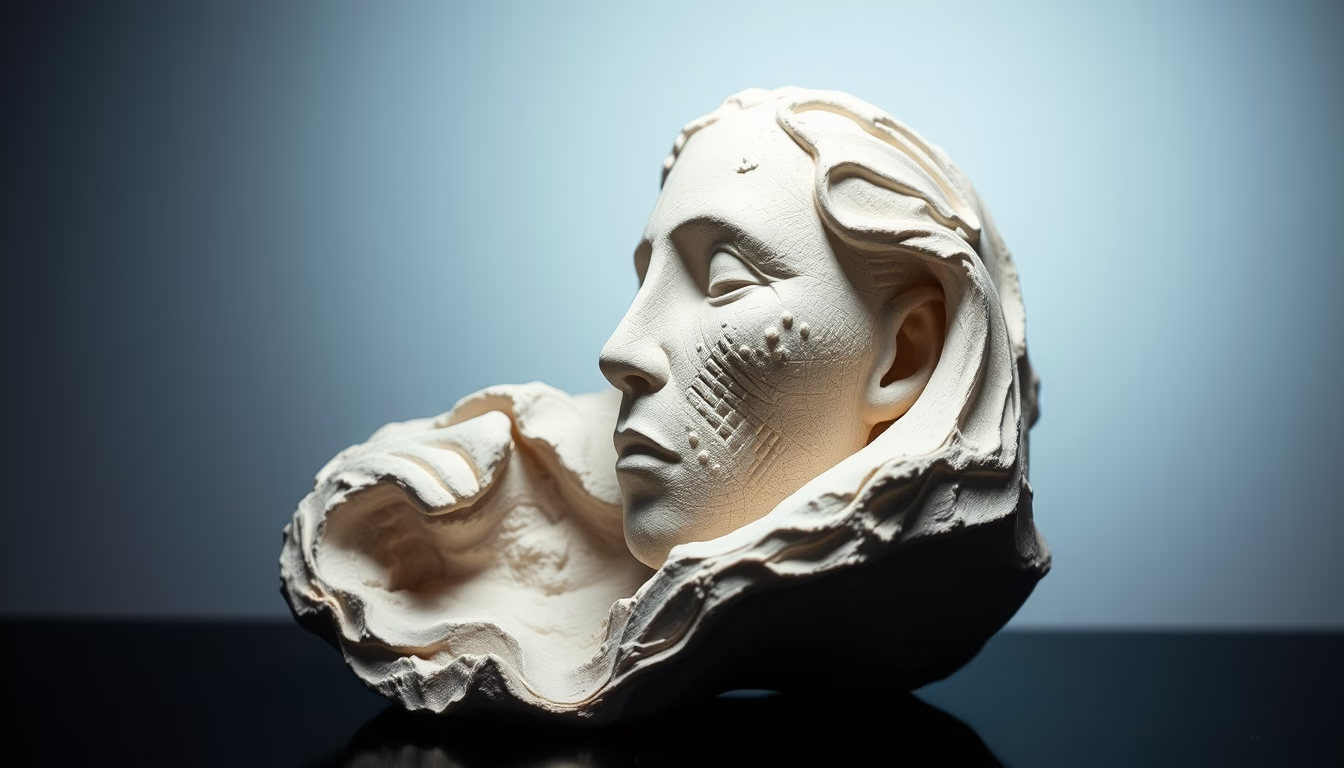
Beyond fashion, bronze is fundamental in artistic sculpture. Works like Rodin's "The Thinker" and Brancusi's "The Kiss" showcase the material's expressive capacity. Typical bronze alloy is 88% copper and 12% tin, with possible additions to alter color and hardness. Casting requires high precision: the mold must be heated to around 1,100 degrees Celsius to avoid thermal shock and ensure the metal fills all cavities.
Interestingly, the word "bronze" originates from the Old Persian "birinj," meaning copper. The casting technique was mastered by various civilizations, from Egyptians to the Chinese Shang dynasty. Today, bronze foundries combine tradition with technological innovation, creating public monuments and exclusive fashion pieces.
Frequently Asked Questions
How is bronze made using the lost-wax method?
A wax model is covered with refractory material. After drying, it is heated to melt the wax, leaving a hollow mold. Molten bronze at about 1,100°C is poured in. After cooling, the mold is broken to reveal the piece.
Why is bronze used in luxury fashion accessories?
Bronze offers durability, malleability, and a unique aesthetic. Its natural patina evolves over time, giving a vintage, exclusive look. It also allows fine details in buckles, buttons, and jewelry.
What are the differences between bronze and brass in object making?
Bronze is an alloy of copper and tin; brass is copper and zinc. Bronze is harder and more corrosion-resistant, ideal for sculptures and jewelry. Brass is more malleable with a yellowish color, used in musical instruments and decorative items.
Direct URL
https://pub-c7d6a6ea828543ac903a74a341ccb2e1.r2.dev/imagens/bronze-foundry-pour-high-fashion-editorial-fresh4.avifHow to credit
Include a visible link back to UtilizAí. Copy one of the snippets below:
<a href="https://xn--utiliza-eza.com/en/midia/imagens/bronze-foundry-pour-high-fashion-editorial-fresh4">Bronze foundry pour</a> by <a href="https://xn--utiliza-eza.com">UtilizAí</a>, licensed under <a href="https://creativecommons.org/licenses/by/4.0/">CC BY 4.0</a>.
[Bronze foundry pour](https://xn--utiliza-eza.com/en/midia/imagens/bronze-foundry-pour-high-fashion-editorial-fresh4) by [UtilizAí](https://xn--utiliza-eza.com), CC BY 4.0
License: CC-BY-4.0