Bronze foundry pour
1344×768 · AVIF · CC BY 4.0
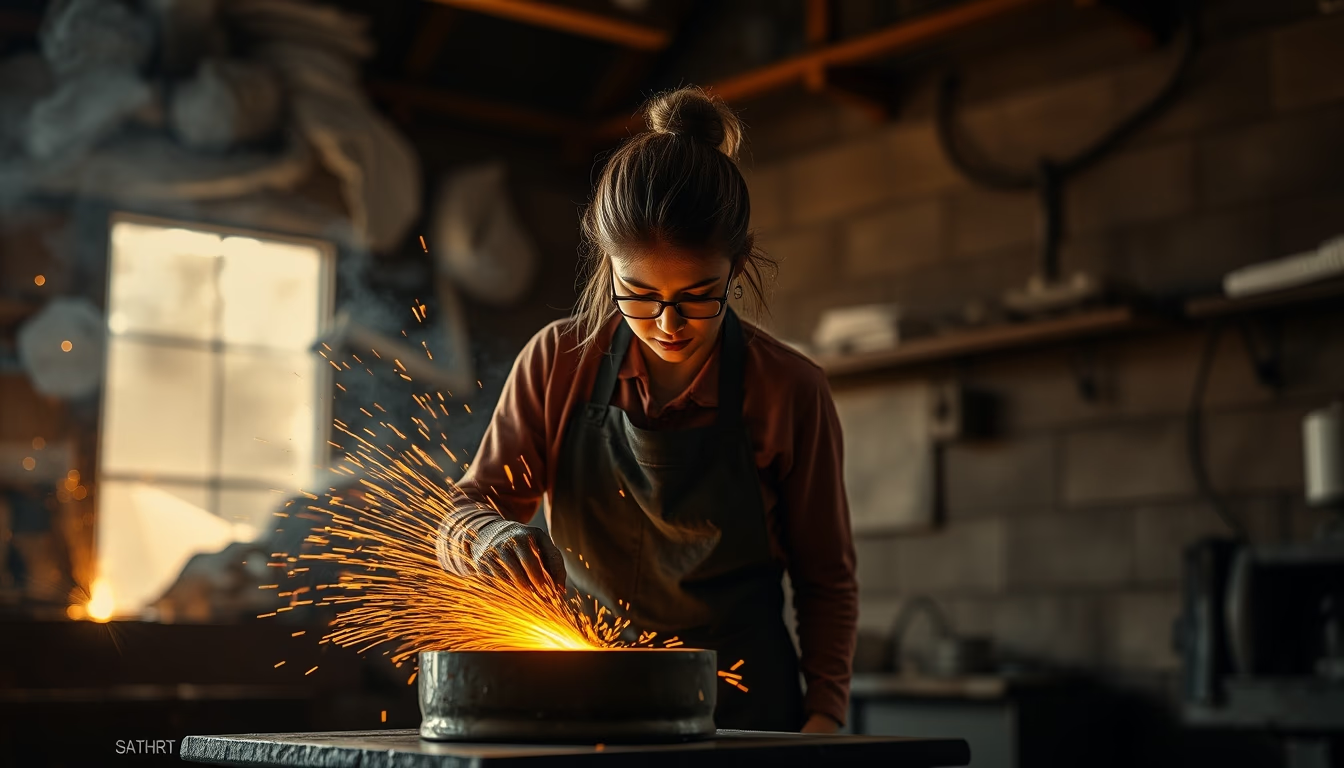
Bronze foundry pouring is an ancient technique that transforms molten metal into sculptures, requiring precision and safety.
About this subject
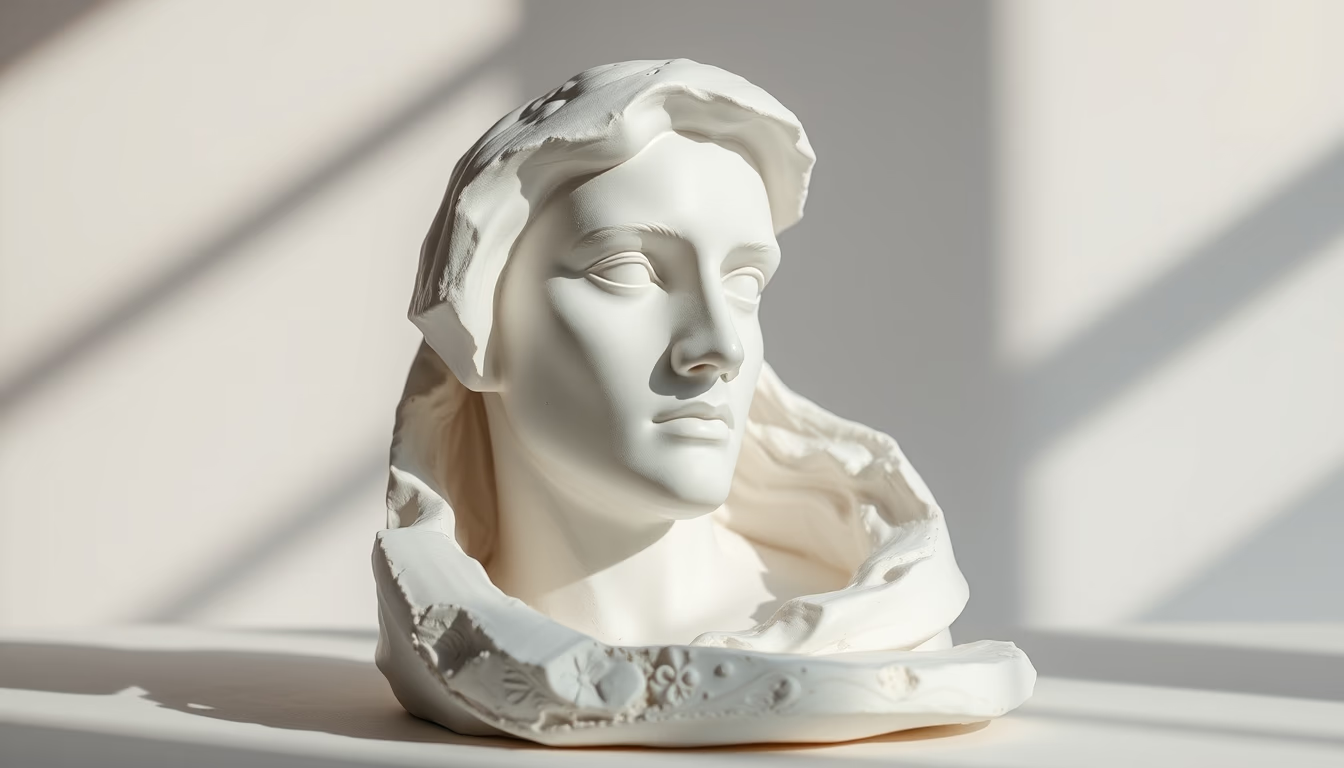
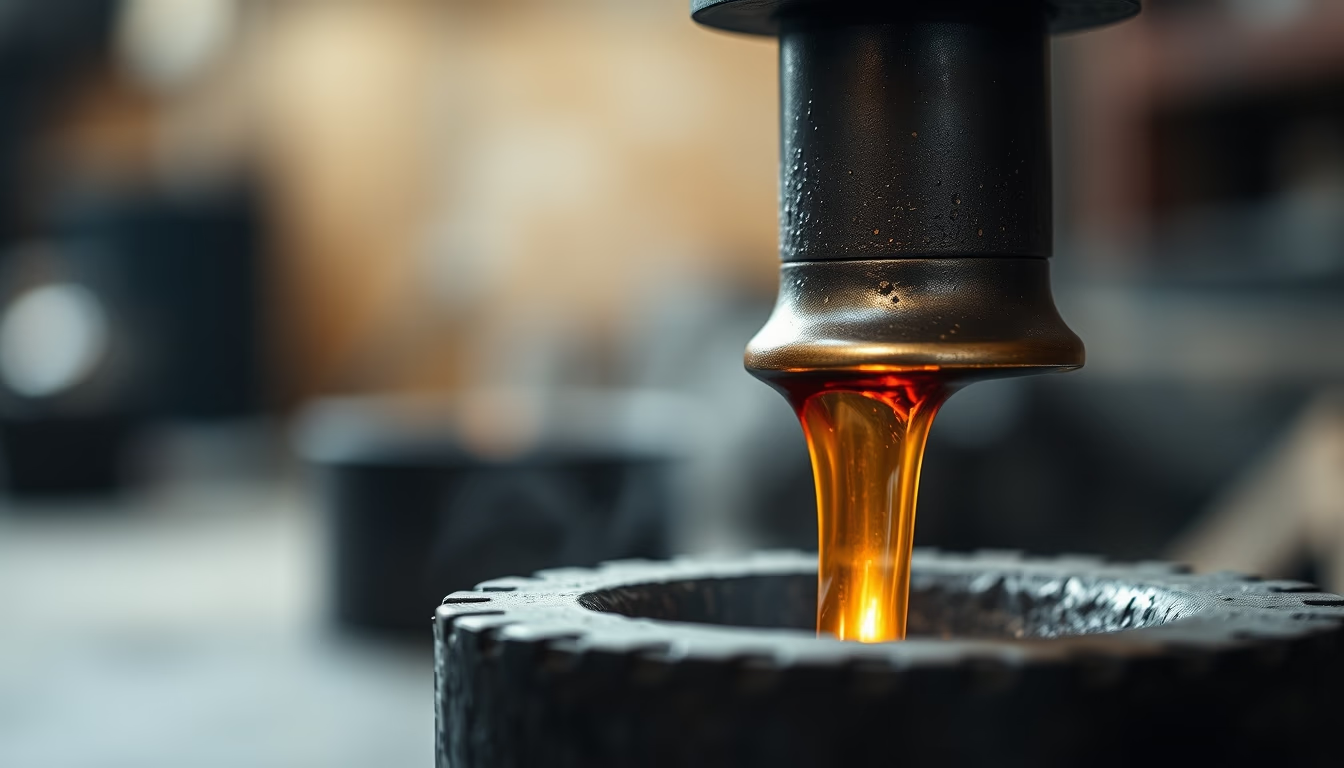
Artistic bronze foundry pouring primarily uses the lost-wax casting method, a technique dating back over 5,000 years. In this process, a wax model is coated with a refractory mold, which is then heated to remove the wax and harden the mold. Next, bronze melted at approximately 1,000°C is poured into the mold, filling the cavity left by the wax. After cooling, the mold is broken to reveal the final piece, which undergoes finishing steps such as sanding and patina application.
Bronze is a metal alloy composed mainly of copper and tin, often with other elements like zinc or lead to alter properties. A typical composition is 88% copper and 12% tin. This alloy offers durability, malleability, and the ability to capture fine details, making it ideal for sculptures. During pouring, foundry workers wear protective gear, including heat-resistant gloves and aprons, and carefully control the molten metal flow to avoid bubbles or defects.
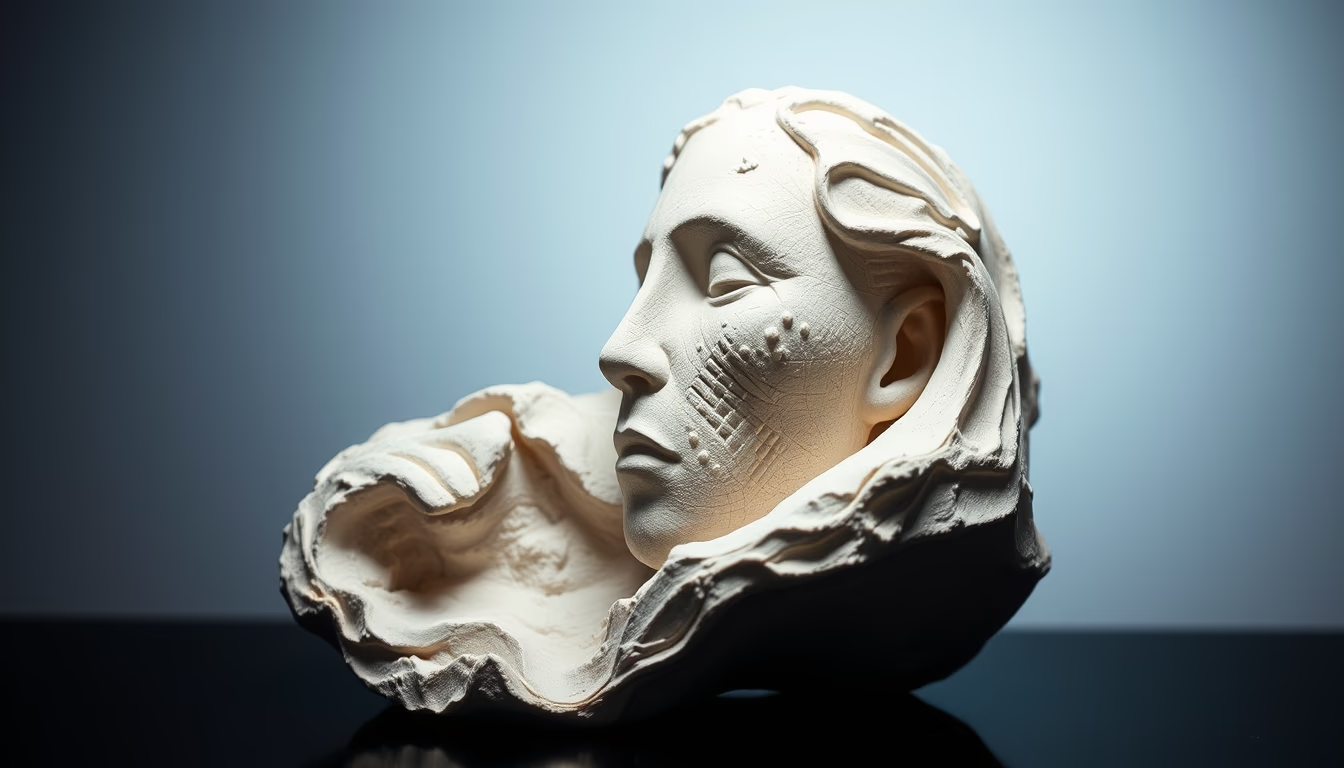
Culturally, bronze has been prominent in ancient civilizations, such as Greek and Roman, and remains vital in contemporary sculpture. Famous works like Rodin's "The Thinker" and Donatello's "David" exemplify bronze casting. In Brazil, artists like Aleijadinho and Victor Brecheret also used the technique. Patina, a surface layer of green or brown achieved through controlled oxidation, not only protects the piece but enhances its aesthetic details, making it a crucial final step after casting.
Frequently Asked Questions
What temperature is needed to melt bronze?
Bronze melts at around 1,000°C, depending on the exact alloy composition.
What method is most used in artistic foundries?
The most common method is lost-wax casting, which allows for intricate details and has been used for millennia.
How is patina achieved on bronze sculptures?
Patina is achieved by applying chemicals or exposing the piece to natural agents, causing controlled oxidation that produces various colors.
Direct URL
https://pub-c7d6a6ea828543ac903a74a341ccb2e1.r2.dev/imagens/bronze-foundry-pour-fine-art-photography-fresh0.avifHow to credit
Include a visible link back to UtilizAí. Copy one of the snippets below:
<a href="https://xn--utiliza-eza.com/en/midia/imagens/bronze-foundry-pour-fine-art-photography-fresh0">Bronze foundry pour</a> by <a href="https://xn--utiliza-eza.com">UtilizAí</a>, licensed under <a href="https://creativecommons.org/licenses/by/4.0/">CC BY 4.0</a>.
[Bronze foundry pour](https://xn--utiliza-eza.com/en/midia/imagens/bronze-foundry-pour-fine-art-photography-fresh0) by [UtilizAí](https://xn--utiliza-eza.com), CC BY 4.0
License: CC-BY-4.0