Bordeaux chateau vineyards
1344×768 · AVIF · CC BY 4.0
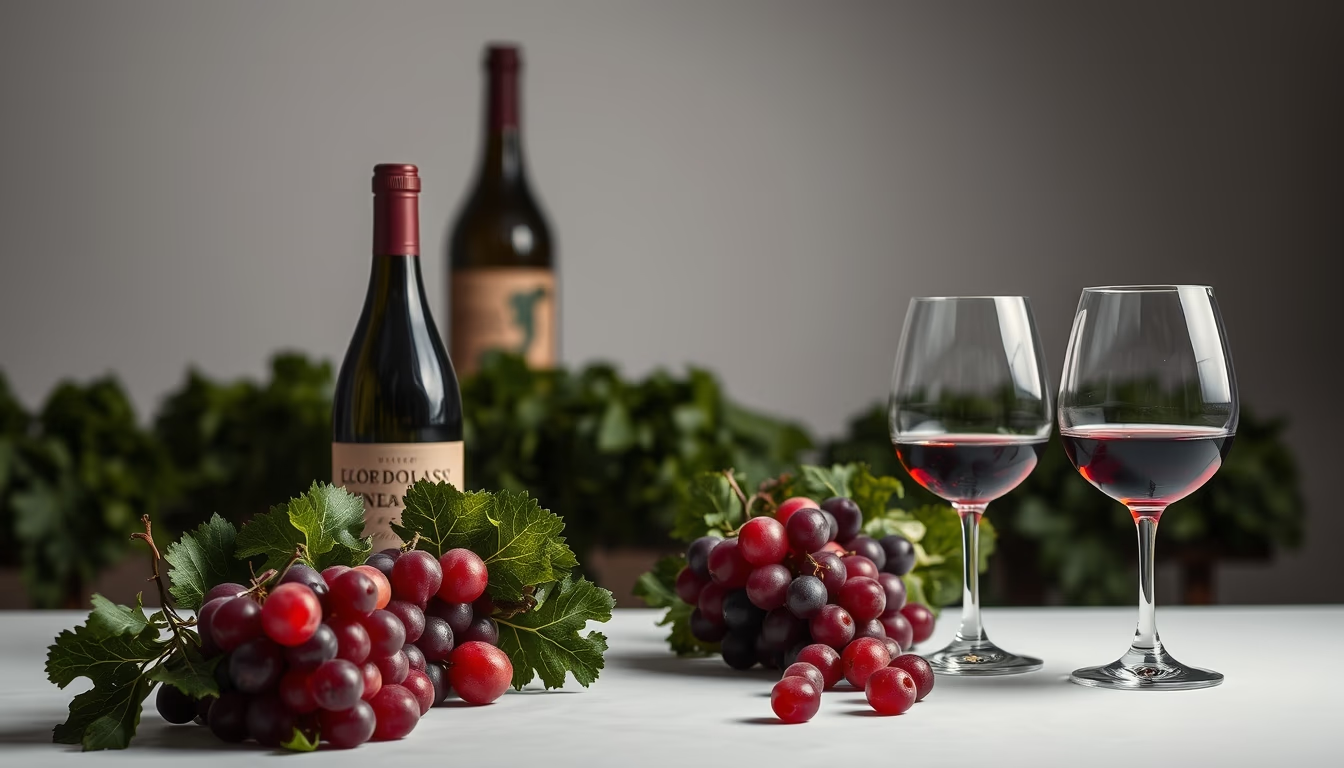
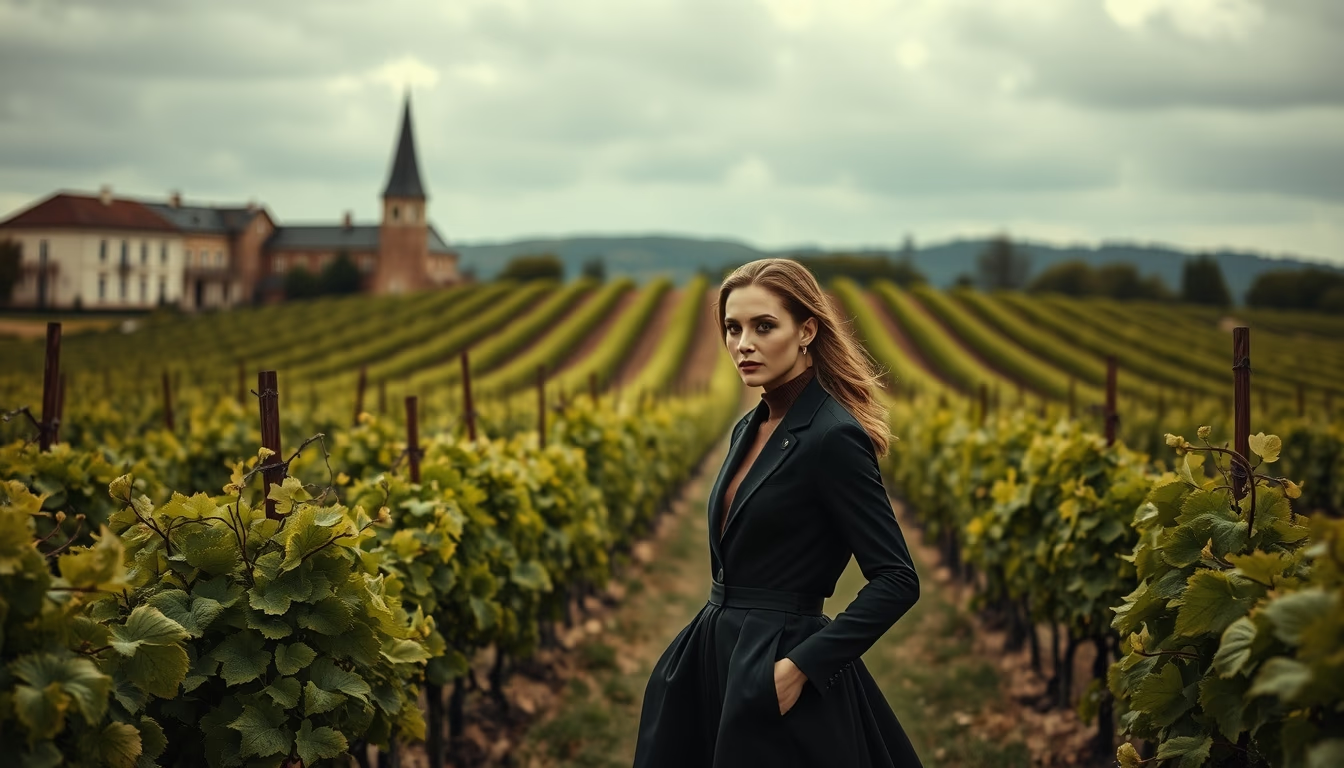
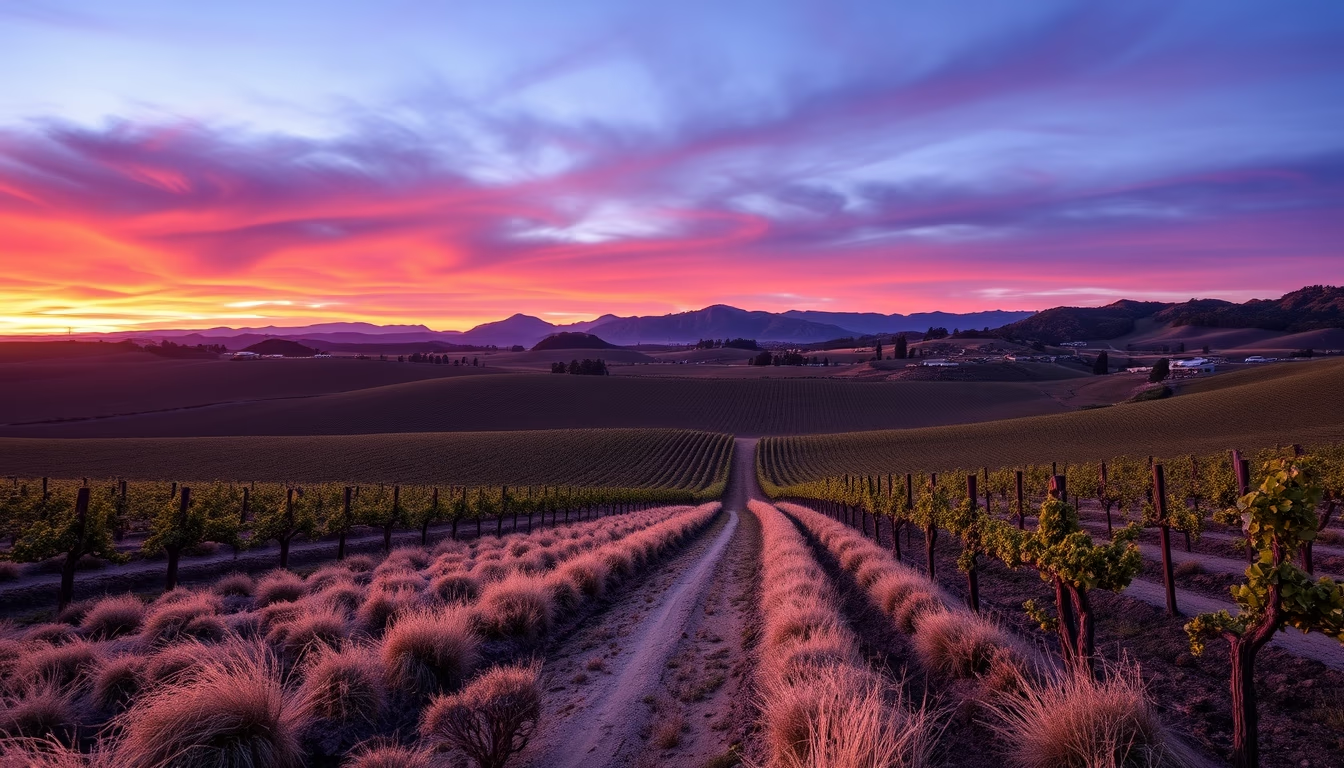
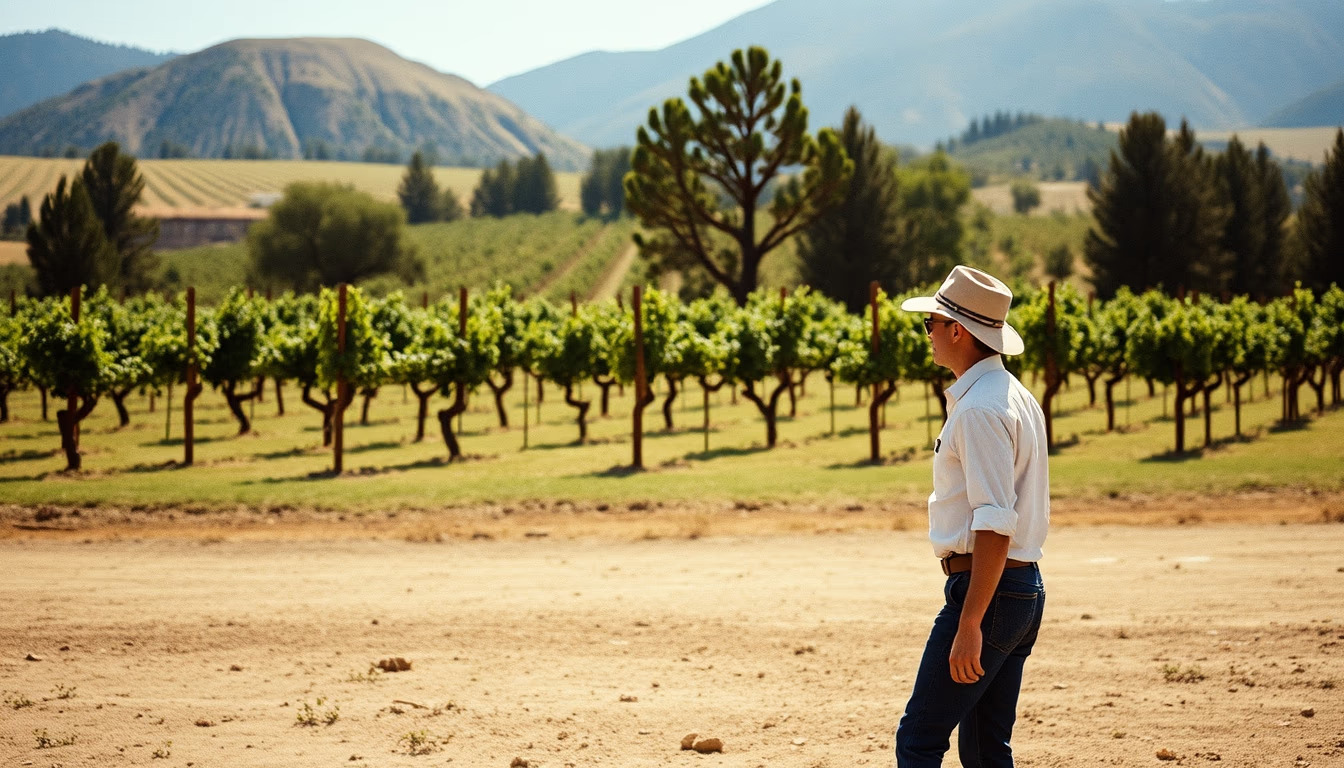
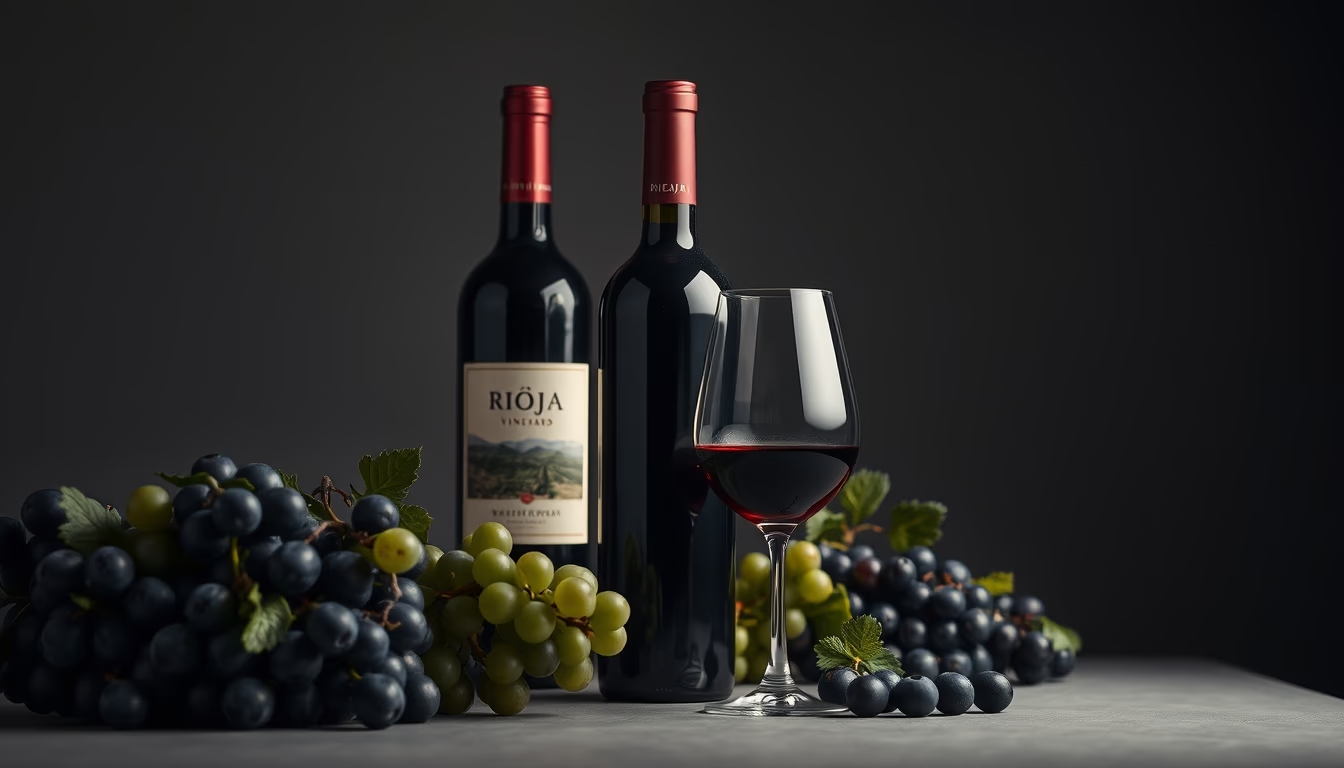
The vineyards of Bordeaux châteaux form one of the world's most prestigious wine regions, with over 120,000 hectares under vine.
About this subject
Located in southwestern France, the Bordeaux wine region is the largest controlled appellation area in the country, producing internationally renowned wines. With about 6,000 châteaux, the area extends over 120,000 hectares and includes more than 60 appellations (AOCs). The soils range from gravel on the left bank of the Garonne River to clay and limestone on the right bank, directly influencing wine styles.
Bordeaux's winemaking history dates back to the 1st century AD, when the Romans planted the first vines. However, it was in the 12th century under English rule that wine trade expanded. The 1855 classification system, created for the Universal Exhibition in Paris, still organizes left bank châteaux into five tiers, with the First Growths (such as Château Lafite Rothschild and Château Margaux) at the top. On the right bank, the Saint-Émilion classification is revised every decade.
The main red grape varieties are Cabernet Sauvignon, Merlot, Cabernet Franc, and Petit Verdot. On the left bank, Cabernet Sauvignon dominates the blends, while on the right bank Merlot is more prevalent, especially in Pomerol and Saint-Émilion. White wines, such as those from Pessac-Léognan, use Sauvignon Blanc and Sémillon. The famous sweet Sauternes wine is made from botrytized grapes.
A fun fact is that a single château may have dozens of hectares of vineyards but limited production. For example, Château d'Yquem (Premier Cru Supérieur in Sauternes) harvests grapes manually in multiple passes to select only those affected by noble rot. The region produces about 700 million bottles per year, mostly red wines.
Frequently Asked Questions
What are the main sub-regions of Bordeaux?
The main sub-regions include Médoc, Graves, Saint-Émilion, Pomerol, Sauternes, and Entre-deux-Mers. Each has distinct soil and microclimate characteristics that influence the wines.
What does the 1855 classification mean in Bordeaux?
The 1855 classification ranks left bank châteaux into five levels (Premier Cru to Cinquième Cru) based on historical reputation and price. It remains a benchmark for quality today.
What is the difference between Left Bank and Right Bank wines?
On the Left Bank, gravel soils and Cabernet Sauvignon-based blends produce tannic, full-bodied wines. On the Right Bank, clay-limestone soils favor Merlot, resulting in softer, fruitier wines.
Direct URL
https://pub-c7d6a6ea828543ac903a74a341ccb2e1.r2.dev/imagens/bordeaux-chateau-vineyards-studio-still-life-fresh1.avifHow to credit
Include a visible link back to UtilizAí. Copy one of the snippets below:
<a href="https://xn--utiliza-eza.com/en/midia/imagens/bordeaux-chateau-vineyards-studio-still-life-fresh1">Bordeaux chateau vineyards</a> by <a href="https://xn--utiliza-eza.com">UtilizAí</a>, licensed under <a href="https://creativecommons.org/licenses/by/4.0/">CC BY 4.0</a>.
[Bordeaux chateau vineyards](https://xn--utiliza-eza.com/en/midia/imagens/bordeaux-chateau-vineyards-studio-still-life-fresh1) by [UtilizAí](https://xn--utiliza-eza.com), CC BY 4.0
License: CC-BY-4.0