Bordeaux chateau vineyards
1344×768 · AVIF · CC BY 4.0
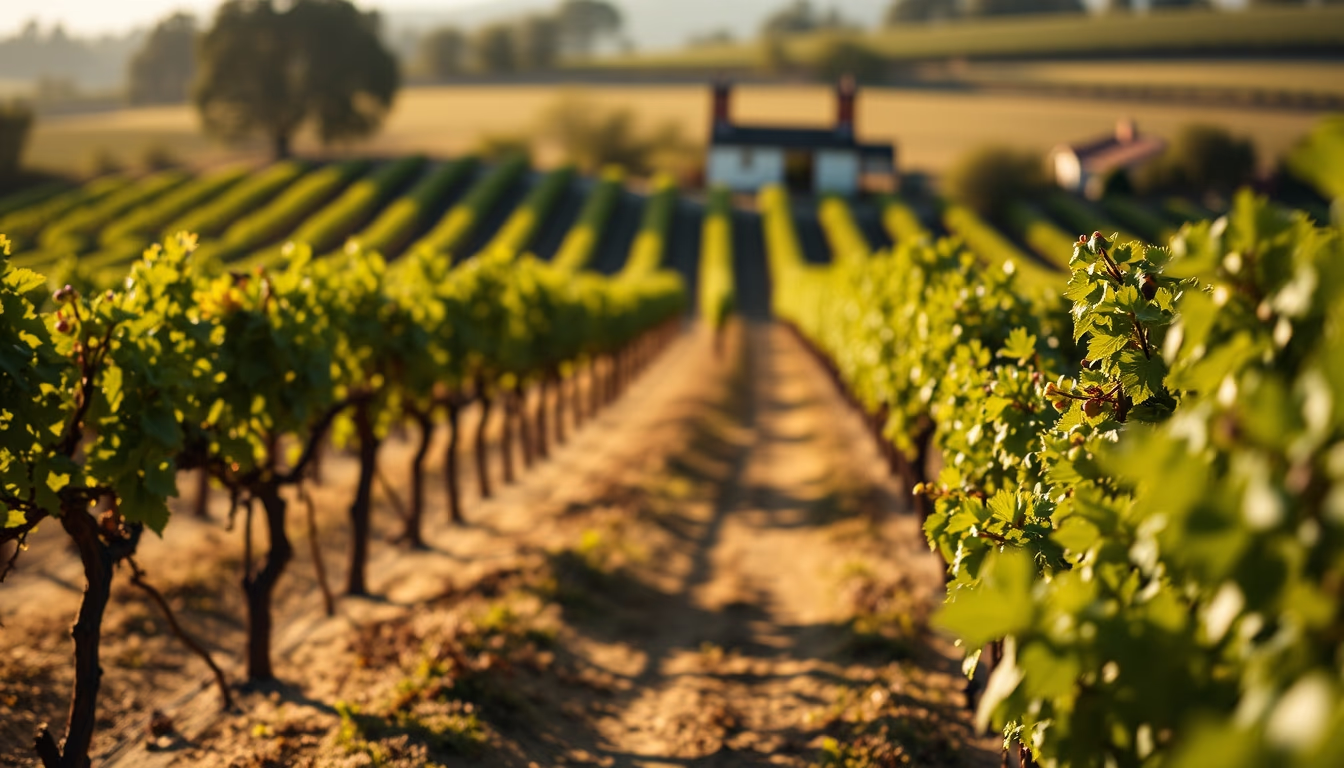
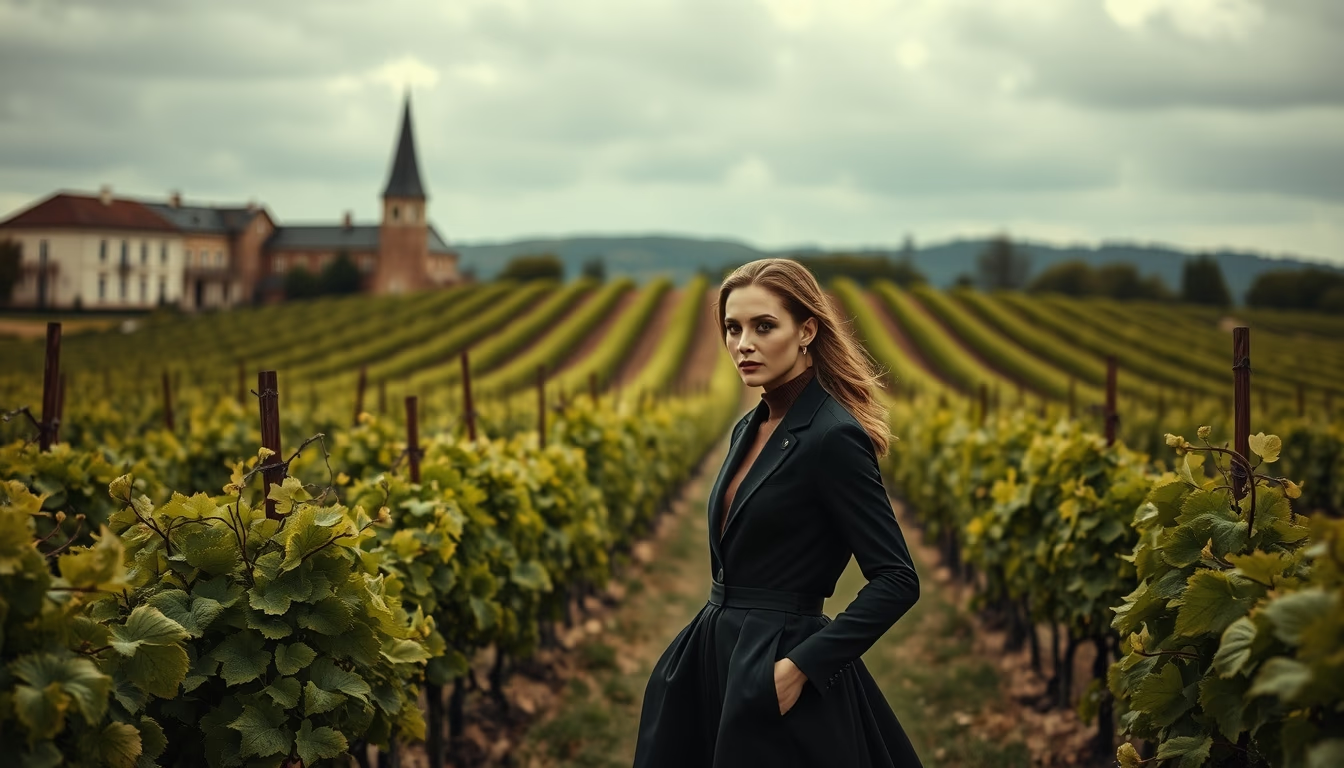
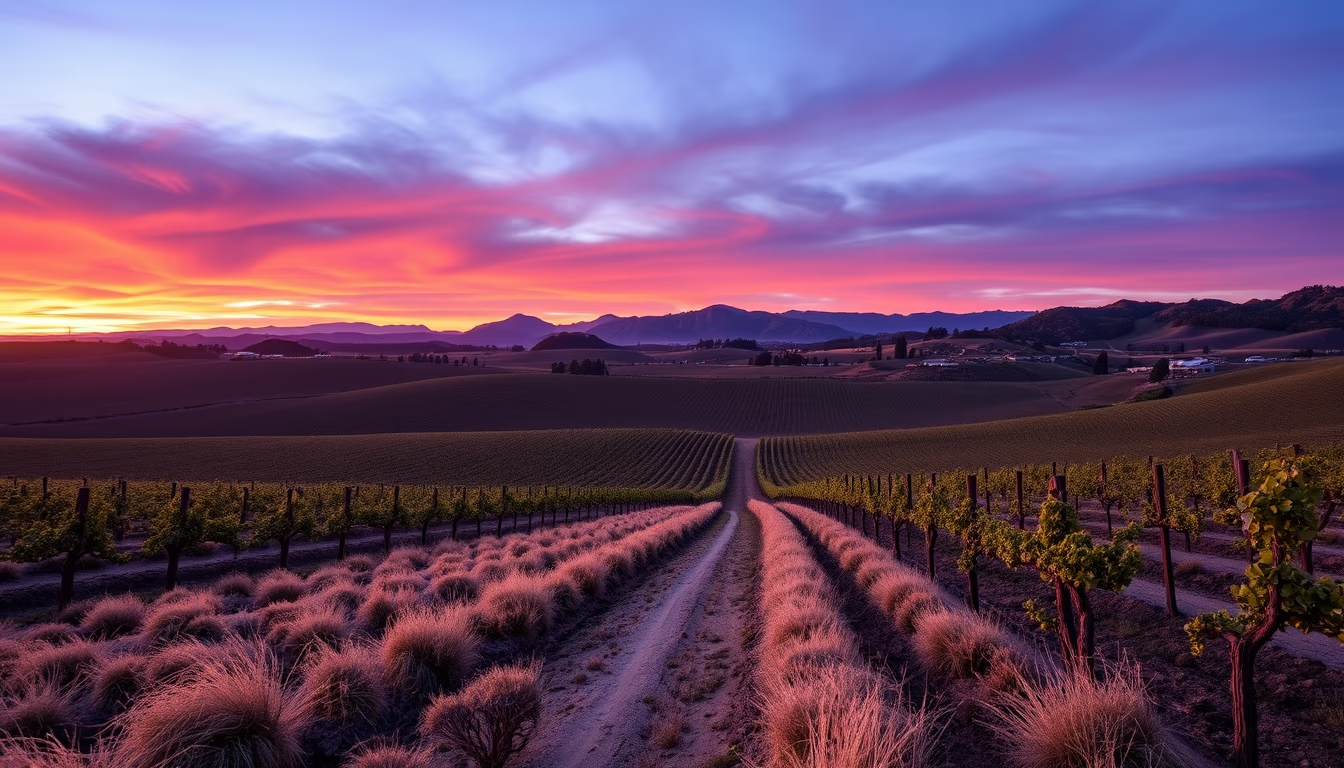
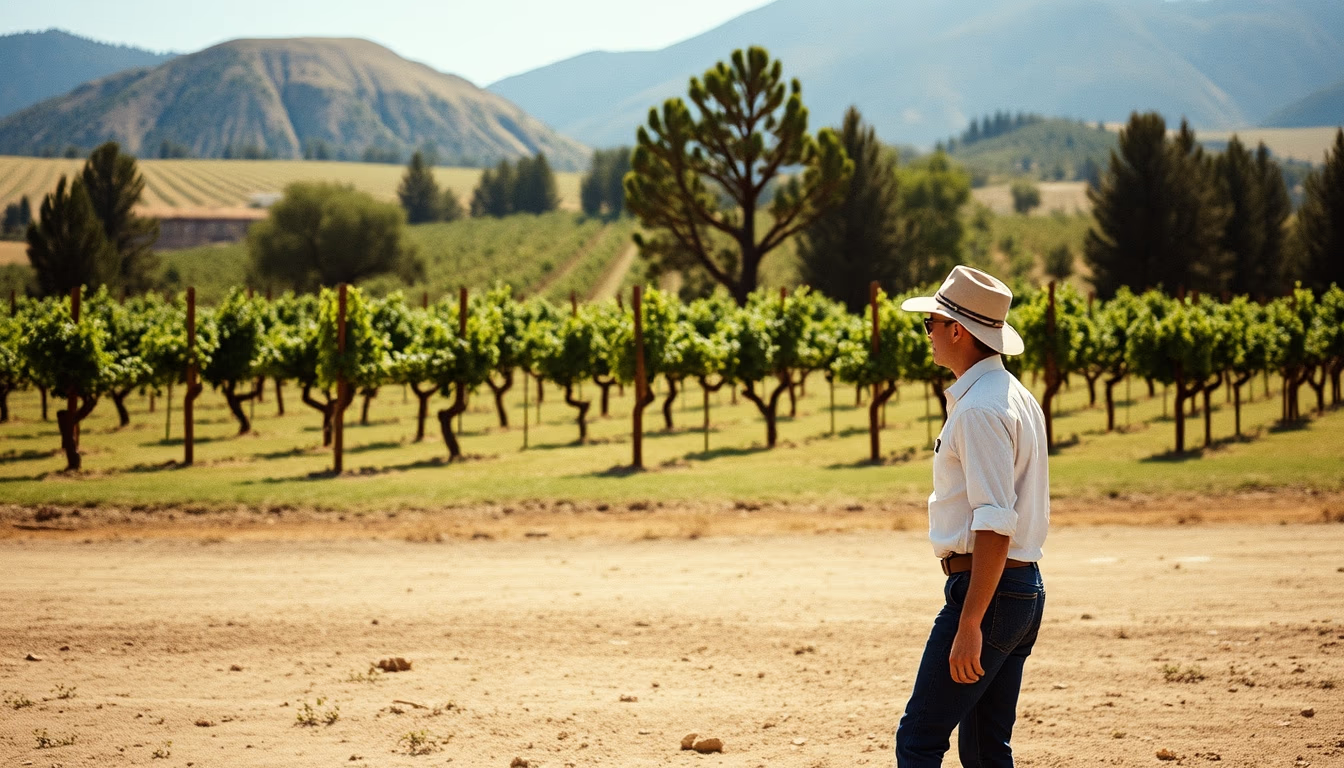
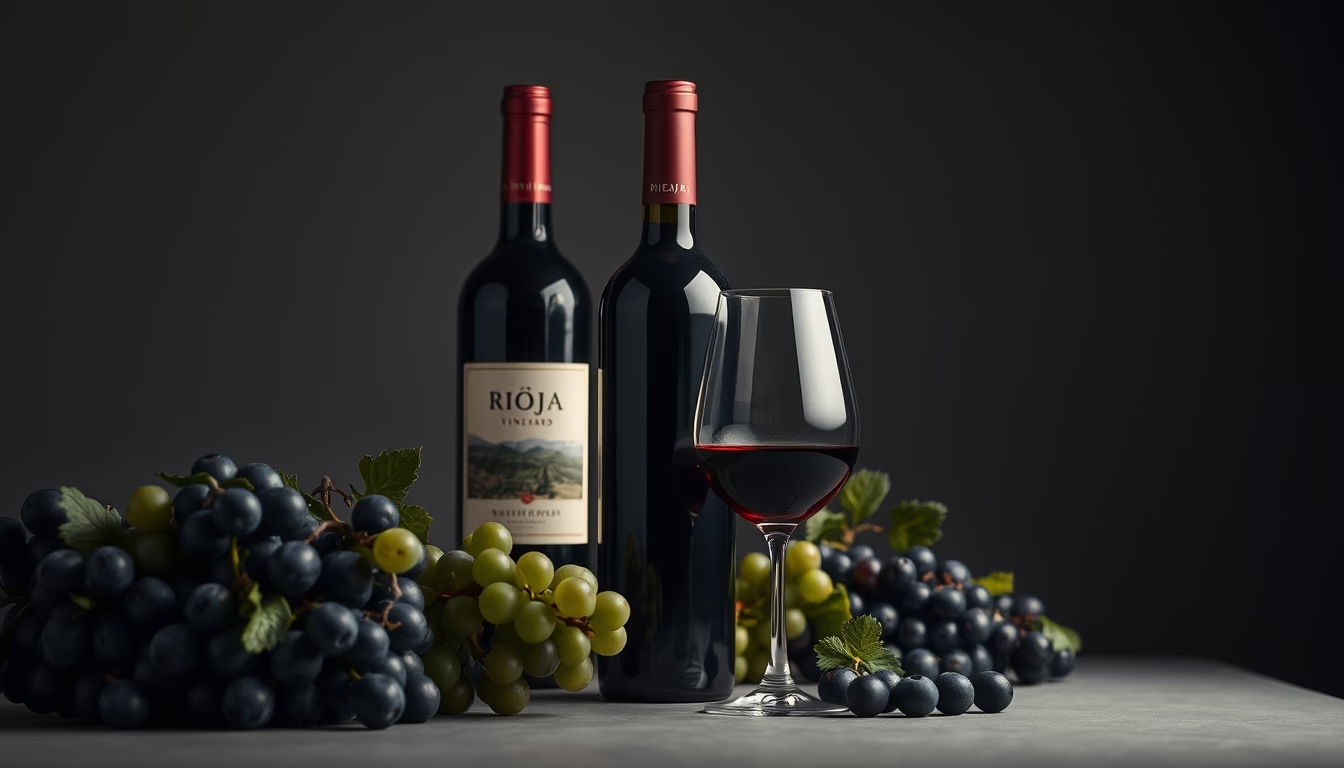
The vineyards of Bordeaux châteaux produce some of the world's most prestigious wines, with centuries of tradition and a unique terroir.
About this subject
Located in southwestern France, the Bordeaux wine region is one of the most renowned in the world, covering about 120,000 hectares of vineyards. It is crossed by the Garonne and Dordogne rivers, which form the Gironde estuary, creating a diversity of soils and microclimates. This geography distinguishes the left and right banks, each with its own characteristics. The left bank features gravelly soils ideal for Cabernet Sauvignon, while the right bank's clay soils favor Merlot.
The château system, referring to individual estates that own vineyards and produce wine, is central to Bordeaux's identity. Each château has its own distinct style, often with historic manors and extensive vineyards. The official 1855 Classification, established for the Paris Universal Exhibition, ranked the region's wines into five levels, with names like Château Lafite Rothschild, Château Margaux, and Château Latour at the top. This classification still influences prestige and prices today.
Key appellations include Médoc, Saint-Émilion, Pomerol, and Sauternes. Bordeaux reds are typically blends of Cabernet Sauvignon, Merlot, Cabernet Franc, Petit Verdot, and Malbec. The terroir, combined with vinification techniques and aging in oak barrels, yields complex wines with great aging potential. Bordeaux also produces dry and sweet white wines, such as those from Sauternes, famous for noble rot sweetness.
Bordeaux's influence extends globally, serving as a model for New World wine regions. Wine tourism attracts millions of visitors annually, who explore châteaux, taste recent and historic vintages, and travel the Bordeaux Wine Route. Tradition and innovation coexist, with many châteaux adopting sustainable and biodynamic practices.
Frequently Asked Questions
What is the difference between wines from the Left Bank and Right Bank of Bordeaux?
On the Left Bank, gravelly soils are better for Cabernet Sauvignon, resulting in tannic, structured wines like those from Médoc. On the Right Bank, clay soils favor Merlot, producing softer, fruitier wines such as those from Saint-Émilion and Pomerol.
What does the 1855 classification of Bordeaux wines mean?
The 1855 Classification was an official ranking of the best Bordeaux wines for the Paris Universal Exhibition, dividing them into five levels (Premier Cru to Cinquième Cru). It is still used as a benchmark for quality and prestige, with the First Growths leading.
Why are châteaux so famous in Bordeaux?
Châteaux are historic estates that produce wines with their own identity, many with centuries of tradition. They combine unique terroir, refined winemaking, and luxury marketing, making their labels iconic and sought after by collectors and enthusiasts worldwide.
Direct URL
https://pub-c7d6a6ea828543ac903a74a341ccb2e1.r2.dev/imagens/bordeaux-chateau-vineyards-magazine-editorial-fresh14.avifHow to credit
Include a visible link back to UtilizAí. Copy one of the snippets below:
<a href="https://xn--utiliza-eza.com/en/midia/imagens/bordeaux-chateau-vineyards-magazine-editorial-fresh14">Bordeaux chateau vineyards</a> by <a href="https://xn--utiliza-eza.com">UtilizAí</a>, licensed under <a href="https://creativecommons.org/licenses/by/4.0/">CC BY 4.0</a>.
[Bordeaux chateau vineyards](https://xn--utiliza-eza.com/en/midia/imagens/bordeaux-chateau-vineyards-magazine-editorial-fresh14) by [UtilizAí](https://xn--utiliza-eza.com), CC BY 4.0
License: CC-BY-4.0