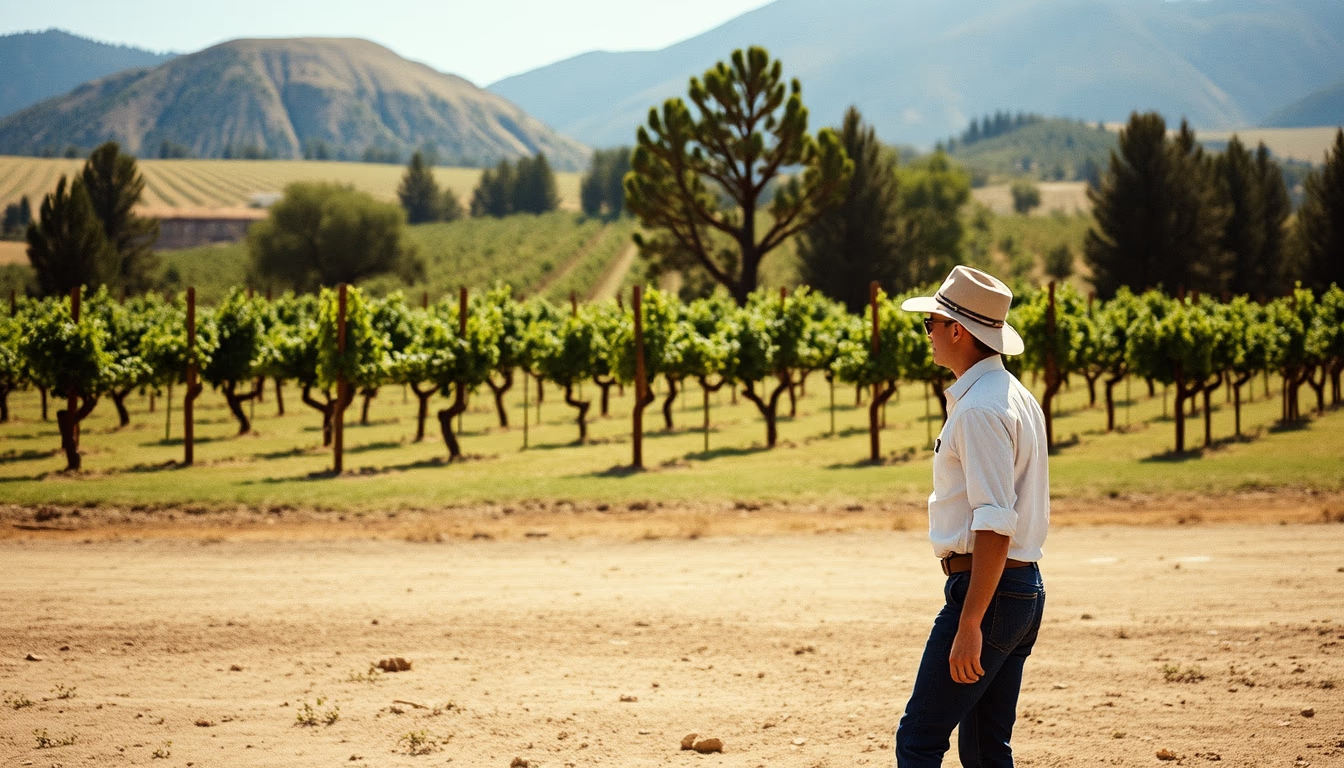
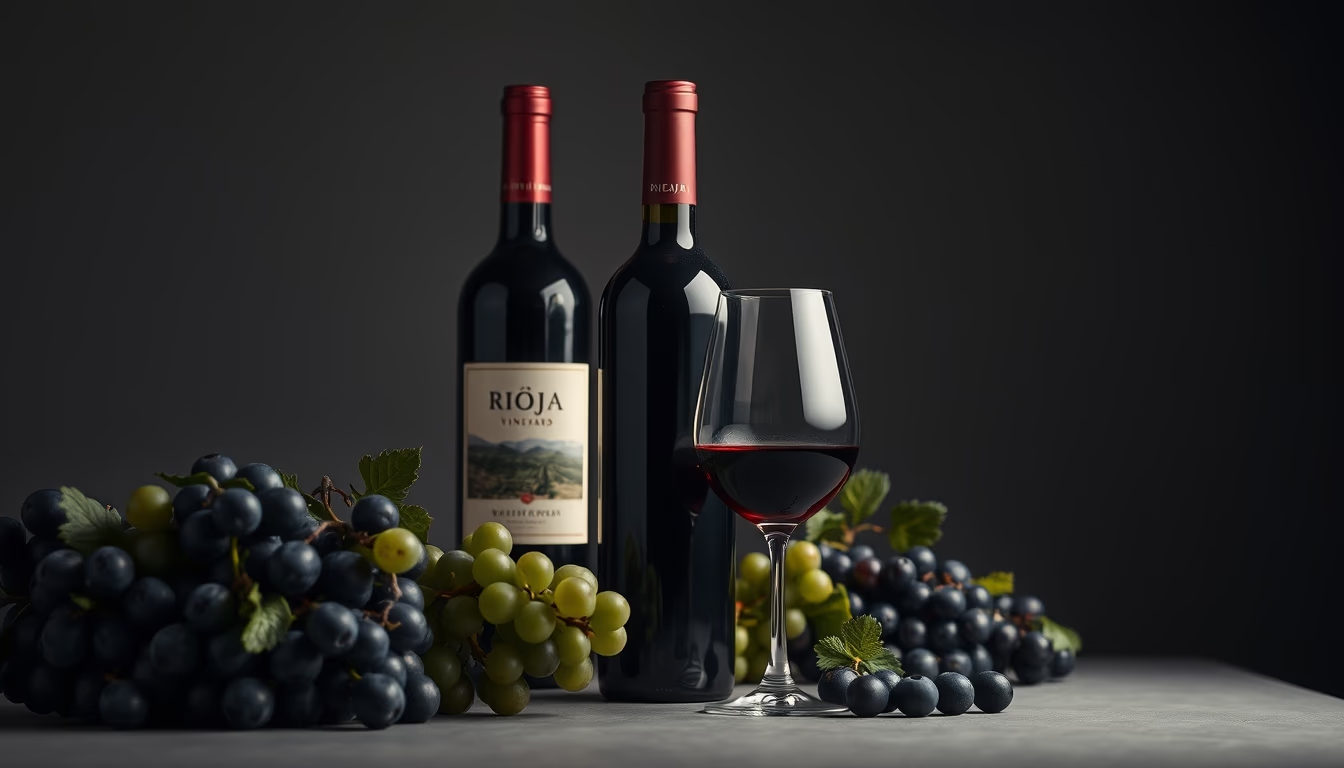
Bordeaux chateau vineyards
1344×768 · AVIF · CC BY 4.0
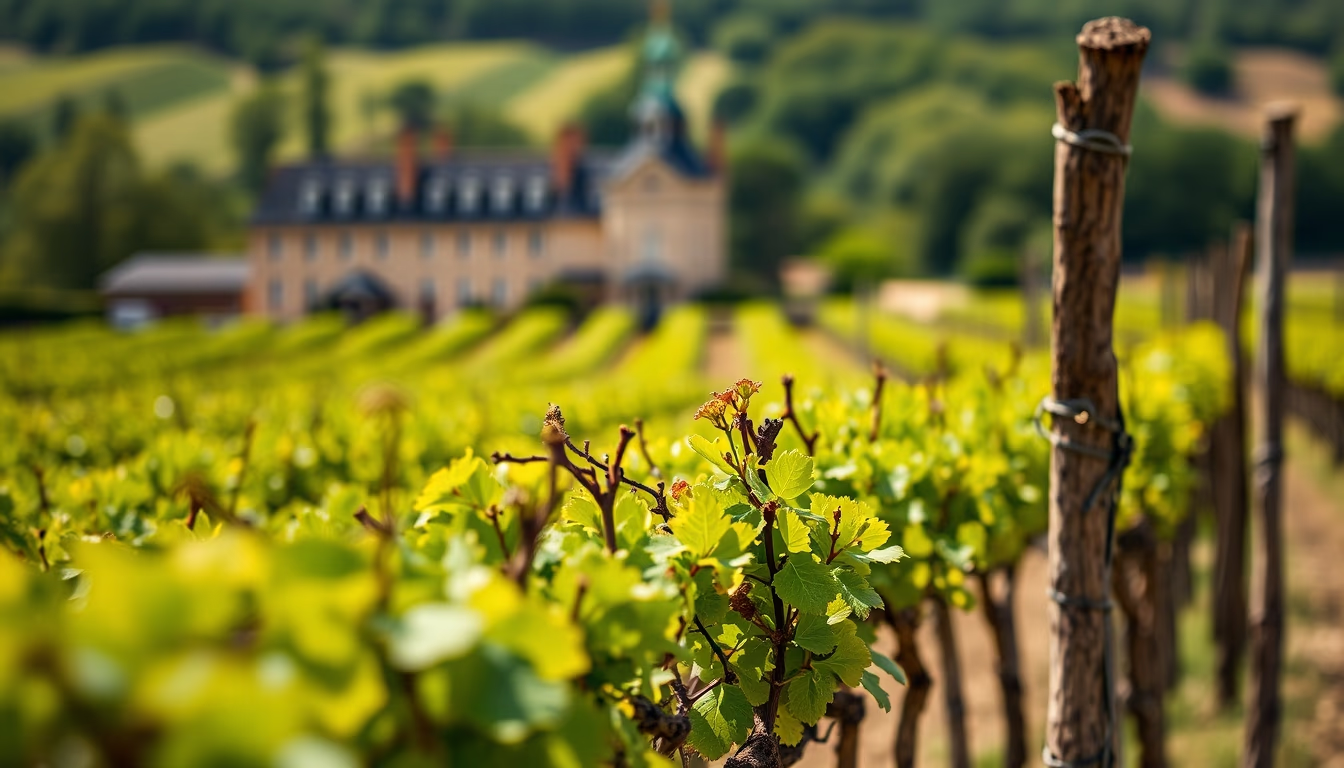
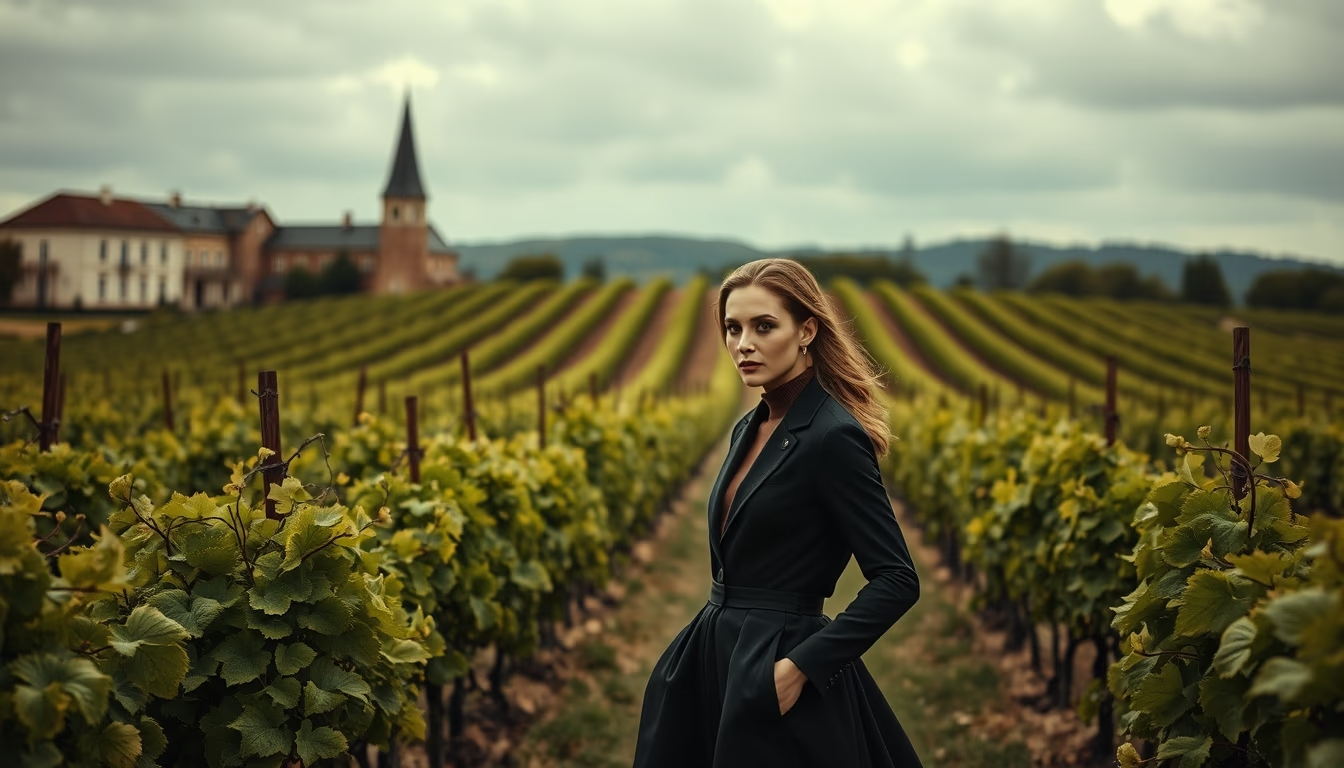
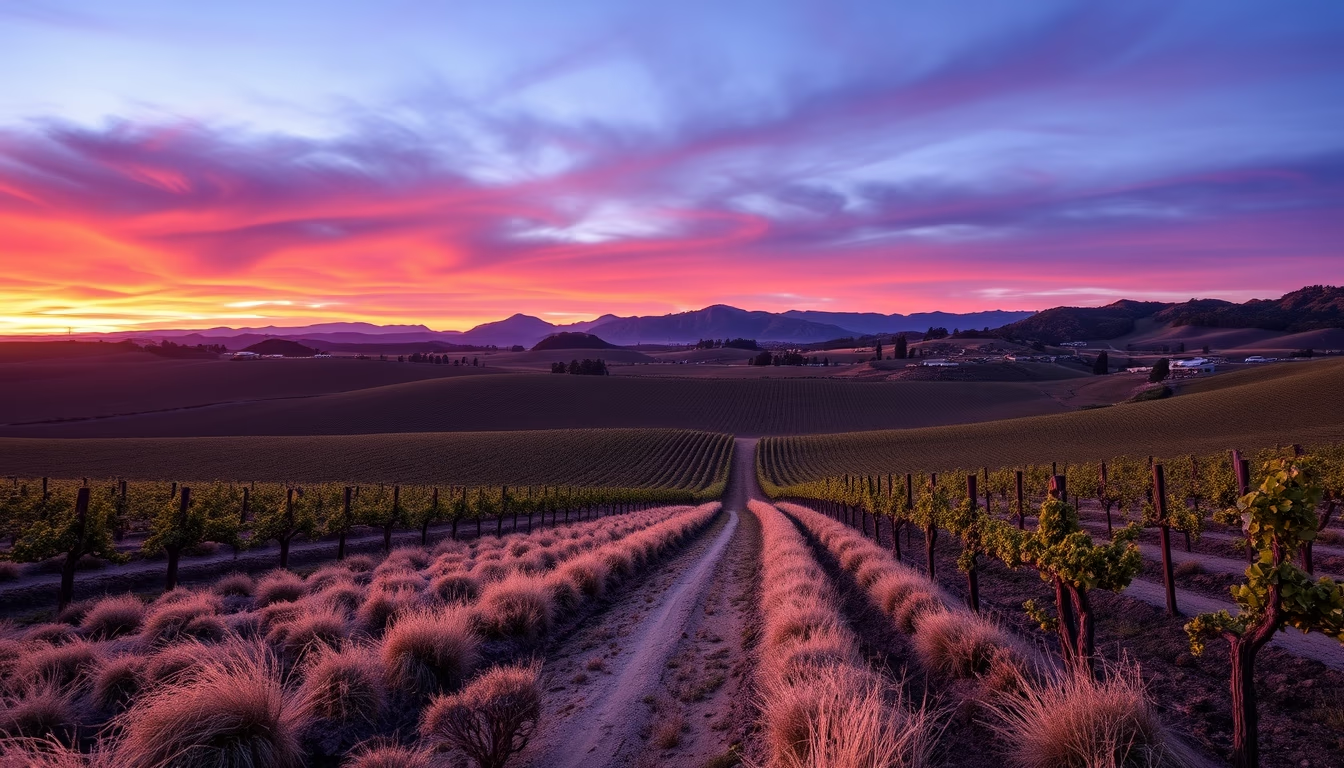
Bordeaux château vineyards produce some of the world's most prestigious wines, with unique terroir and centuries-old tradition.
About this subject
The Bordeaux wine region in southwestern France is globally recognized for its historic châteaux and vineyards spanning approximately 120,000 hectares. Divided by the Garonne River and the Gironde estuary, the area splits into left and right banks, each with distinct soil and climate characteristics. The left bank, home to famous Médoc and Graves châteaux, features gravelly soils ideal for Cabernet Sauvignon. The right bank, including Saint-Émilion and Pomerol, has clay-limestone soils perfect for Merlot and Cabernet Franc.
The official 1855 classification, established for the Paris Universal Exhibition, still influences château prestige today. Five growth levels rank producers, with Premier Cru (first growth) such as Château Lafite Rothschild, Château Margaux, and Château Latour. This hierarchy, based on historical prices and reputation, remains largely unchanged, reflecting centuries of consistent quality. Additionally, the AOC (Appellation d'Origine Contrôlée) system ensures traditional viticulture and winemaking practices, including aging in oak barrels.
Vineyards are cultivated with rigorous management, combining tradition and innovation. Many châteaux adopt sustainable practices like biodynamics to preserve the terroir. Bordeaux's temperate oceanic climate, with mild winters and warm summers, provides ideal conditions for slow grape ripening, resulting in complex wines with great aging potential. Harvesting is usually manual, with strict bunch selection. Bottling takes place at the château, reinforcing authenticity and quality control.
Interestingly, each château has a unique microterroir with specific drainage, sun exposure, and mineral composition. This explains why wines from similar grape varieties can have such distinct profiles between neighboring estates. The famous Château d'Yquem, for example, produces an exceptional sweet Sauternes thanks to Botrytis cinerea fungus, which concentrates sugars in the grapes. Such diversity makes Bordeaux a region of constant discovery for wine lovers.
Frequently Asked Questions
What does 'château' mean in Bordeaux?
In Bordeaux, 'château' does not strictly mean a castle but refers to a complete wine estate, including vineyards, cellars, and often a historic building. Each château operates independently, managing every step from cultivation to bottling.
What is the difference between the left and right banks of Bordeaux?
The left bank has predominantly gravelly soils that favor Cabernet Sauvignon, while the right bank has clay-limestone soils more suited to Merlot. This results in different wine styles: left-bank wines are more tannic and full-bodied, while right-bank wines are softer and fruitier.
Why is the 1855 classification still relevant?
The 1855 classification established a quality hierarchy based on historical reputation and prices. It remains a reference guide for consumers and investors because most classified châteaux have maintained high production standards over time, reinforcing the system's credibility.
Direct URL
https://pub-c7d6a6ea828543ac903a74a341ccb2e1.r2.dev/imagens/bordeaux-chateau-vineyards-macro-closeup-fresh11.avifHow to credit
Include a visible link back to UtilizAí. Copy one of the snippets below:
<a href="https://xn--utiliza-eza.com/en/midia/imagens/bordeaux-chateau-vineyards-macro-closeup-fresh11">Bordeaux chateau vineyards</a> by <a href="https://xn--utiliza-eza.com">UtilizAí</a>, licensed under <a href="https://creativecommons.org/licenses/by/4.0/">CC BY 4.0</a>.
[Bordeaux chateau vineyards](https://xn--utiliza-eza.com/en/midia/imagens/bordeaux-chateau-vineyards-macro-closeup-fresh11) by [UtilizAí](https://xn--utiliza-eza.com), CC BY 4.0
License: CC-BY-4.0