Bordeaux chateau vineyards
1344×768 · AVIF · CC BY 4.0
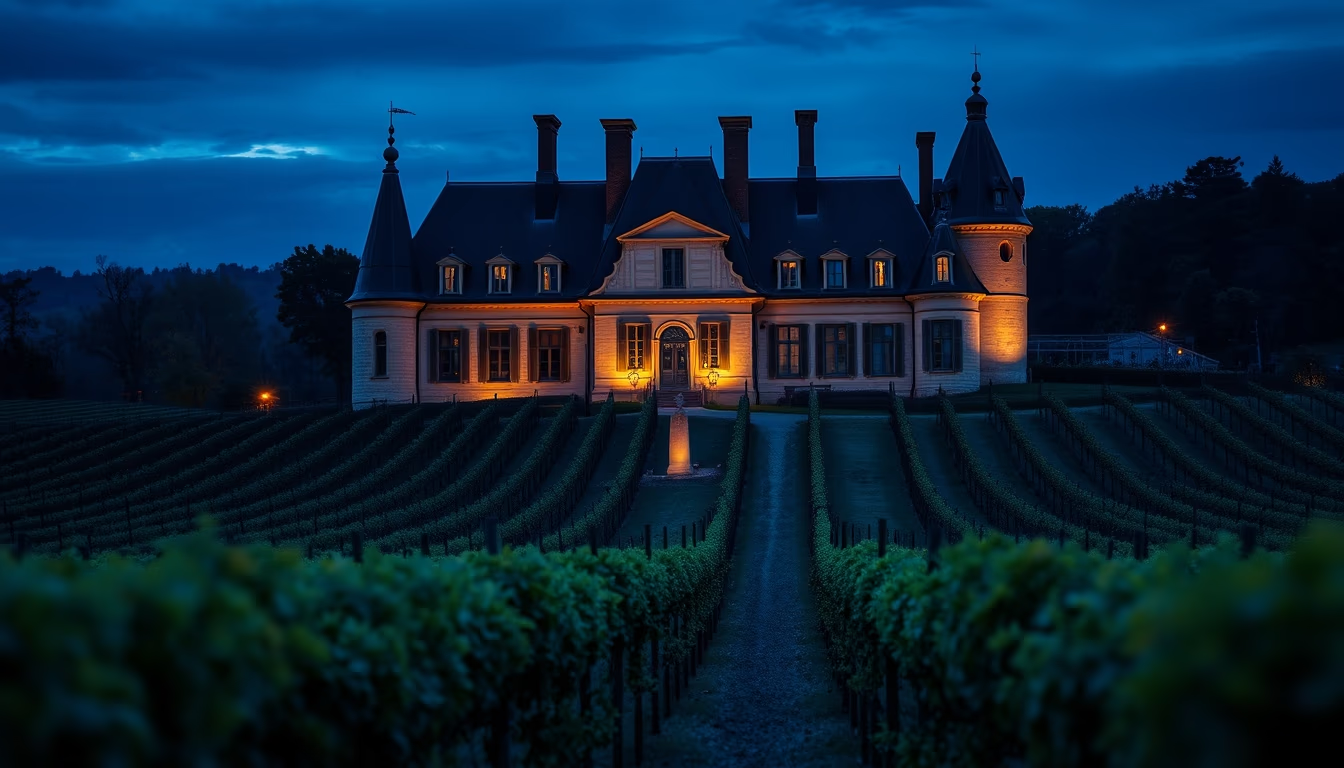
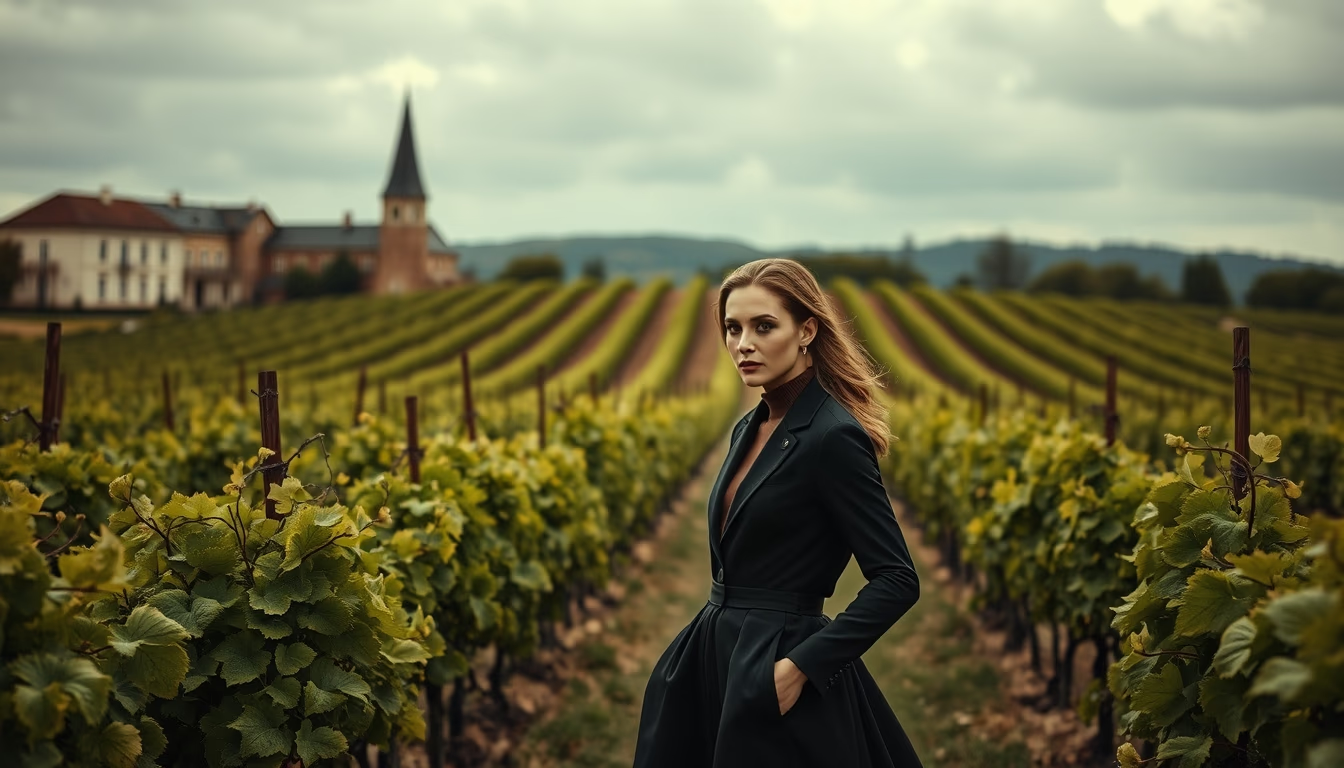
Bordeaux chateau vineyards represent the pinnacle of French viticulture, with centuries of history and a world-renowned wine classification system.
About this subject
The Bordeaux wine region, located in southwestern France along the Garonne River, is one of the most prestigious in the world. With over 120,000 hectares of vineyards, it produces wines ranging from the full-bodied reds of Médoc to the sweet whites of Sauternes. Châteaux, historic estates combining manor houses with vineyards, are the backbone of production. Each château has its own terroir, characterized by unique soil, microclimate, and tradition.
The official 1855 Classification, created for the Paris Universal Exhibition, ranked the châteaux of Médoc and Sauternes into five tiers, with Château Margaux, Château Latour, Château Lafite-Rothschild, and Château Haut-Brion at the top. This classification remains largely unchanged except for the promotion of Château Mouton-Rothschild in 1973. It deeply influences the global wine market, with bottles fetching astronomical prices at auctions.
Beyond the 1855 classification, other appellations like Saint-Émilion and Pomerol have their own ranking systems based on consistent wine quality. The region is divided into Left Bank and Right Bank, with soils predominantly gravel on the left and clay-limestone on the right. Dominant grape varieties are Cabernet Sauvignon and Merlot, which create characteristic blends. Bordelais winemaking traditions include aging in French oak barrels, imparting complexity and aging potential.
Wine tourism in Bordeaux is a growing attraction, with many châteaux offering guided tours, tastings, and accommodation. Cities like Bordeaux, Saint-Émilion, and Médoc receive millions of visitors annually, eager to explore historic cellars and vineyard landscapes. The vine cycle, from winter pruning to autumn harvest, dictates local life. The harvest, typically from September to October, is a period of intense activity and celebration.
Frequently Asked Questions
What is the difference between a château and a regular winery in Bordeaux?
A château in Bordeaux is an estate that includes a historic castle or manor house, vineyards, and production facilities. It typically produces wine under its own name and label, and the 1855 Classification is based on these châteaux. A regular winery may not have the same tradition or classification.
How does the Bordeaux wine classification work?
The most famous classification is the 1855 Classification, which ranked châteaux in Médoc and Sauternes into five categories (Premier Cru to Cinquième Cru). Other regions like Saint-Émilion and Pomerol have their own classifications, updated periodically, based on tastings and quality consistency.
Which grapes are used in Bordeaux wines?
Red wines primarily use Cabernet Sauvignon, Merlot, Cabernet Franc, Petit Verdot, and Malbec. Dry whites use Sauvignon Blanc, Sémillon, and Muscadelle. Sweet whites from Sauternes are made from Sémillon, Sauvignon Blanc, and Muscadelle infected with Botrytis cinerea (noble rot).
Direct URL
https://pub-c7d6a6ea828543ac903a74a341ccb2e1.r2.dev/imagens/bordeaux-chateau-vineyards-fine-art-photography-fresh13.avifHow to credit
Include a visible link back to UtilizAí. Copy one of the snippets below:
<a href="https://xn--utiliza-eza.com/en/midia/imagens/bordeaux-chateau-vineyards-fine-art-photography-fresh13">Bordeaux chateau vineyards</a> by <a href="https://xn--utiliza-eza.com">UtilizAí</a>, licensed under <a href="https://creativecommons.org/licenses/by/4.0/">CC BY 4.0</a>.
[Bordeaux chateau vineyards](https://xn--utiliza-eza.com/en/midia/imagens/bordeaux-chateau-vineyards-fine-art-photography-fresh13) by [UtilizAí](https://xn--utiliza-eza.com), CC BY 4.0
License: CC-BY-4.0