Bonsai rock landscape
1344×768 · AVIF · CC BY 4.0
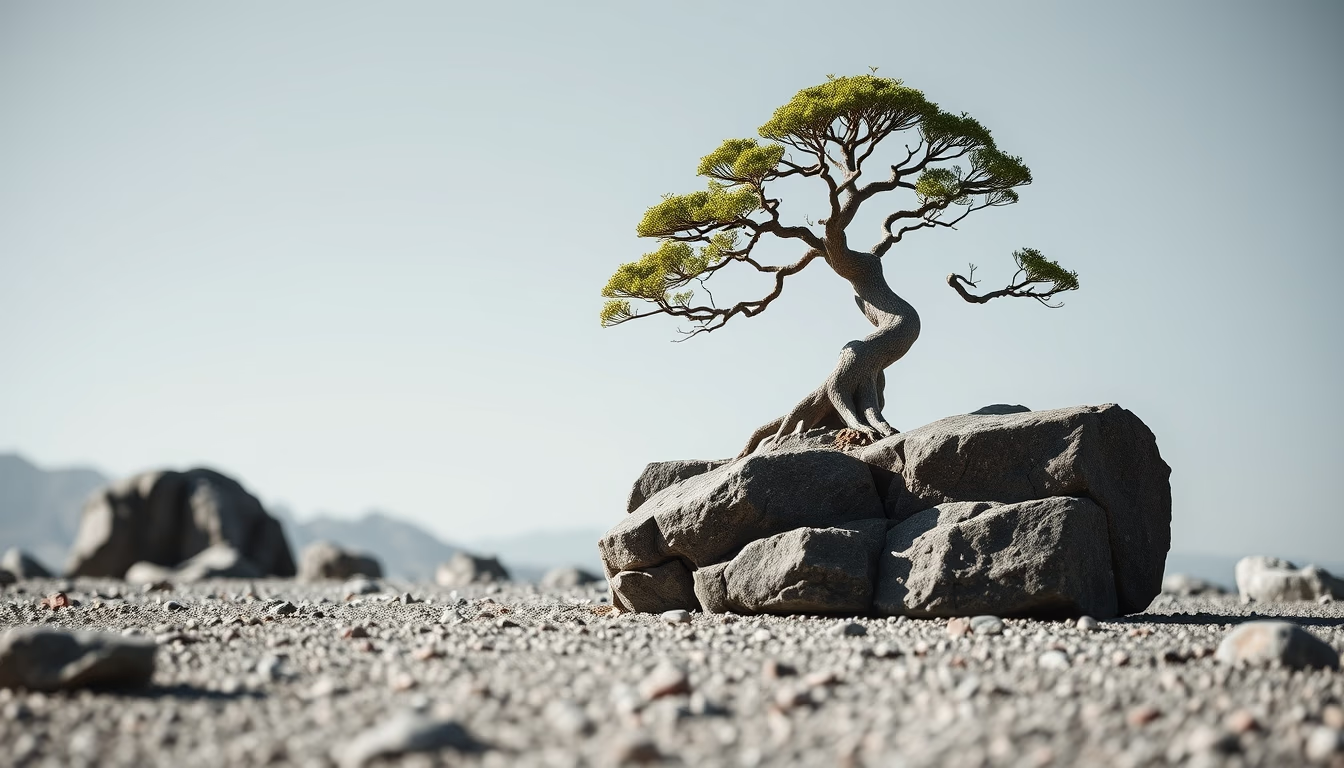
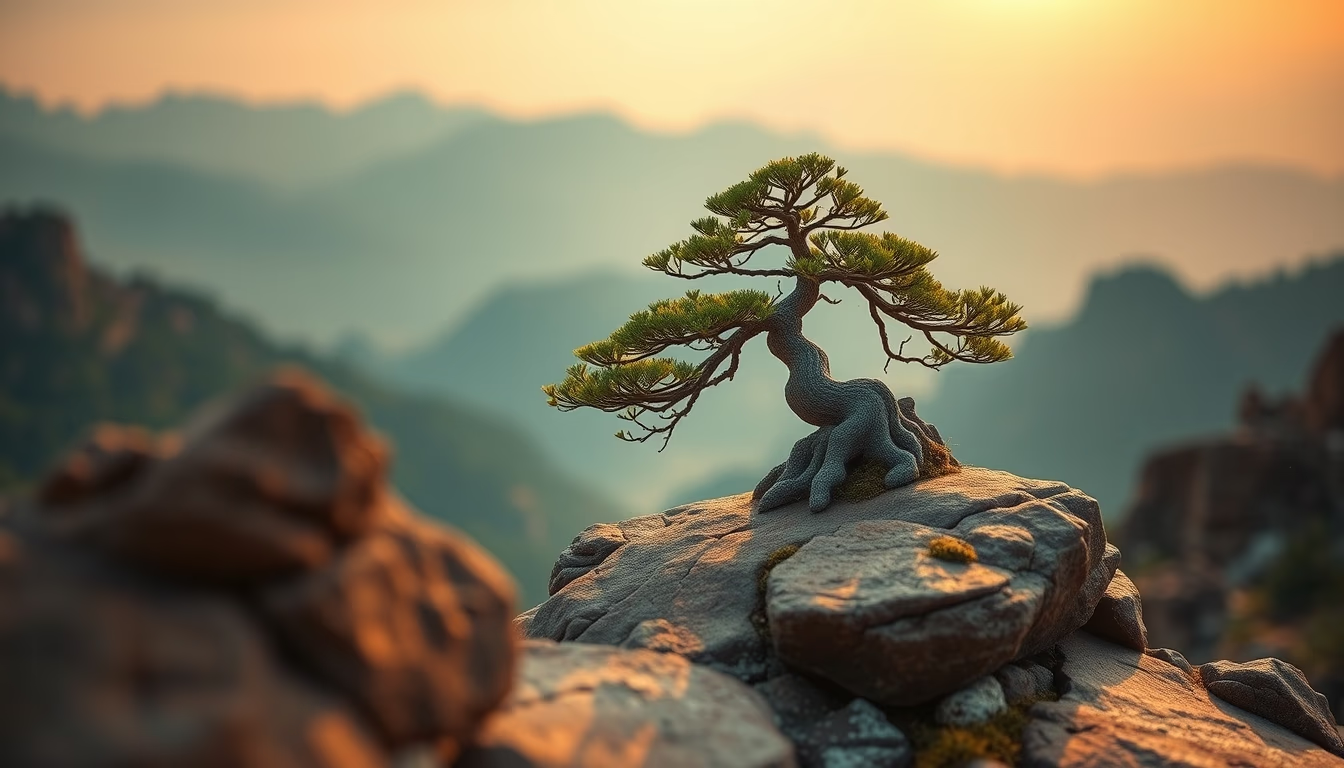
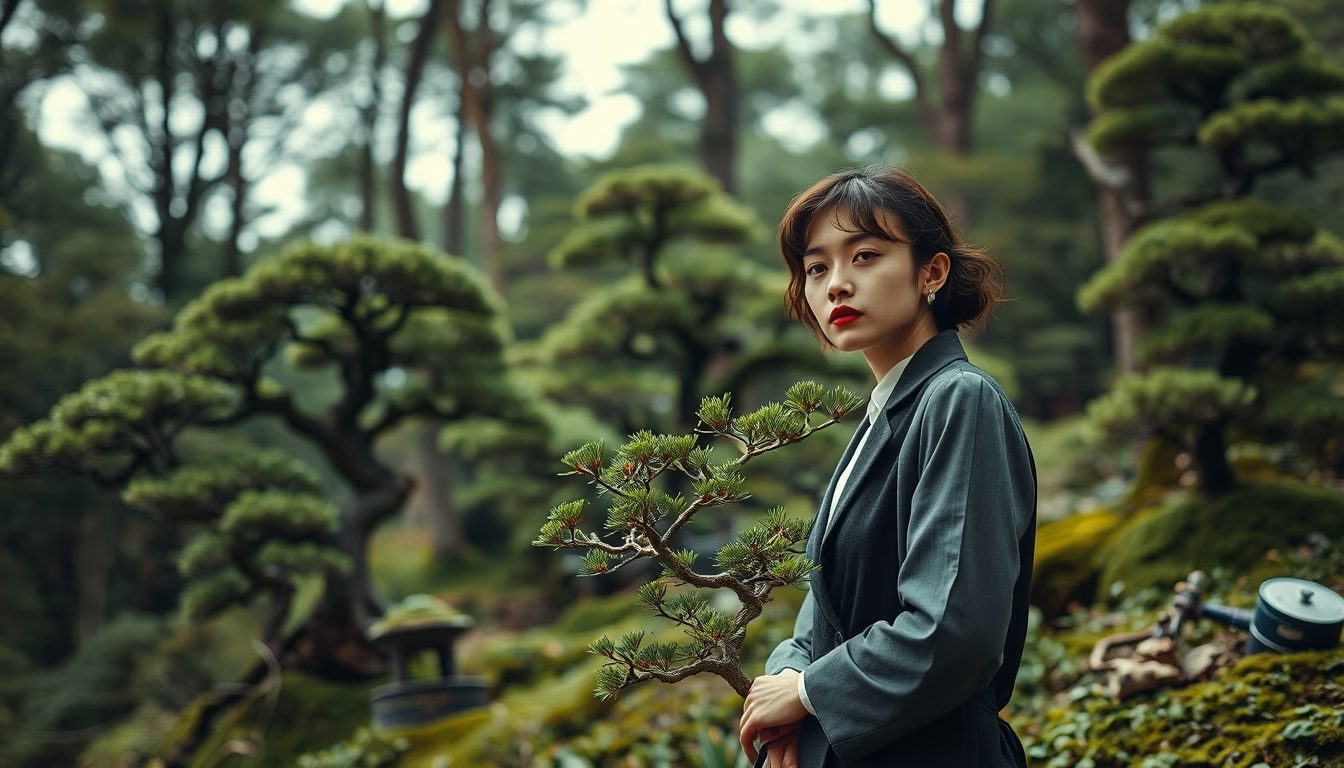
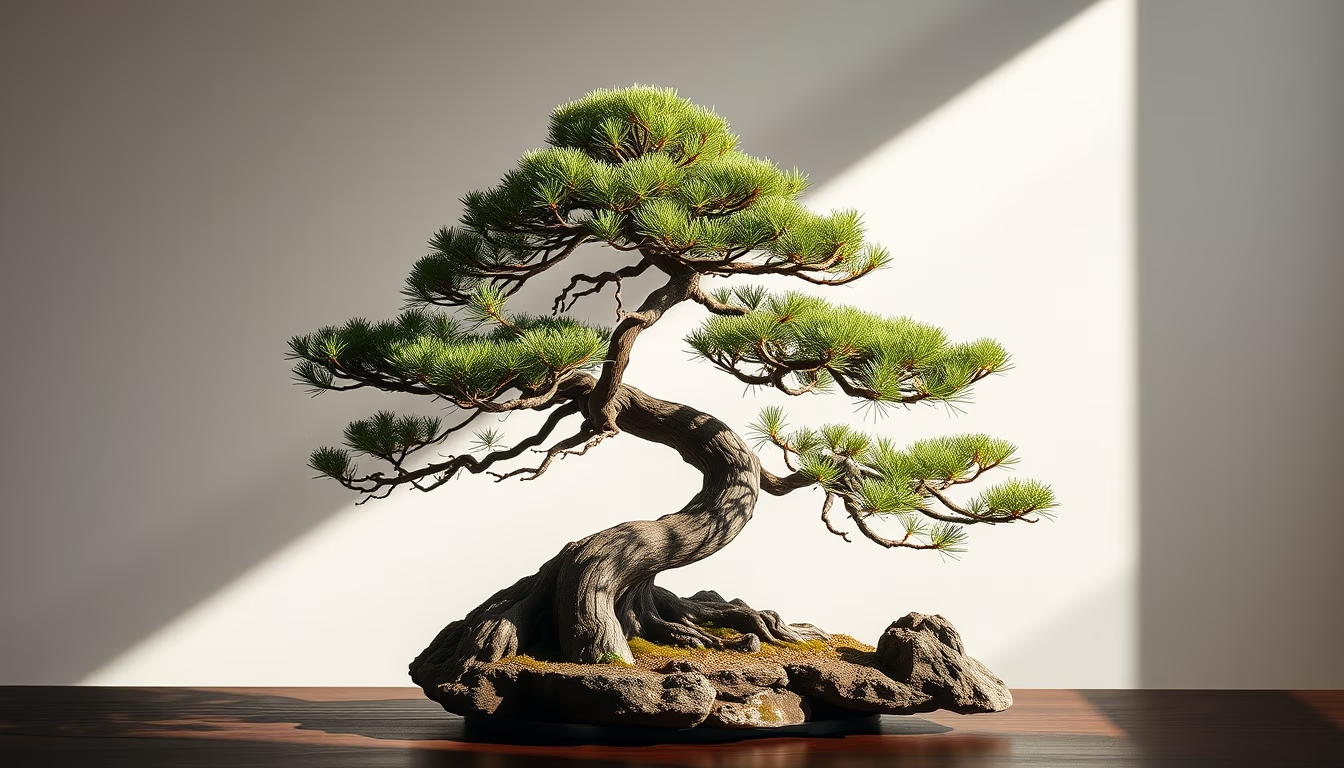
A bonsai rock landscape combines miniaturized trees with stones to recreate a natural scene in miniature.
About this subject
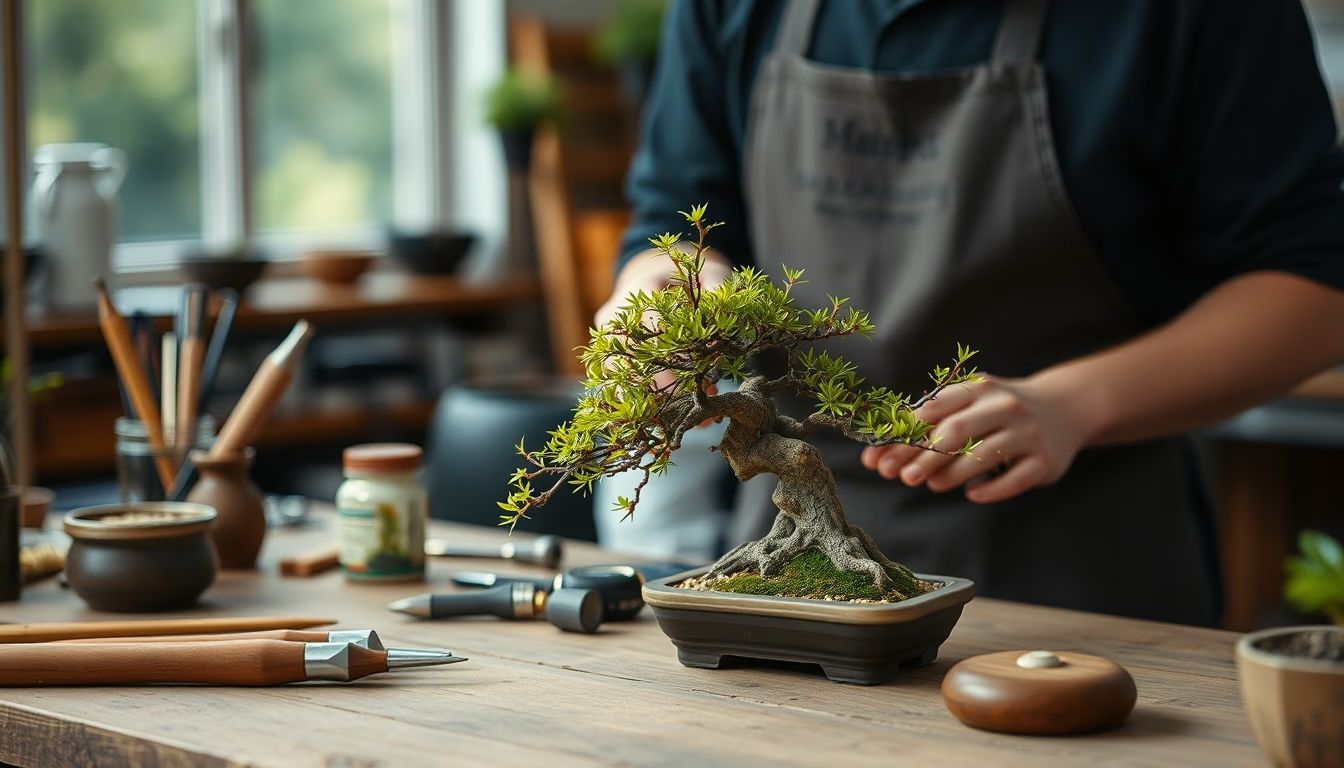
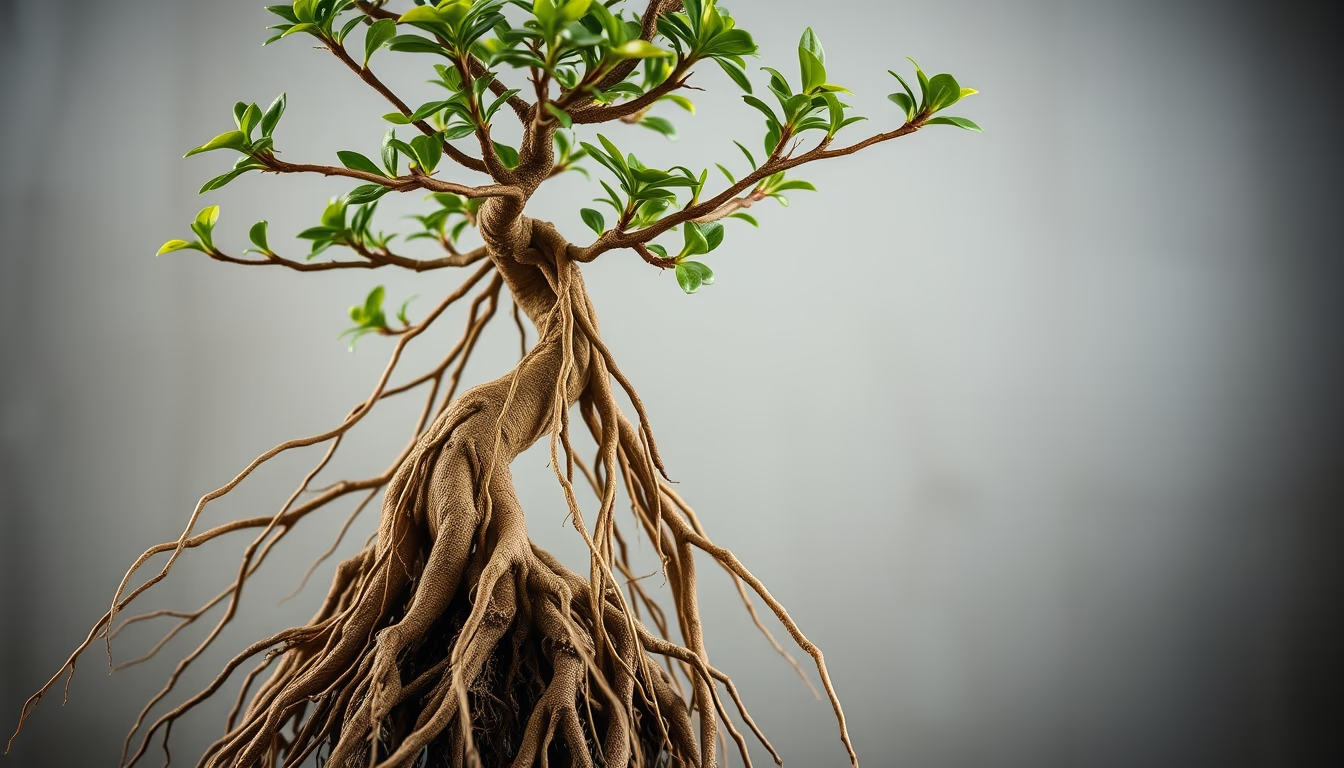
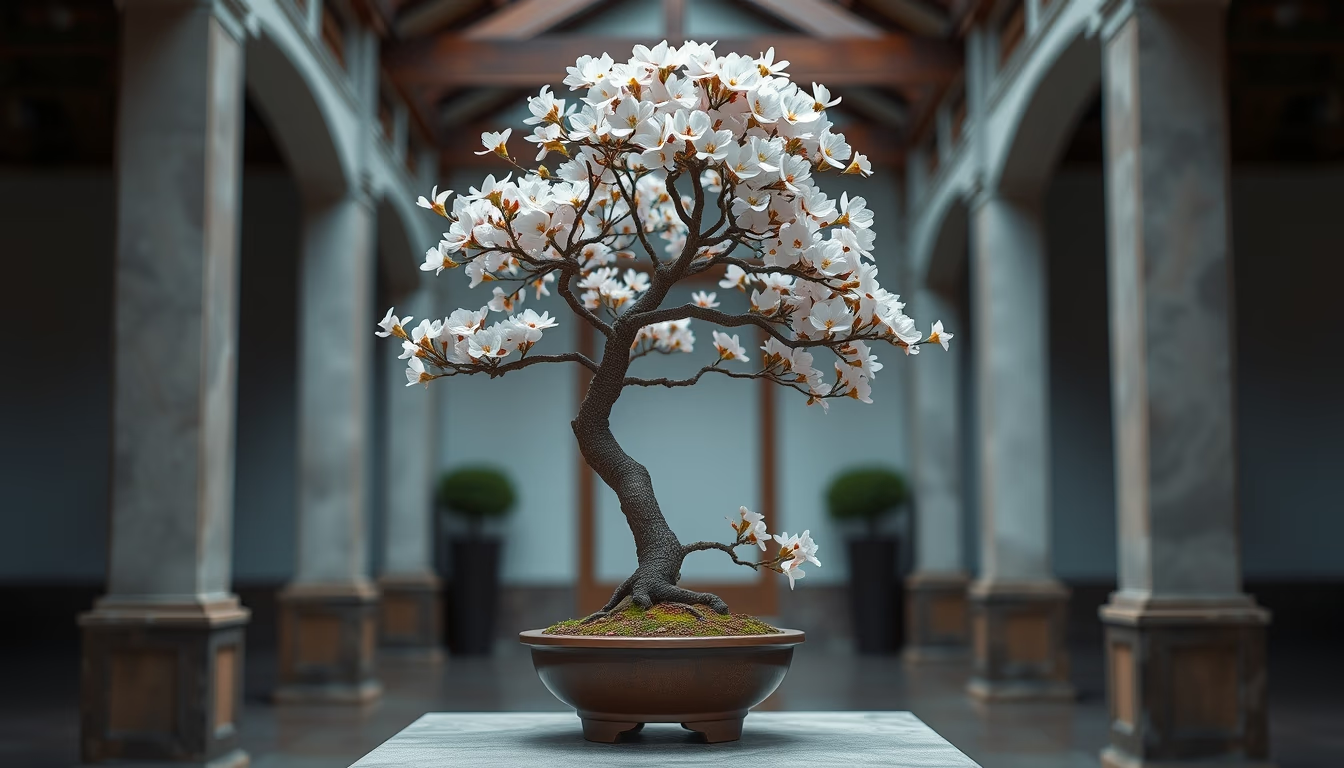
The art of bonsai with a rock landscape, known as saikei in Japan or landscape penjing in China, extends beyond the single-tree bonsai. It aims to represent a miniature ecosystem, where rocks, moss, small accent plants, and a shallow container combine to evoke mountains, valleys, and riverbanks. This practice originated centuries ago in China and later influenced Japan and the West. Unlike traditional bonsai, which focuses on one tree, saikei integrates multiple living and inert elements, requiring careful planning of composition, proportion, and balance. Stones are selected for their shape, texture, and color, often positioned to suggest a cliff or peak. The main tree, typically a pine, juniper, or maple, is planted to appear as if growing out of the rock. Moss covers the soil, visually unifying the components and retaining moisture. Maintenance includes regular pruning, frequent watering (due to the shallow pot), and moderate fertilization. A fascinating curiosity is that some compositions take decades to achieve aesthetic maturity, with roots slowly embracing the rocks. In Japan, saikei was popularized in the 20th century by master Toshio Kawamoto, who published books and taught specific techniques. Today, enthusiasts worldwide appreciate this art form as a living connection to nature in small spaces.
Frequently Asked Questions
What makes a bonsai rock landscape different from traditional bonsai?
A bonsai rock landscape (saikei) includes rocks, moss, and other plants in addition to the main tree, recreating a complete natural scene, whereas traditional bonsai focuses on a single tree in a pot.
Which tree species are best for creating a saikei?
Species like Japanese black pine, juniper, Japanese maple, and azalea are common because they tolerate frequent pruning and shallow roots growing over rocks.
How do I choose the right stones for a rock landscape composition?
Stones should have natural shapes, harmonious colors, and varied textures. Slate, granite, or volcanic rock are popular choices. Their placement should suggest mountains, cliffs, or riverbanks.
Direct URL
https://pub-c7d6a6ea828543ac903a74a341ccb2e1.r2.dev/imagens/bonsai-rock-landscape-minimalist-composition-fresh10.avifHow to credit
Include a visible link back to UtilizAí. Copy one of the snippets below:
<a href="https://xn--utiliza-eza.com/en/midia/imagens/bonsai-rock-landscape-minimalist-composition-fresh10">Bonsai rock landscape</a> by <a href="https://xn--utiliza-eza.com">UtilizAí</a>, licensed under <a href="https://creativecommons.org/licenses/by/4.0/">CC BY 4.0</a>.
[Bonsai rock landscape](https://xn--utiliza-eza.com/en/midia/imagens/bonsai-rock-landscape-minimalist-composition-fresh10) by [UtilizAí](https://xn--utiliza-eza.com), CC BY 4.0
License: CC-BY-4.0