Bonsai rock landscape
1344×768 · AVIF · CC BY 4.0
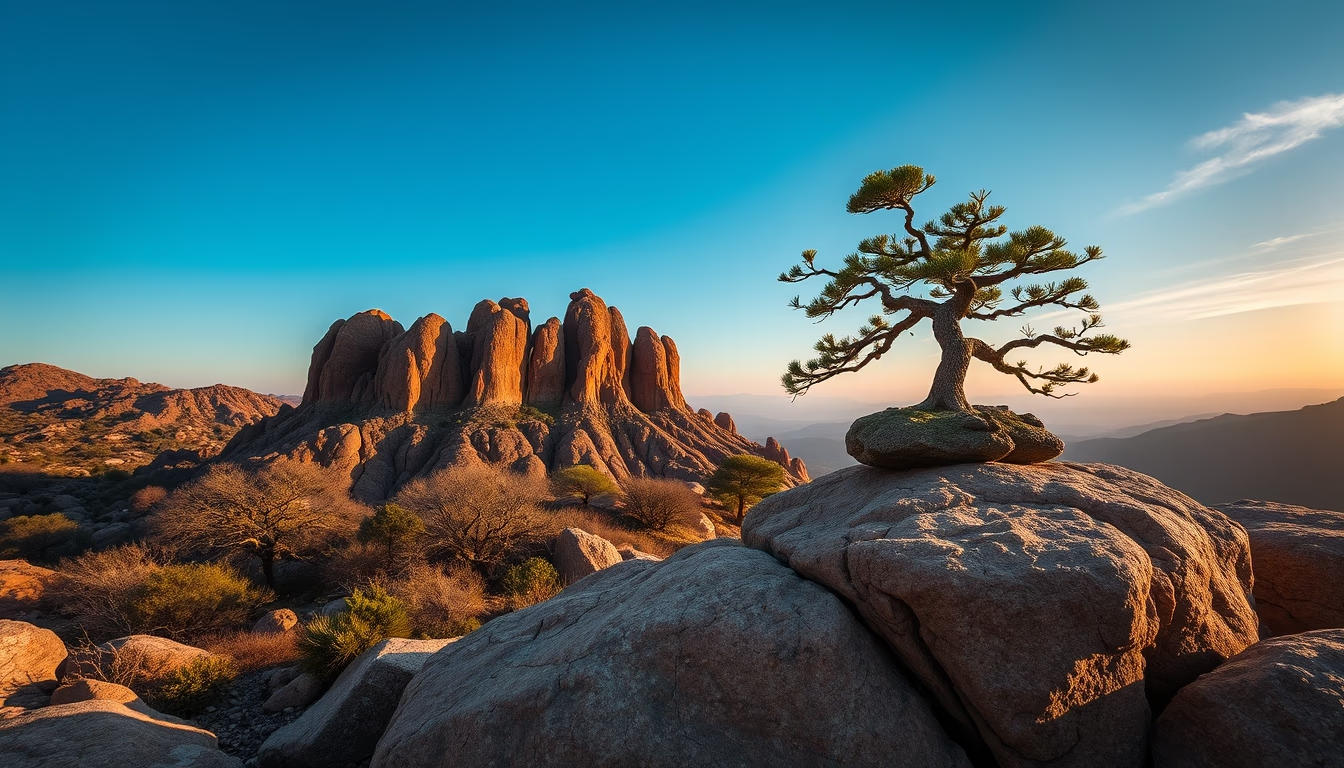
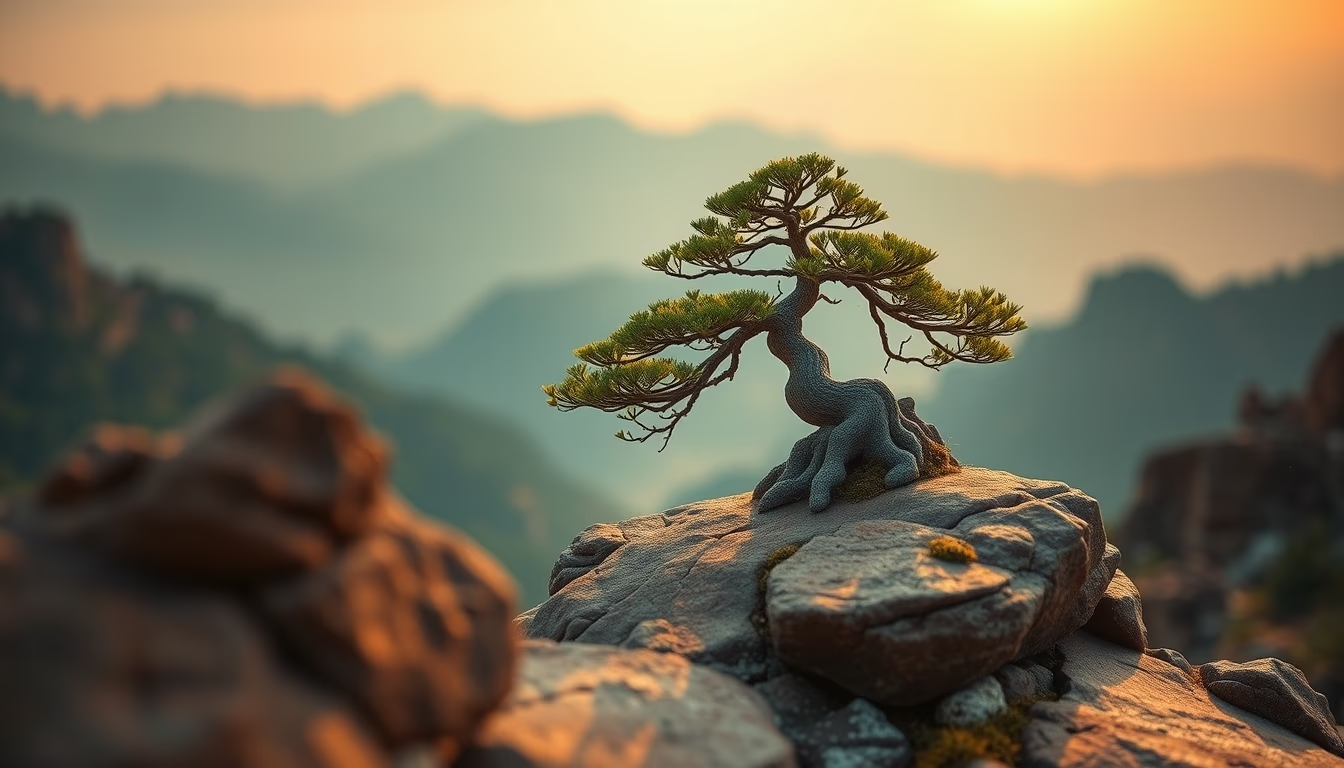
Bonsai rock landscape, known as ishi-tsuki, replicates ancient trees growing on rocks, symbolizing resilience and harmony with nature.
About this subject
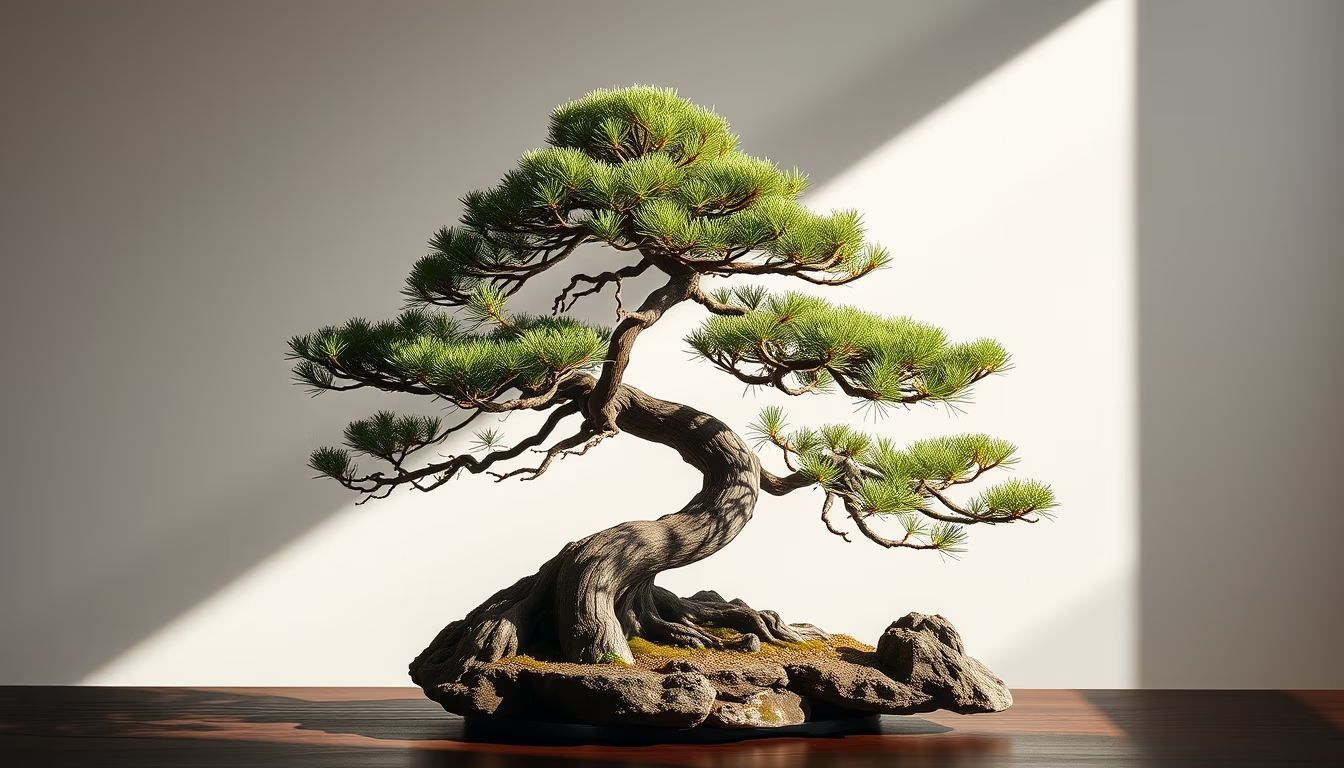
The ishi-tsuki style (tree on a rock) is one of the most ancient and revered forms of bonsai art. In this technique, the tree's roots wrap around and cling to a rock, which serves as the base, while the canopy grows freely. It aims to mimic the appearance of trees growing on rocky slopes or cliffs, surviving harsh conditions. Rock selection is crucial: natural shape, texture, and color should complement the tree. Common species include Japanese black pine (Pinus thunbergii), juniper (Juniperus chinensis), and maple (Acer palmatum), as they adapt well to limited space and rock drainage.
Ishi-tsuki origins trace back to ancient China, but it was in Japan that it evolved into a refined art during the Muromachi period (1336-1573). Zen monks used these miniature landscapes as meditation aids, representing impermanence and life's strength. In Japanese culture, rock bonsai symbolizes overcoming obstacles, balance between heaven and earth, and coexistence of opposing elements: hardness and flexibility, stability and movement.
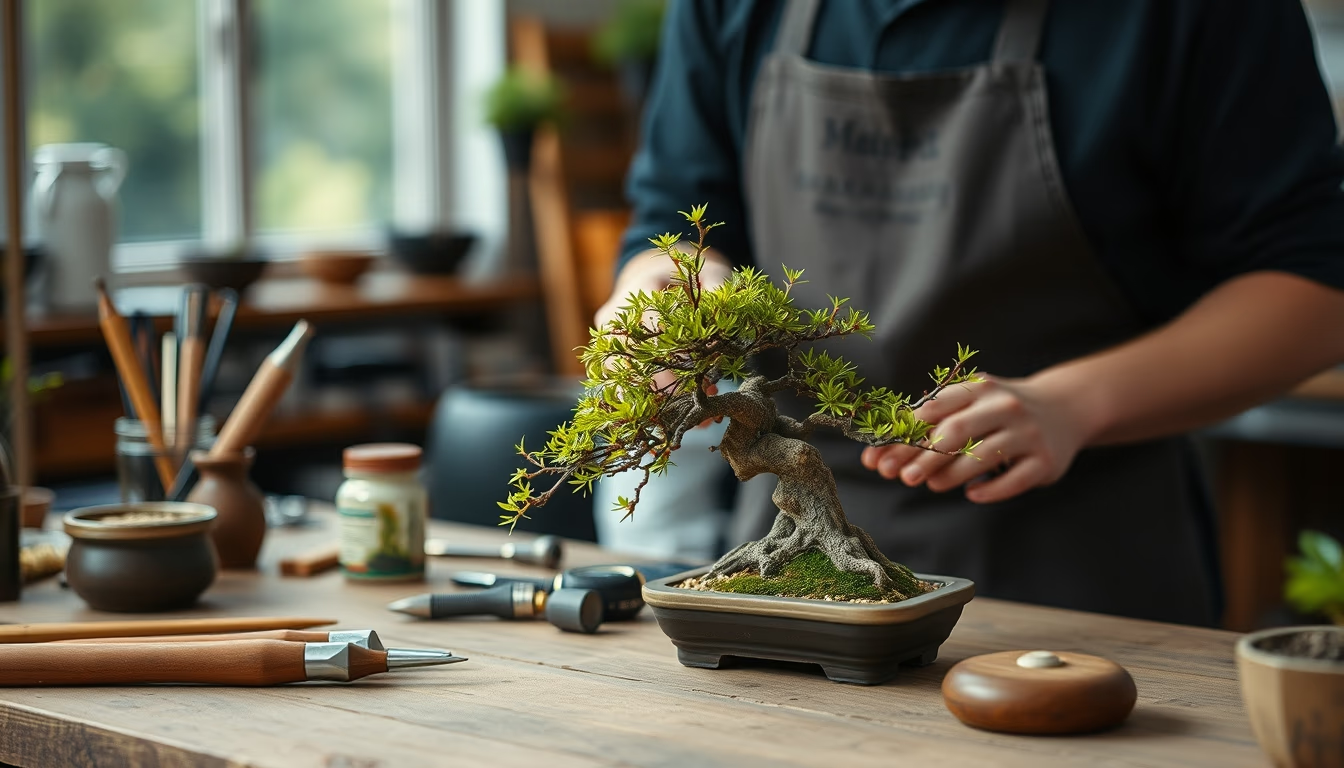
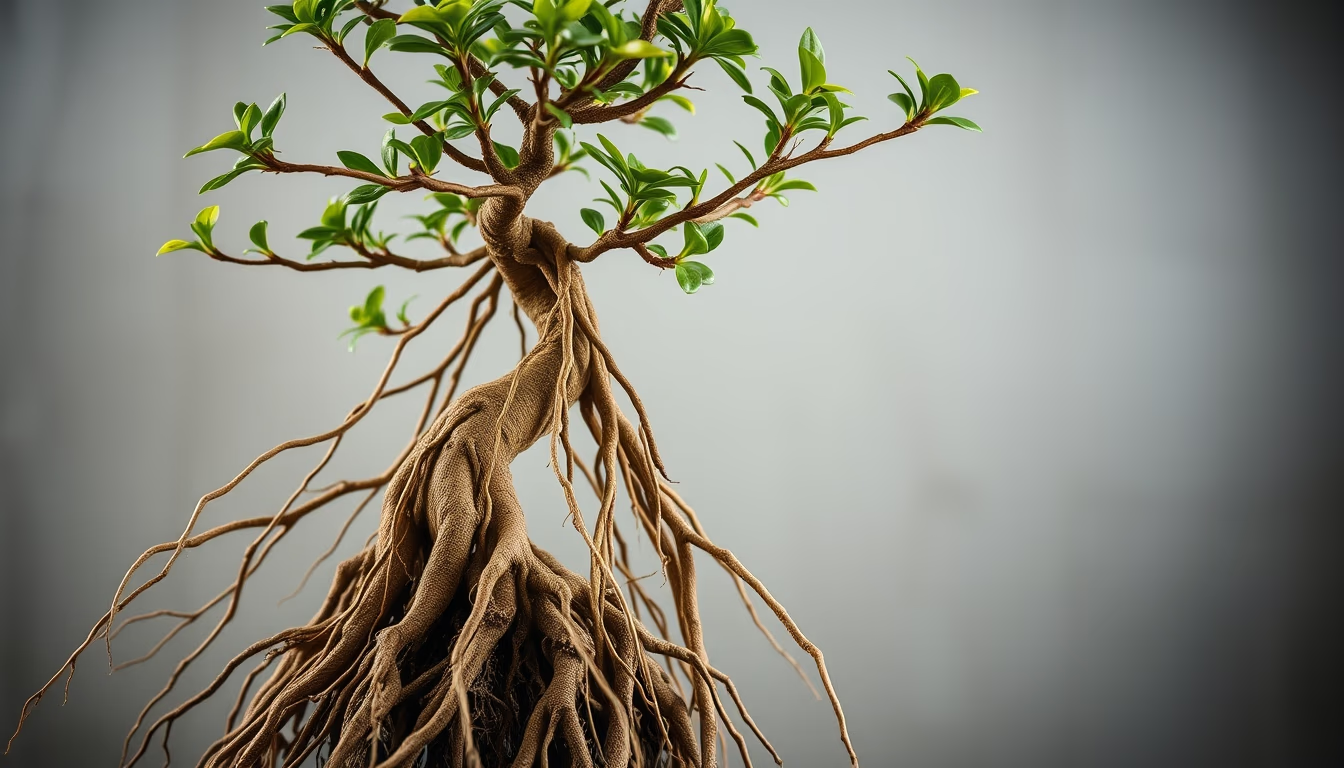
Maintaining a rock bonsai is more complex than conventional potted bonsai. Watering must be frequent, as the reduced substrate dries quickly. Fertilization uses diluted liquid fertilizer applied directly to exposed roots. Root pruning is necessary every two or three years to prevent the tree from outgrowing the rock. Additionally, carving deadwood (jin/shari) is common to create natural aging effects.
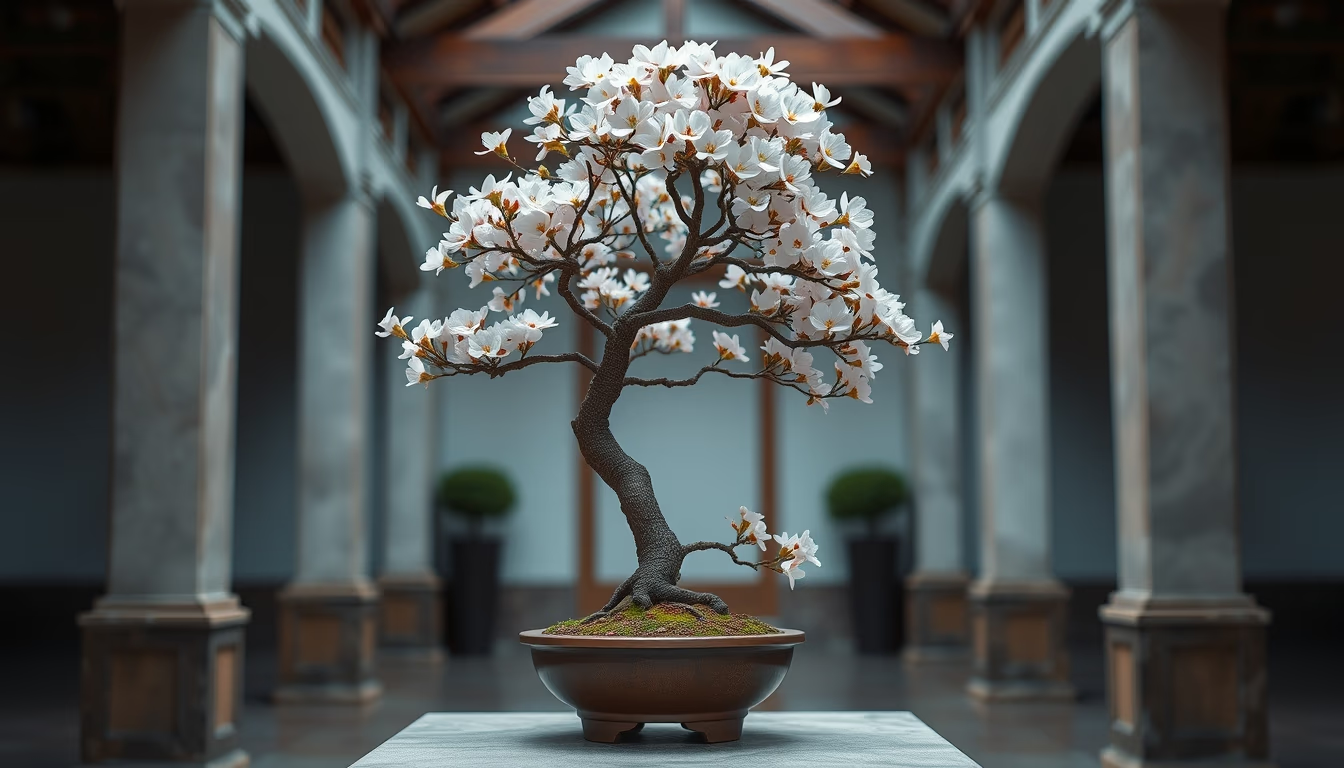
In the West, interest in this style grew from the 20th century onward, with the spread of books and bonsai exhibitions. Today, bonsai associations in Brazil and worldwide host workshops and competitions specifically for ishi-tsuki. Fine art photography of this bonsai type emphasizes rock texture, root curves, and tree silhouette, making it a decorative and collectible piece.
Frequently Asked Questions
What does ishi-tsuki mean in bonsai?
Ishi-tsuki is a Japanese technique where the tree is planted on a rock, with roots embracing the stone. It symbolizes nature's resilience and harmony between contrasting elements.
Which tree species are best for ishi-tsuki bonsai?
Common species include Japanese black pine, juniper, maple, Chinese elm, and azalea. They have strong roots and adapt well to limited space.
How do you care for a rock bonsai (ishi-tsuki)?
Frequent watering, diluted liquid fertilizer, root pruning every 2-3 years, and protection from intense sun. The rock must be stable and the substrate well-drained.
Direct URL
https://pub-c7d6a6ea828543ac903a74a341ccb2e1.r2.dev/imagens/bonsai-rock-landscape-fine-art-photography-fresh11.avifHow to credit
Include a visible link back to UtilizAí. Copy one of the snippets below:
<a href="https://xn--utiliza-eza.com/en/midia/imagens/bonsai-rock-landscape-fine-art-photography-fresh11">Bonsai rock landscape</a> by <a href="https://xn--utiliza-eza.com">UtilizAí</a>, licensed under <a href="https://creativecommons.org/licenses/by/4.0/">CC BY 4.0</a>.
[Bonsai rock landscape](https://xn--utiliza-eza.com/en/midia/imagens/bonsai-rock-landscape-fine-art-photography-fresh11) by [UtilizAí](https://xn--utiliza-eza.com), CC BY 4.0
License: CC-BY-4.0