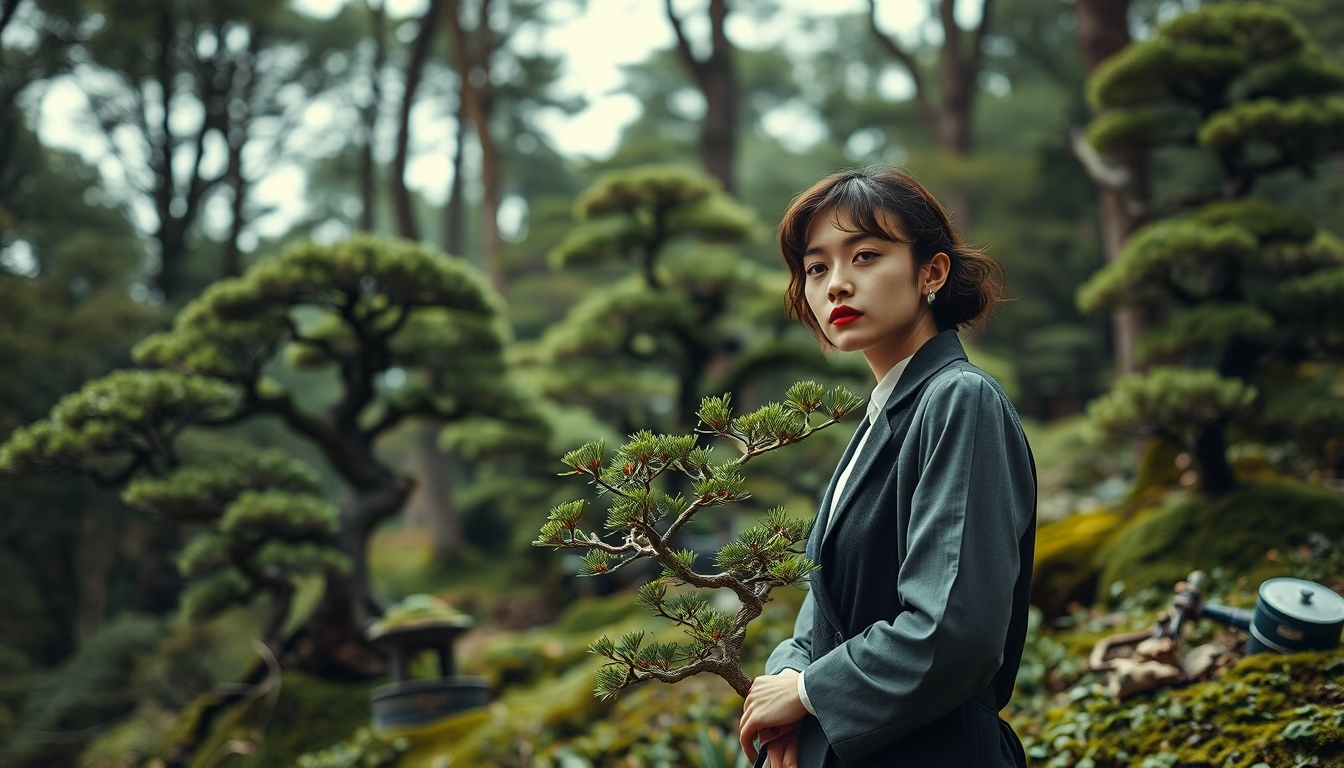
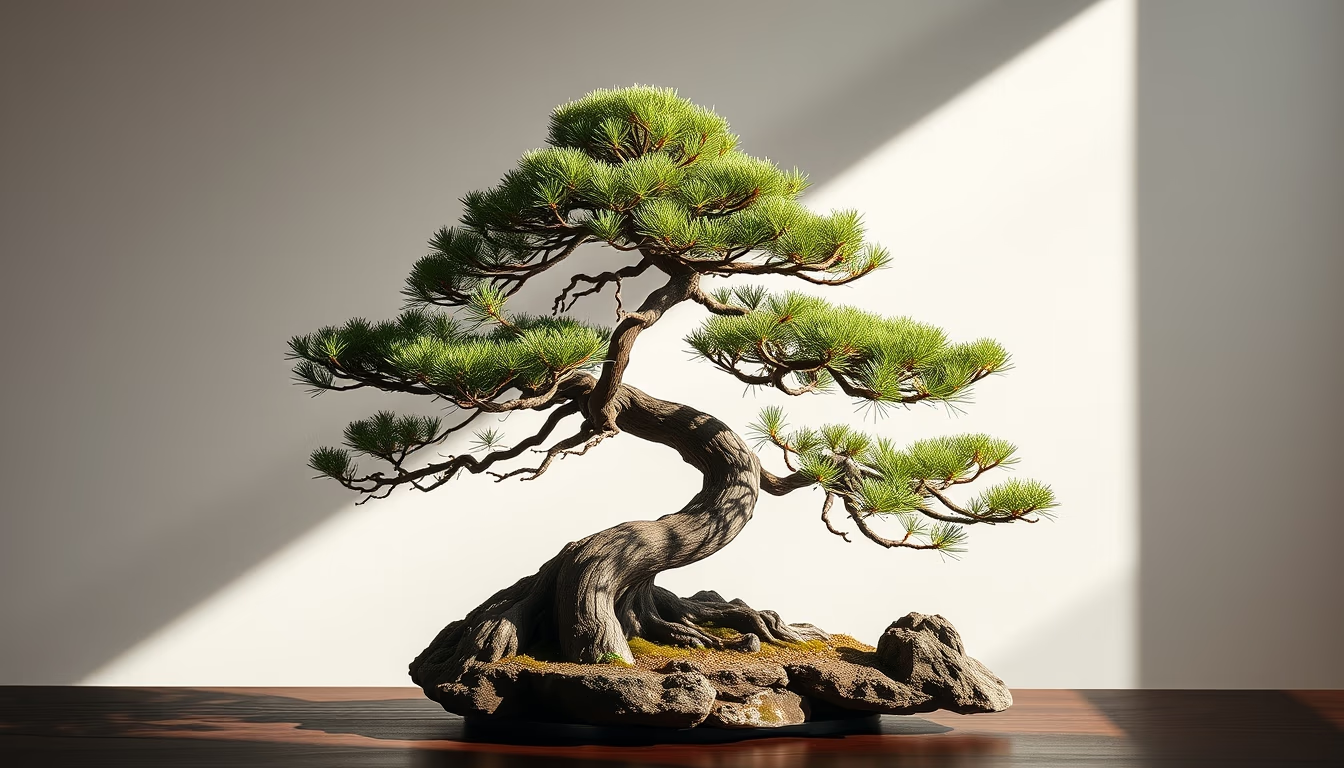
Bonsai pine ancient
1344×768 · AVIF · CC BY 4.0
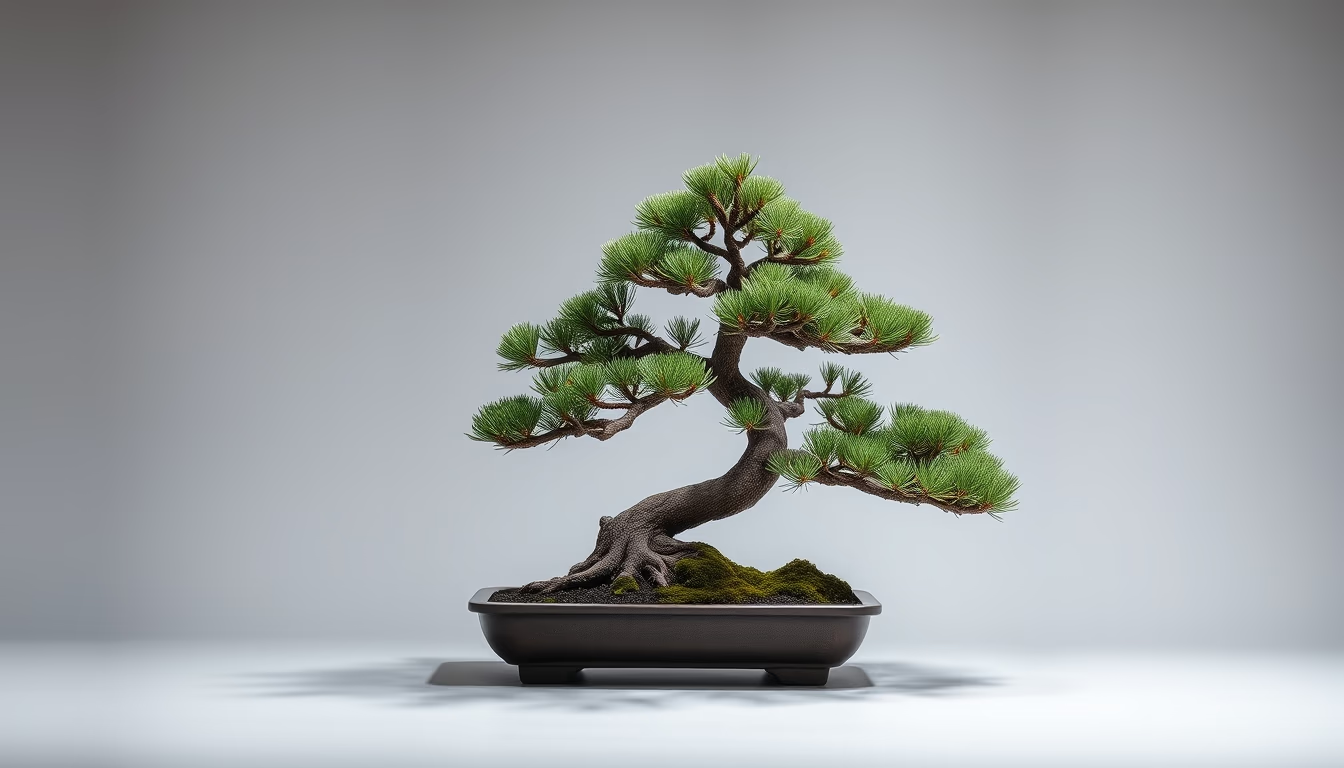
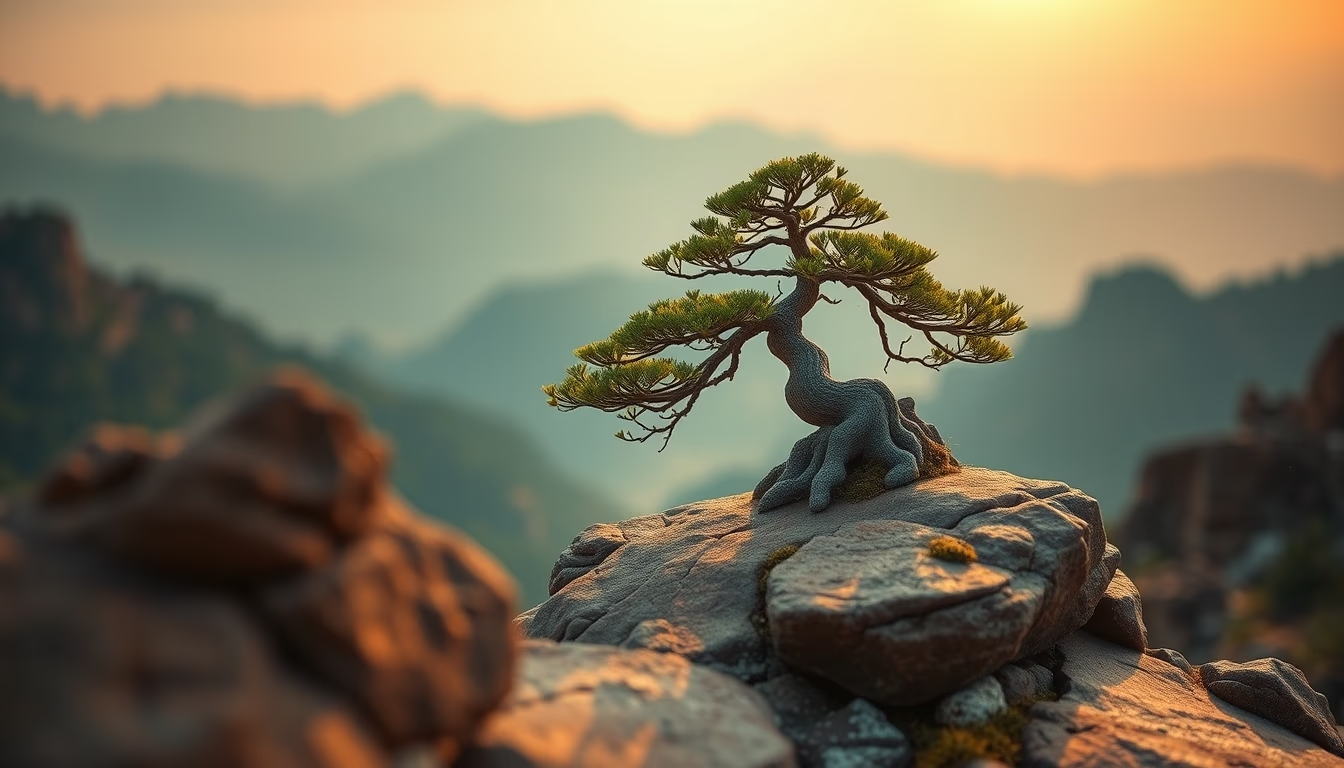
An ancient bonsai pine, shaped by decades of pruning and wiring, represents the millennia-old Japanese art of miniaturizing nature in harmony.
About this subject
The pine bonsai (Pinus spp.) is one of the most revered styles in the bonsai world. Species like the Japanese black pine (Pinus thunbergii) and the Japanese white pine (Pinus parviflora) are often cultivated for their scaly bark, hardy needles, and ability to convey age and resilience. The practice of bonsai originated in China as penjing over two thousand years ago, but it was in Japan that it was refined as an aesthetic and philosophical art. An ancient bonsai is not merely a plant; it is a living sculpture that encapsulates time and the cultivator's patience.
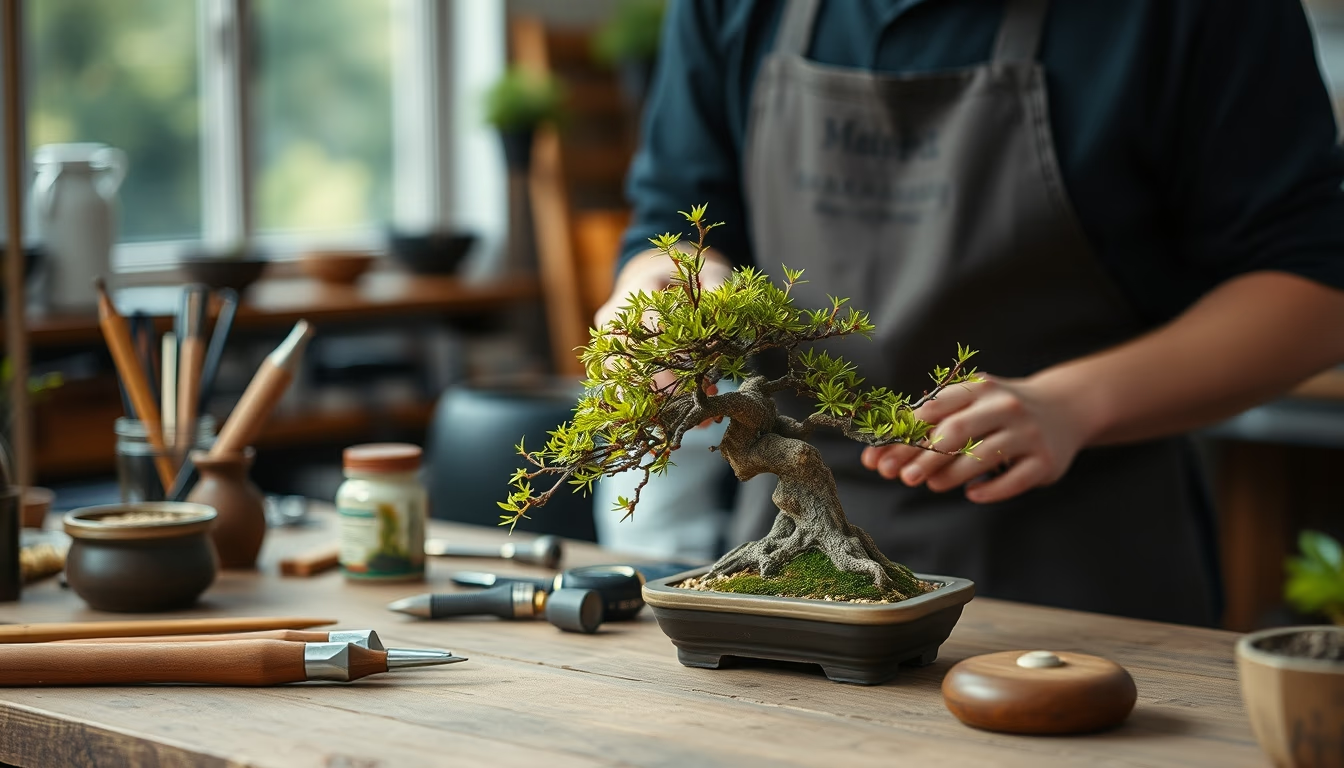
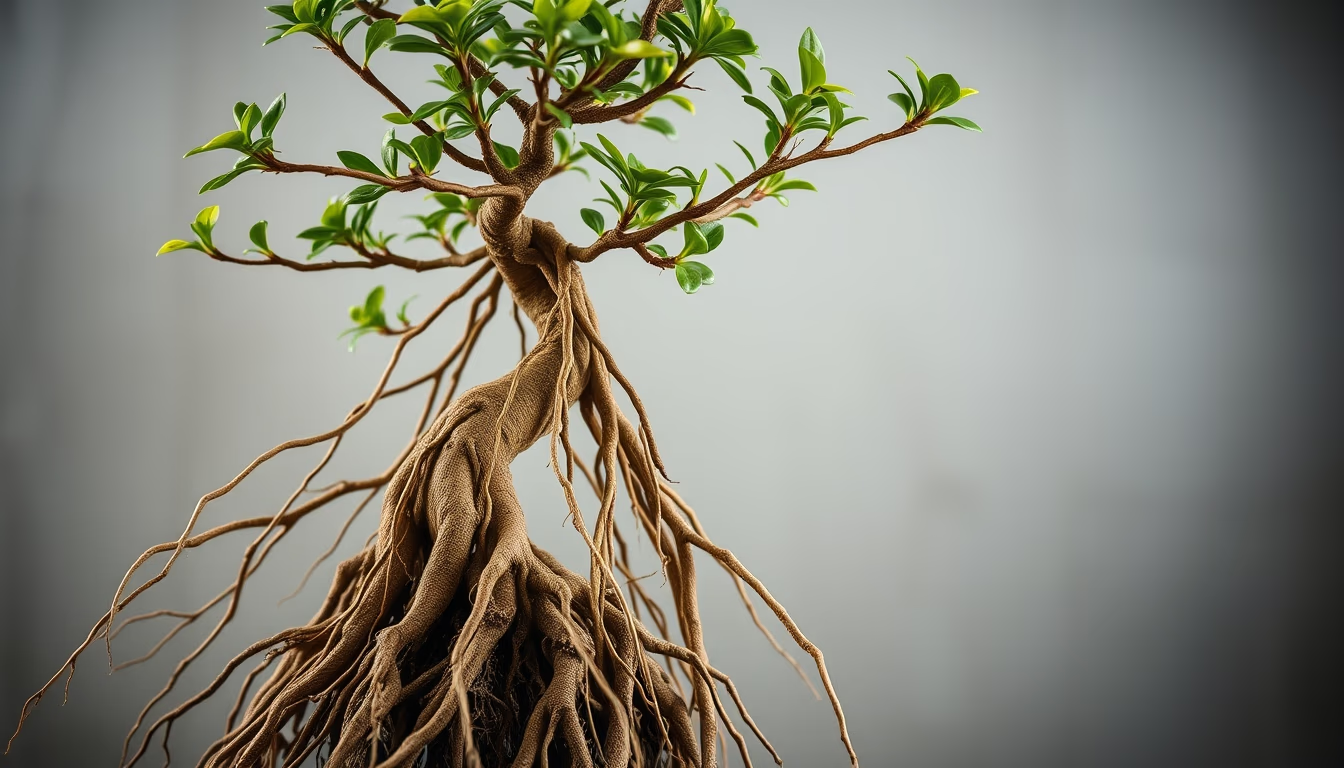
Shaping a pine bonsai requires specific techniques such as branch pruning, partial defoliation, and wiring to guide growth. A twisted trunk and exposed roots (nebari) are highly valued characteristics. Each year, the bonsai undergoes careful maintenance to preserve its form. Pines are especially prized for their longevity: Japanese specimens can be hundreds of years old, passed down through generations.
Culturally, the pine in bonsai symbolizes strength, perseverance, and eternity. In Japan, it is common in autumn and winter displays, where its silhouette stands out. The art of bonsai teaches patience and respect for the natural cycle. Museums such as the Omiya Bonsai Village in Japan and the North American Bonsai Museum showcase ancient pines that are true national treasures.
Essential care includes full sun, moderate watering, well-drained soil, and fertilizer specific to conifers. Repotting is necessary every two to three years to refresh the substrate and prune roots. Wiring should be checked regularly to avoid deep scars on the trunk.
Frequently Asked Questions
What is an ancient pine bonsai?
It is a miniature Pinus tree cultivated for decades, shaped by pruning and wiring. It represents the Japanese art of bonsai, aiming to recreate nature on a reduced scale.
How to care for a pine bonsai?
It requires full sun for at least 5 hours daily, watering when the soil surface dries, and fertilizer specific for conifers. Pruning should be done in late winter.
How long does it take for a pine bonsai to become 'ancient'?
A bonsai is considered ancient after 20-30 years of dedicated cultivation, but many classical specimens are over 100 years old, handed down through generations.
Direct URL
https://pub-c7d6a6ea828543ac903a74a341ccb2e1.r2.dev/imagens/bonsai-pine-ancient-studio-still-life-fresh5.avifHow to credit
Include a visible link back to UtilizAí. Copy one of the snippets below:
<a href="https://xn--utiliza-eza.com/en/midia/imagens/bonsai-pine-ancient-studio-still-life-fresh5">Bonsai pine ancient</a> by <a href="https://xn--utiliza-eza.com">UtilizAí</a>, licensed under <a href="https://creativecommons.org/licenses/by/4.0/">CC BY 4.0</a>.
[Bonsai pine ancient](https://xn--utiliza-eza.com/en/midia/imagens/bonsai-pine-ancient-studio-still-life-fresh5) by [UtilizAí](https://xn--utiliza-eza.com), CC BY 4.0
License: CC-BY-4.0