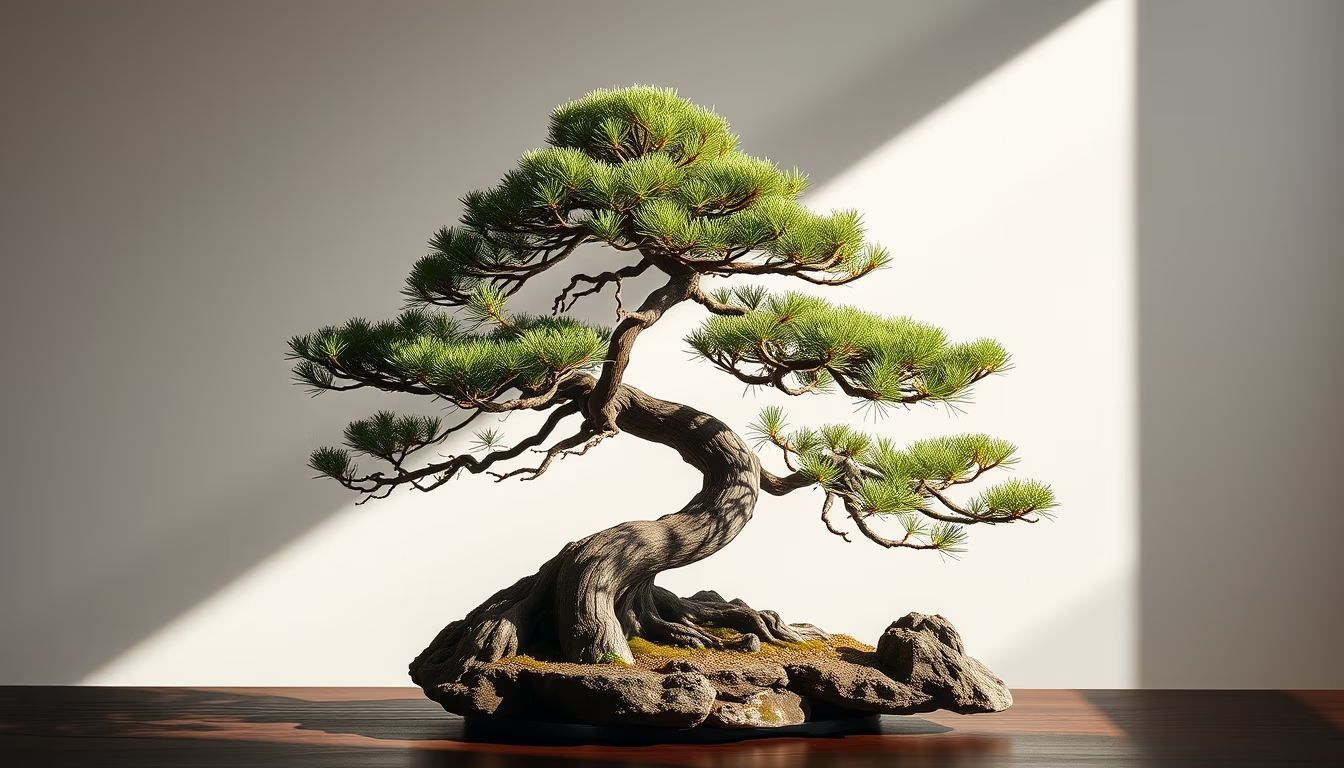
Bonsai pine ancient
1344×768 · AVIF · CC BY 4.0
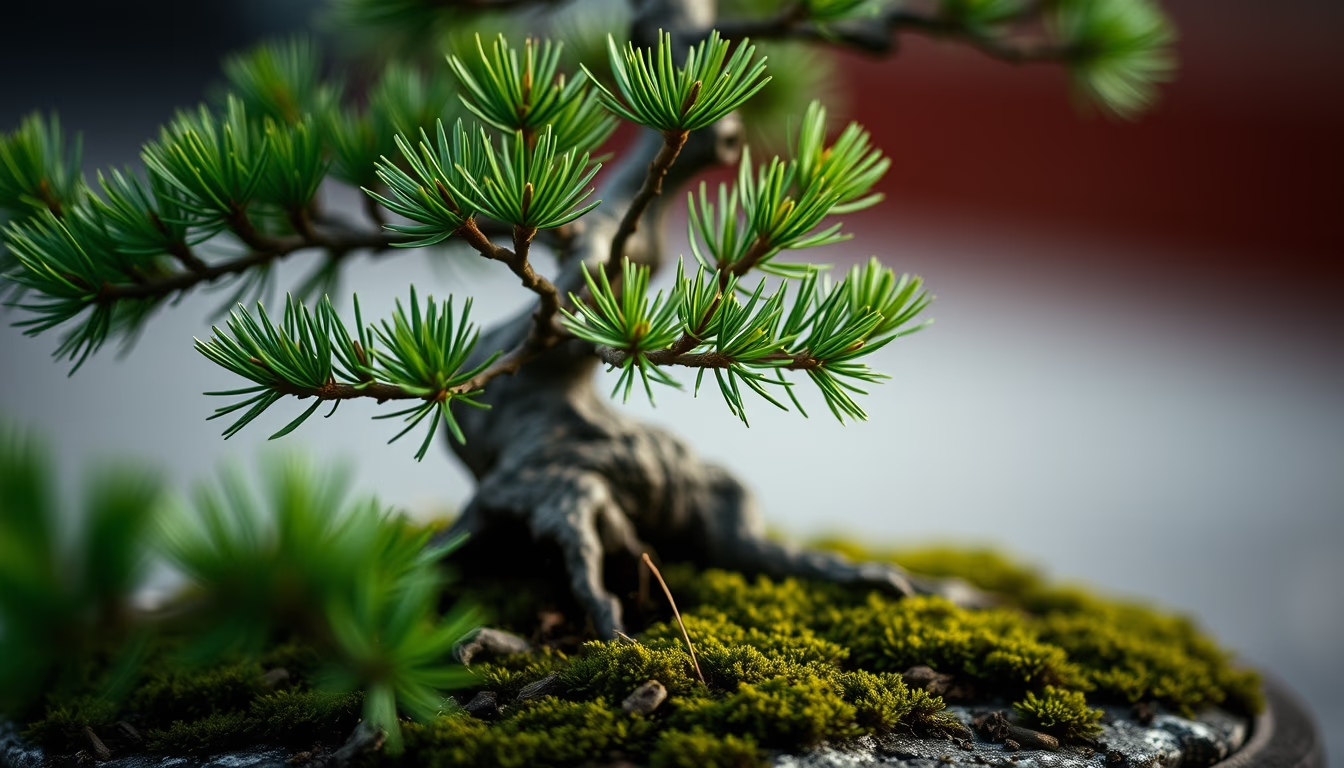
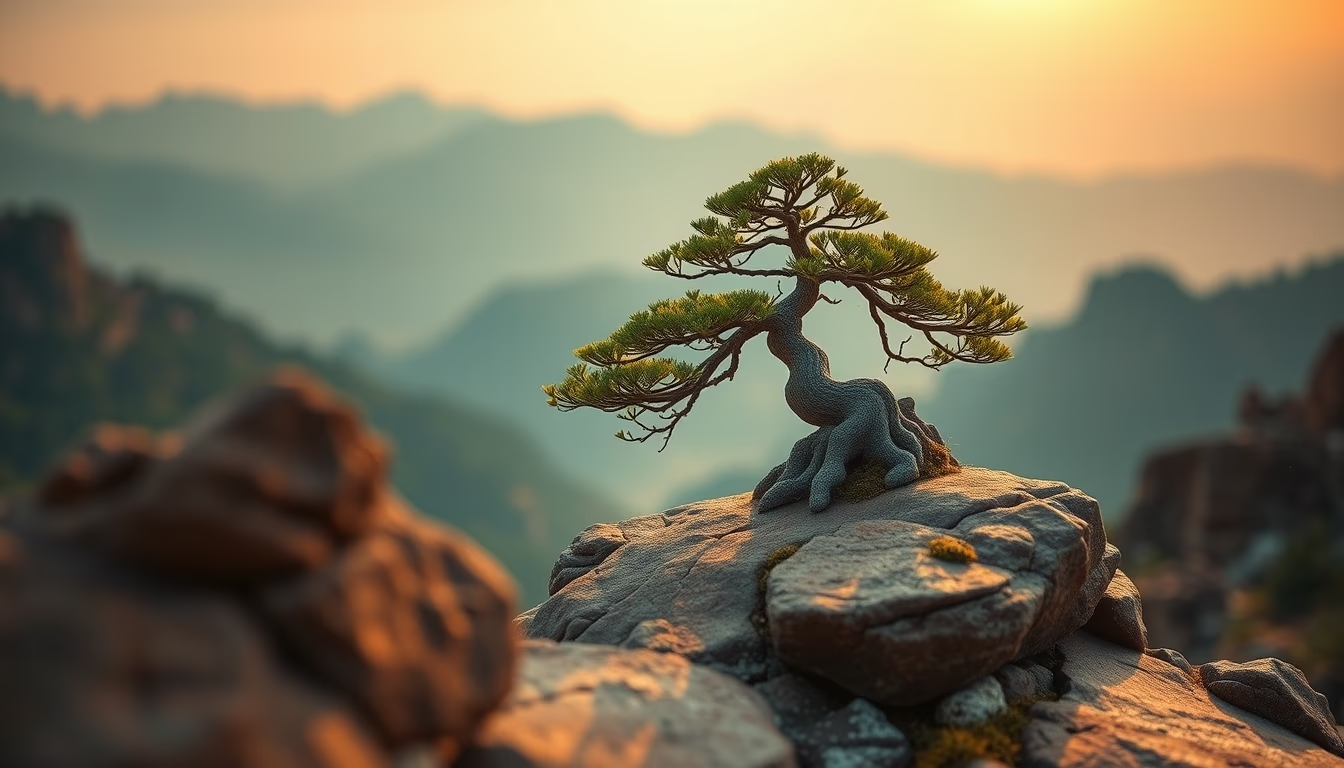
Ancient bonsai pine, with twisted trunk and rough bark, a symbol of longevity in the thousand-year-old Japanese art.
About this subject
The bonsai pine is one of the most revered forms in the art of bonsai, originating in China and refined in Japan over a thousand years. Species such as Pinus thunbergii (Japanese black pine) and Pinus pentaphylla (Japanese white pine) are often used for their hardiness and ability to develop fissured bark and twisted branches over time. An ancient specimen can be over a hundred years old and displays a thick, scaly trunk that tells stories of decades of pruning, wiring, and care.
The pursuit of natural yet perfected forms leads artists to artificially age the bark using jin and shari techniques, removing patches of bark to simulate damage from lightning or wind. Ancient pine bonsai are frequently featured in exhibitions like the Kokufu-ten in Japan, where century-old trees fetch millions of dollars. Beyond aesthetic value, these bonsai carry spiritual meaning, representing resilience and harmony between humans and nature.
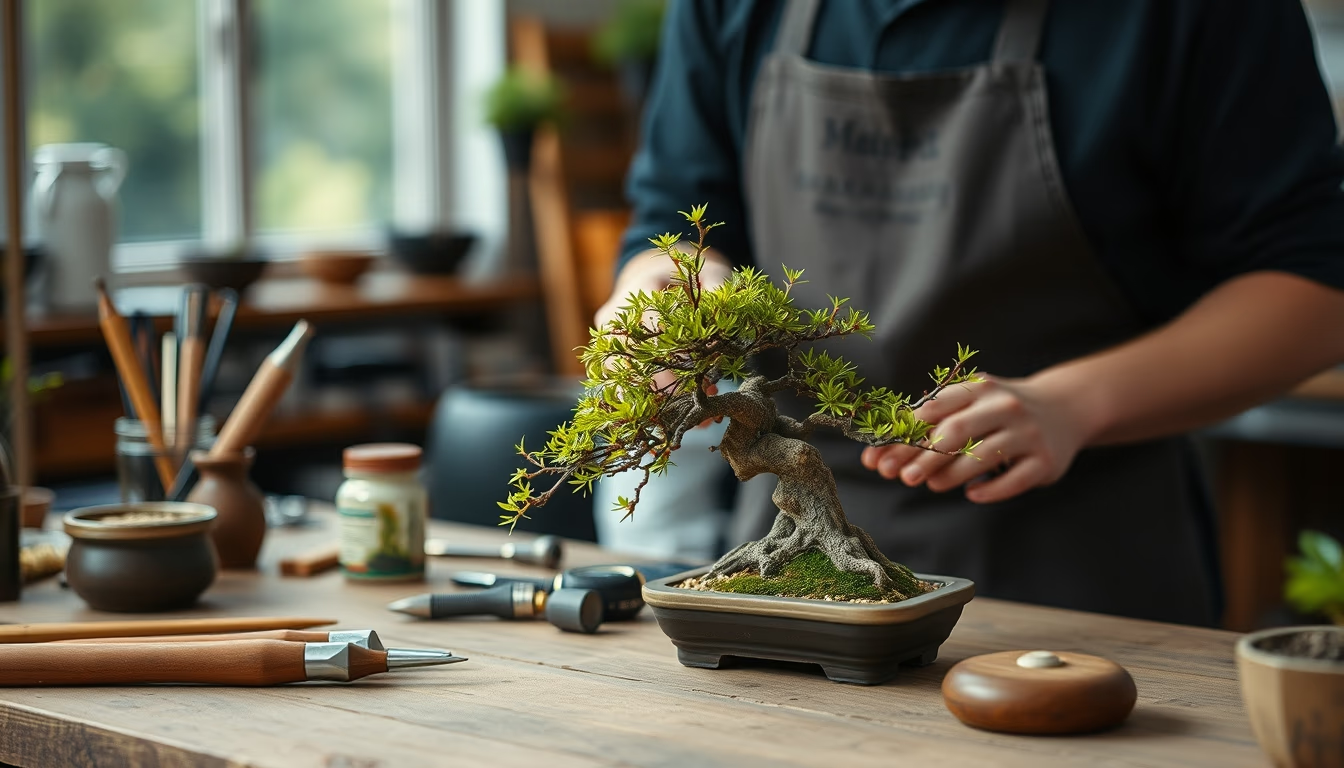
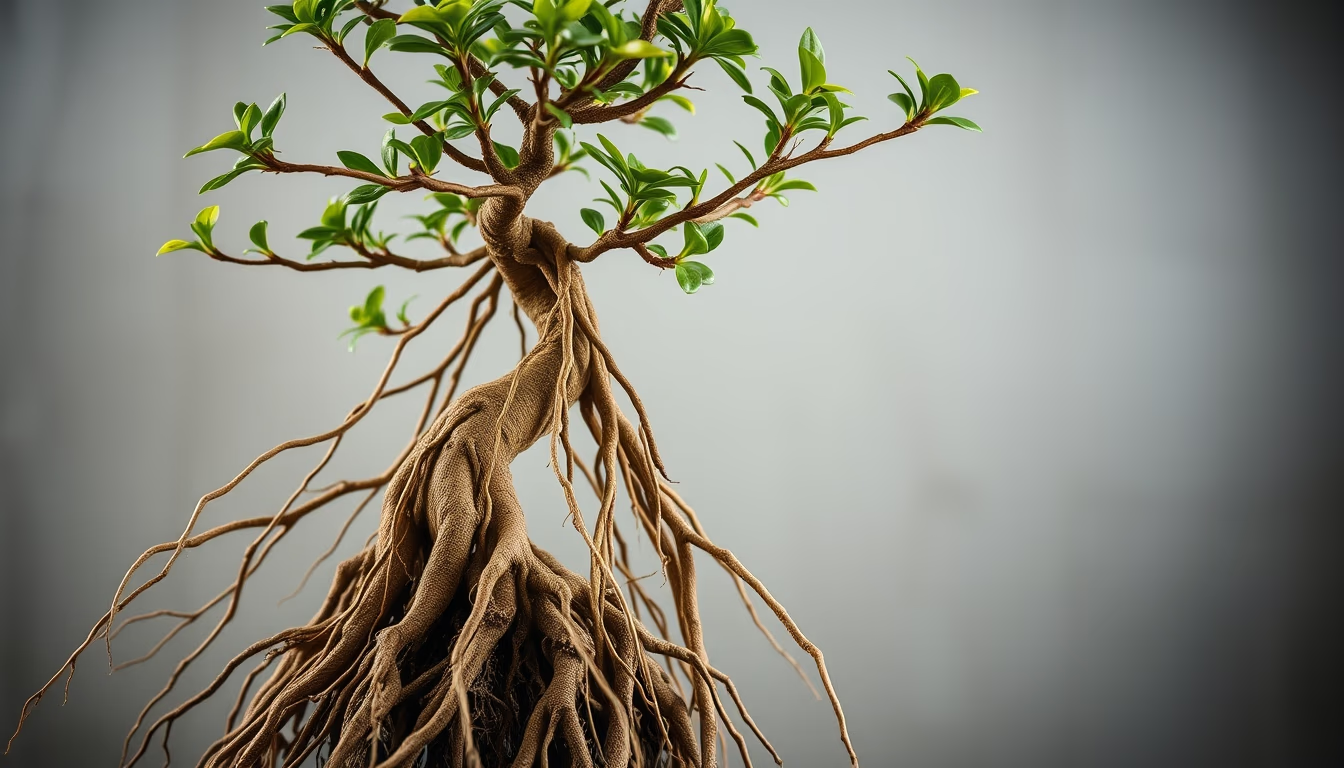
Interestingly, the world's largest and most famous bonsai pine, the "Miyajima", is over 400 years old and resides at the U.S. National Arboretum. It survived the Hiroshima bombing and was donated to Japan as a symbol of peace. Caring for an ancient pine bonsai requires specific knowledge: well-draining soil, full sun exposure, controlled watering, and protection from hard frost. Each spring, new shoots are pinched to maintain compact shape, and every two to three years the tree is repotted with root pruning.
The appreciation of a twisted, aged trunk is central to bonsai aesthetics, as it gives the impression of a tree that has survived harsh conditions for centuries. This characteristic, along with bark texture and branch placement, defines styles like "informal upright" or "literati". The pine is also associated with the Japanese New Year, symbolizing longevity and good fortune, and is commonly seen adorned with moss and small stones in exhibitions.
Frequently Asked Questions
How long does a pine bonsai live?
With proper care, a pine bonsai can live for hundreds of years. There are specimens over 400 years old, such as the famous 'Miyajima'.
What specific care does a pine bonsai require?
It requires well-draining soil, full sun, controlled watering (no waterlogging), spring shoot pinching, wiring for shaping, and protection from frost. Repotting with root pruning is done every two to three years.
Why is a twisted trunk valued in bonsai?
The twisted trunk and rough bark give the impression of an ancient tree that has weathered storms, conveying beauty and resilience. It is a key aesthetic feature in styles such as 'literati'.
Direct URL
https://pub-c7d6a6ea828543ac903a74a341ccb2e1.r2.dev/imagens/bonsai-pine-ancient-macro-closeup-fresh15.avifHow to credit
Include a visible link back to UtilizAí. Copy one of the snippets below:
<a href="https://xn--utiliza-eza.com/en/midia/imagens/bonsai-pine-ancient-macro-closeup-fresh15">Bonsai pine ancient</a> by <a href="https://xn--utiliza-eza.com">UtilizAí</a>, licensed under <a href="https://creativecommons.org/licenses/by/4.0/">CC BY 4.0</a>.
[Bonsai pine ancient](https://xn--utiliza-eza.com/en/midia/imagens/bonsai-pine-ancient-macro-closeup-fresh15) by [UtilizAí](https://xn--utiliza-eza.com), CC BY 4.0
License: CC-BY-4.0