Bonsai pine ancient
1344×768 · AVIF · CC BY 4.0
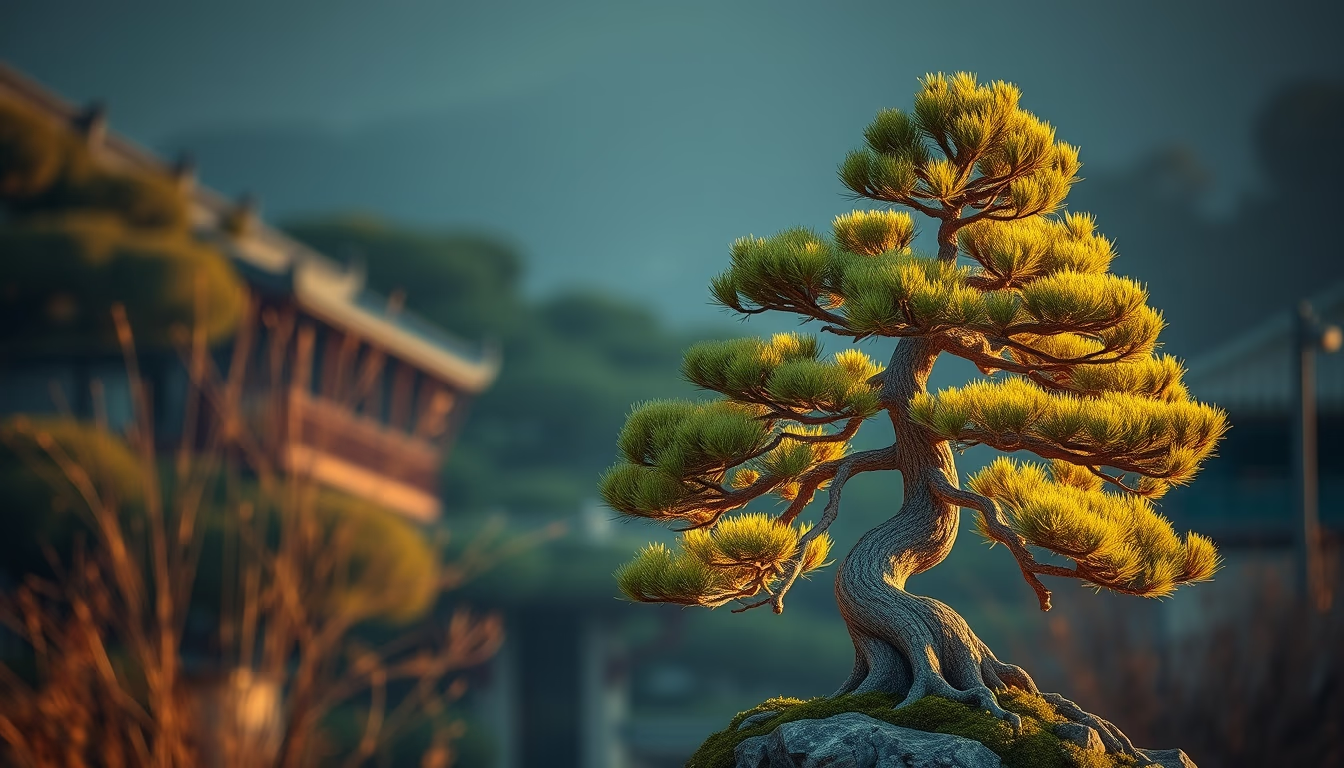
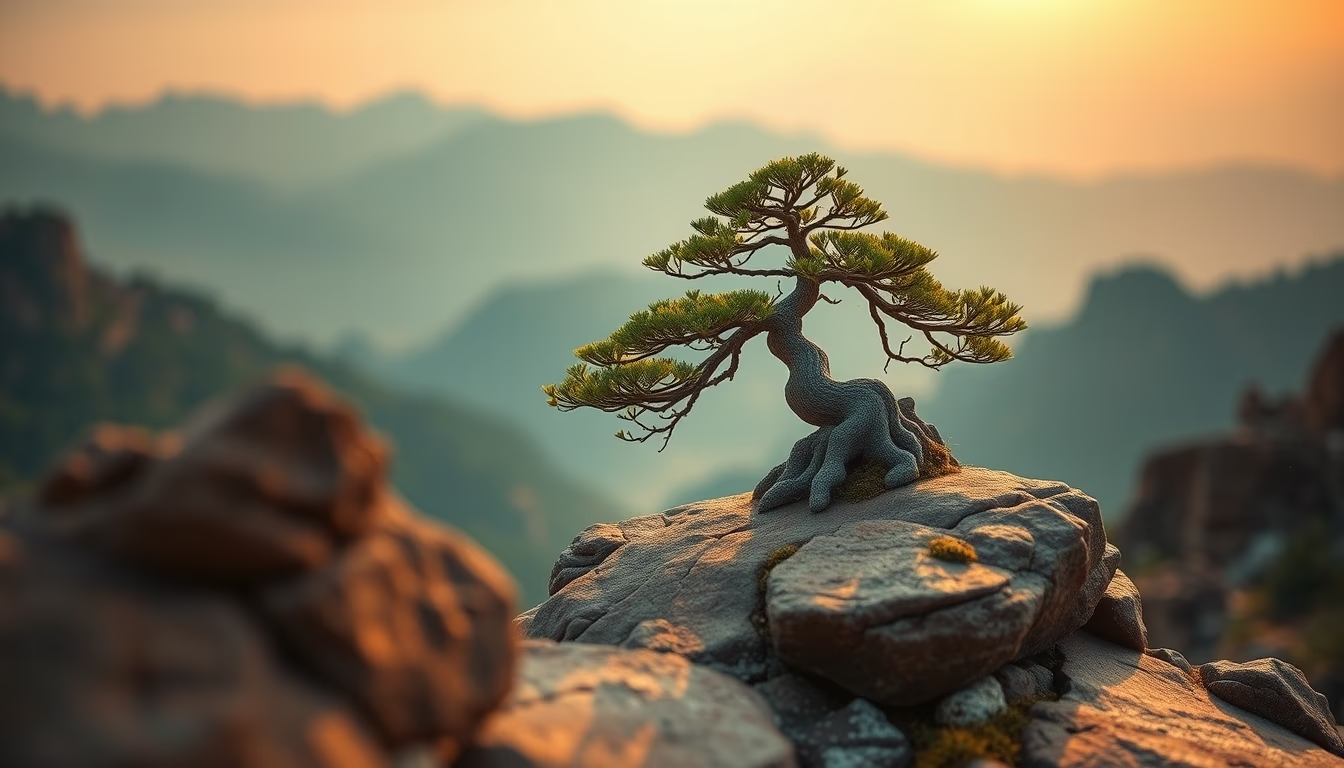
Ancient pine bonsai: a millenary Japanese art that transforms centuries-old trees into living miniature sculptures.
About this subject
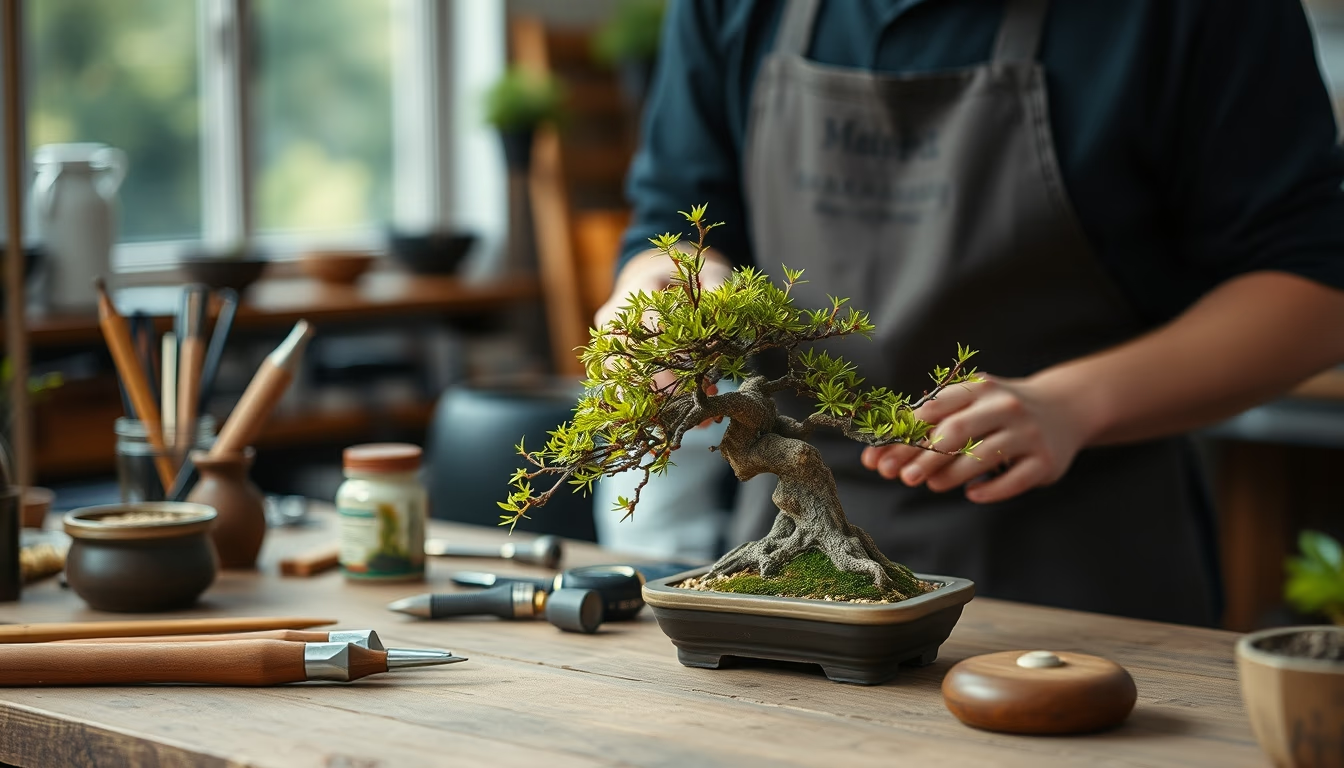
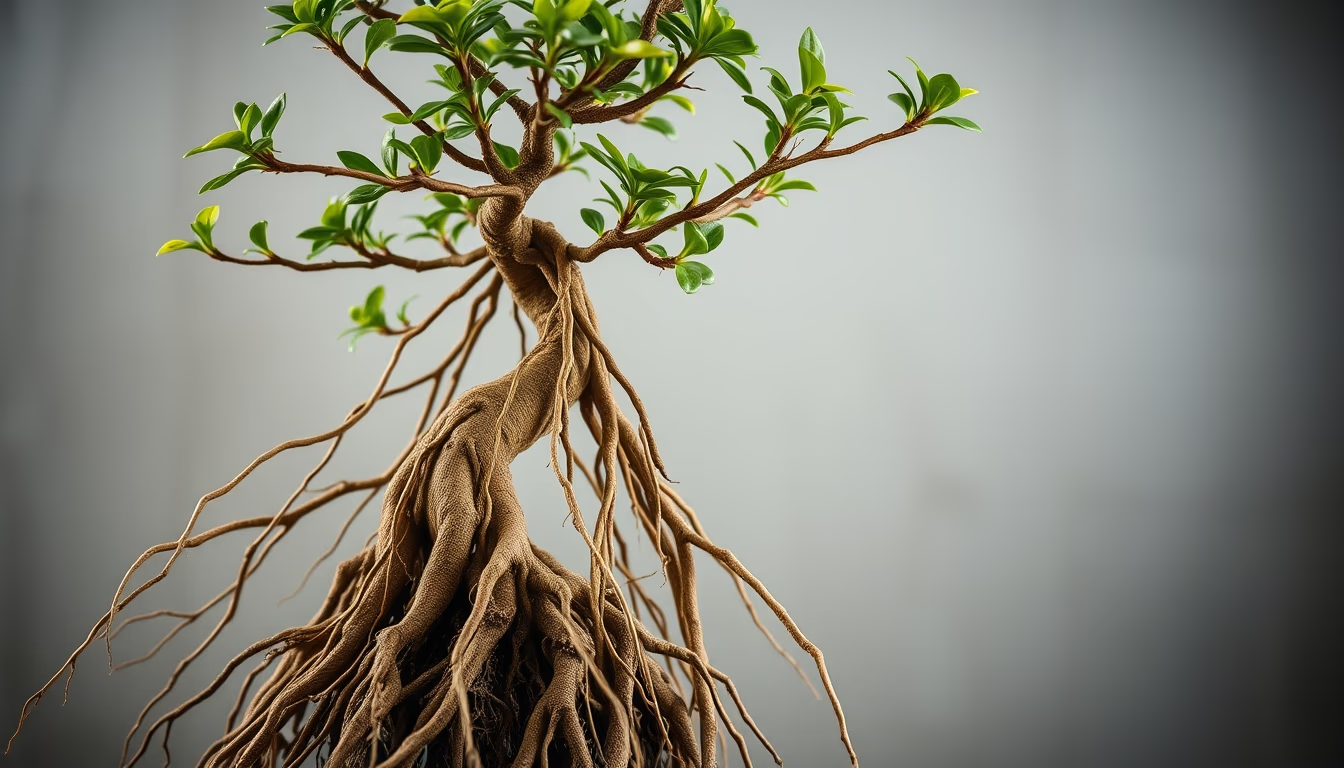
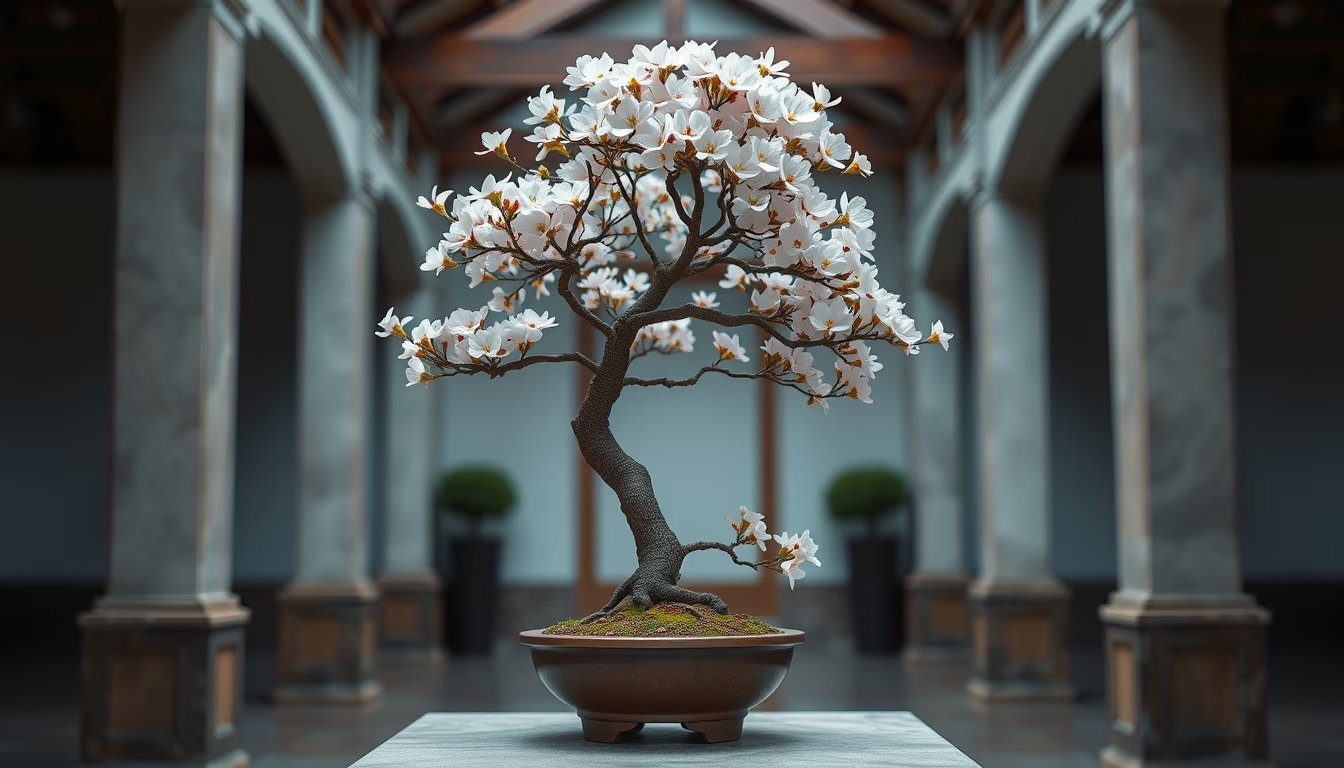
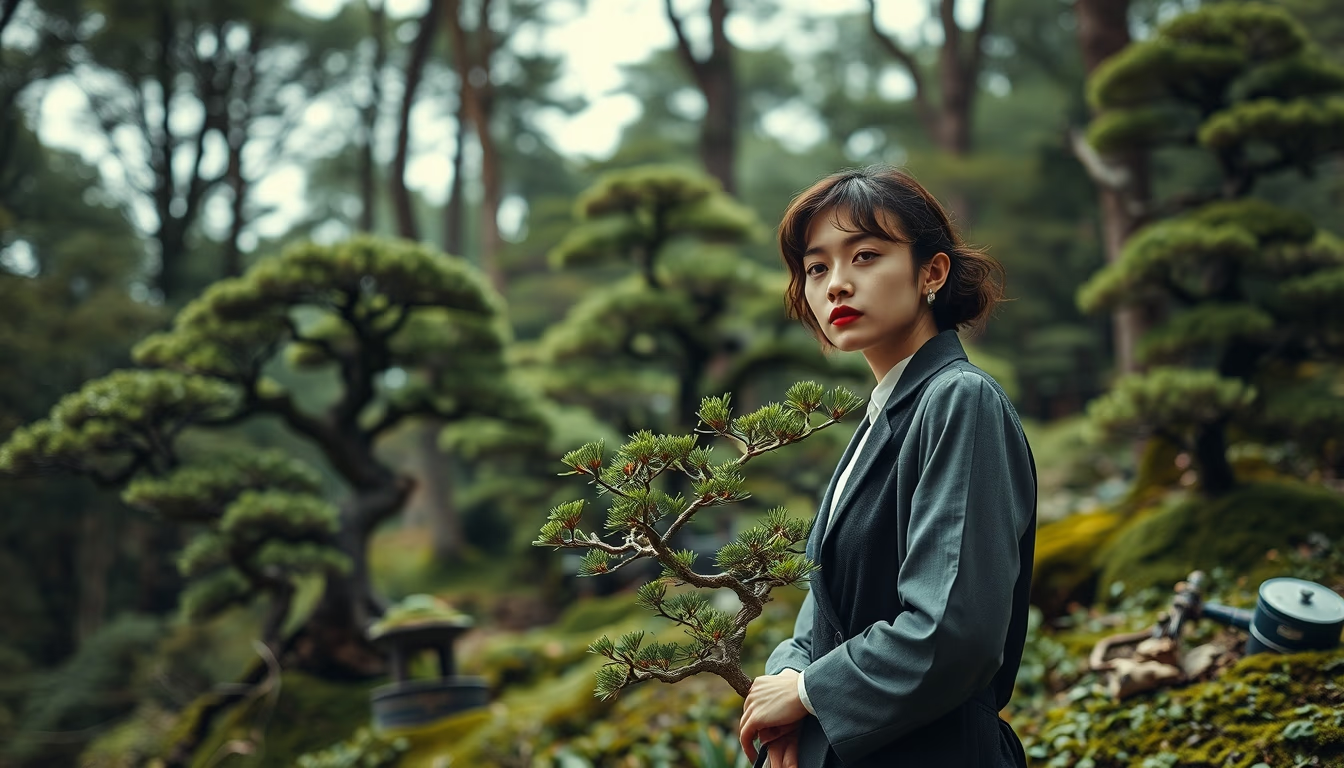
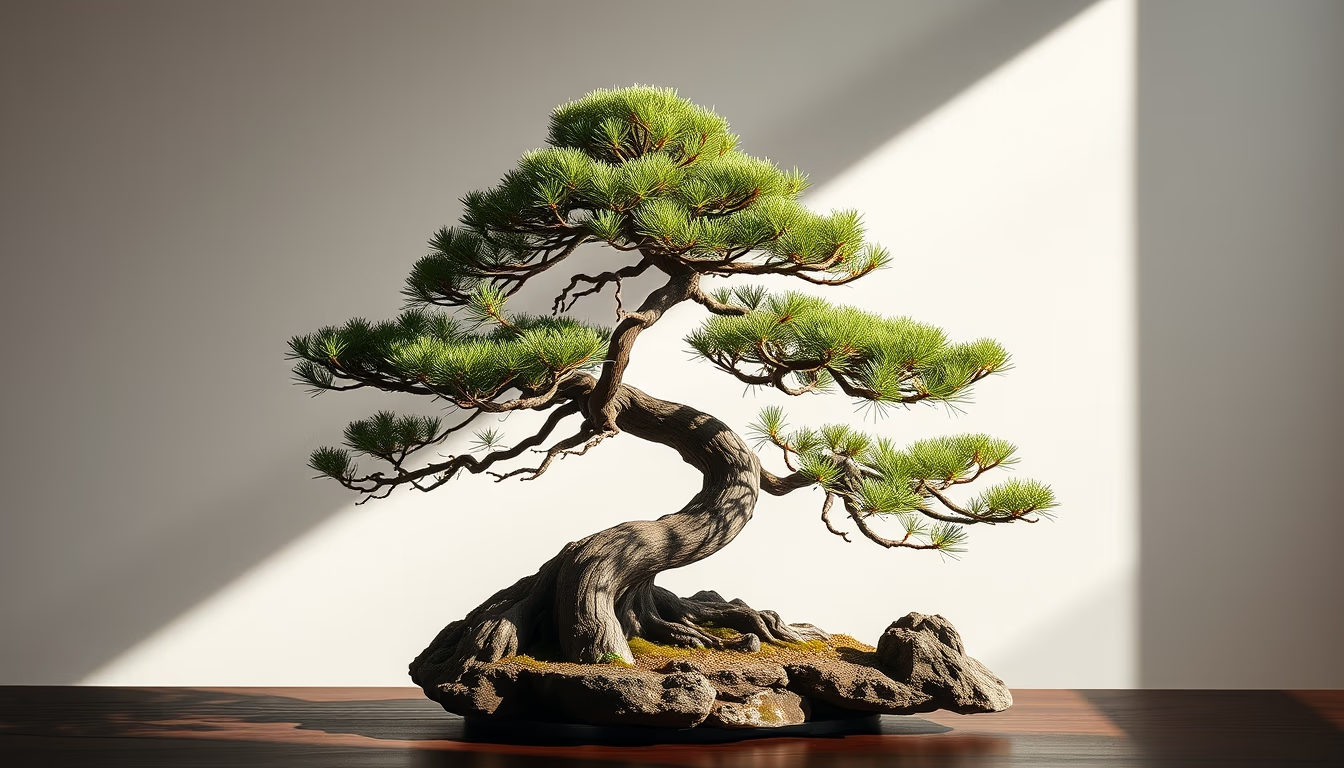
Bonsai is a Japanese art form that cultivates miniature trees, preserving their natural appearance through pruning and shaping. Pines are classic species for bonsai, especially the Japanese black pine (Pinus thunbergii) and white pine (Pinus parviflora). Ancient specimens can be hundreds of years old, passed down through generations as family heirlooms. The most famous example is 'Goshin', a forest of eleven pines created by John Y. Naka, displayed at the U.S. National Arboretum. Other specimens survived historical events, such as the Hiroshima bombing: a pine bonsai survived and is still cared for by the Yamaki family. The age of an ancient bonsai is difficult to determine precisely, but some are estimated to be over a thousand years old. These trees require intensive care, including daily watering, specific fertilization, and pest protection. In Japan, many are kept in temples or imperial palaces, symbolizing longevity and harmony with nature. The value of an ancient bonsai can reach millions of dollars, considered a living work of art. Aging techniques include creating jin (dead branches) and shari (weathered bark), mimicking harsh natural conditions. Pines, due to their resilience, are ideal for representing the passage of time and perseverance.
Frequently Asked Questions
What is the average age of an ancient pine bonsai?
There is no set age, but specimens considered ancient are usually over a hundred years old. Some pine bonsai in Japan are over 500 years old, and the oldest known is about 1000 years.
How can you tell if a pine bonsai is truly ancient?
Age is estimated by trunk thickness, bark texture, presence of jin and shari, and historical documentation. Experts analyze style and branching, along with provenance records.
What is essential care for an ancient pine bonsai?
Requires regular watering without waterlogging, well-drained soil, pruning of branches and roots every two to three years, and protection from frost in winter. Low-nitrogen fertilization is recommended.
Direct URL
https://pub-c7d6a6ea828543ac903a74a341ccb2e1.r2.dev/imagens/bonsai-pine-ancient-cinematic-wide-shot-fresh12.avifHow to credit
Include a visible link back to UtilizAí. Copy one of the snippets below:
<a href="https://xn--utiliza-eza.com/en/midia/imagens/bonsai-pine-ancient-cinematic-wide-shot-fresh12">Bonsai pine ancient</a> by <a href="https://xn--utiliza-eza.com">UtilizAí</a>, licensed under <a href="https://creativecommons.org/licenses/by/4.0/">CC BY 4.0</a>.
[Bonsai pine ancient](https://xn--utiliza-eza.com/en/midia/imagens/bonsai-pine-ancient-cinematic-wide-shot-fresh12) by [UtilizAí](https://xn--utiliza-eza.com), CC BY 4.0
License: CC-BY-4.0