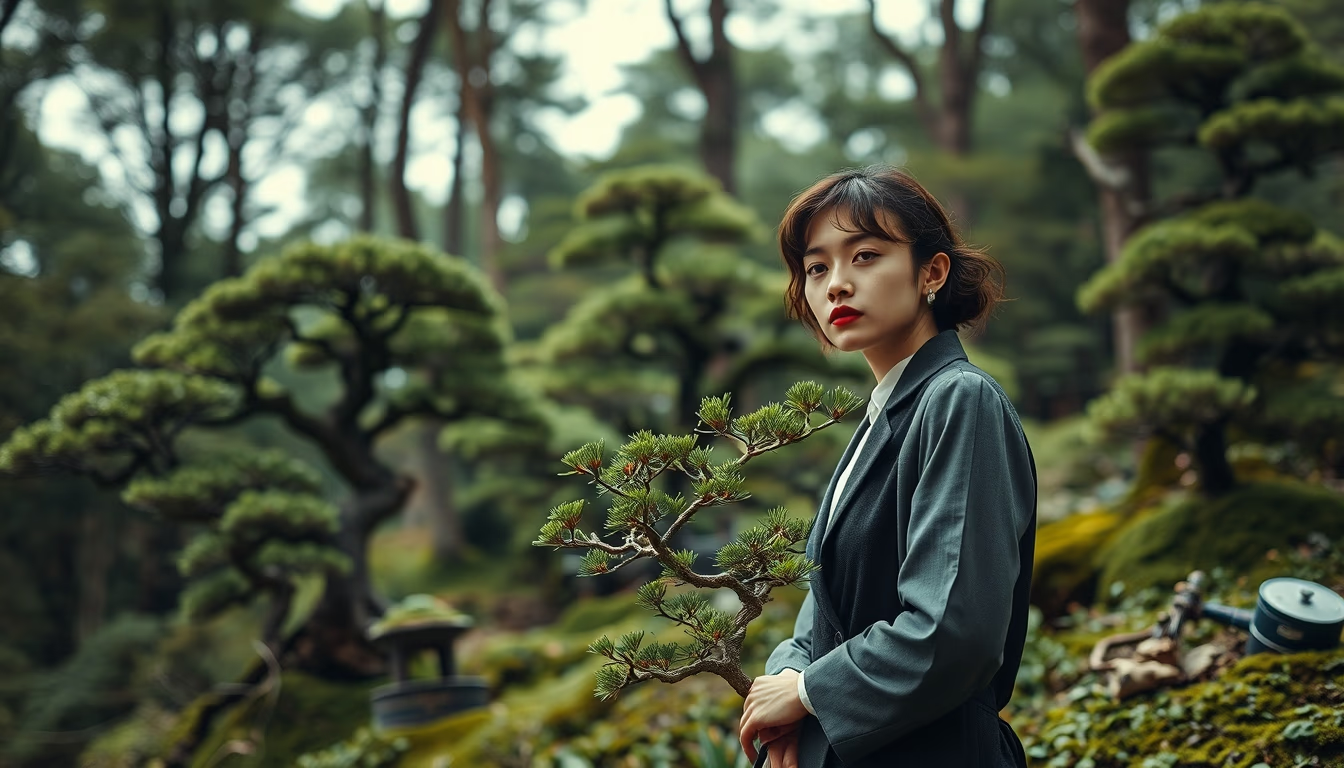
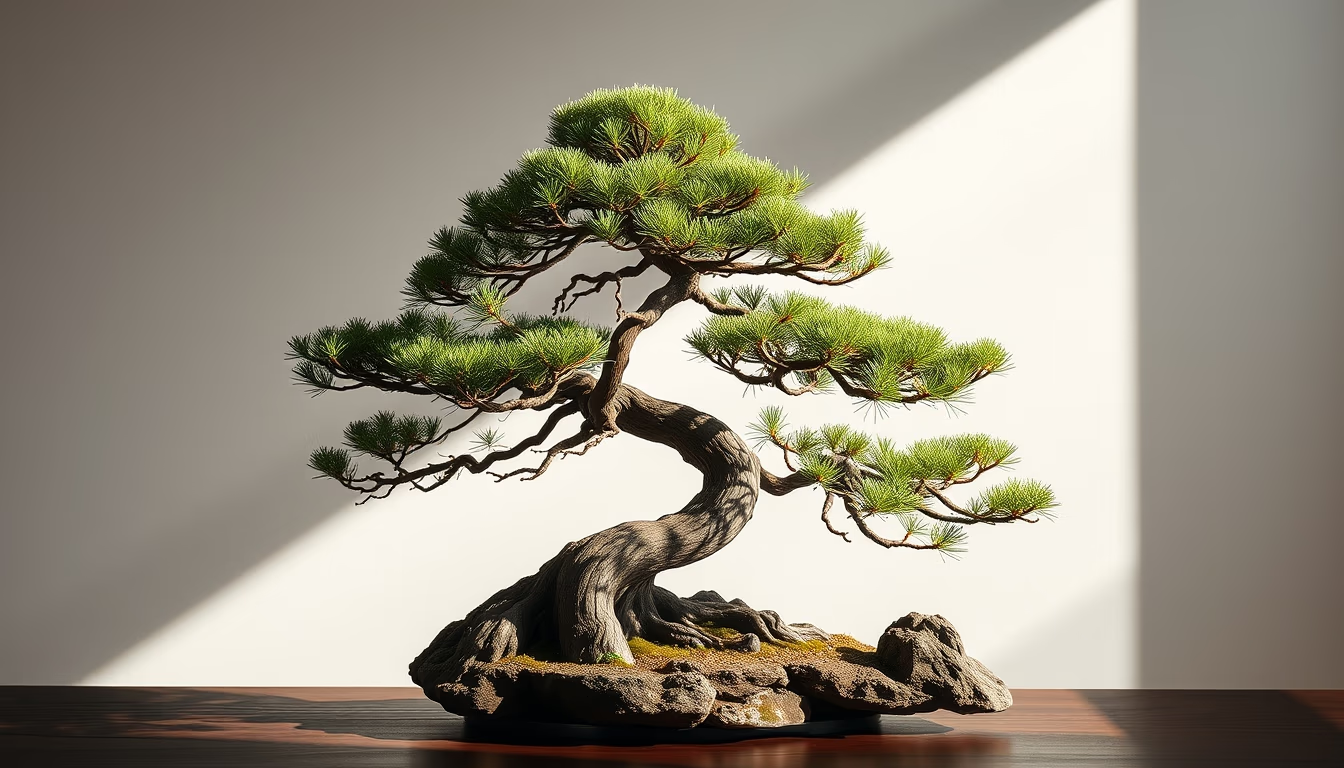
Bonsai pine ancient
1344×768 · AVIF · CC BY 4.0
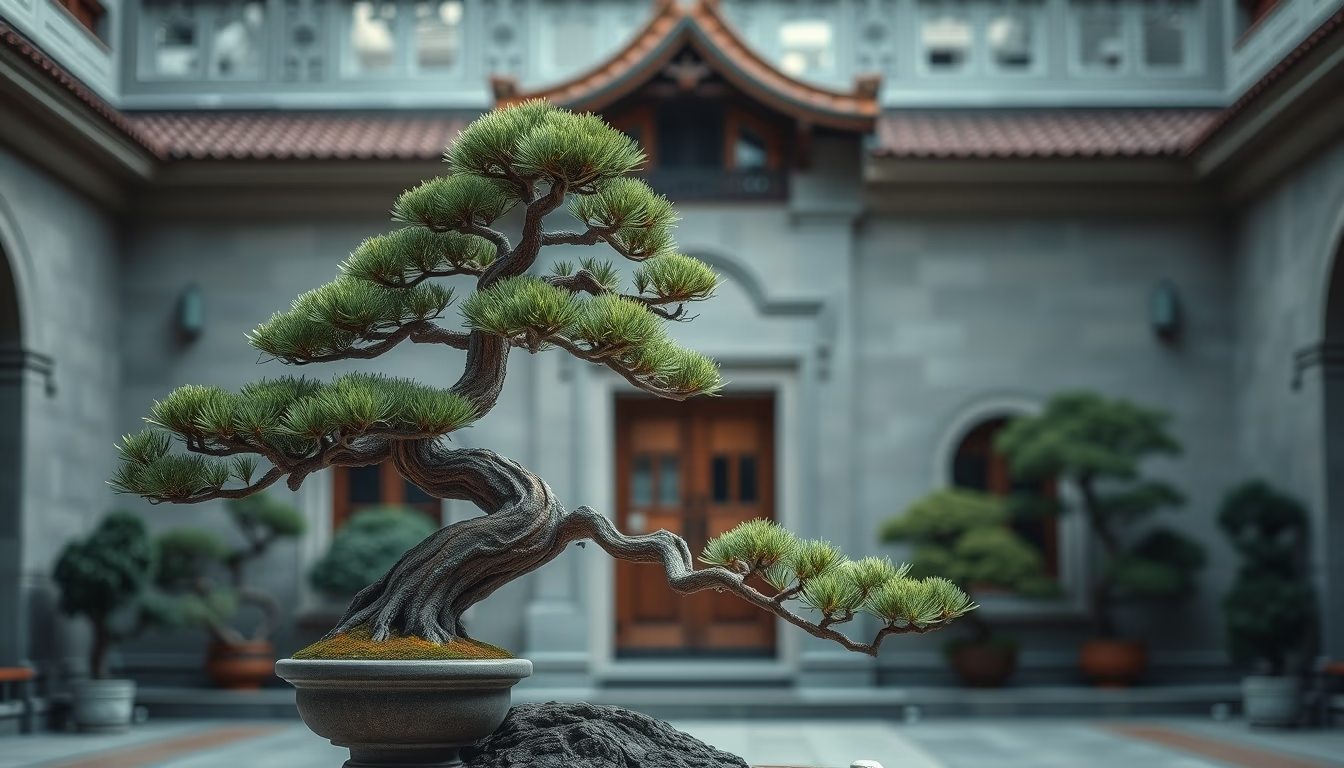
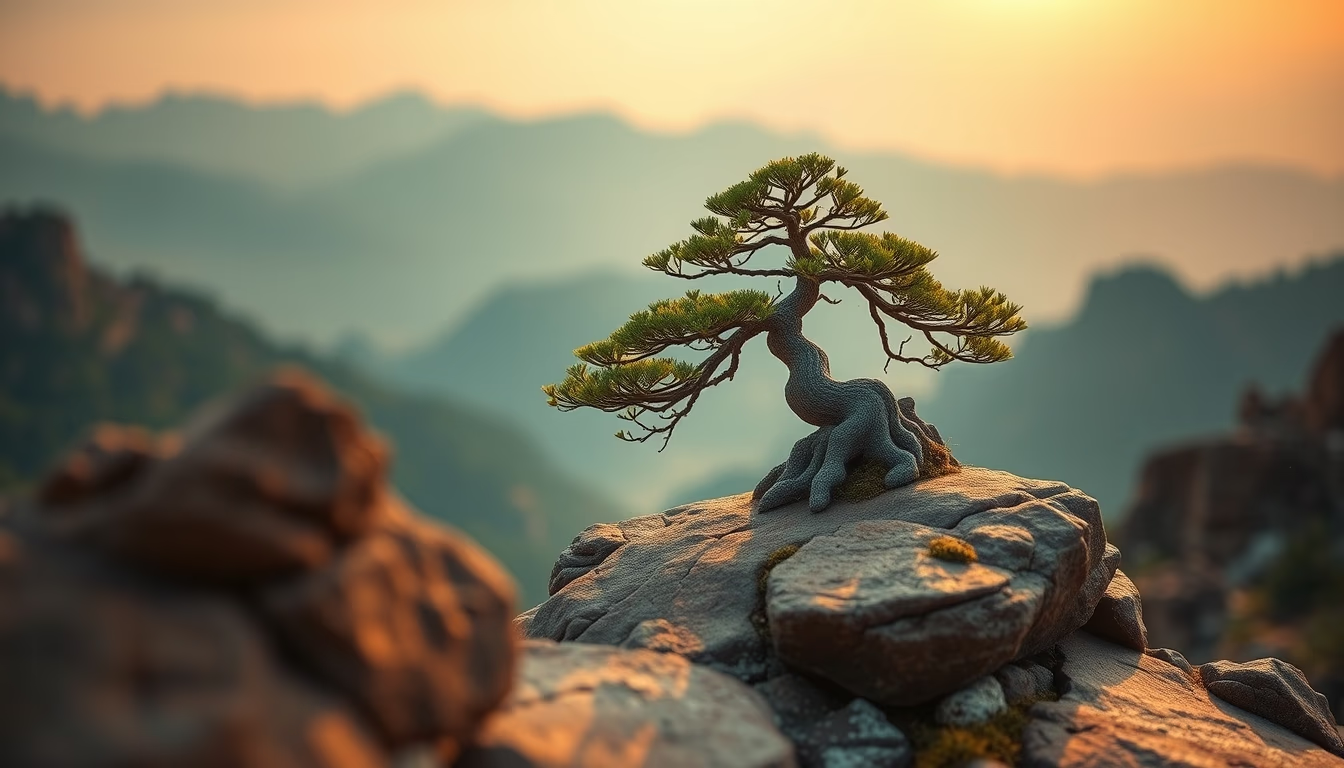
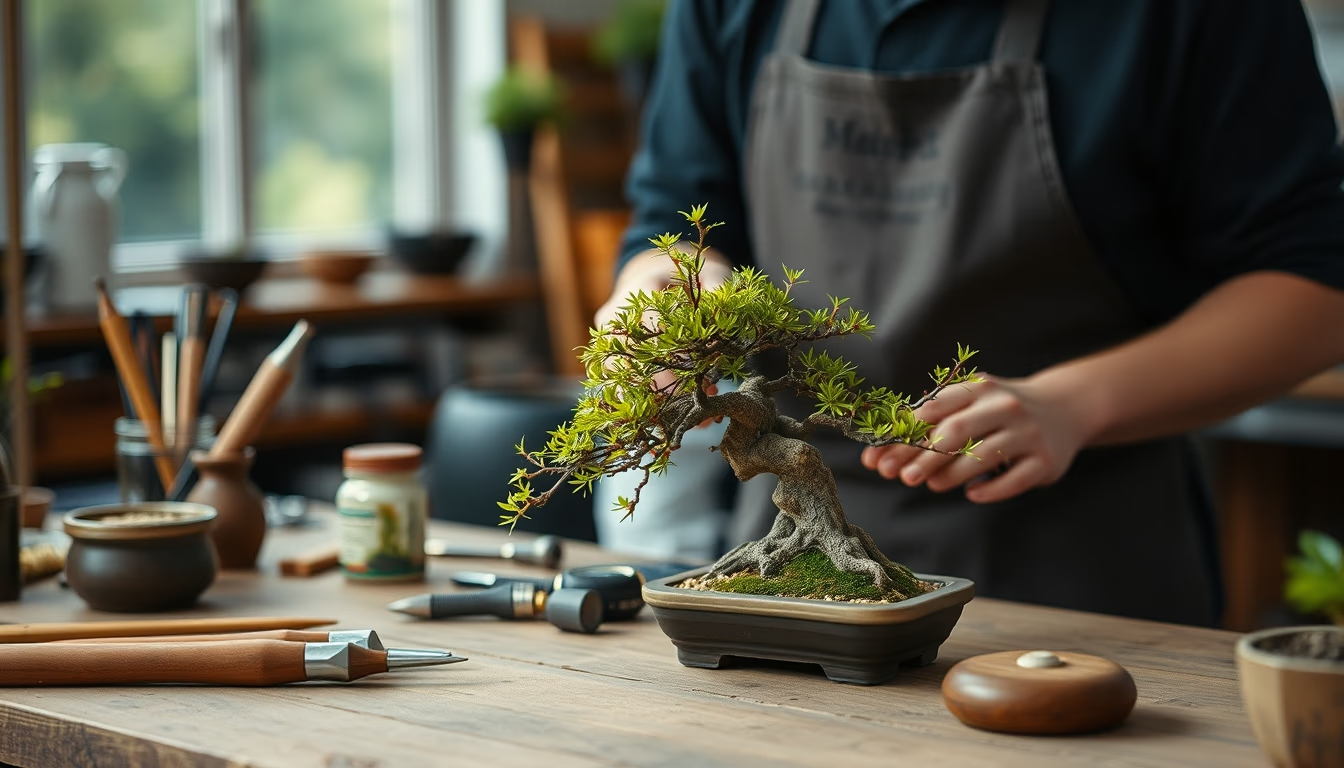
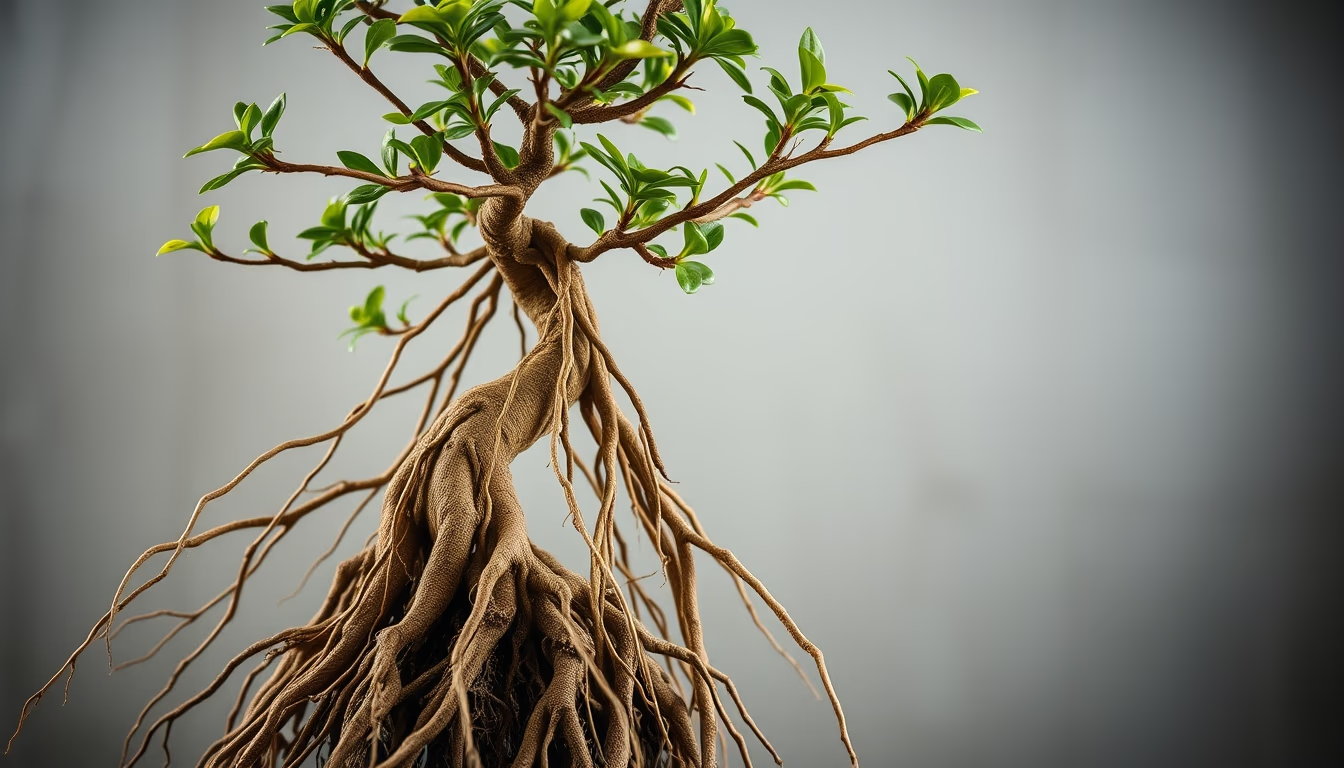
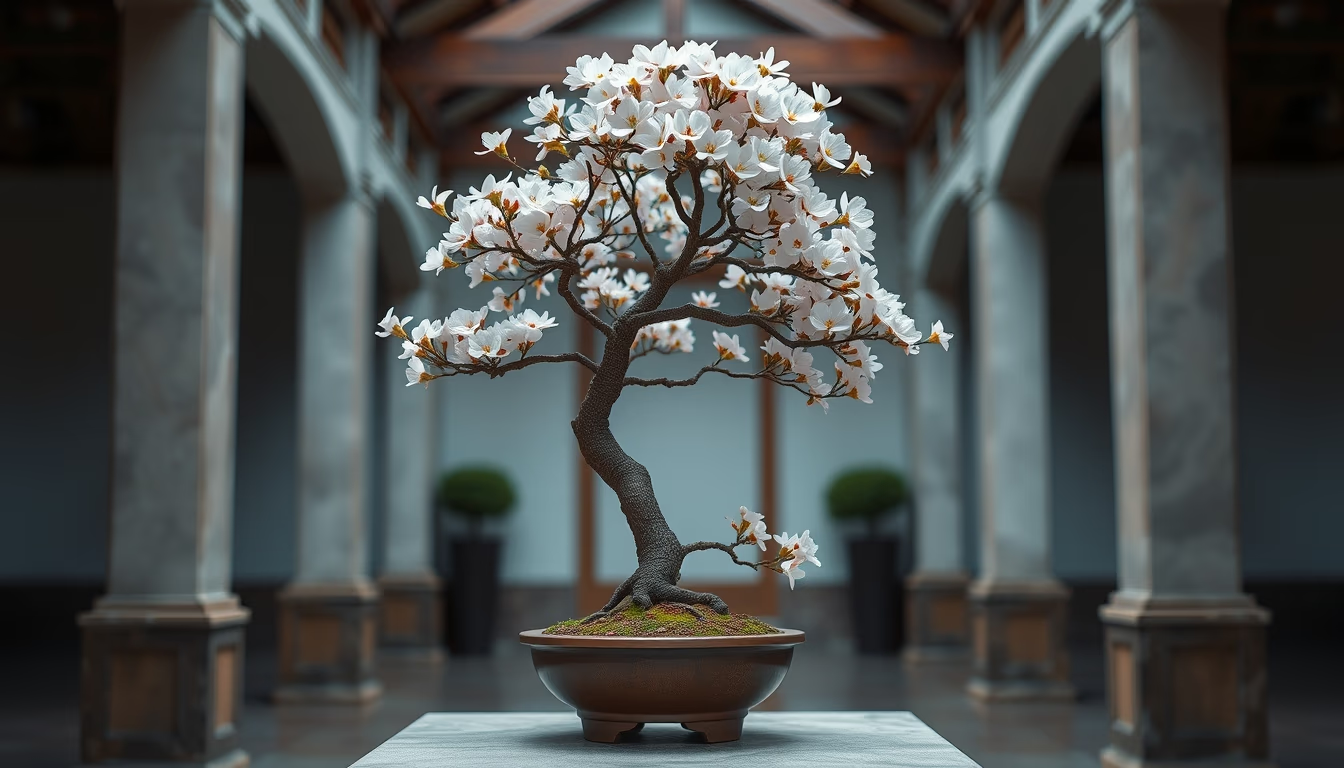
An ancient pine bonsai combines centuries-old cultivation techniques and natural aesthetics, representing a living art form embodying harmony between humans and nature.
About this subject
An ancient pine bonsai represents the pinnacle of bonsai art, using species like Pinus thunbergii (Japanese black pine) and Pinus parviflora (Japanese white pine). When cultivated for decades or centuries, these trees develop twisted trunks, rugged bark, and canopies shaped by techniques such as candling and wiring. A notable example is the 500-year-old white pine at the National Bonsai & Penjing Museum in the US, which survived atomic bombs and was donated by Japan. The advanced age imparts a sense of ancestry and resilience, making each specimen a unique piece.
In Japan, the cultivation of pine bonsai dates back to the Kamakura period (1185-1333), when Buddhist monks embraced the wabi-sabi aesthetic, valuing imperfection and transience. Techniques like creating jin (deadwood) and shari (peeled bark) mimic the effects of wind and time on rocky mountains. Maintaining an ancient pine requires deep knowledge: proper soil aeration, controlled watering, and specific fertilization to avoid excessive growth.
The connection with architectural photography arises from the sculptural quality of these trees. Like a historic building, an ancient bonsai has lines, volumes, and textures that interact with the surrounding space. Exhibitions such as the Kokufu-ten in Tokyo highlight the harmony between pot, stone, and plant, creating compositions reminiscent of miniature landscapes. Moreover, the popularity of bonsai in the West grew after World War II, influencing designers and landscape architects.
Interestingly, some specimens have survived natural disasters and wars, such as the Hiroshima pine, which blossomed again after the atomic blast. These stories reinforce the symbolism of resilience and peace. For enthusiasts, owning an ancient bonsai is a privilege that demands dedication but rewards with a connection to centuries of natural and cultural history.
Frequently Asked Questions
What is the minimum age for a pine bonsai to be considered ancient?
There is no consensus, but bonsai over 50 years old are generally considered ancient. Centennial or millennial specimens are rare and highly prized.
How to care for an ancient pine bonsai?
Requires careful watering (no waterlogging), candle pruning in early spring, gentle wiring to avoid bark damage, and protection from severe frost. Fertilization should be balanced in nitrogen.
Why are pines popular in bonsai?
Pines have slow growth and naturally produce twisted trunks and textured bark, and are symbols of longevity and resilience in Japanese culture.
Direct URL
https://pub-c7d6a6ea828543ac903a74a341ccb2e1.r2.dev/imagens/bonsai-pine-ancient-architectural-photography-fresh2.avifHow to credit
Include a visible link back to UtilizAí. Copy one of the snippets below:
<a href="https://xn--utiliza-eza.com/en/midia/imagens/bonsai-pine-ancient-architectural-photography-fresh2">Bonsai pine ancient</a> by <a href="https://xn--utiliza-eza.com">UtilizAí</a>, licensed under <a href="https://creativecommons.org/licenses/by/4.0/">CC BY 4.0</a>.
[Bonsai pine ancient](https://xn--utiliza-eza.com/en/midia/imagens/bonsai-pine-ancient-architectural-photography-fresh2) by [UtilizAí](https://xn--utiliza-eza.com), CC BY 4.0
License: CC-BY-4.0