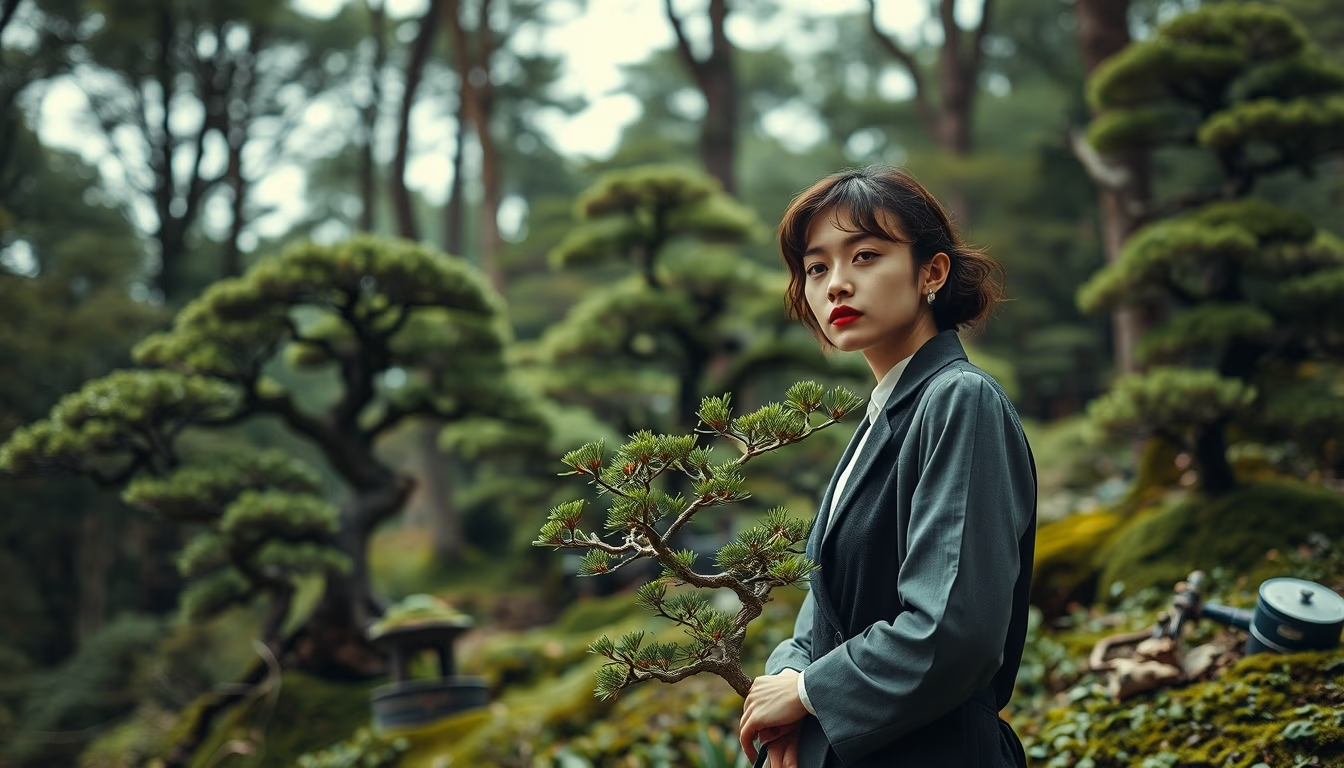
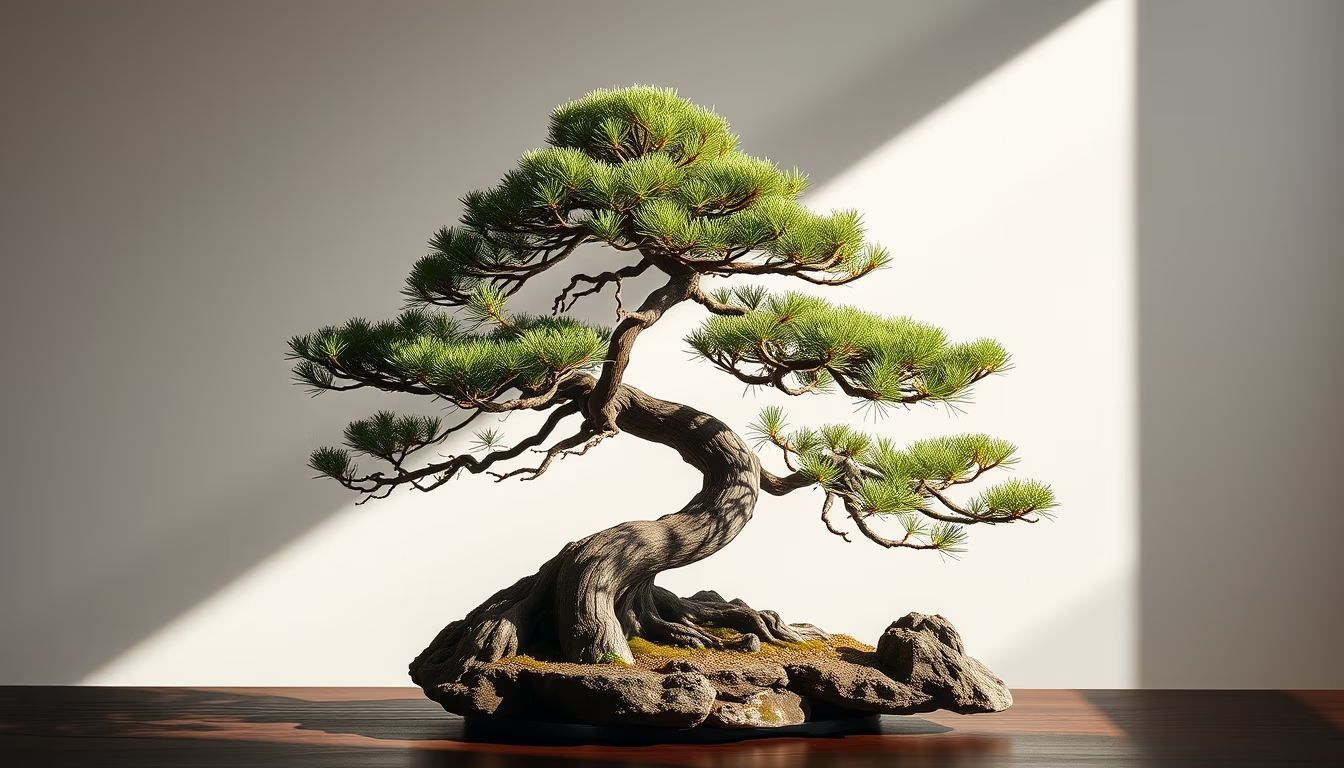
Bonsai pine ancient
1344×768 · AVIF · CC BY 4.0
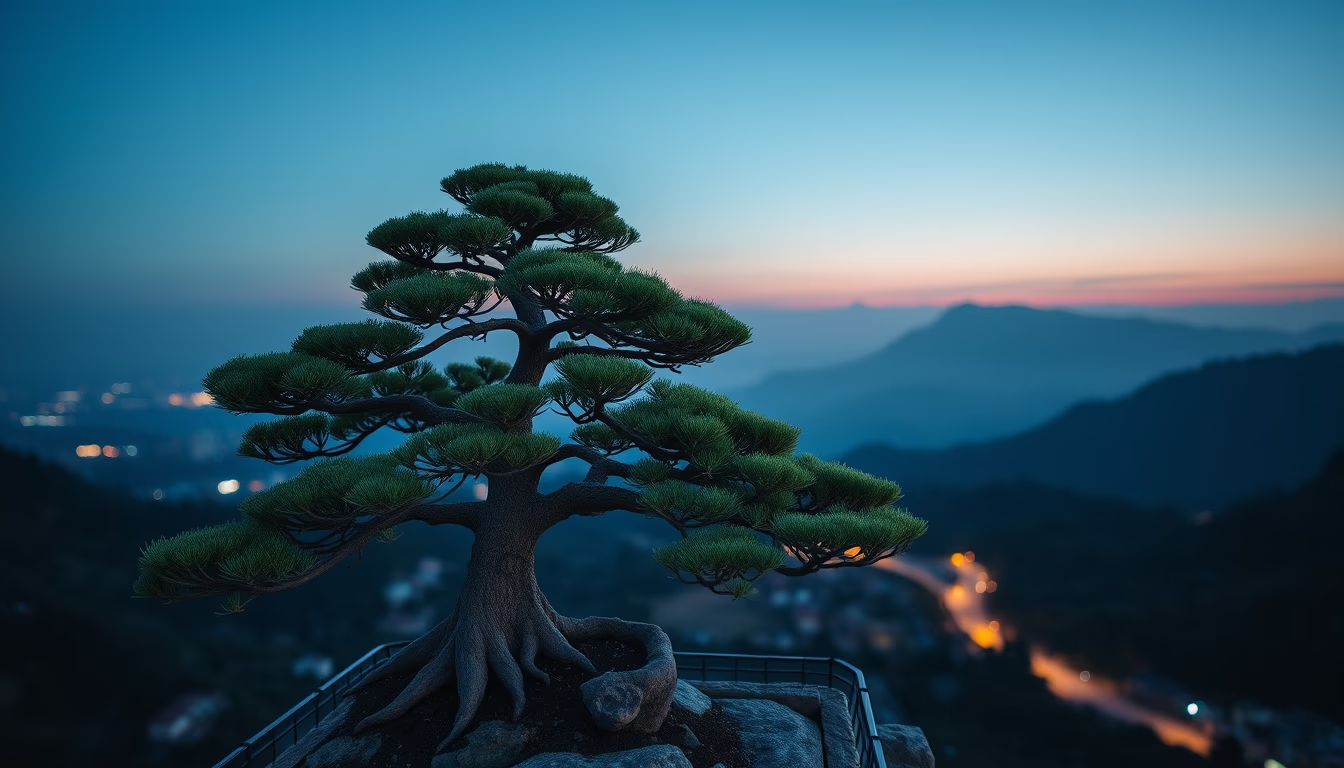
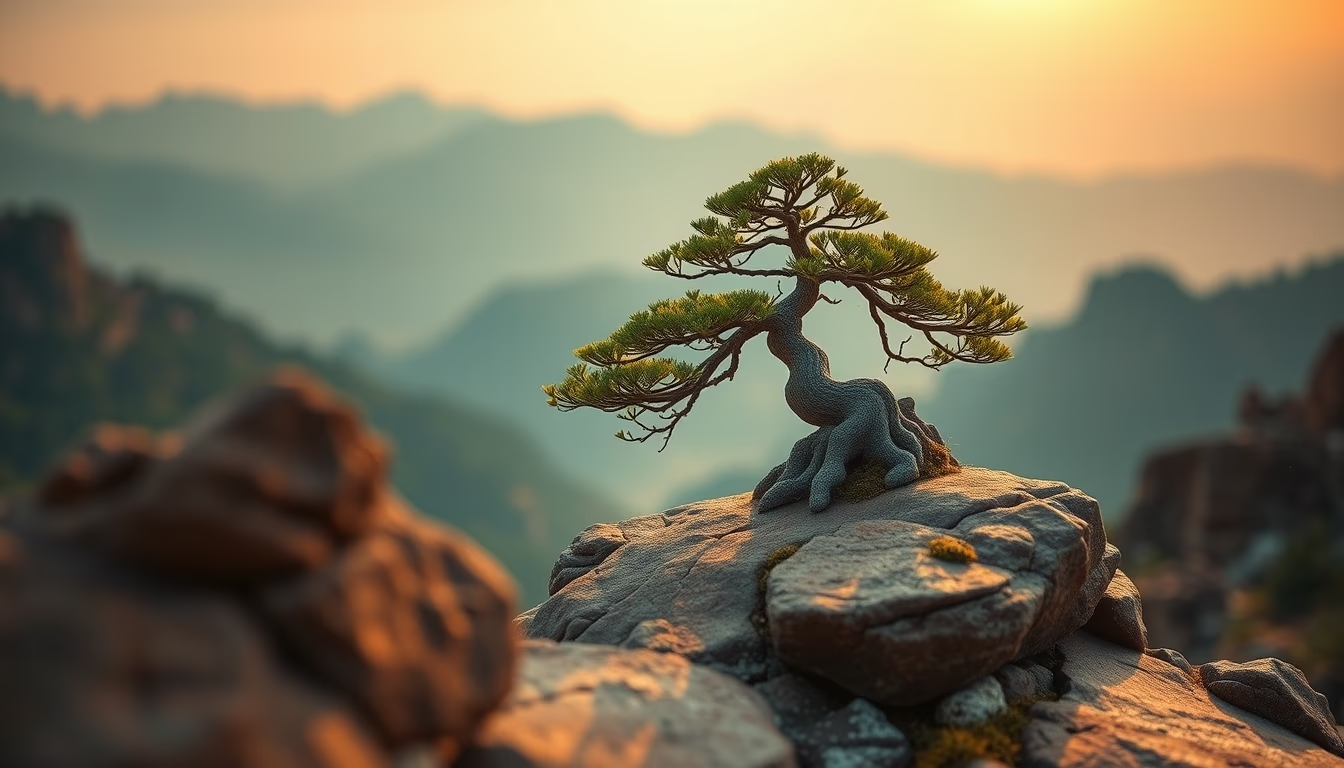
Ancient bonsai pine, a Japanese millennium-old art transforming trees into natural miniatures with decades of cultivation.
About this subject
The ancient bonsai pine represents the pinnacle of bonsai art, a practice that began in China over two thousand years ago and was refined in Japan. Species like Pinus thunbergii (Japanese black pine) and Pinus pentaphylla (Japanese white pine) are often used for their hardiness and ability to develop rugged bark and dense needles. An ancient specimen, over a hundred years old, displays a twisted trunk and sculptural branches that tell a story of pruning and wiring.
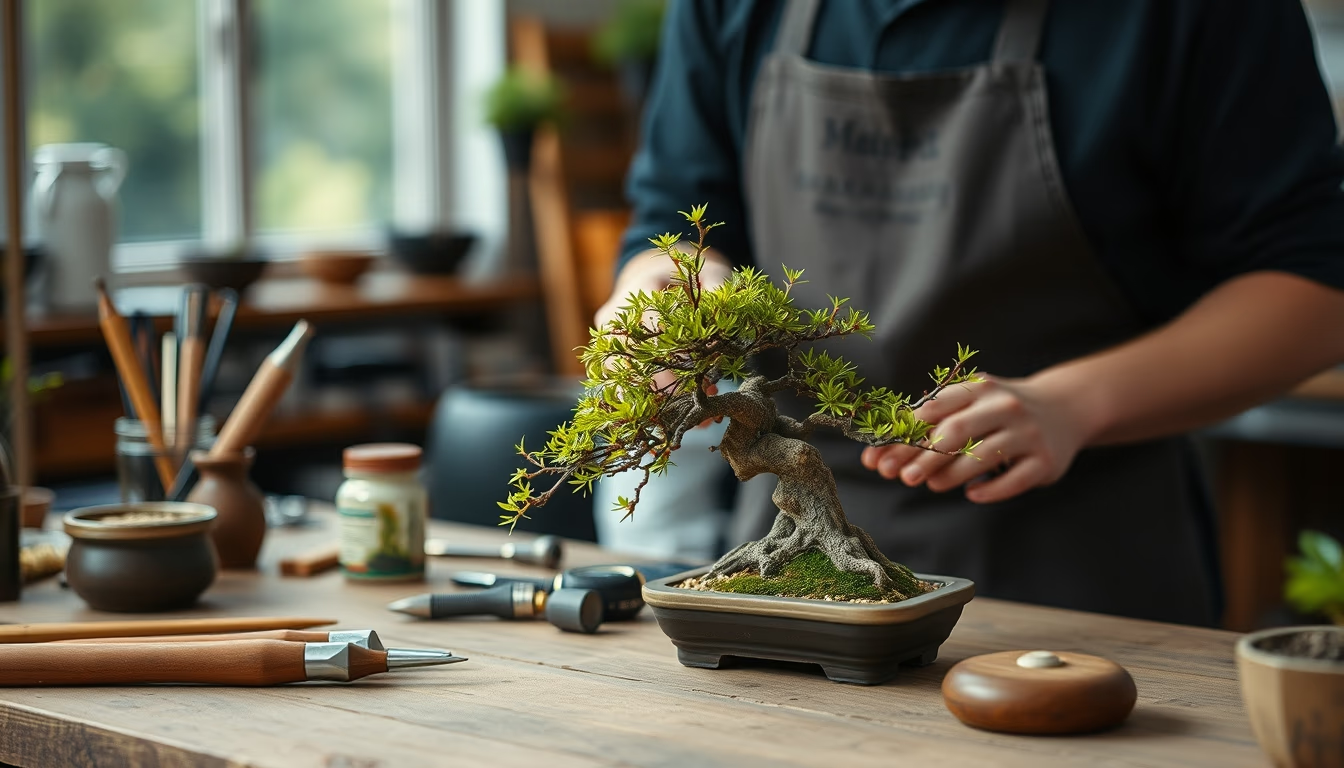
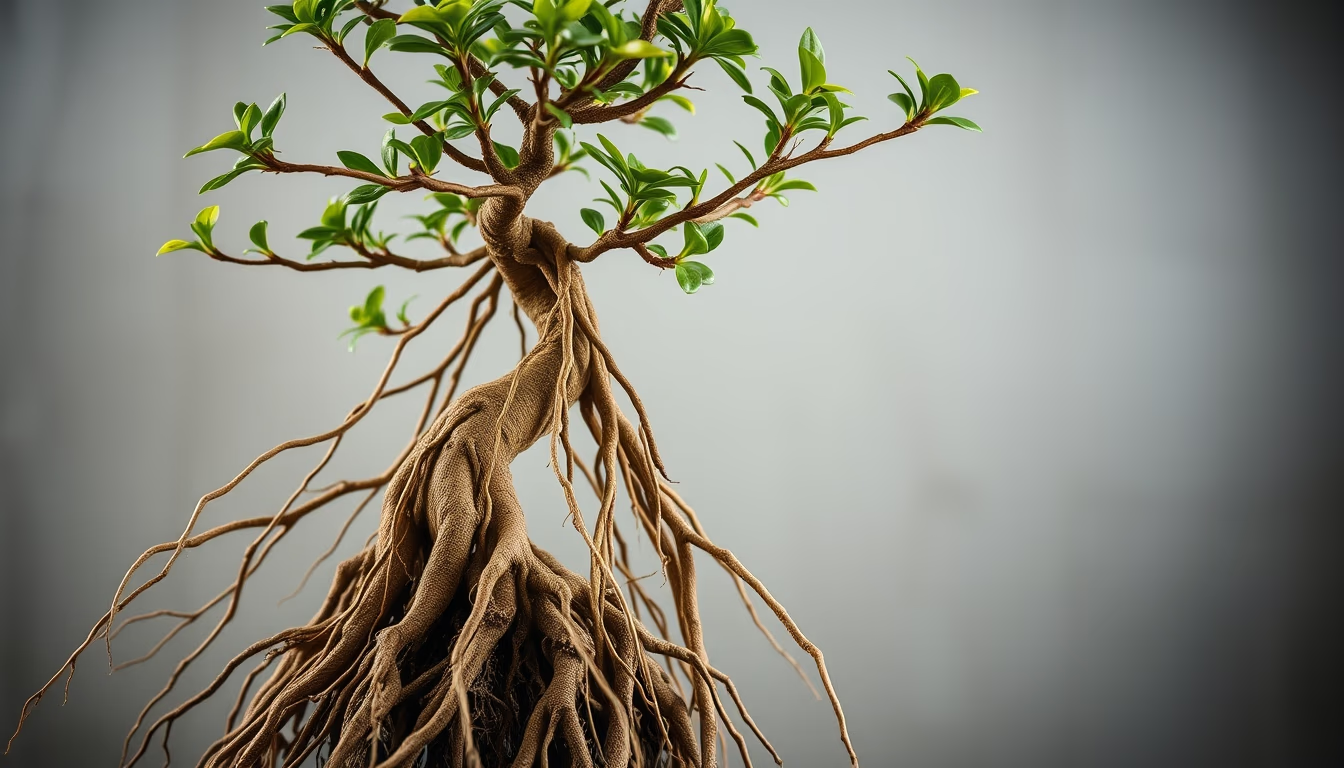
In Japan, the bonsai pine is a symbol of longevity, strength, and wisdom, commonly found in temples and palaces. The famous 'Sandai-Shogun-No-Matsu', a black pine from the 17th century, resides in the Imperial Palace in Tokyo and is considered a national treasure. Maintaining an ancient bonsai pine requires deep knowledge: careful watering, specific fertilization, branch and root pruning, and wiring to guide growth. Each spring, new shoots are pinched to control needle size.
Interestingly, many ancient bonsai have survived wars and natural disasters, passed down through generations. The value of a bonsai pine lies not only in its age but in the harmony between the tree and pot, creating a miniature landscape that evokes mountains and valleys. For practitioners, caring for a bonsai is an active meditation, demanding patience and respect for natural time.
Frequently Asked Questions
How long does an ancient bonsai pine live?
A bonsai pine can live for hundreds of years with proper care. Documented specimens exist that are over 400 years old, such as the pine at the Imperial Palace in Tokyo.
How to care for a bonsai pine so it ages well?
Care includes moderate watering (avoiding waterlogging), specific fertilizer for conifers, formative pruning in autumn, pinching of shoots in spring, and frost protection. Repotting with root pruning is needed every two or three years.
What is the cultural significance of the bonsai pine in Japan?
The bonsai pine symbolizes longevity, resilience, and harmony with nature. It is often associated with Zen Buddhism and appears in tea ceremonies and temples, representing eternity in miniature.
Direct URL
https://pub-c7d6a6ea828543ac903a74a341ccb2e1.r2.dev/imagens/bonsai-pine-ancient-aerial-drone-shot-fresh14.avifHow to credit
Include a visible link back to UtilizAí. Copy one of the snippets below:
<a href="https://xn--utiliza-eza.com/en/midia/imagens/bonsai-pine-ancient-aerial-drone-shot-fresh14">Bonsai pine ancient</a> by <a href="https://xn--utiliza-eza.com">UtilizAí</a>, licensed under <a href="https://creativecommons.org/licenses/by/4.0/">CC BY 4.0</a>.
[Bonsai pine ancient](https://xn--utiliza-eza.com/en/midia/imagens/bonsai-pine-ancient-aerial-drone-shot-fresh14) by [UtilizAí](https://xn--utiliza-eza.com), CC BY 4.0
License: CC-BY-4.0