Bonsai maple autumn red
1344×768 · AVIF · CC BY 4.0
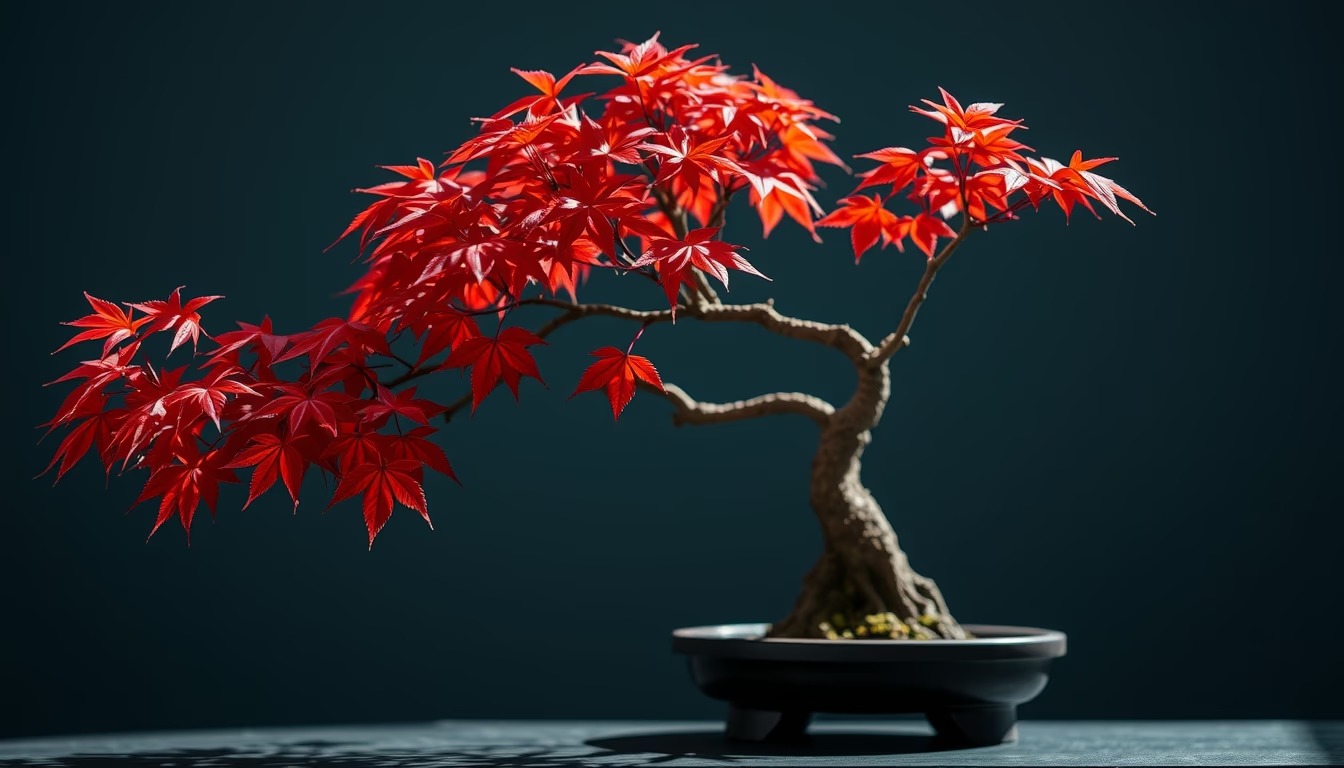
The Japanese maple (Acer palmatum) in bonsai style displays intense red leaves during autumn, a seasonal phenomenon prized in the ancient art of bonsai.
About this subject
Japanese maple bonsai, especially the Acer palmatum variety, is one of the most cherished species in bonsai practice due to its vibrant autumn coloration. The leaves transition from bright green in summer to shades of red, orange, and purple in autumn, creating a visual spectacle admired worldwide. This transformation results from chlorophyll breakdown and anthocyanin production, pigments that protect the leaves from intense light before they fall.
Cultivating a maple bonsai requires specific care. The species prefers acidic, well-drained soil and indirect sunlight to prevent leaf scorch. During autumn, watering should be gradually reduced to encourage color change. Maintenance pruning is done in late winter or early spring before new growth emerges. Every two to three years, repotting with fresh substrate is recommended to replenish nutrients.
In Japanese culture, the red maple (momiji) symbolizes the transience of beauty, a concept known as mono no aware. The practice of bonsai with this species dates back to the Edo period (1603-1868), when samurai and Zen monks cultivated miniature trees as a form of meditation and nature contemplation. Today, international bonsai exhibitions often feature maple specimens with autumn foliage, regarded as living works of art.
Frequently Asked Questions
Why do the leaves of a maple bonsai turn red in autumn?
The red coloration is due to anthocyanin production, pigments that protect leaves from intense sunlight during senescence. As chlorophyll breaks down, these red and orange pigments become visible.
What is the best time to prune a Japanese maple bonsai?
Maintenance pruning should be done in late winter or early spring before new growth emerges. Avoid pruning in autumn, as the tree is storing energy for winter.
Does a maple bonsai need full sun?
No. Japanese maple prefers indirect sunlight or partial shade, especially in warm climates. Direct intense sun can scorch the leaves and hinder tree development.
Direct URL
https://pub-c7d6a6ea828543ac903a74a341ccb2e1.r2.dev/imagens/bonsai-maple-autumn-red-magazine-editorial-fresh17.avifHow to credit
Include a visible link back to UtilizAí. Copy one of the snippets below:
<a href="https://xn--utiliza-eza.com/en/midia/imagens/bonsai-maple-autumn-red-magazine-editorial-fresh17">Bonsai maple autumn red</a> by <a href="https://xn--utiliza-eza.com">UtilizAí</a>, licensed under <a href="https://creativecommons.org/licenses/by/4.0/">CC BY 4.0</a>.
[Bonsai maple autumn red](https://xn--utiliza-eza.com/en/midia/imagens/bonsai-maple-autumn-red-magazine-editorial-fresh17) by [UtilizAí](https://xn--utiliza-eza.com), CC BY 4.0
License: CC-BY-4.0