Bonsai maple autumn red
1344×768 · AVIF · CC BY 4.0
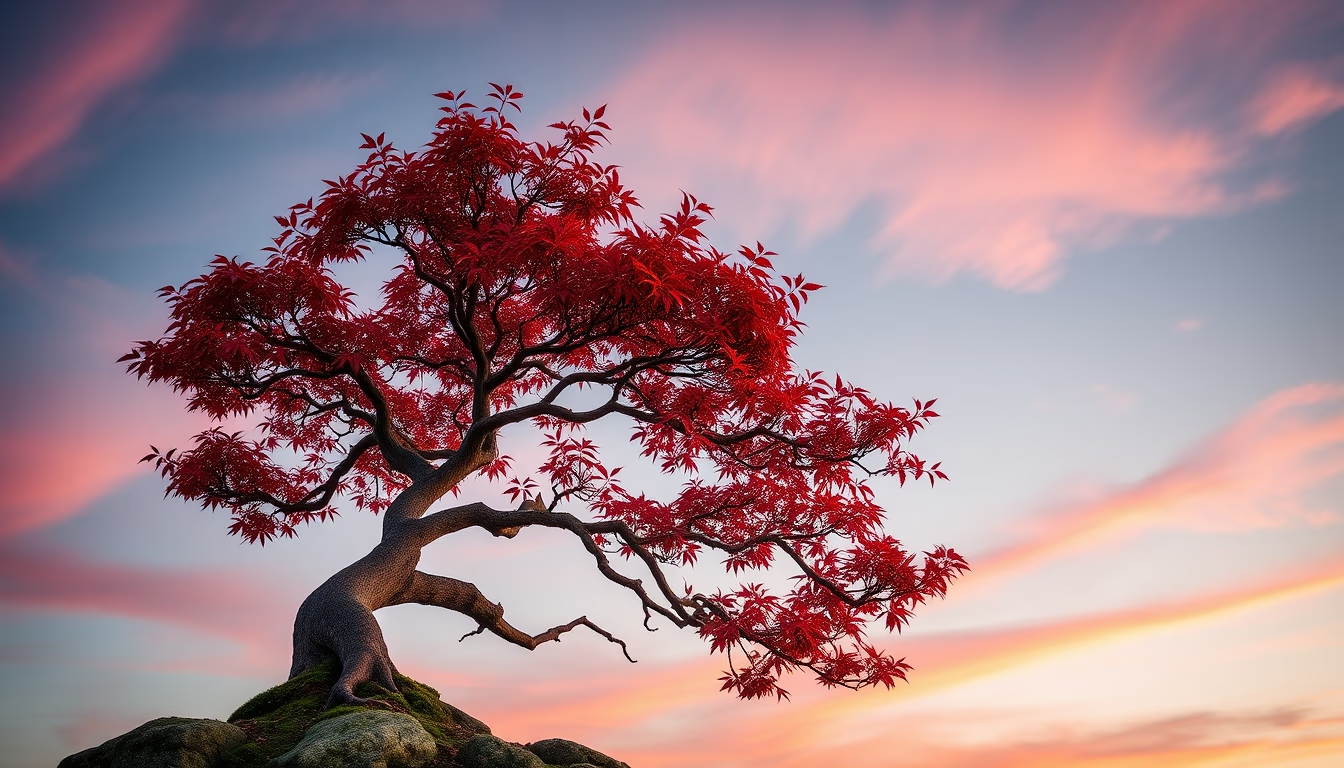
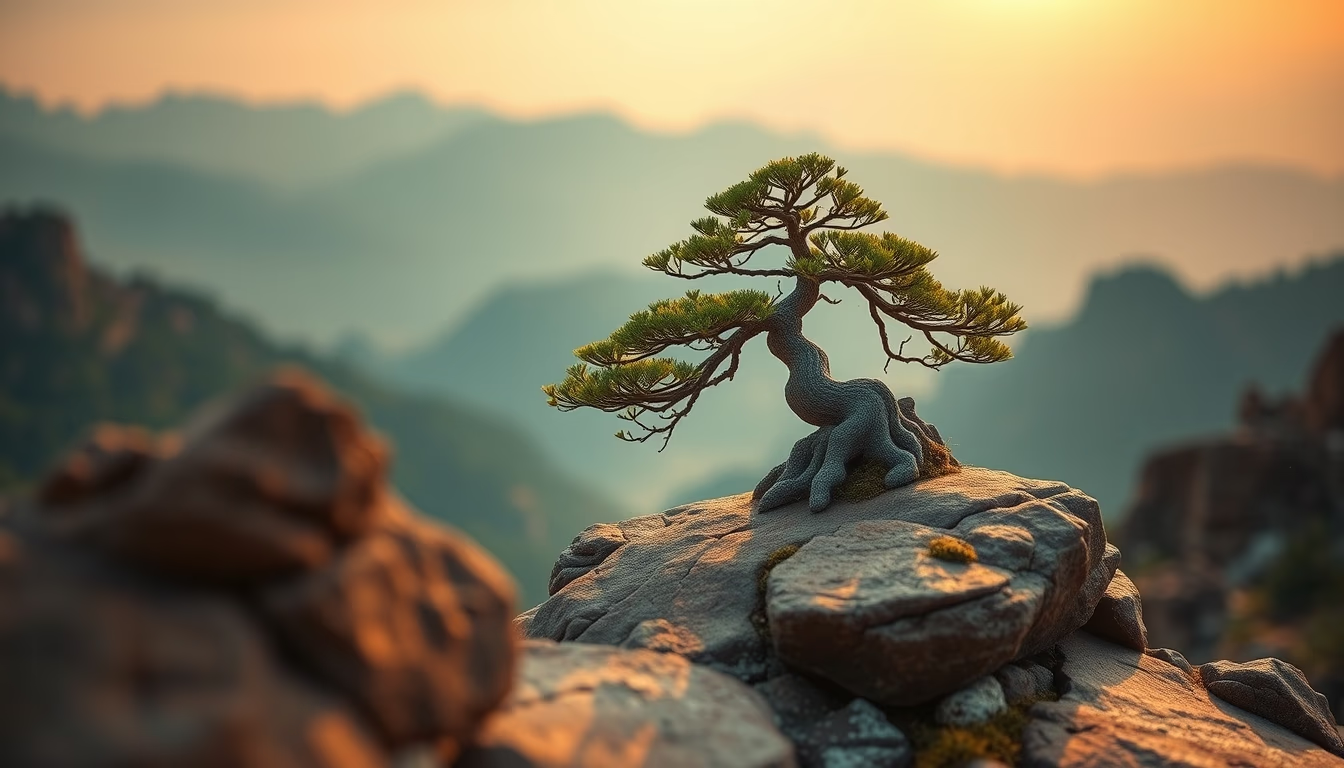
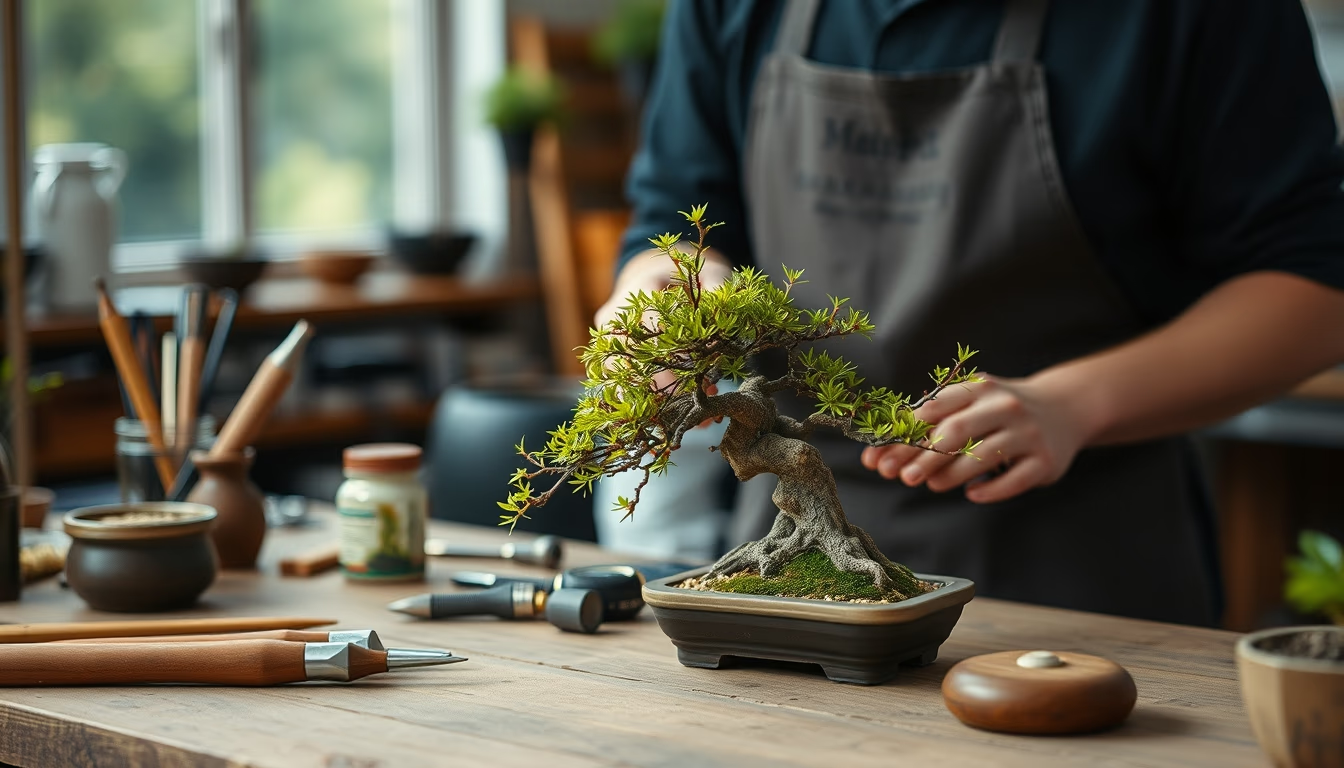
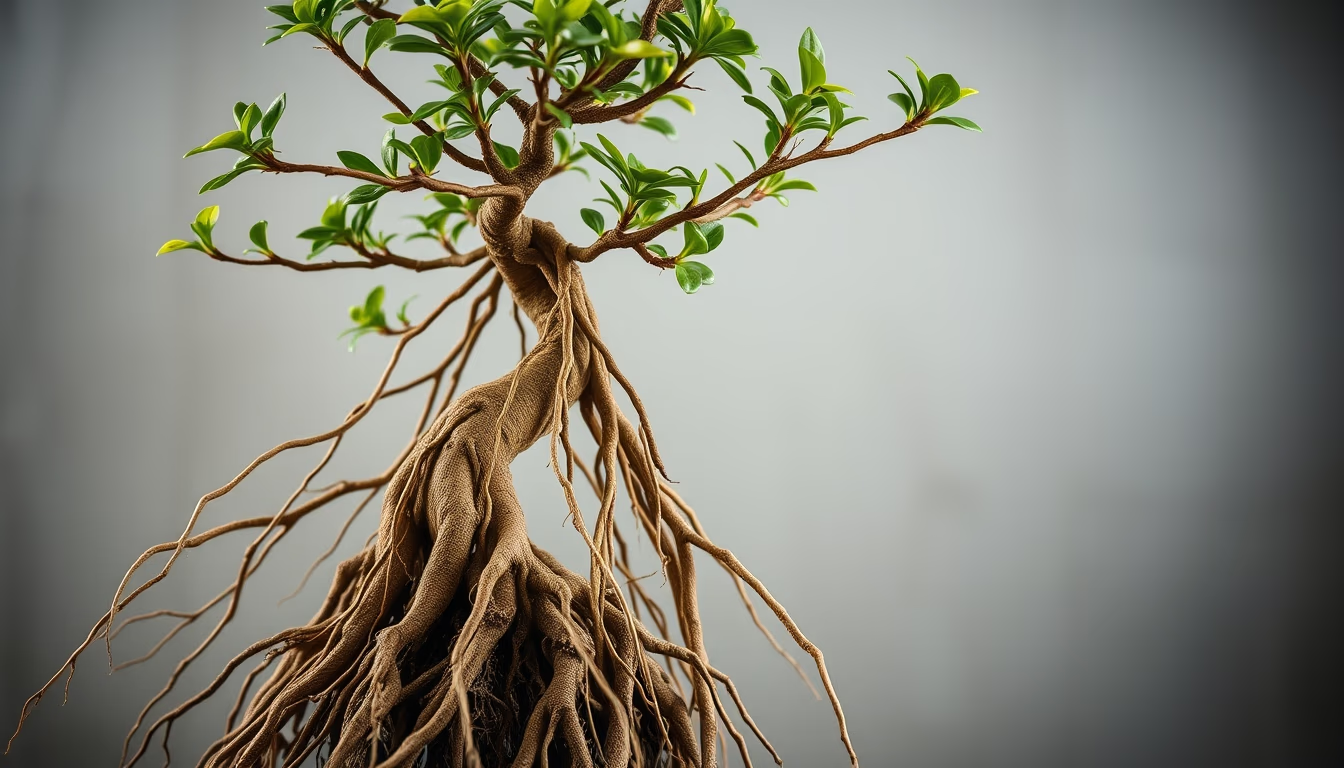
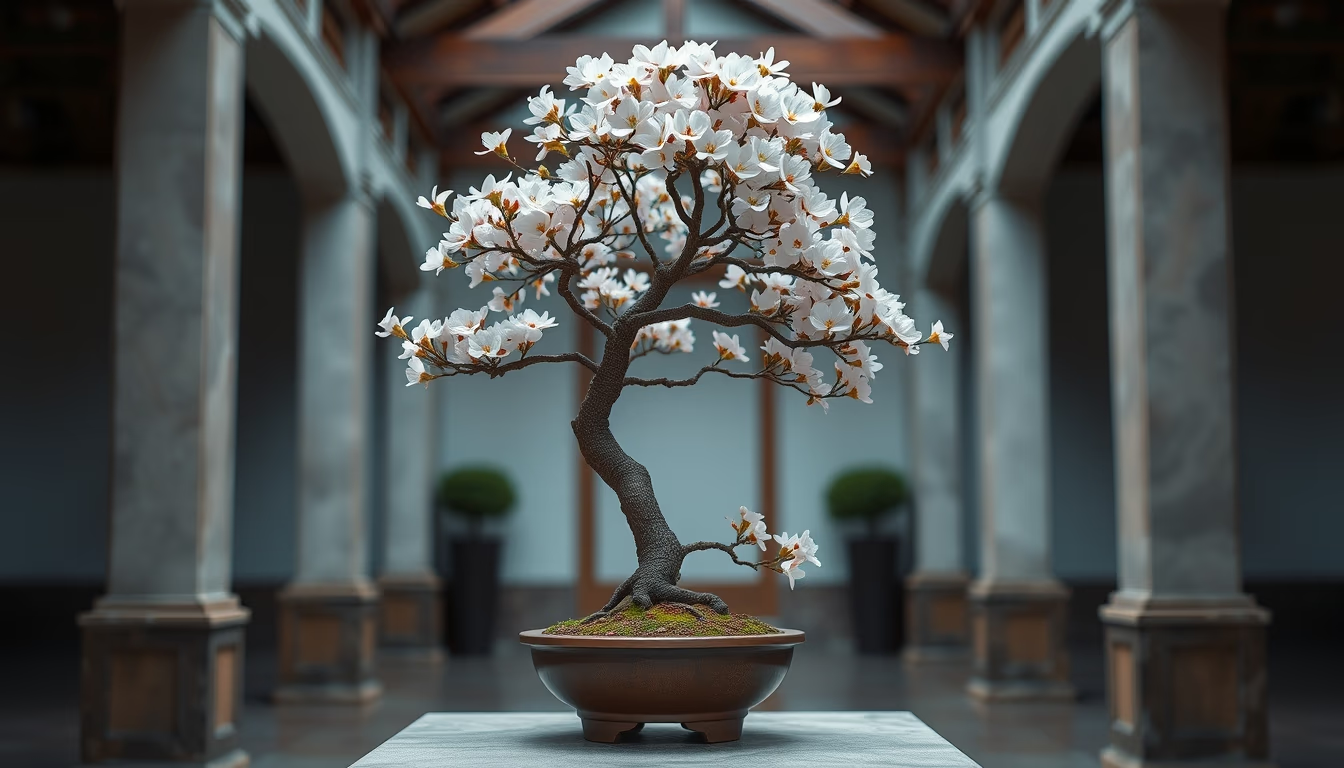
The bonsai maple in autumn displays intense red leaves, a result of the blend between ancient Japanese art and seasonal natural phenomena.
About this subject
The bonsai maple, also known as Japanese maple (Acer palmatum), is one of the most prized species in bonsai art. Its delicate foliage and vibrant autumn colors make it a symbol of balance and transience, key concepts in Japanese aesthetics. The color change occurs due to chlorophyll degradation and anthocyanin production, pigments that protect leaves from excess light and cold, creating shades from orange to deep red.
In bonsai maple cultivation, autumn is a critical phase. Care includes gradual reduction of watering and protection from strong winds and frost. Many practitioners move the plant to sheltered locations or cold frames. Exposure to intense sunlight and mild daytime temperatures followed by cool nights intensifies coloration. Selective pruning and defoliation in summer allow better light penetration, resulting in more uniform colors in autumn.
Historically, bonsai arrived in Japan from China over a thousand years ago, but it was during the Edo period (1603, 1868) that the technique was refined, with emphasis on deciduous species like the maple. In exhibitions such as Kokufu-ten, specimens of Acer palmatum are judged by the harmony between trunk, branches, and seasonal color. The contrast of green moss and pot with red leaves is considered essential.
Interestingly, not all varieties turn red in autumn. Some cultivars like 'Deshojo' and 'Kiyohime' are prone to intense red, while others tend toward yellow or orange. The long exposure technique in bonsai photography aims to capture leaf texture and movement softness, highlighting the ephemerality of the season, but the main focus remains the connection between natural and cultivated.
Frequently Asked Questions
Why do bonsai maple leaves turn red in autumn?
The red color results from chlorophyll breakdown and anthocyanin production, pigments that protect leaves from excess sunlight and cold, intensified by sunny days and cool nights.
How to care for a bonsai maple in autumn?
Gradually reduce watering, protect from strong winds and frost, and ensure good light. Many practitioners move the bonsai to sheltered spots or cold frames to prevent damage.
What are the main maple varieties used in bonsai?
The most common are Acer palmatum, with cultivars like 'Deshojo', 'Kiyohime', and 'Shishigashira', varying in leaf color and growth habit.
Direct URL
https://pub-c7d6a6ea828543ac903a74a341ccb2e1.r2.dev/imagens/bonsai-maple-autumn-red-long-exposure-fresh5.avifHow to credit
Include a visible link back to UtilizAí. Copy one of the snippets below:
<a href="https://xn--utiliza-eza.com/en/midia/imagens/bonsai-maple-autumn-red-long-exposure-fresh5">Bonsai maple autumn red</a> by <a href="https://xn--utiliza-eza.com">UtilizAí</a>, licensed under <a href="https://creativecommons.org/licenses/by/4.0/">CC BY 4.0</a>.
[Bonsai maple autumn red](https://xn--utiliza-eza.com/en/midia/imagens/bonsai-maple-autumn-red-long-exposure-fresh5) by [UtilizAí](https://xn--utiliza-eza.com), CC BY 4.0
License: CC-BY-4.0