Bonsai maple autumn red
1344×768 · AVIF · CC BY 4.0
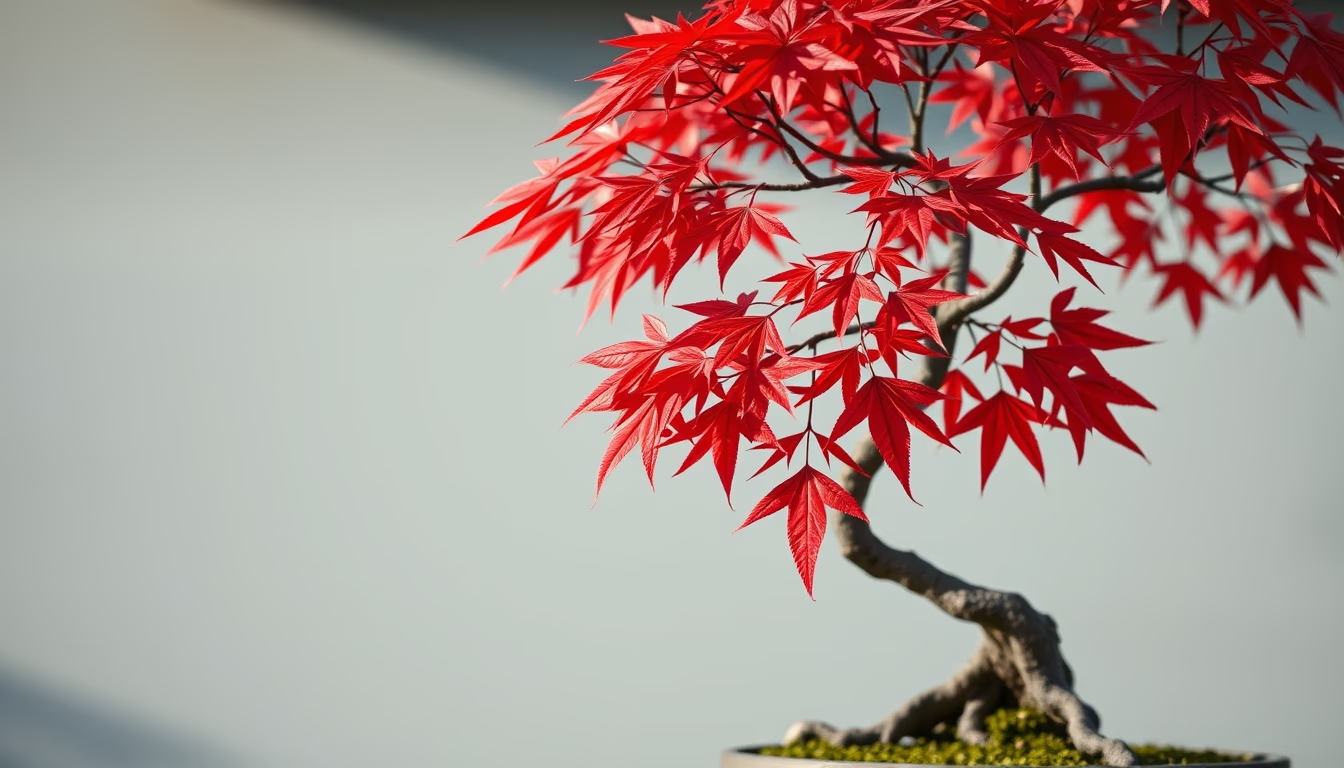
The Japanese maple in bonsai style displays intense red foliage during autumn, combining the ancient art of miniature cultivation with the seasonal beauty of warm colors.
About this subject
The Japanese maple bonsai, scientifically known as Acer palmatum, is one of the most cherished species in the art of bonsai. Native to Japan, Korea, and China, this deciduous shrub has been cultivated for centuries in shallow containers, using techniques that mimic the natural forms of full-sized trees on a reduced scale. During autumn, its palmate leaves undergo a spectacular chromatic transformation, ranging from green to yellow, orange, and deep red, making it the focal point of any collection.
To maintain the health and beauty of a Japanese maple bonsai, specific care is required. Watering should be frequent, especially on hot days, but without waterlogging the substrate. Balanced fertilization is recommended during spring and summer. Maintenance pruning and pinching of shoots help control growth and canopy density. Full sun or partial shade is ideal, but in regions with intense heat, protection from afternoon sun prevents leaf burn.
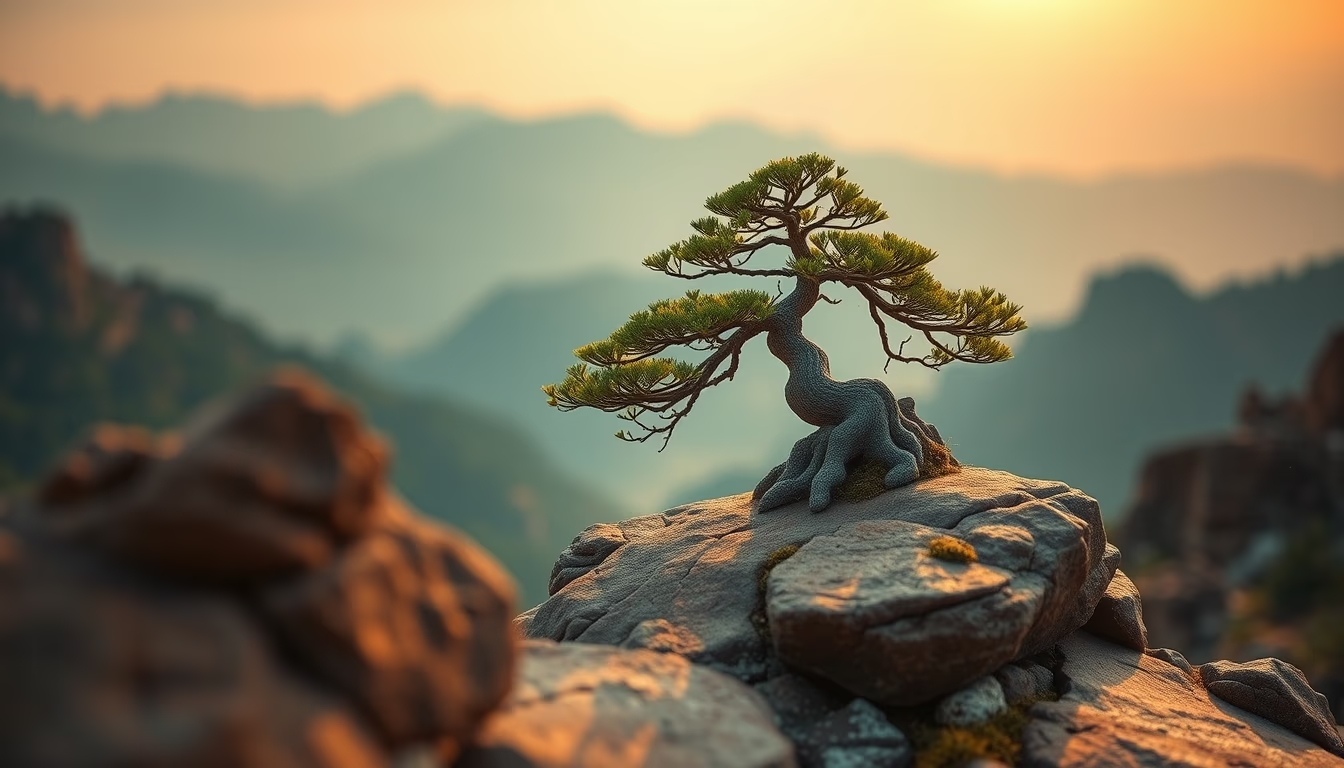
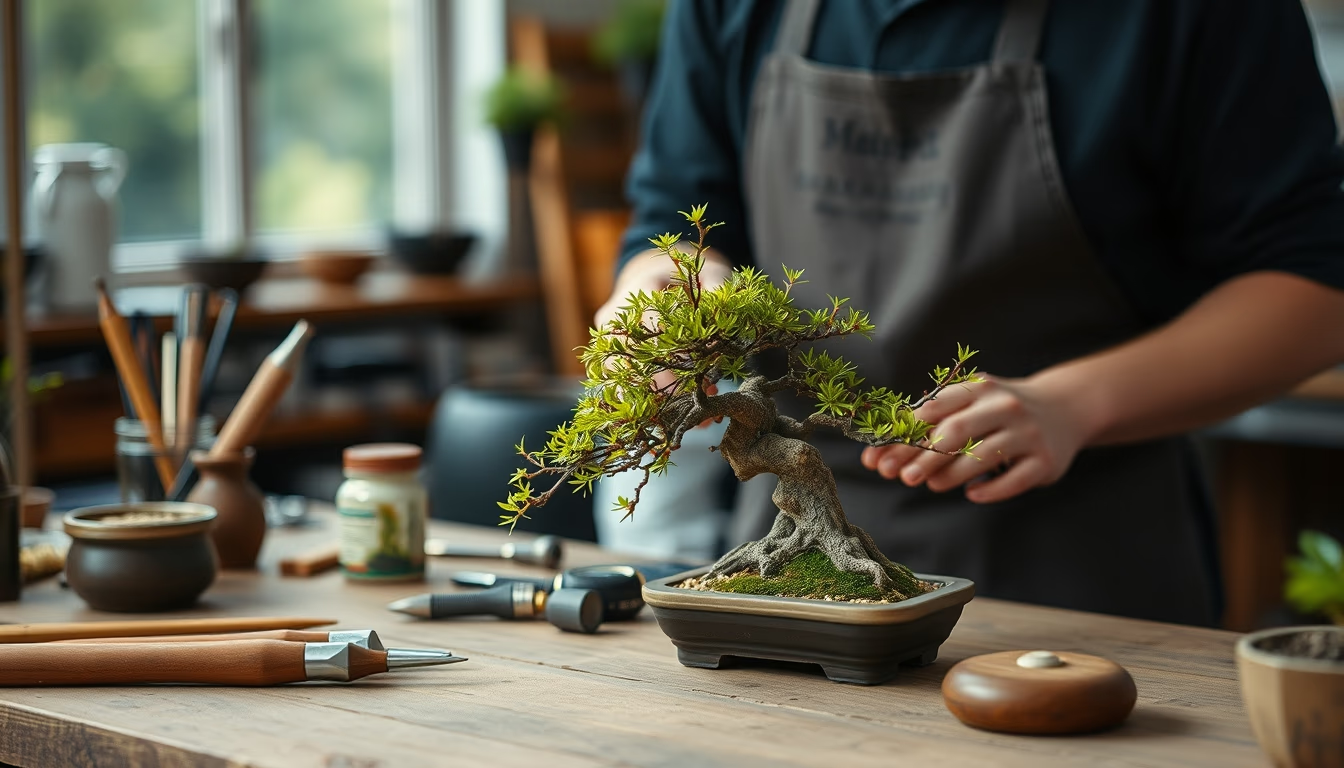
The art of shaping Japanese maple bonsai involves techniques such as wiring, which directs branches to desired positions, and structural pruning, which defines formal or informal styles. Autumn is the peak season of the cycle, when leaves acquire vibrant tones before falling. In Japan, this color change is celebrated with the term "momiji," and the appreciation of maples in gardens and bonsai collections is a deeply rooted cultural tradition.
Some specimens of Japanese maple bonsai are considered true masterpieces, hundreds of years old. The largest and oldest known Japanese maple bonsai is in Japan, dating from the 18th century, displaying a rough bark and twisted trunk that tell stories of generational care. This longevity and the ability to evoke miniature natural landscapes make the Japanese maple bonsai a symbol of patience, balance, and harmony with nature.
Frequently Asked Questions
What is the best time to prune a Japanese maple bonsai?
Maintenance pruning should be done in late winter or early spring before buds emerge. Structural pruning can be performed in autumn after leaf fall.
Why do Japanese maple bonsai leaves turn red in autumn?
Leaves turn red due to chlorophyll degradation and the production of anthocyanins, pigments that protect leaves from intense sunlight and aid in nutrient reabsorption before shedding.
How to protect a Japanese maple bonsai in winter?
In regions with harsh winters, protect the bonsai from wind and frost by placing it in a sheltered spot like a cold frame or covered area. Keep the substrate slightly moist without waterlogging.
Direct URL
https://pub-c7d6a6ea828543ac903a74a341ccb2e1.r2.dev/imagens/bonsai-maple-autumn-red-documentary-photography-fresh10.avifHow to credit
Include a visible link back to UtilizAí. Copy one of the snippets below:
<a href="https://xn--utiliza-eza.com/en/midia/imagens/bonsai-maple-autumn-red-documentary-photography-fresh10">Bonsai maple autumn red</a> by <a href="https://xn--utiliza-eza.com">UtilizAí</a>, licensed under <a href="https://creativecommons.org/licenses/by/4.0/">CC BY 4.0</a>.
[Bonsai maple autumn red](https://xn--utiliza-eza.com/en/midia/imagens/bonsai-maple-autumn-red-documentary-photography-fresh10) by [UtilizAí](https://xn--utiliza-eza.com), CC BY 4.0
License: CC-BY-4.0