Bonsai juniper sculptural
1344×768 · AVIF · CC BY 4.0
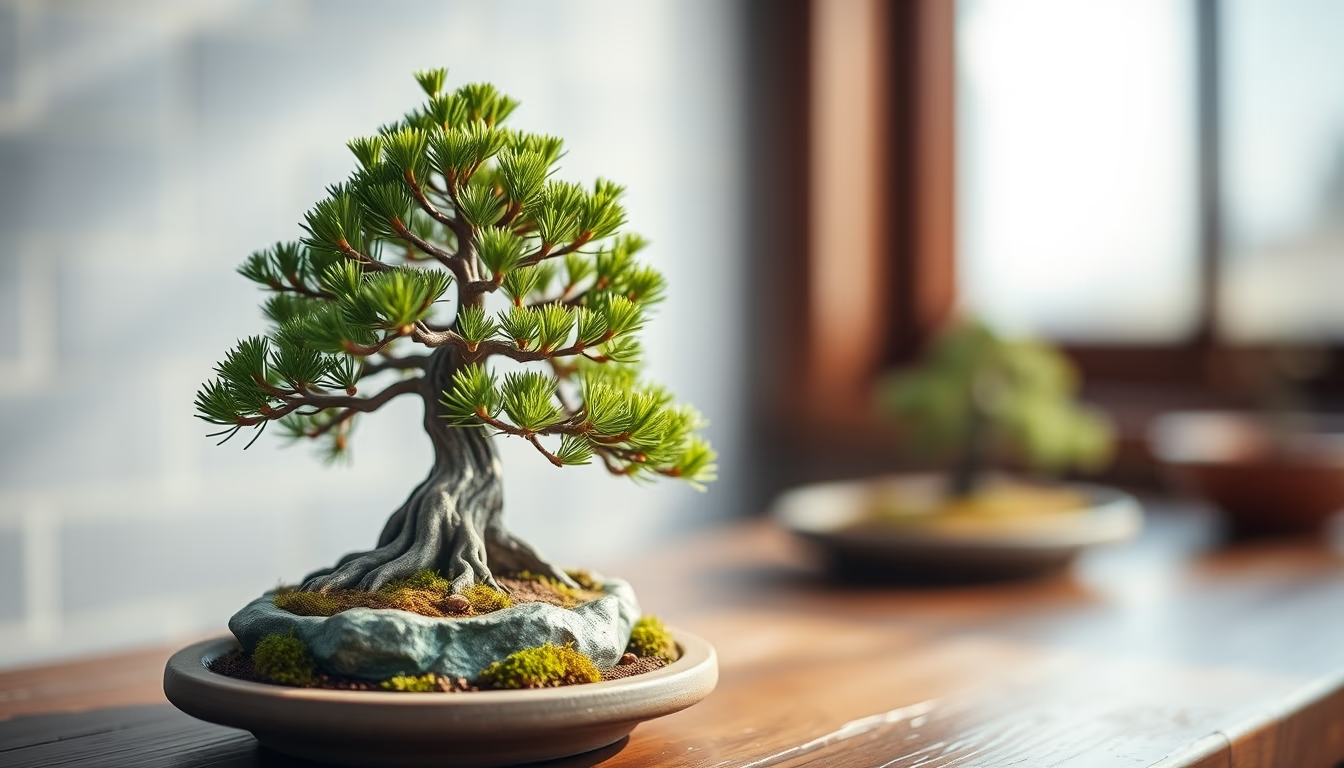
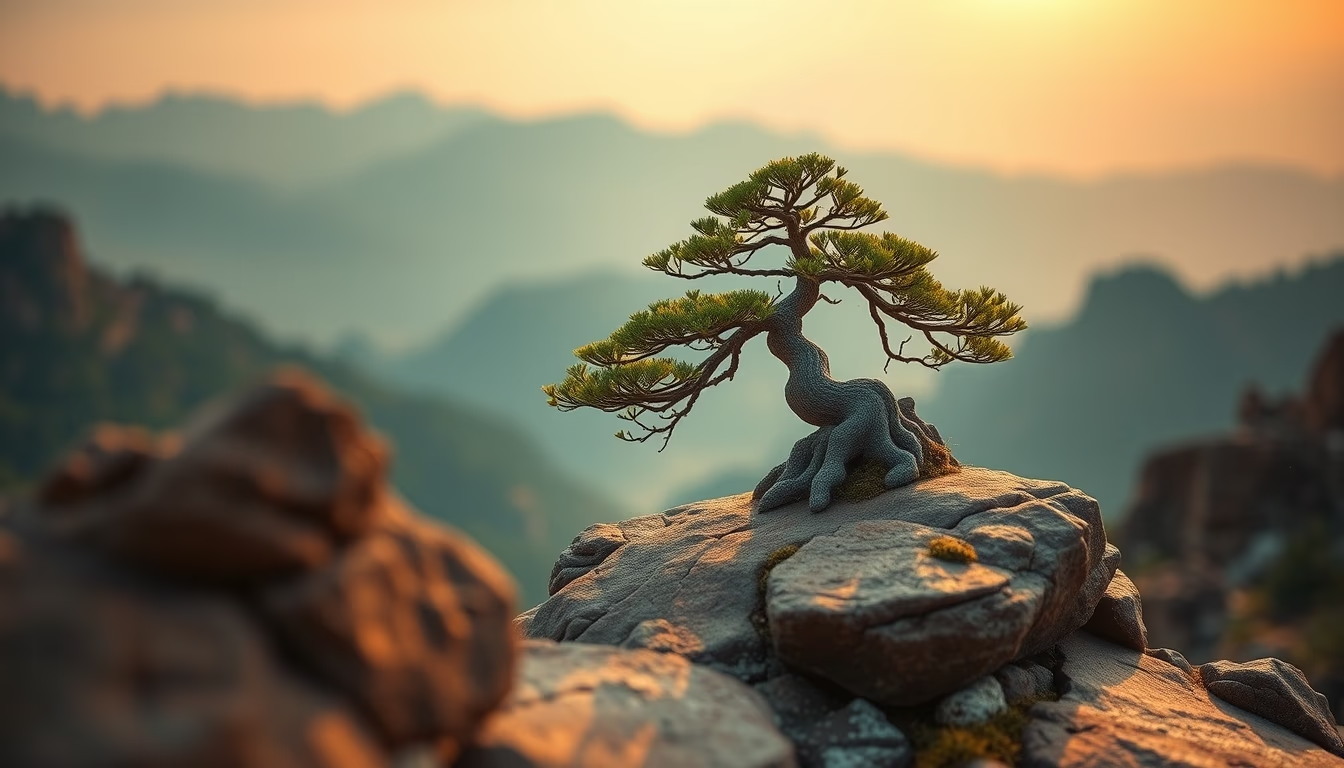
A sculptural juniper bonsai captured with tilt-shift effect enhancing the miniature illusion, showcasing the ancient art of shaping miniature trees.
About this subject
Juniper bonsai is one of the most beloved forms in the art of bonsai, which originated in China and was refined in Japan. The juniper, known for its resilience and flexibility, allows artists to create striking sculptural shapes such as twisted trunks and inclined branches that mimic ancient trees in miniature scale. The sculpting process involves careful pruning, wiring, and training over many years or decades.
The image uses the tilt-shift effect, a photographic technique that selectively blurs parts of the scene to simulate a shallow depth of field typical of macro photography. This makes the bonsai appear even smaller than it is, as if it were a miniature model. The effect is commonly employed in landscape and object photography to create a miniature world illusion.
Cultivating juniper as bonsai requires specific care: well-draining soil, adequate sunlight, moderate watering, and frost protection. Pruning should be done in spring and summer, and wiring can guide growth. Common species include Juniperus chinensis and Juniperus procumbens.
Interestingly, in Japan, juniper bonsai is often associated with longevity and resilience, frequently found in temples and zen gardens. The trunk carving technique, known as 'shari', imitates natural dead wood, an aesthetic element highly valued in the art.
Frequently Asked Questions
How to care for a juniper bonsai?
Juniper bonsai needs full sun, well-draining soil, and moderate watering. Avoid waterlogging. Prune in spring and summer, and use wire to shape branches. Protect from severe frost.
What does the tilt-shift effect mean in bonsai photography?
The tilt-shift effect blurs the background and/or foreground to simulate a shallow depth of field, making the bonsai appear as a tiny object, like a diorama.
What is the difference between juniper bonsai and other species?
Juniper is more resilient and flexible, ideal for sculptural shapes with twisted trunks. Its scale-like or needle leaves allow detailed pruning, and it tolerates harsh conditions better than many other species.
Direct URL
https://pub-c7d6a6ea828543ac903a74a341ccb2e1.r2.dev/imagens/bonsai-juniper-sculptural-tilt-shift-miniature-fresh10.avifHow to credit
Include a visible link back to UtilizAí. Copy one of the snippets below:
<a href="https://xn--utiliza-eza.com/en/midia/imagens/bonsai-juniper-sculptural-tilt-shift-miniature-fresh10">Bonsai juniper sculptural</a> by <a href="https://xn--utiliza-eza.com">UtilizAí</a>, licensed under <a href="https://creativecommons.org/licenses/by/4.0/">CC BY 4.0</a>.
[Bonsai juniper sculptural](https://xn--utiliza-eza.com/en/midia/imagens/bonsai-juniper-sculptural-tilt-shift-miniature-fresh10) by [UtilizAí](https://xn--utiliza-eza.com), CC BY 4.0
License: CC-BY-4.0