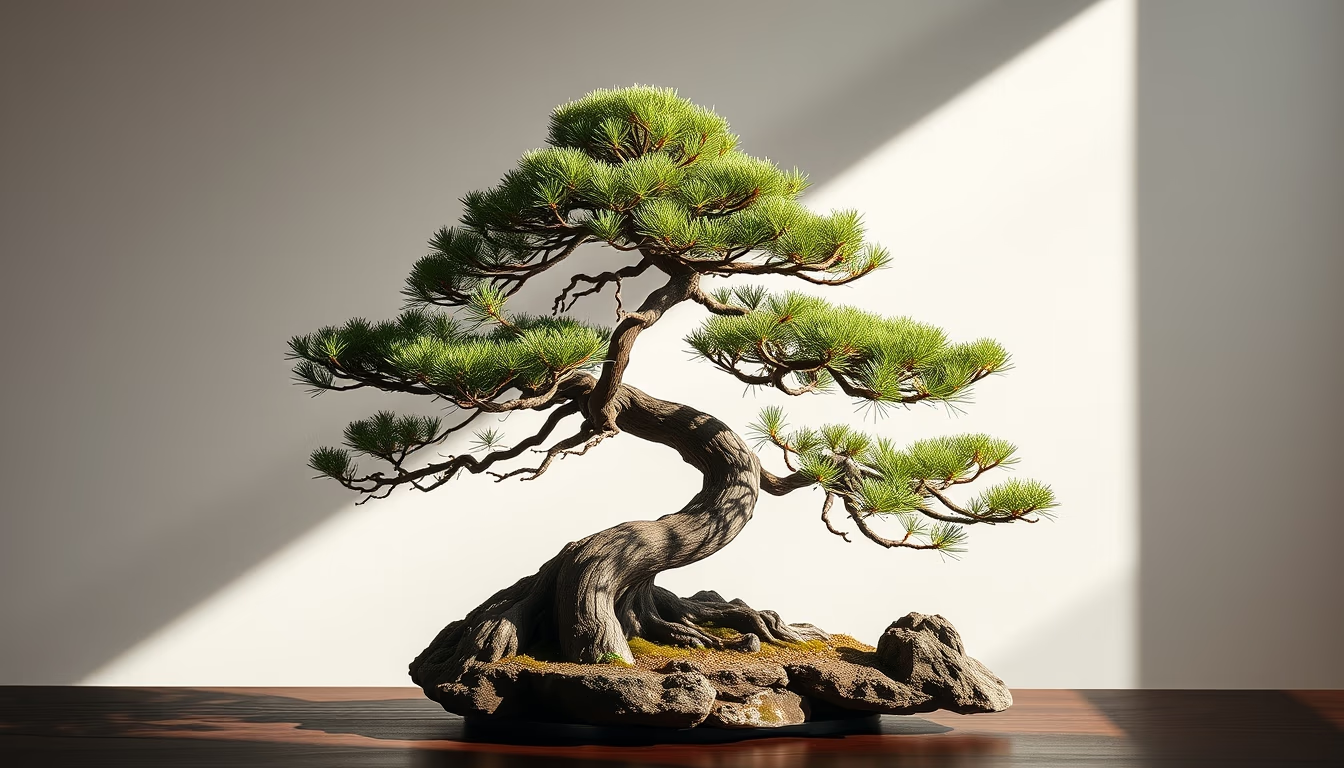
Bonsai juniper sculptural
1344×768 · AVIF · CC BY 4.0
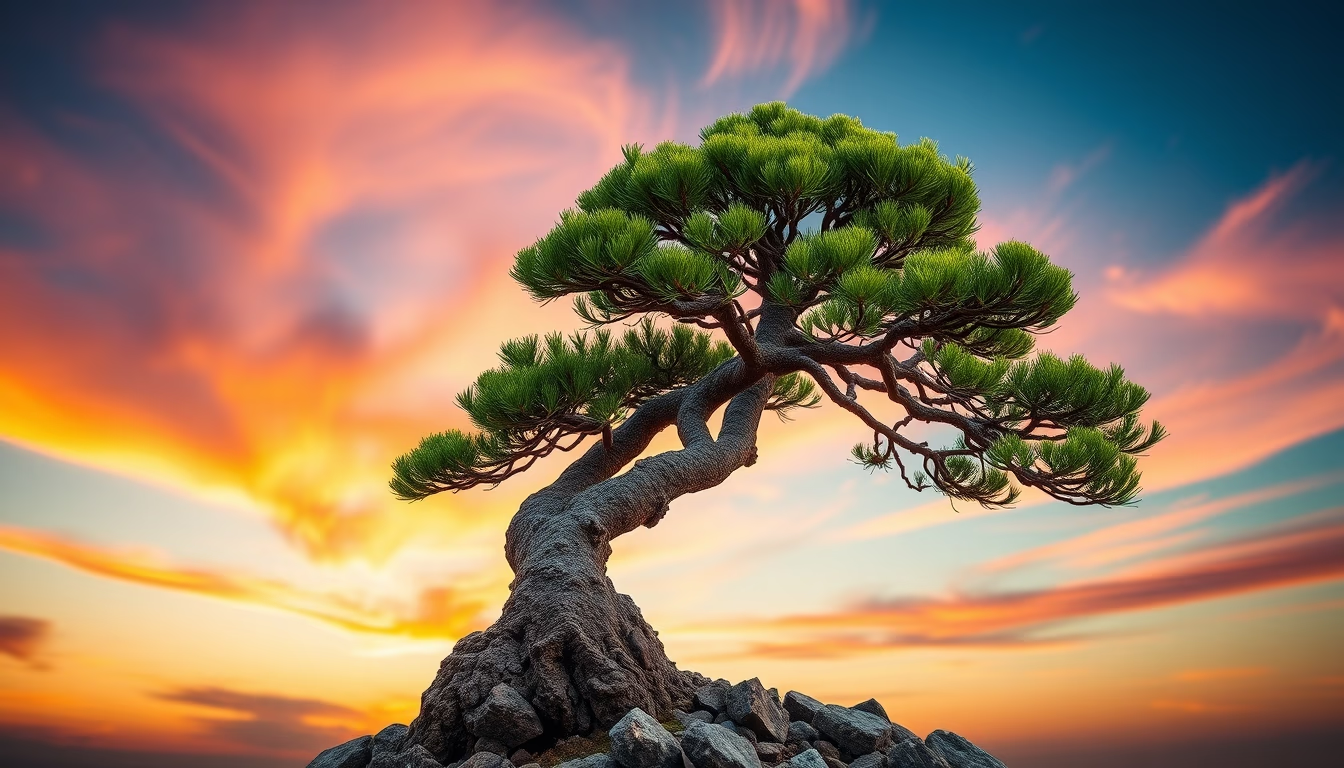
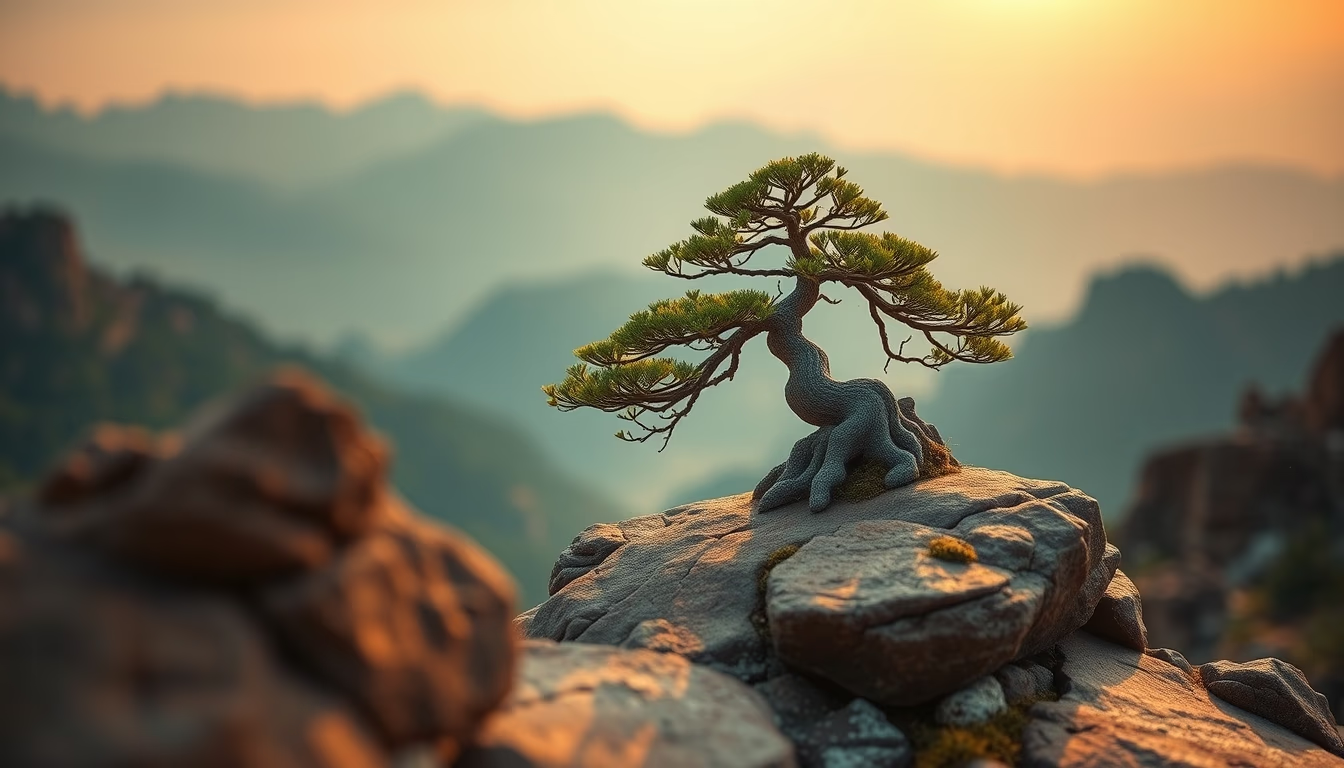
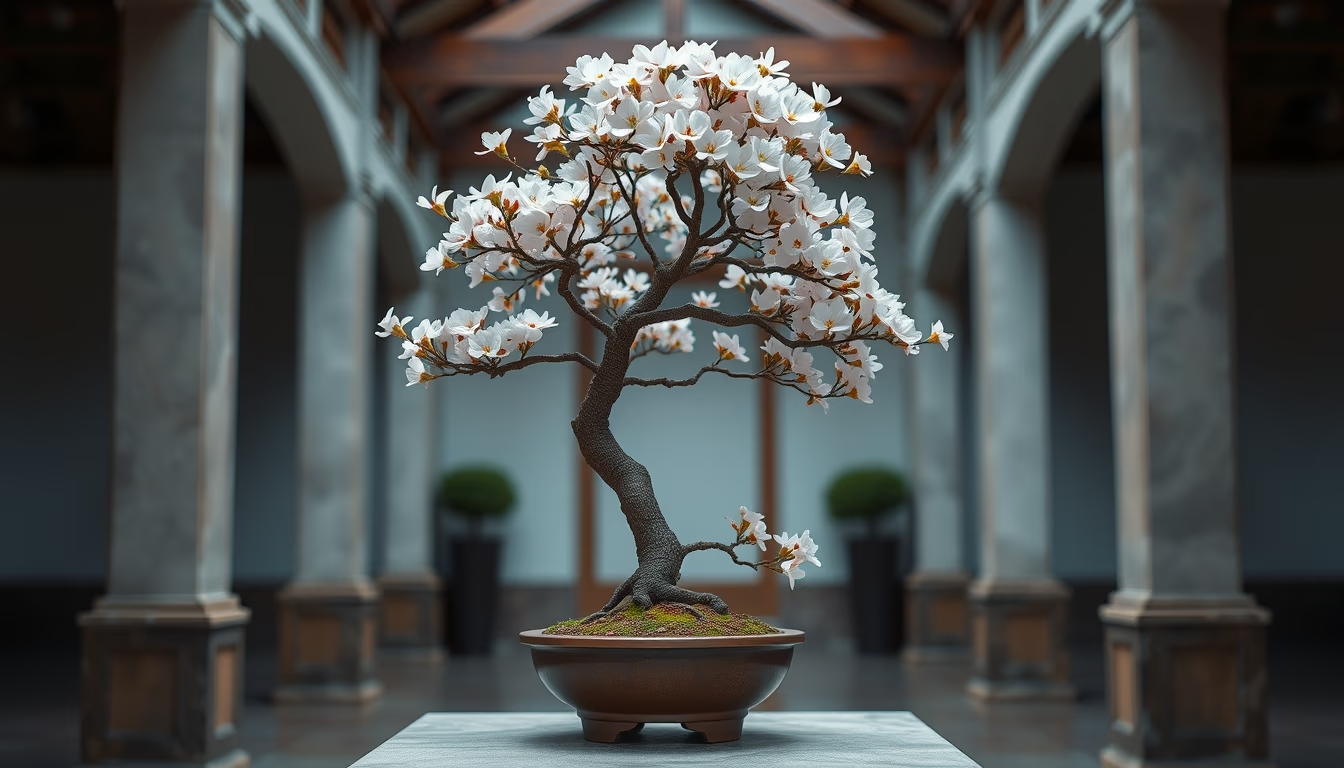
The sculptural juniper bonsai is one of the most iconic forms of the ancient art of bonsai, combining pruning and wiring techniques to create shapes that mimic ancient trees.
About this subject
Sculptural juniper bonsai is an artistic expression that primarily uses species from the genus Juniperus, such as Juniperus chinensis and Juniperus procumbens. These conifers are valued for their rough bark, dense needles, and ability to develop jin (dead branches) and shari (stripped bark), elements that give the appearance of centuries-old trees weathered by the elements. The art of bonsai originated in China over a thousand years ago, but it was in Japan that it gained aesthetic and philosophical refinement, with juniper being one of the most traditional species.
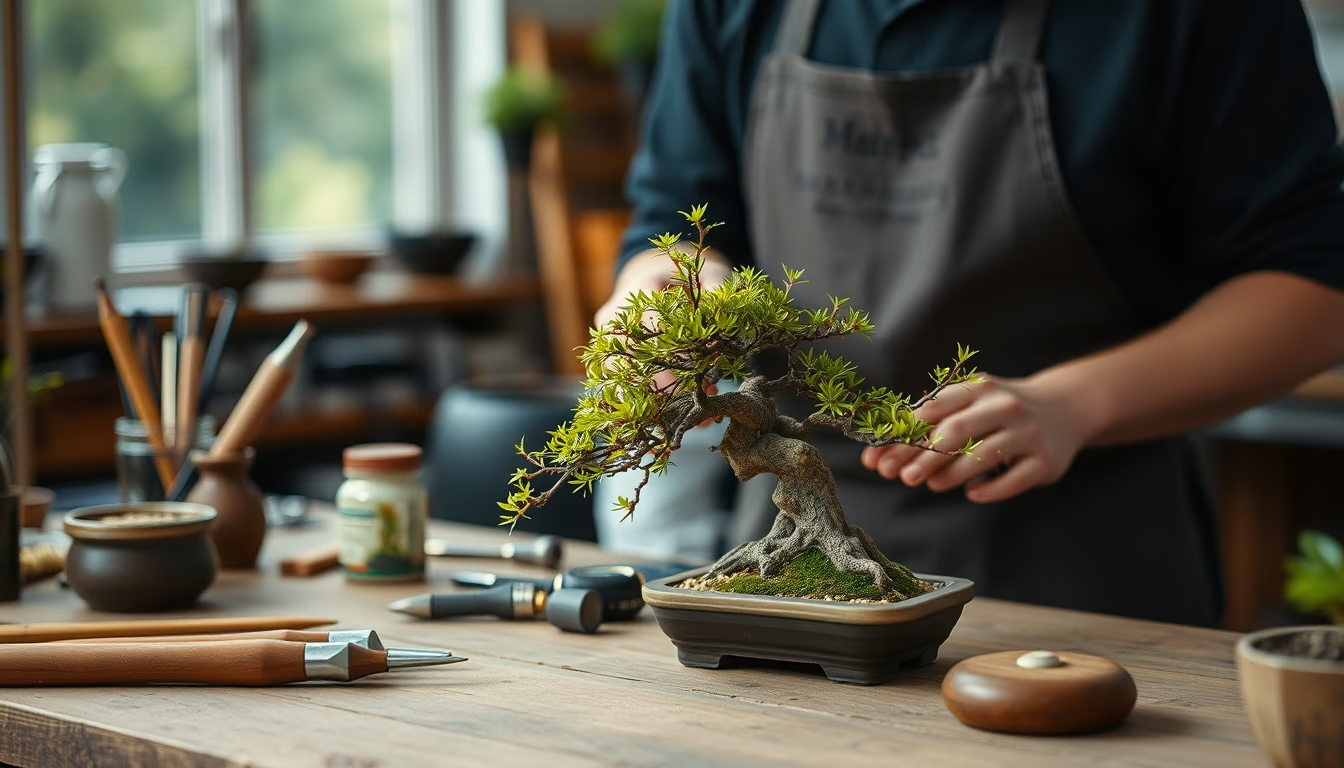
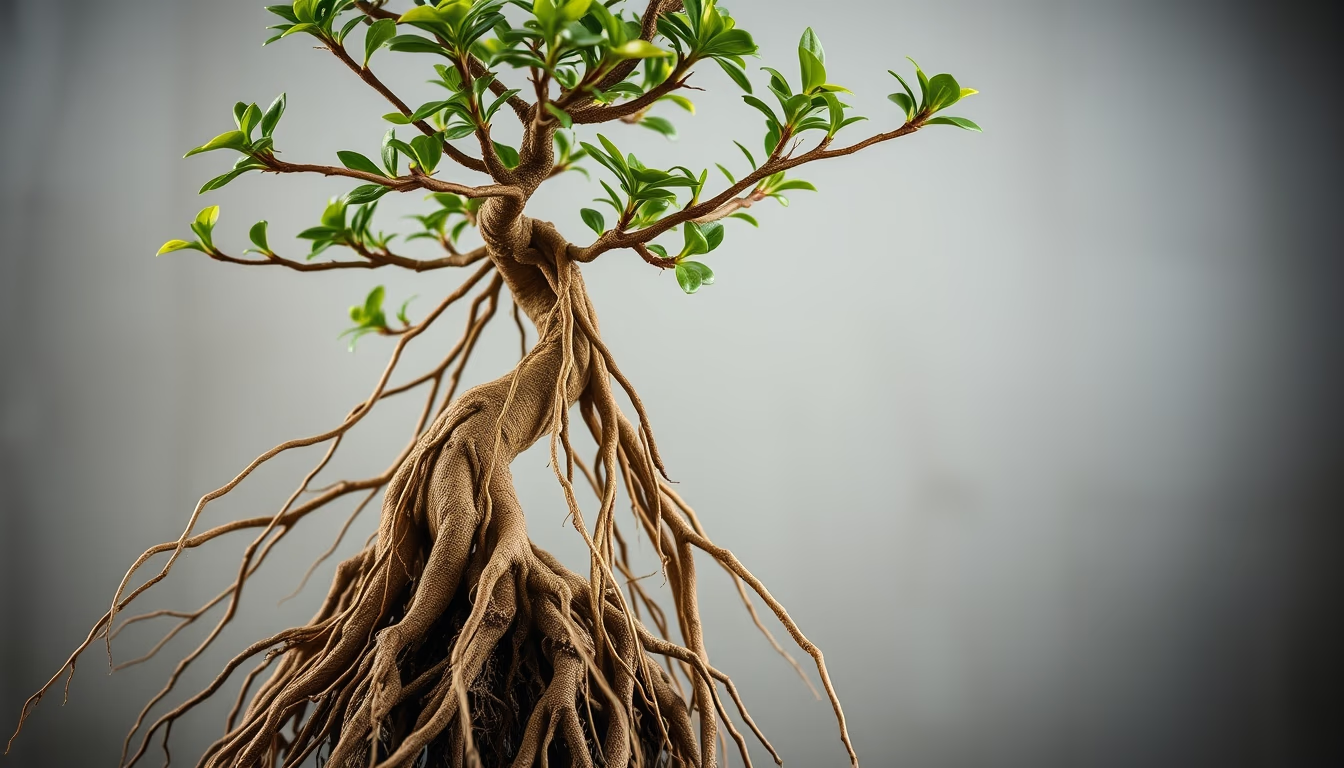
Creating a sculptural juniper bonsai requires mastery of techniques such as wiring, structural pruning, and pinching. Wiring with aluminum or copper wire allows the trunk and branches to be shaped into sinuous or inclined forms, while pruning removes unwanted shoots to maintain the silhouette. The nebari (exposed roots at the base) is carefully developed to provide visual stability. Many specimens take decades to achieve the desired appearance, and some are passed down through generations as family heirlooms.
Culturally, the juniper symbolizes longevity, resilience, and harmony with nature. The sculptural form seeks to capture the essence of an aged tree in its habitat, such as those growing on rocky slopes or mountainous regions. In Japan, bonsai exhibitions often highlight junipers with prominent jin and shari, considered of high artistic value. Maintenance requires direct sunlight for several hours, moderate watering, and protection from severe frost, along with periodic fertilization during the growing season.
Frequently Asked Questions
How do I care for a sculptural juniper bonsai?
Juniper bonsai needs full sun for at least 4 to 6 hours daily, water when the soil surface is dry, and regular pruning to maintain shape. Protect from severe frost in winter. Fertilize with a specific bonsai fertilizer in spring and autumn.
What is the difference between jin and shari in bonsai?
Jin are dead branches intentionally kept to simulate wind or lightning damage; shari is the removal of bark along the trunk, exposing the wood. Both techniques are common in junipers to create an aged appearance.
How long does it take for a juniper bonsai to become sculptural?
It depends on the style and work applied. A beginner bonsai may take 5 to 10 years to have a defined shape, but award-winning specimens often have 50 years or more of cultivation and training.
Direct URL
https://pub-c7d6a6ea828543ac903a74a341ccb2e1.r2.dev/imagens/bonsai-juniper-sculptural-long-exposure-fresh7.avifHow to credit
Include a visible link back to UtilizAí. Copy one of the snippets below:
<a href="https://xn--utiliza-eza.com/en/midia/imagens/bonsai-juniper-sculptural-long-exposure-fresh7">Bonsai juniper sculptural</a> by <a href="https://xn--utiliza-eza.com">UtilizAí</a>, licensed under <a href="https://creativecommons.org/licenses/by/4.0/">CC BY 4.0</a>.
[Bonsai juniper sculptural](https://xn--utiliza-eza.com/en/midia/imagens/bonsai-juniper-sculptural-long-exposure-fresh7) by [UtilizAí](https://xn--utiliza-eza.com), CC BY 4.0
License: CC-BY-4.0