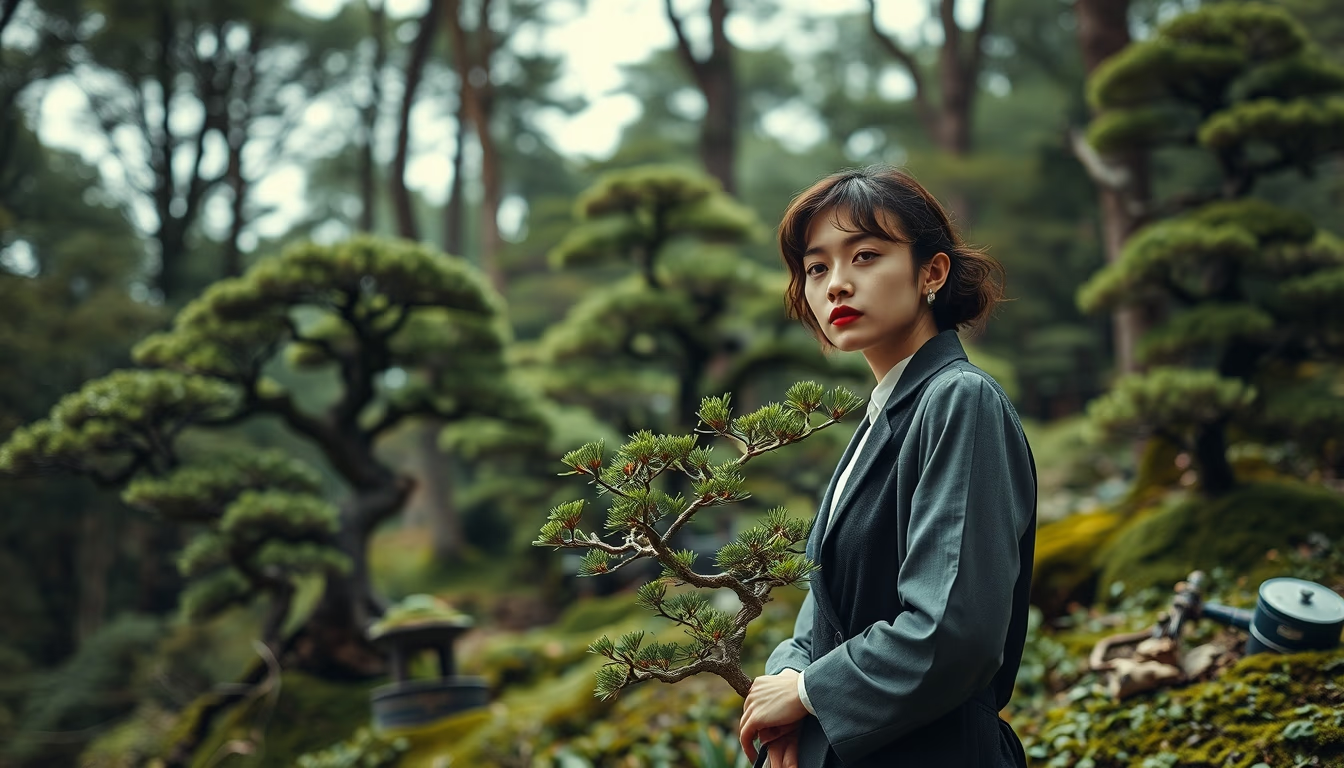
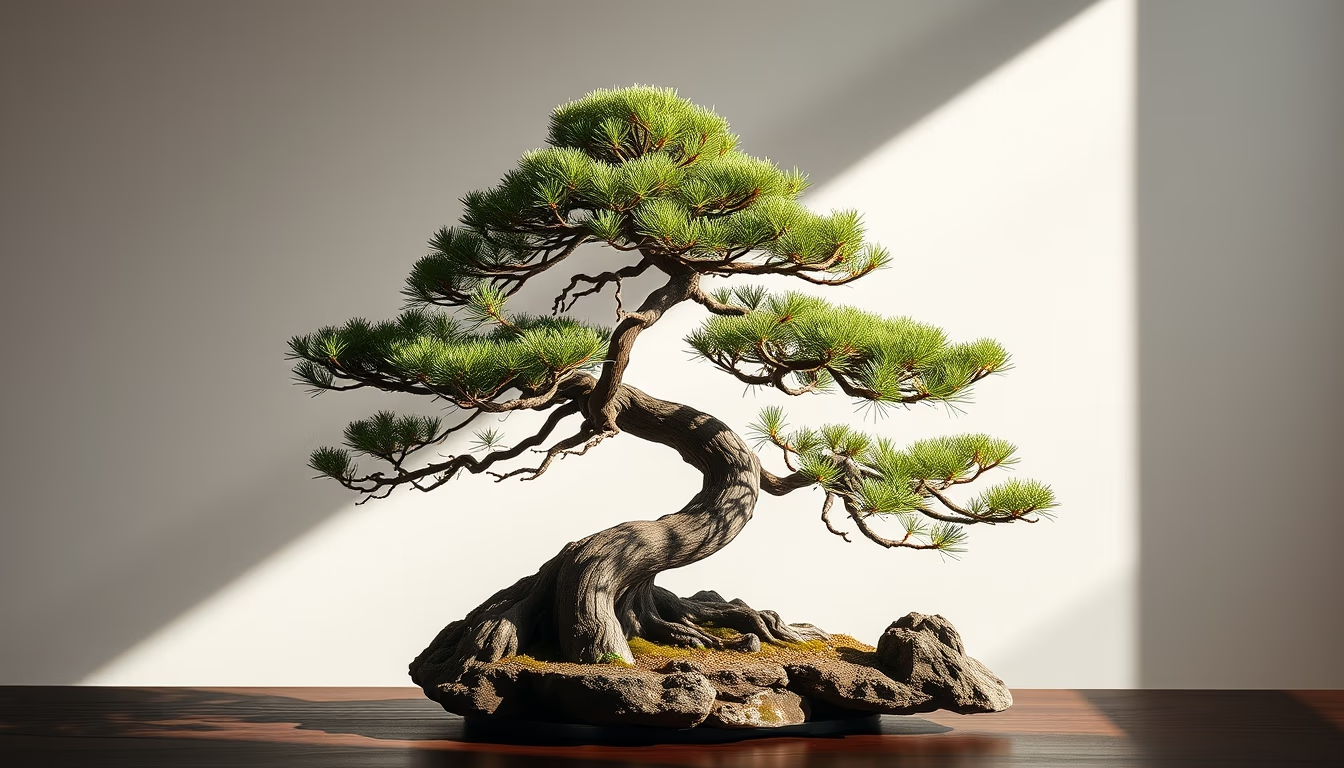
Bonsai juniper sculptural
1344×768 · AVIF · CC BY 4.0
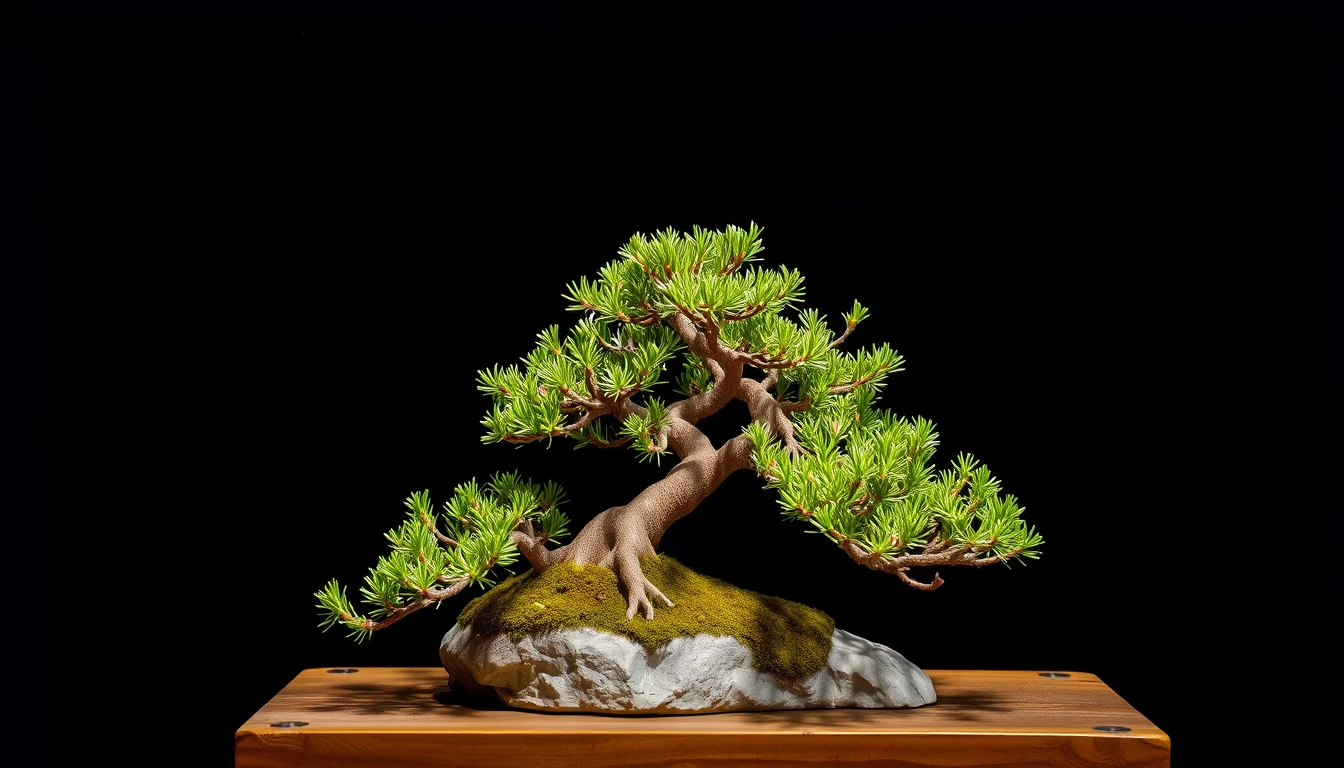
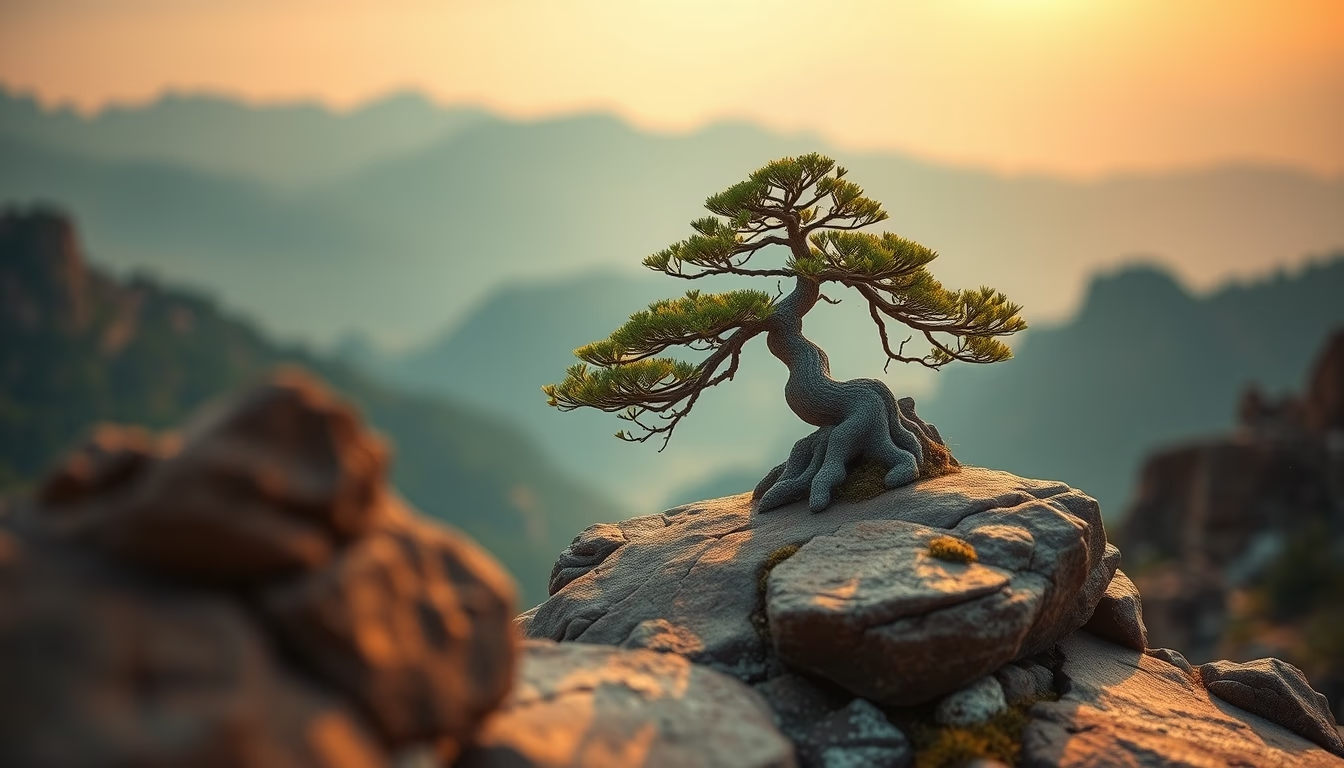
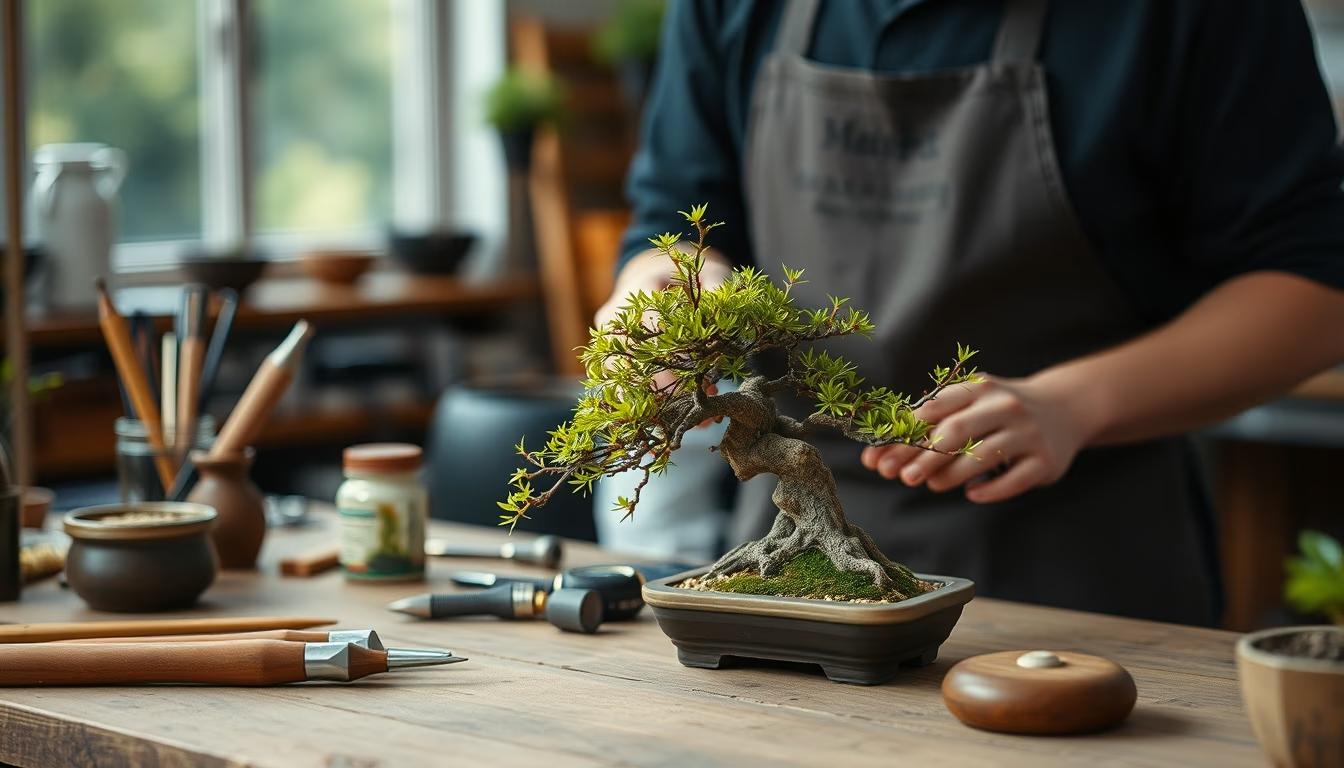
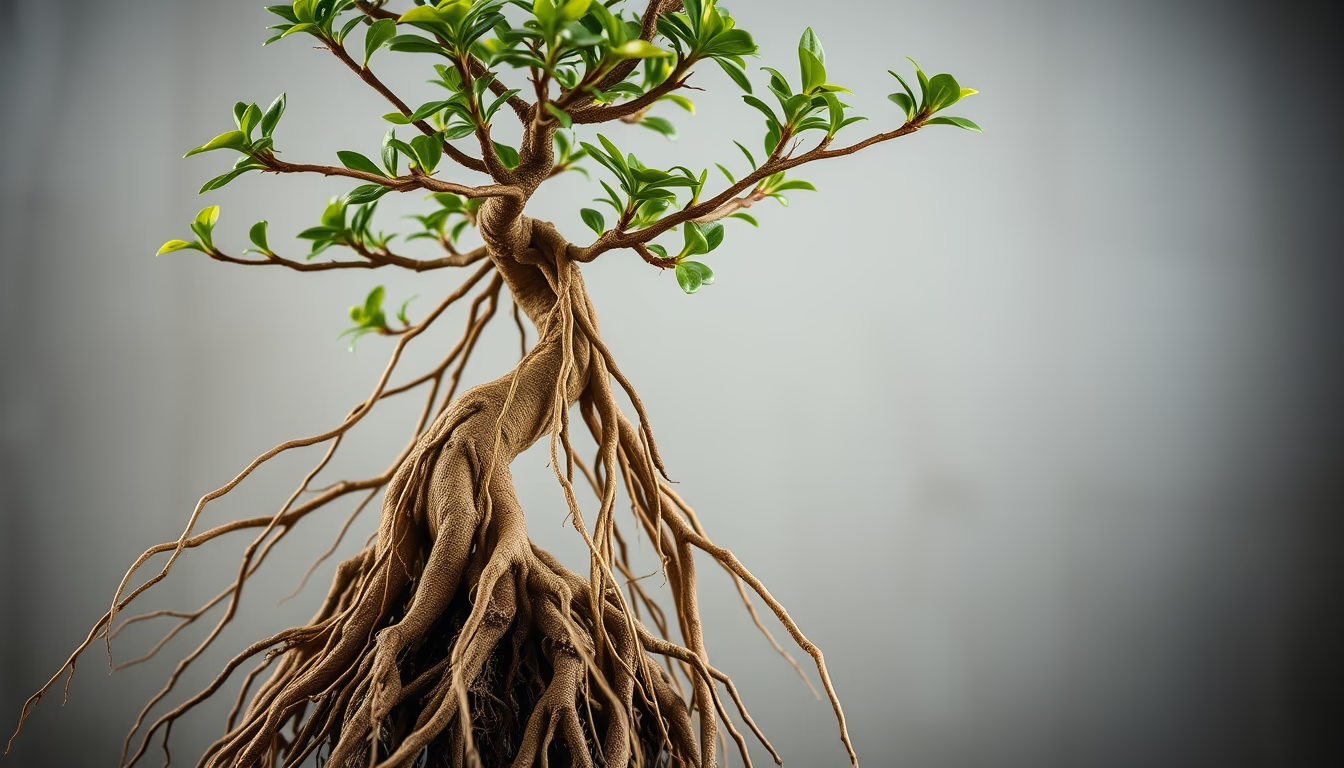
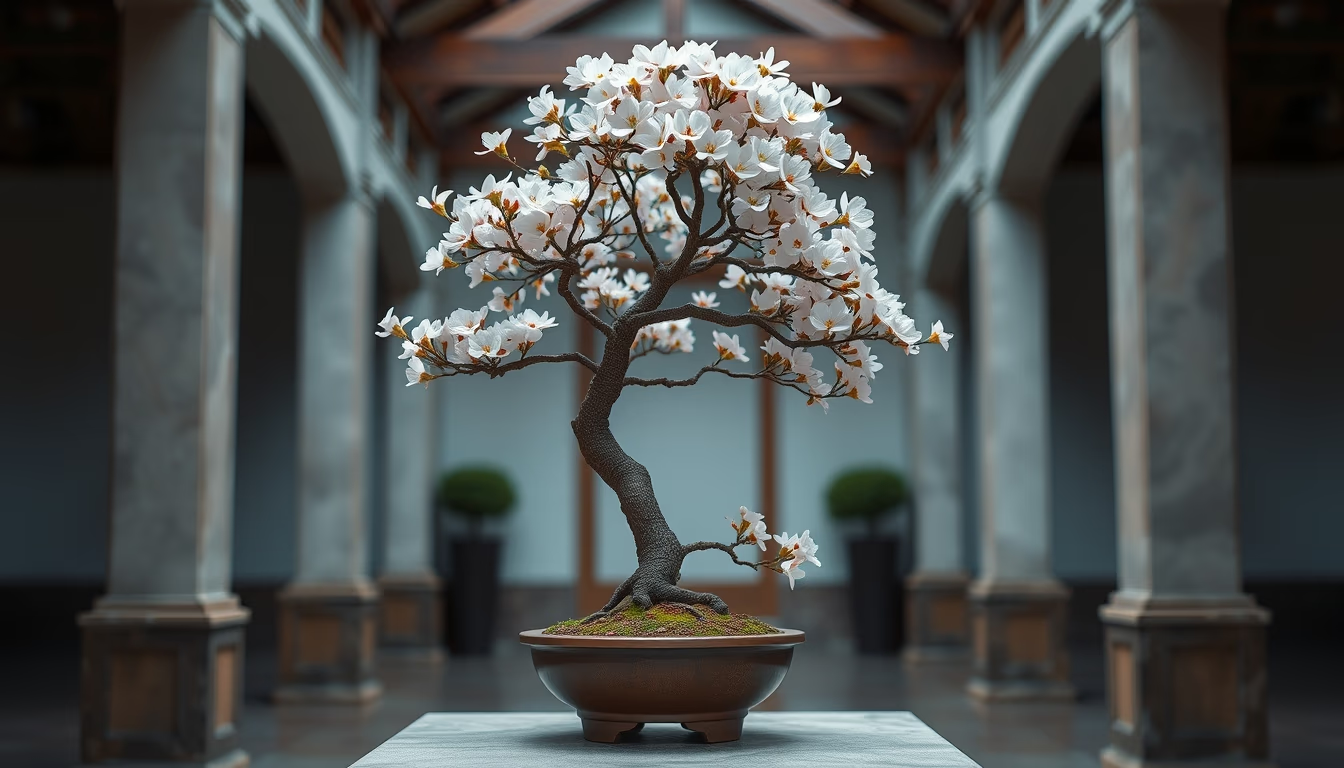
The sculptural juniper bonsai is a living art form combining ancient cultivation techniques with minimalist Japanese aesthetics.
About this subject
The juniper (Juniperus spp.) is one of the most traditional and versatile species in bonsai art, prized for its rough bark, blue-green needles, and ability to create dramatic, twisted forms. Native to temperate regions of the Northern Hemisphere, the juniper symbolizes longevity and resilience in Japanese culture, often used in compositions mimicking centuries-old trees exposed to strong winds on rocky slopes. Careful pruning, wiring, and periodic repotting allow the trunk and branches to assume sinuous and angular curves, characteristic of styles like 'moyogi' (informal upright) or 'kengai' (cascade).
Maintaining a juniper bonsai requires attention to bright light (but not direct sun during peak hours), moderate watering, and balanced fertilization during spring and summer. A curious fact: unlike many conifers, junipers do not tolerate waterlogged soil, making well-draining substrate (e.g., akadama mixed with pumice) essential. Additionally, the species is dioecious, male and female plants exist, and females produce small blue berries that take up to two years to ripen, used as a spice (in Juniperus communis) for gin production.
In the bonsai world, juniper is a favorite among beginners and masters due to its tolerance of pruning mistakes and regenerative ability. The sculptural style in the image suggests a tree with striking movement, typical of specimens trained over decades. The 'lo-fi disposable camera' aesthetic refers to a raw, spontaneous recording, contrasting with the meticulous precision of cultivation. This type of photography emphasizes textures and shadows, highlighting the three-dimensionality of the trunk and the distribution of foliage.
Frequently Asked Questions
How does juniper differ from other conifers used in bonsai?
Juniper stands out for its fibrous, peeling bark, short needles, and dense branching. Unlike pines, it tolerates more drastic pruning and retains foliage even on shaded inner branches, facilitating compact crown creation.
Can a juniper bonsai be kept indoors?
Not for long periods. Juniper needs direct or very bright sunlight, plus ventilation and seasonal temperature variation. Indoors, it tends to weaken and drop needles. It is best grown outdoors, protected from extreme frost.
How long does it take for a juniper bonsai to achieve a sculptural appearance?
It depends on technique and starting material. With careful wiring and annual pruning, striking forms can be achieved in 5 to 10 years. Award-winning specimens often have 20 to 50 years of continuous training.
Direct URL
https://pub-c7d6a6ea828543ac903a74a341ccb2e1.r2.dev/imagens/bonsai-juniper-sculptural-lo-fi-disposable-camera-fresh5.avifHow to credit
Include a visible link back to UtilizAí. Copy one of the snippets below:
<a href="https://xn--utiliza-eza.com/en/midia/imagens/bonsai-juniper-sculptural-lo-fi-disposable-camera-fresh5">Bonsai juniper sculptural</a> by <a href="https://xn--utiliza-eza.com">UtilizAí</a>, licensed under <a href="https://creativecommons.org/licenses/by/4.0/">CC BY 4.0</a>.
[Bonsai juniper sculptural](https://xn--utiliza-eza.com/en/midia/imagens/bonsai-juniper-sculptural-lo-fi-disposable-camera-fresh5) by [UtilizAí](https://xn--utiliza-eza.com), CC BY 4.0
License: CC-BY-4.0