Bonsai juniper sculptural
1344×768 · AVIF · CC BY 4.0
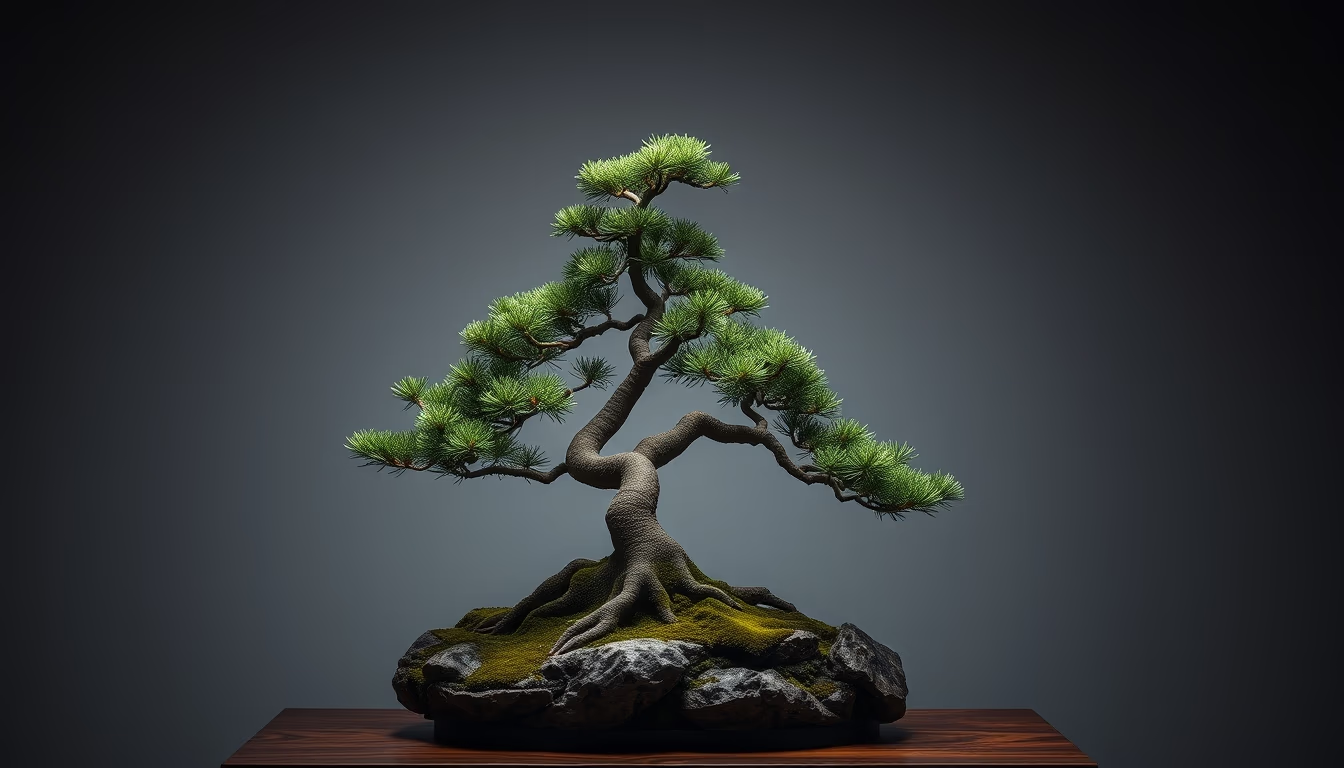
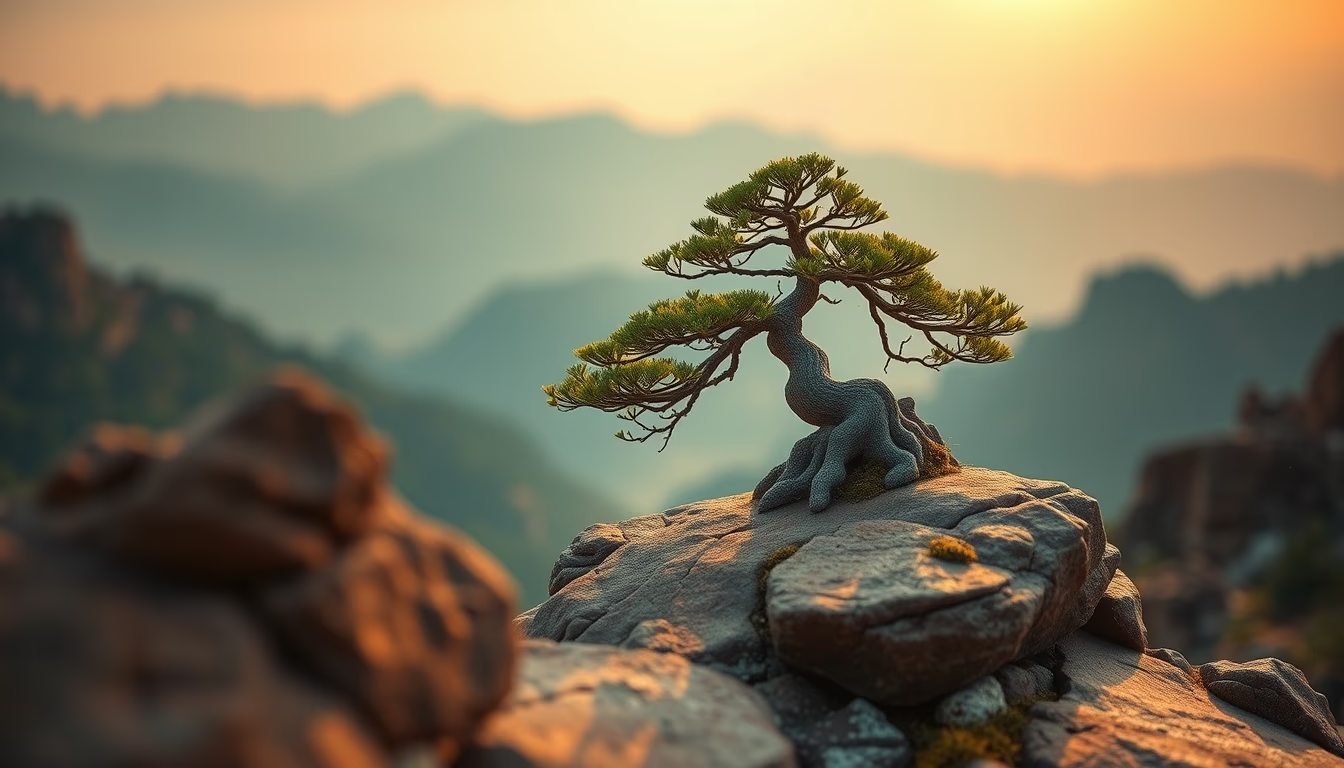
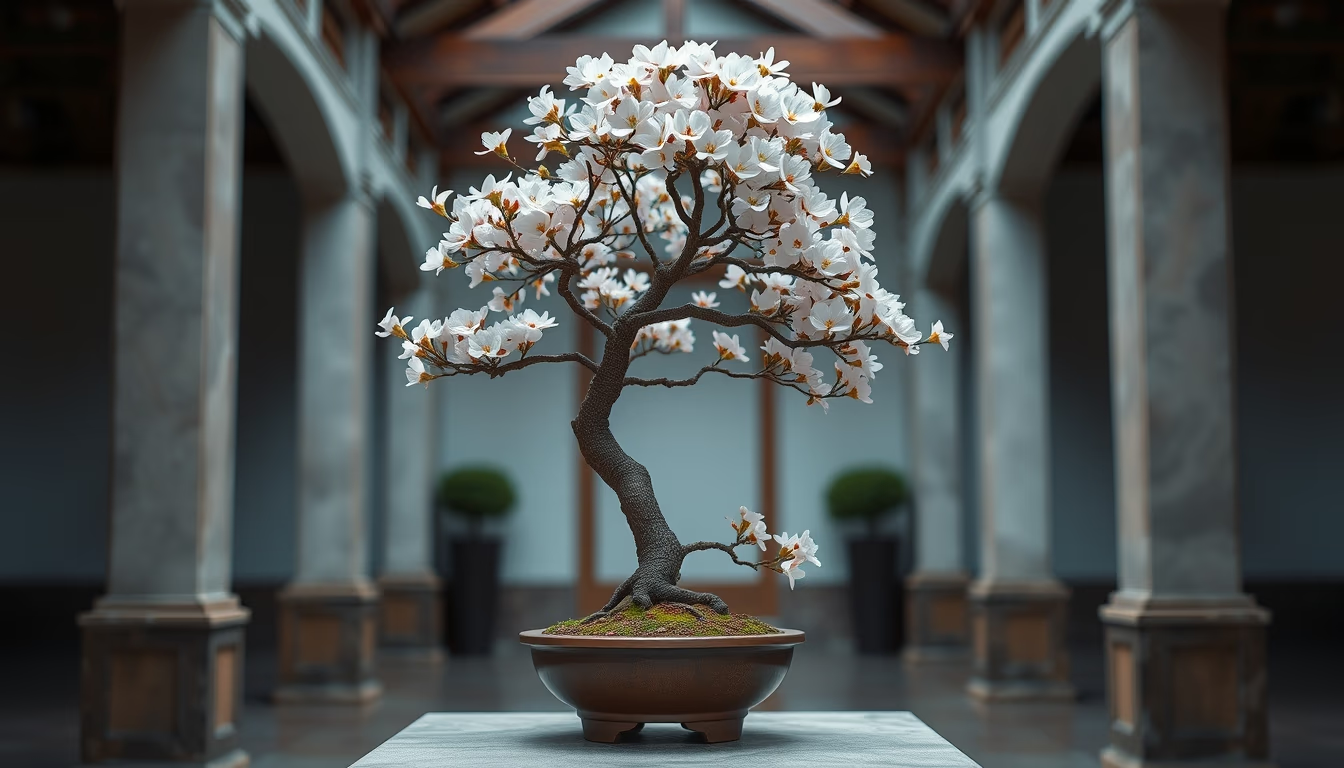
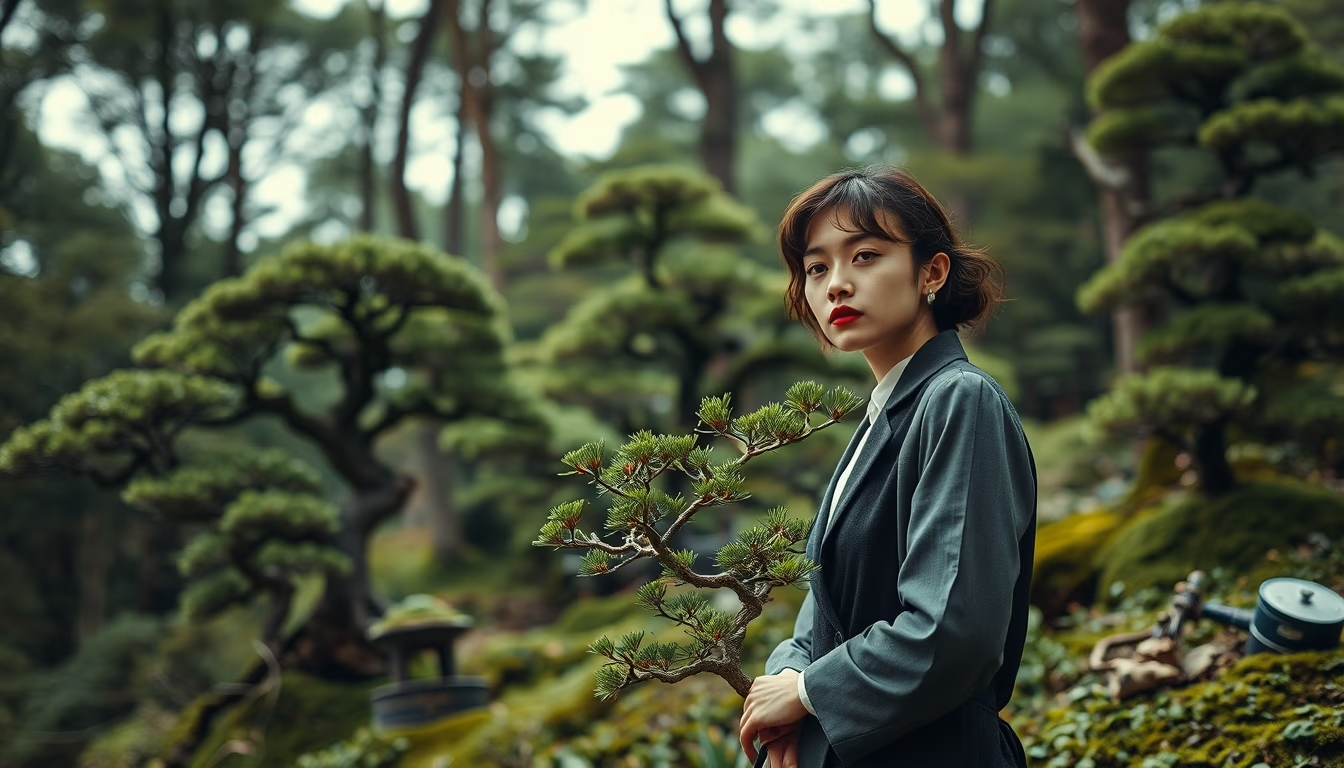
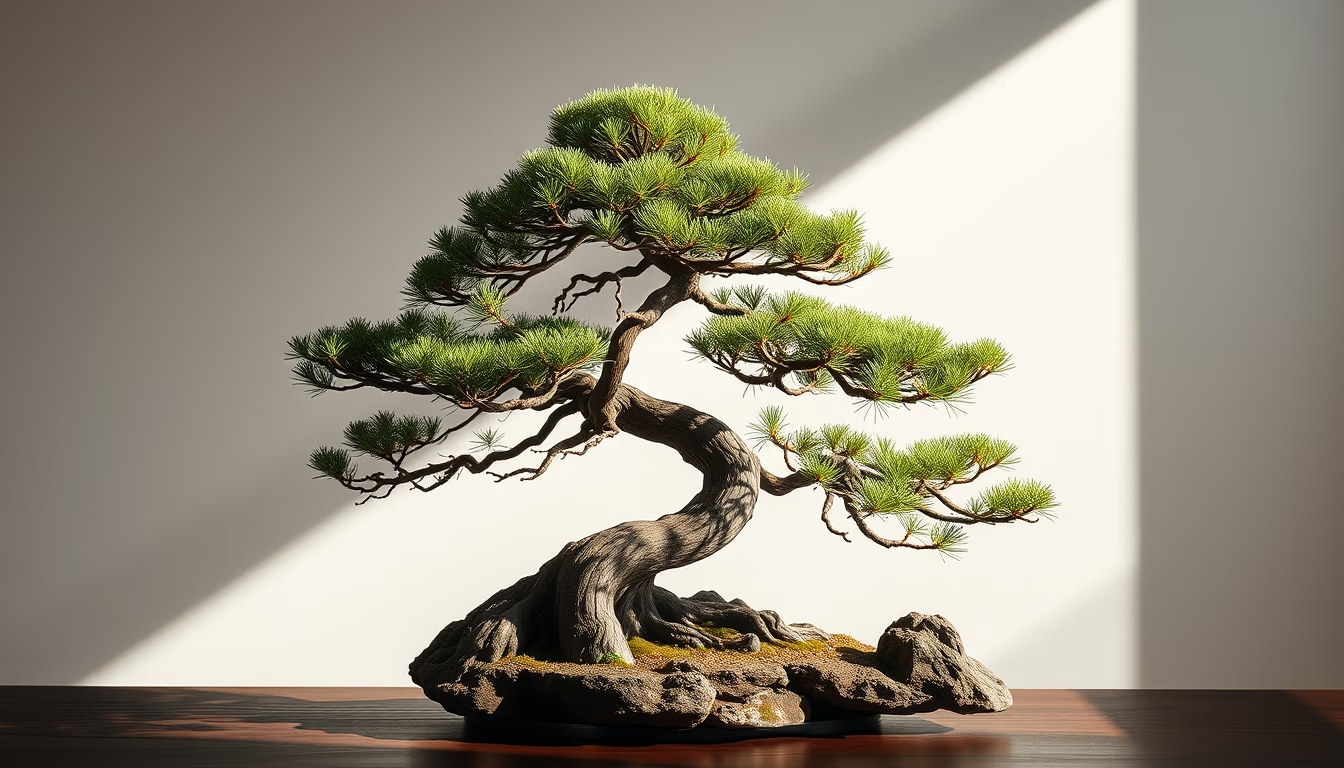
Sculptural juniper bonsai blending Japanese tradition with high‑fashion contemporary aesthetics.
About this subject
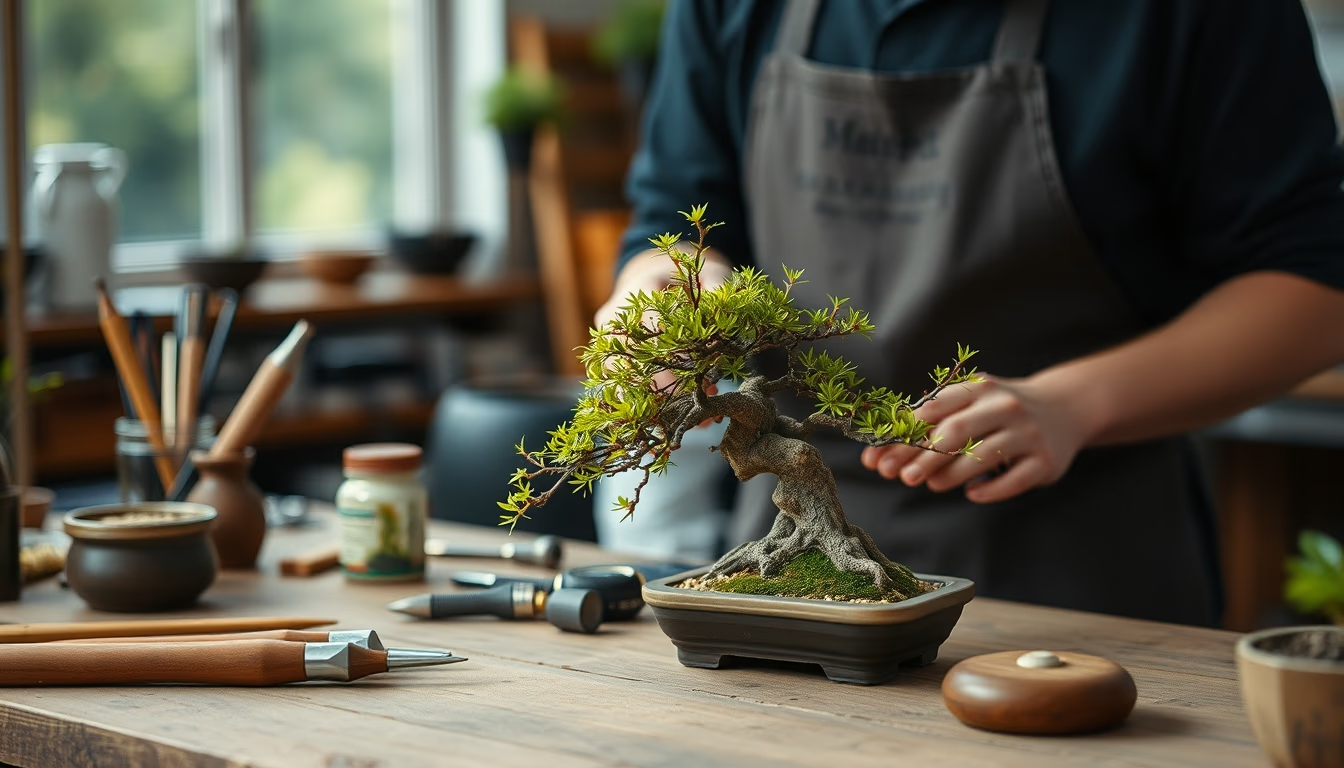
Juniper is one of the most iconic species in bonsai art, prized for its resilience and plasticity. Its scale‑like leaves and flexible branches allow sculptures that evoke thousand‑year‑old trees in miniature. Wiring techniques guide branch growth, while maintenance pruning creates forms reminiscent of wind and time carving wood. In Brazil, juniper adapts well to the temperate climate of the South and Southeast, being common in enthusiast collections.
Historically, juniper bonsai cultivation dates back to feudal Japan, symbolizing longevity and strength. Specimens like the famous 'Shimpaku' (Juniperus chinensis) are valued for their reddish bark and natural deadwood (jin and shari). The Kokufu exhibition in Tokyo often features junipers over 500 years old, coveted for their wild, shrunk‑tree appearance.
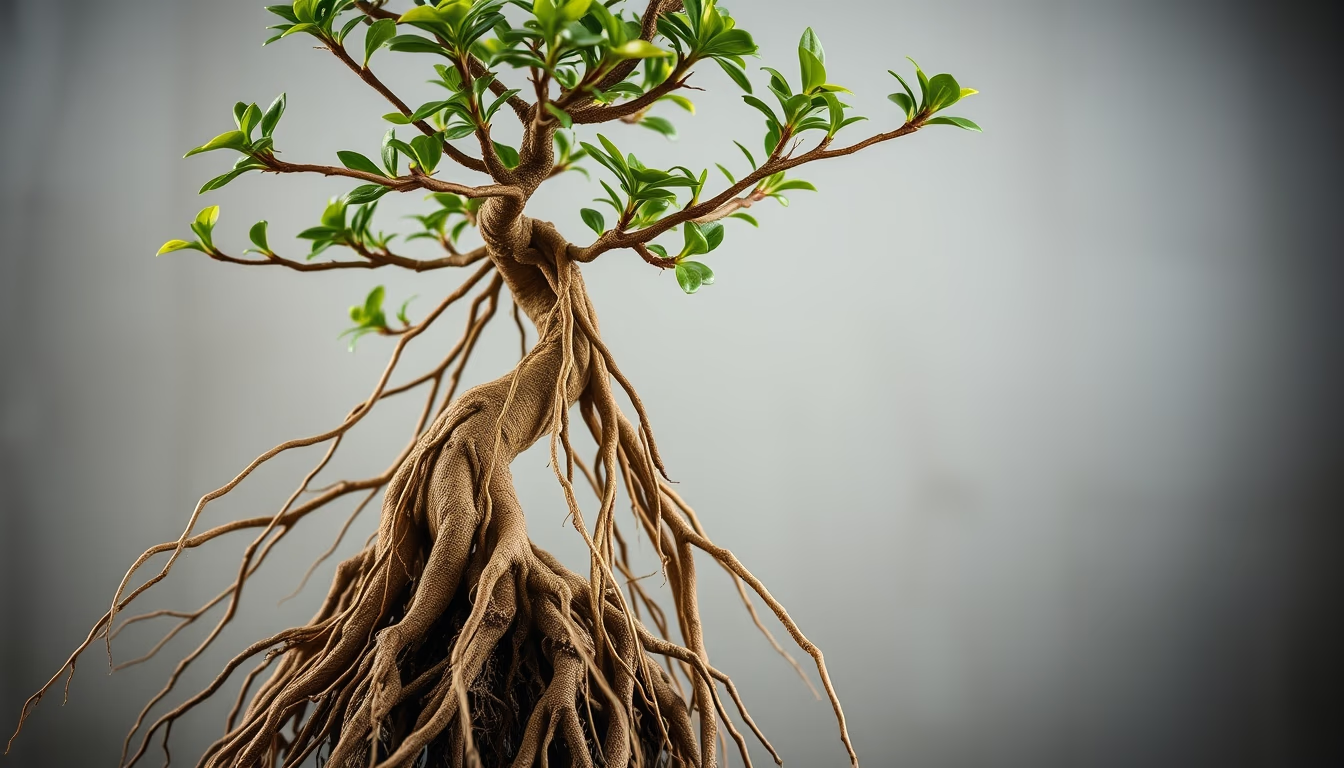
Sculpture is taken to extremes in high‑fashion bonsai, where nearly abstract forms dialogue with minimalist design. Trunks may be twisted into spirals or dramatically inclined, while the canopy is shaped into clouds (kengai). White sand or volcanic stones in the pot reinforce the contrast, evoking desert landscapes. Specific care includes moderate watering and annual root pruning, as juniper rots easily with excess water.
Interestingly, juniper is a conifer, not a deciduous tree, giving it perennial presence. In Brazil, juniper bonsai cultivation gained momentum in the 1970s with Japanese immigration and the popularization of Eastern art courses. Today, specialized nurseries offer pre‑shaped seedlings, but the true art lies in sculpting the tree over decades.
Frequently Asked Questions
How to care for a juniper bonsai?
Water when the soil is dry, avoid overwatering. Place in direct sunlight for at least 4 hours daily. Fertilize every 15 days in spring/summer. Prune branches in winter and wire carefully to avoid bark damage.
What is the difference between juniper and other bonsai species?
Juniper is an evergreen conifer, retaining leaves year‑round. It is more resistant to pests and drought, but requires more frequent pruning to maintain shape. Unlike trees like maple, it does not lose leaves in autumn.
What makes a juniper bonsai 'sculptural'?
The combination of twisted trunk, deadwood (jin and shari), and asymmetrical layered branches. The sculpture imitates wind and time action, creating a dramatic, naturalistic aesthetic valued in high‑fashion exhibitions.
Direct URL
https://pub-c7d6a6ea828543ac903a74a341ccb2e1.r2.dev/imagens/bonsai-juniper-sculptural-high-fashion-editorial-fresh2.avifHow to credit
Include a visible link back to UtilizAí. Copy one of the snippets below:
<a href="https://xn--utiliza-eza.com/en/midia/imagens/bonsai-juniper-sculptural-high-fashion-editorial-fresh2">Bonsai juniper sculptural</a> by <a href="https://xn--utiliza-eza.com">UtilizAí</a>, licensed under <a href="https://creativecommons.org/licenses/by/4.0/">CC BY 4.0</a>.
[Bonsai juniper sculptural](https://xn--utiliza-eza.com/en/midia/imagens/bonsai-juniper-sculptural-high-fashion-editorial-fresh2) by [UtilizAí](https://xn--utiliza-eza.com), CC BY 4.0
License: CC-BY-4.0