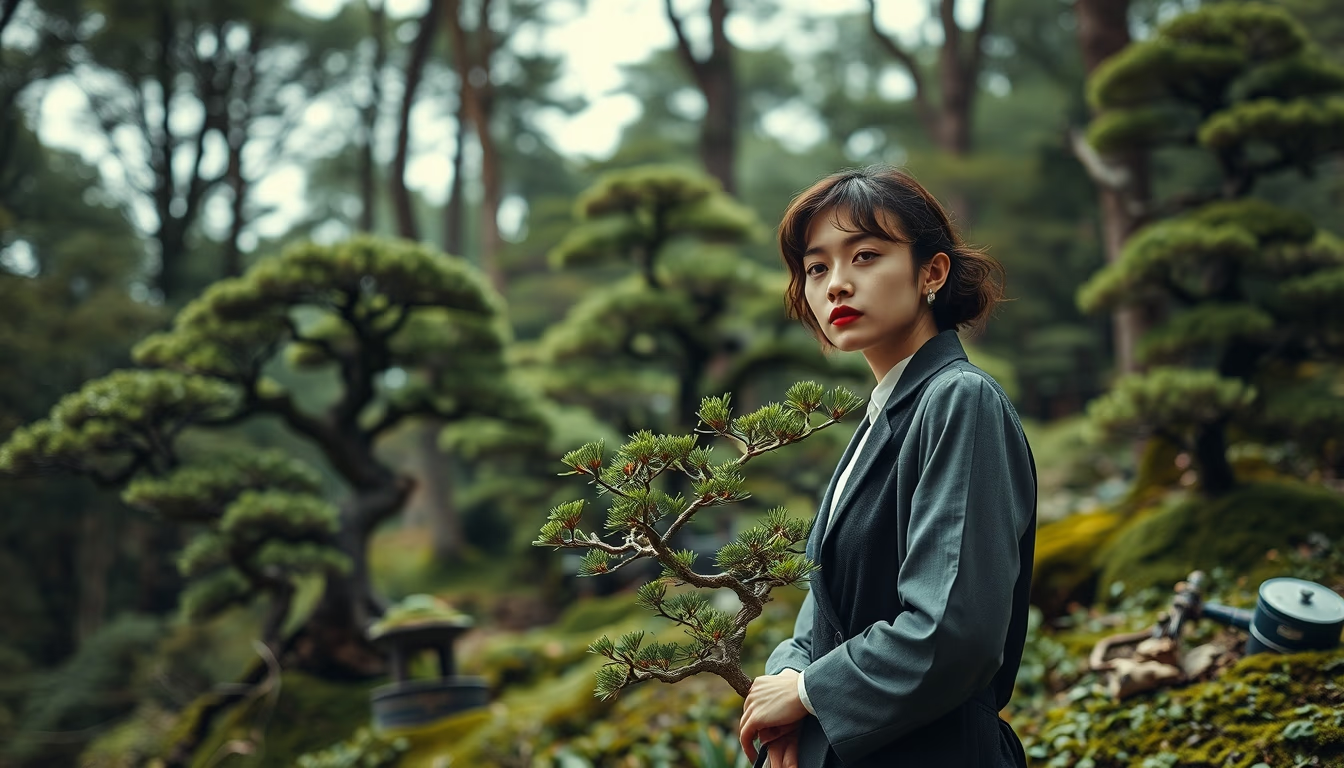
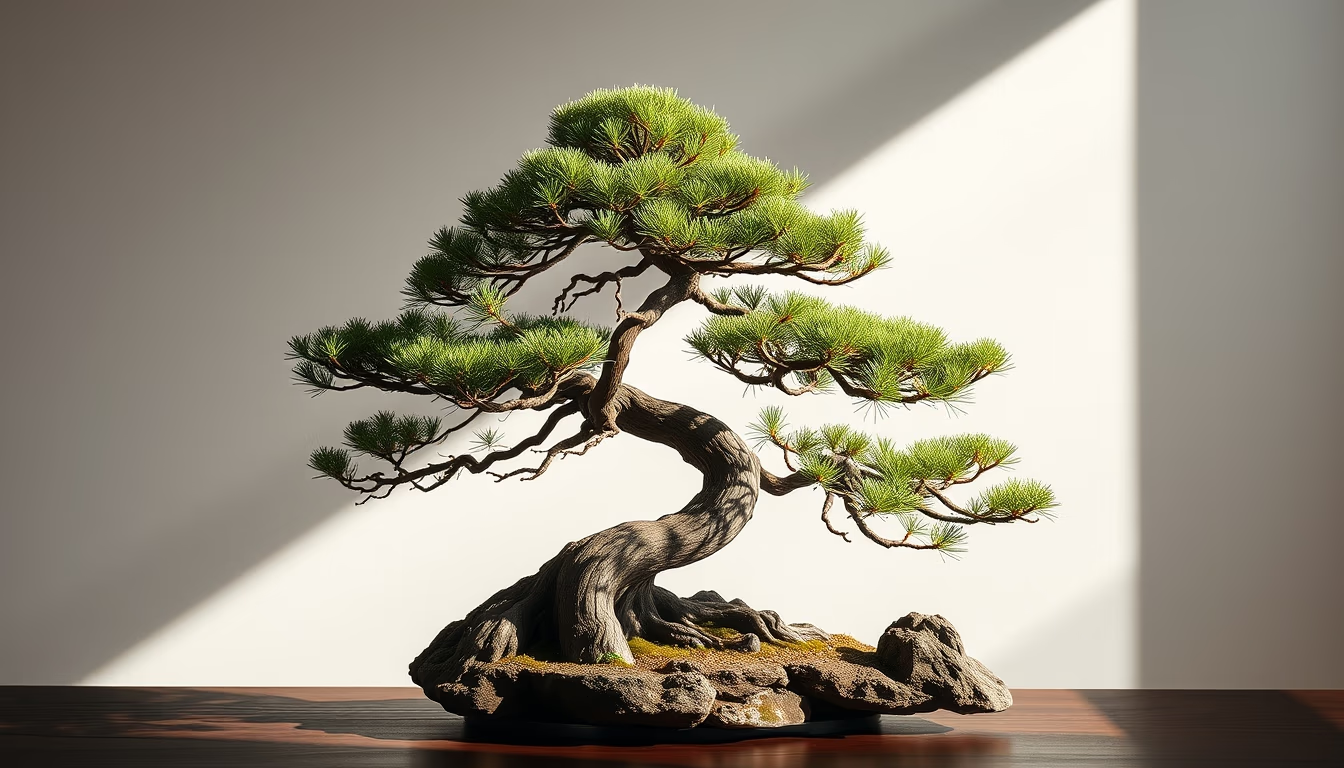
Bonsai forest landscape
1344×768 · AVIF · CC BY 4.0
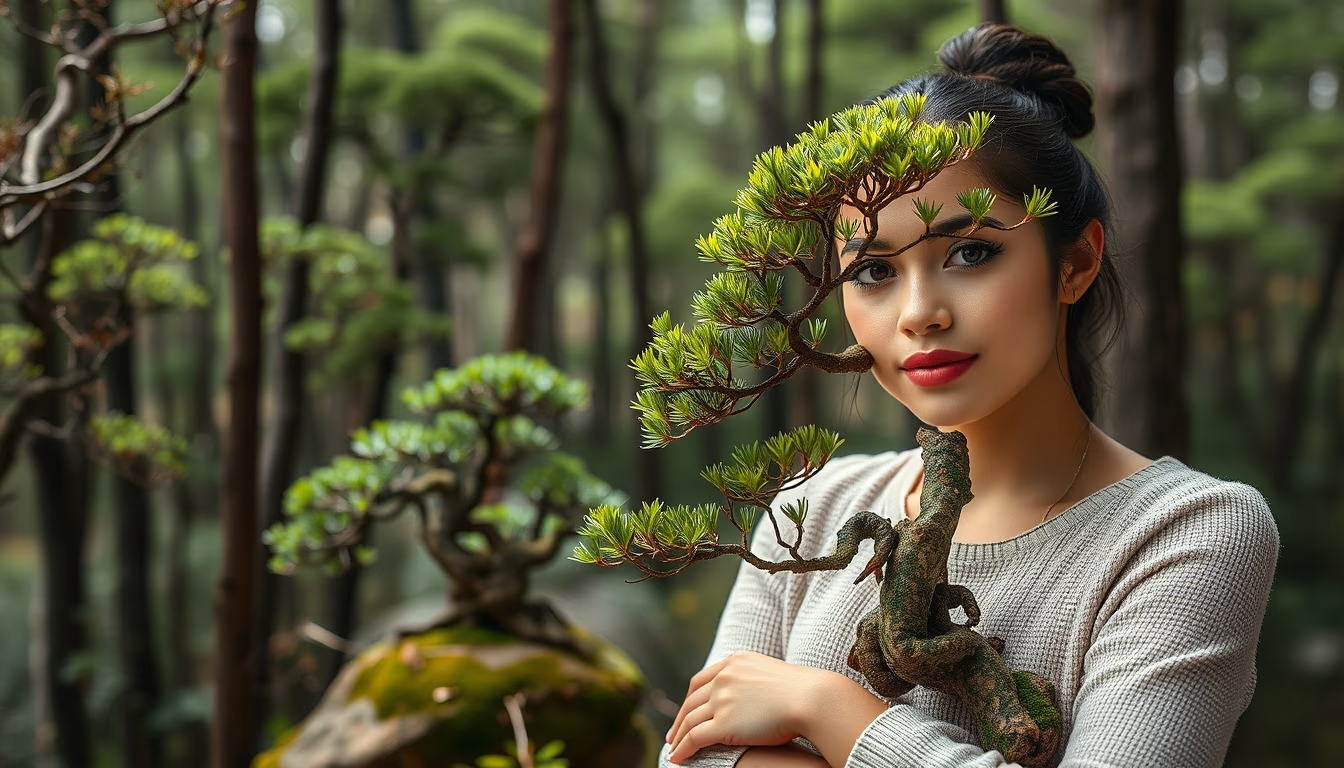
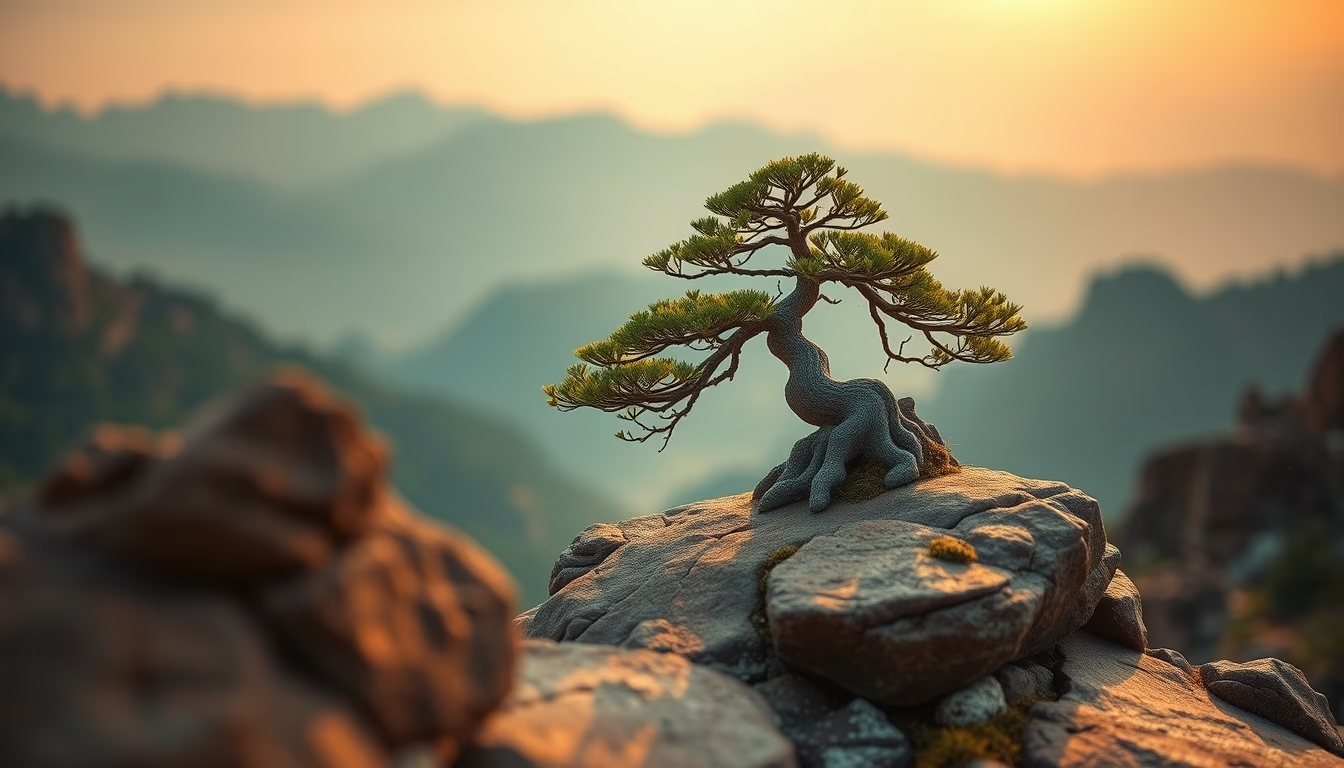
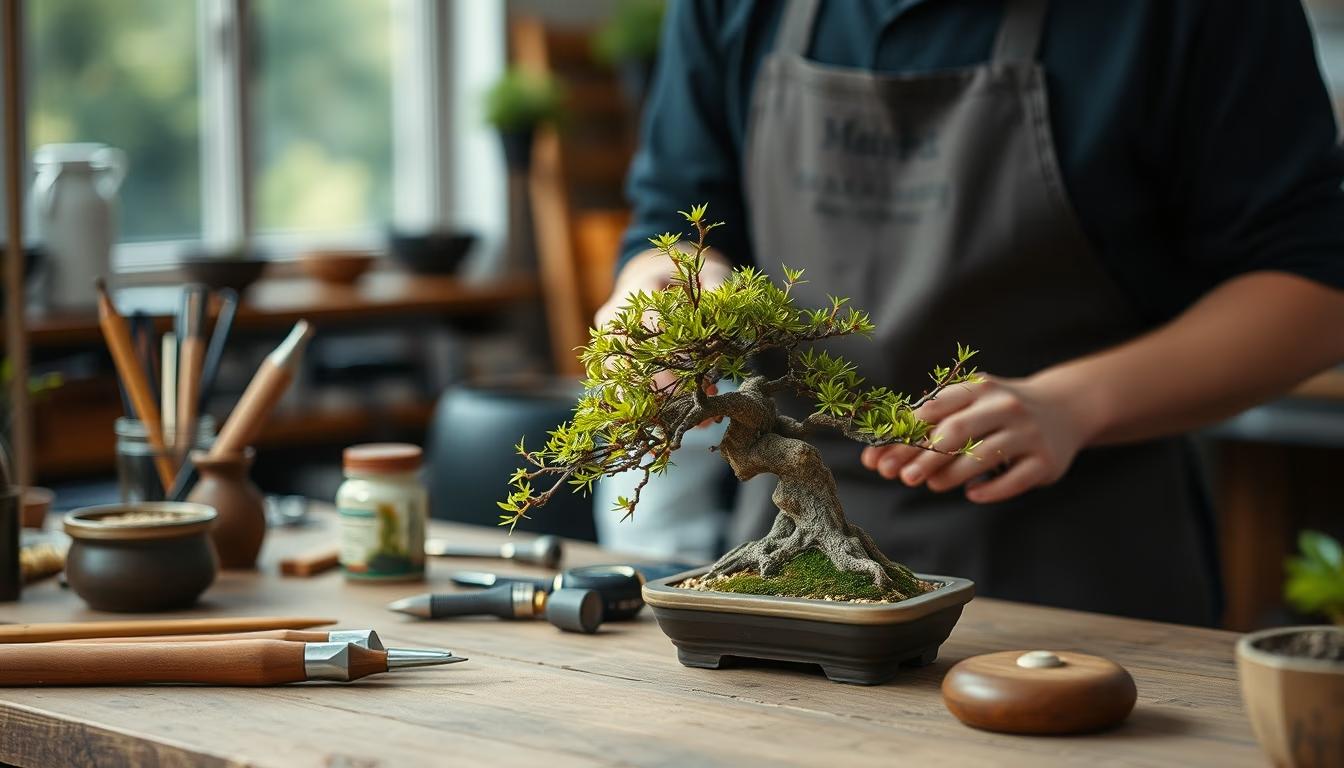
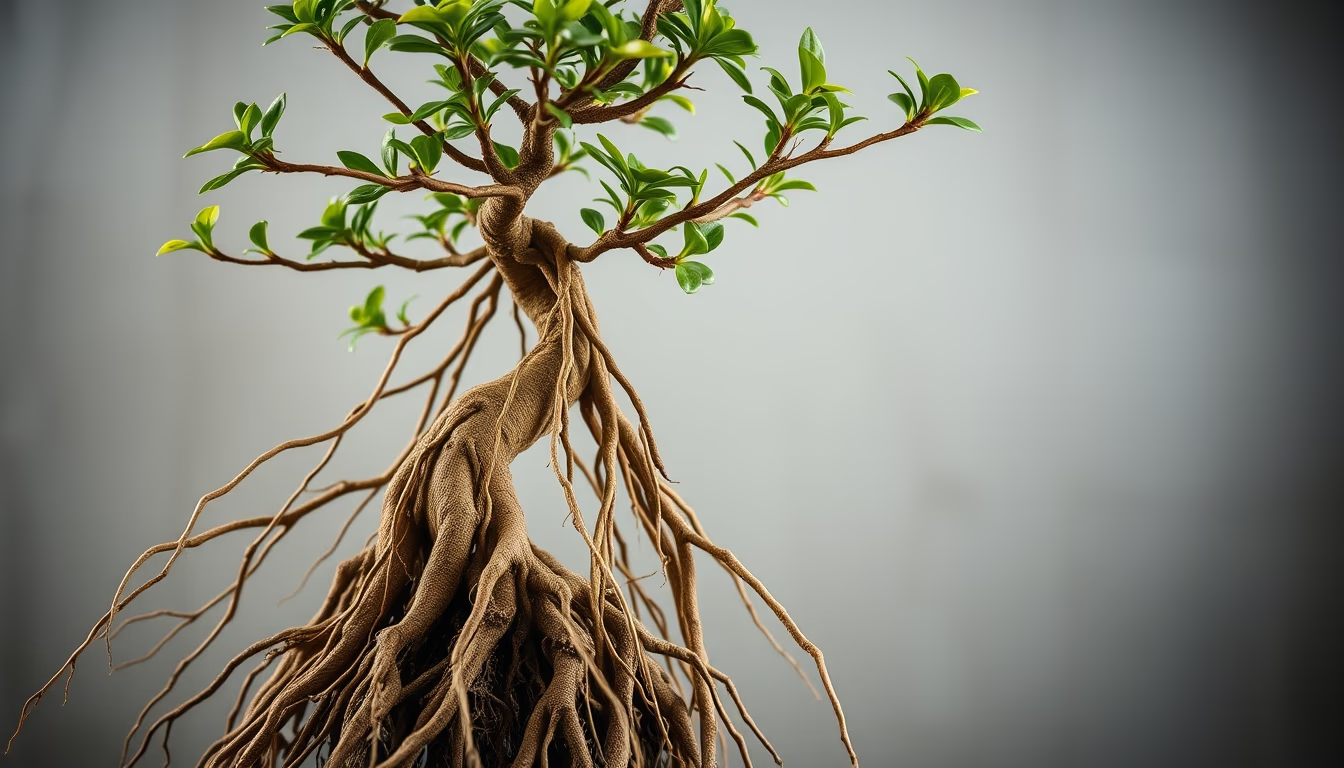
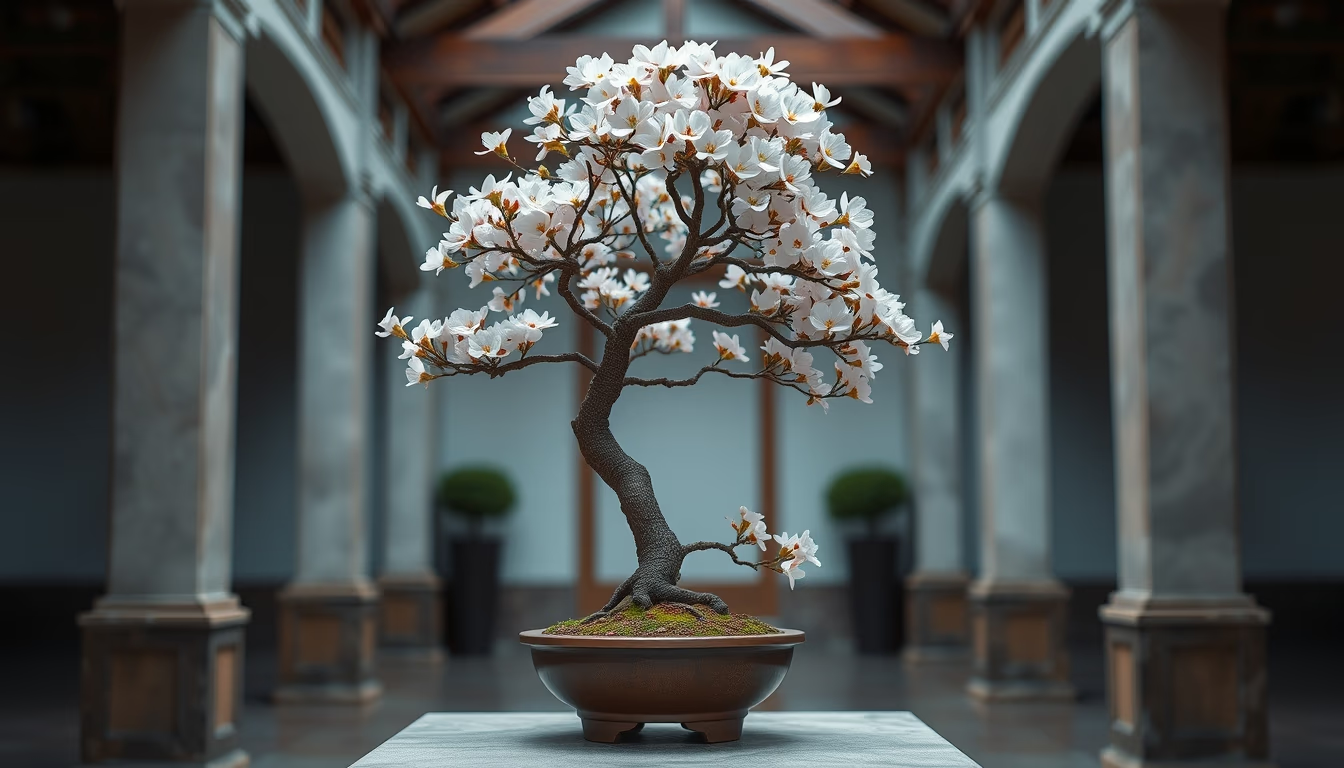
Miniature forest landscapes with bonsai: an ancient Japanese technique that recreates ecosystems in trays, combining trees, moss, and rocks.
About this subject
Bonsai forest landscapes, or miniature forests, are arrangements that group multiple bonsai trees in a single container to simulate a natural woodland scene. Unlike traditional single-specimen bonsai, this technique, known as yose-ue in Japan, aims to represent the diversity and harmony of a forest at a reduced scale. Practitioners select trees of different heights, species, and ages to create depth and realism, usually complementing with moss, rocks, and small shrubs.
The origin of yose-ue dates back to the Muromachi period (1336-1573), when dry gardens (karesansui) influenced the arrangement of natural elements. In the 19th century, the practice was systematized and gained popularity in exhibitions. In the West, interest grew after World War II with the spread of Japanese culture. Today, international competitions like the Japan Bonsai Exhibition award the best forest groupings.
Creating a miniature forest requires knowledge of botany and design. Trees are planted in asymmetrical positions following the rule of thirds, and the shallow container (like a ceramic tray) mimics topography. Common species include black pine, juniper, and Japanese maple. Maintenance involves root pruning, controlled watering, and specific fertilization to keep proportions.
Interesting fact: some miniature forests take decades to reach aesthetic maturity, such as the famous grouping Goshin, created by John Naka in the USA, now displayed at the National Arboretum. The concept has also influenced terrariums and tabletop gardens, adapting to urban spaces.
Frequently Asked Questions
What is the difference between a single bonsai and a miniature forest landscape?
Traditional bonsai focuses on a single tree representing a mature specimen. The miniature forest (yose-ue) groups multiple trees to simulate a complete forest ecosystem, with varying heights and species.
Which tree species are most commonly used in bonsai forest arrangements?
Species such as black pine (Pinus thunbergii), juniper (Juniperus chinensis), and Japanese maple (Acer palmatum) are common due to their small leaves and responsiveness to pruning. Oaks and beeches are also used.
How do you care for a miniature forest landscape?
It requires regular pruning of roots and canopies to maintain scale, frequent watering without waterlogging, and balanced fertilization in spring and autumn. Indirect sunlight exposure is ideal, and the surface moss needs to be kept moist.
Direct URL
https://pub-c7d6a6ea828543ac903a74a341ccb2e1.r2.dev/imagens/bonsai-forest-landscape-studio-editorial-portrait-fresh10.avifHow to credit
Include a visible link back to UtilizAí. Copy one of the snippets below:
<a href="https://xn--utiliza-eza.com/en/midia/imagens/bonsai-forest-landscape-studio-editorial-portrait-fresh10">Bonsai forest landscape</a> by <a href="https://xn--utiliza-eza.com">UtilizAí</a>, licensed under <a href="https://creativecommons.org/licenses/by/4.0/">CC BY 4.0</a>.
[Bonsai forest landscape](https://xn--utiliza-eza.com/en/midia/imagens/bonsai-forest-landscape-studio-editorial-portrait-fresh10) by [UtilizAí](https://xn--utiliza-eza.com), CC BY 4.0
License: CC-BY-4.0