Bonsai forest landscape
1344×768 · AVIF · CC BY 4.0
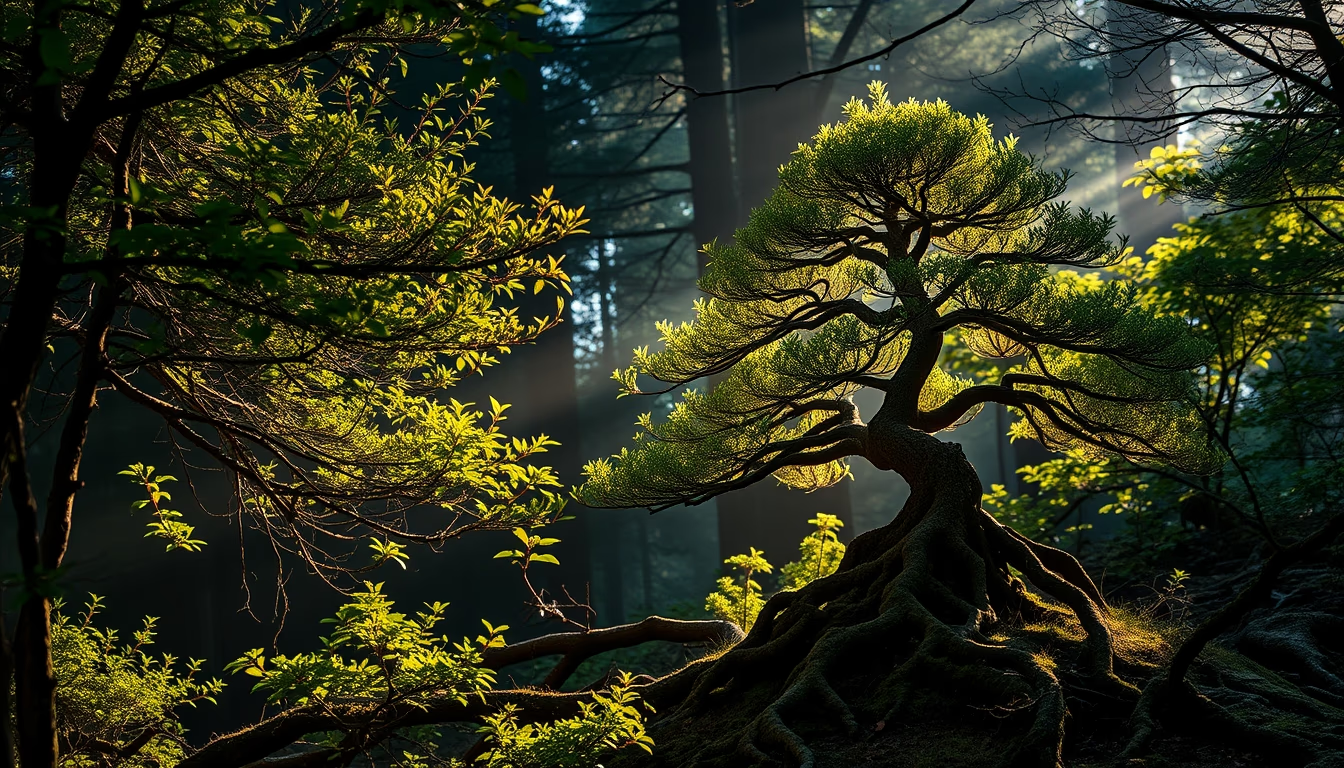
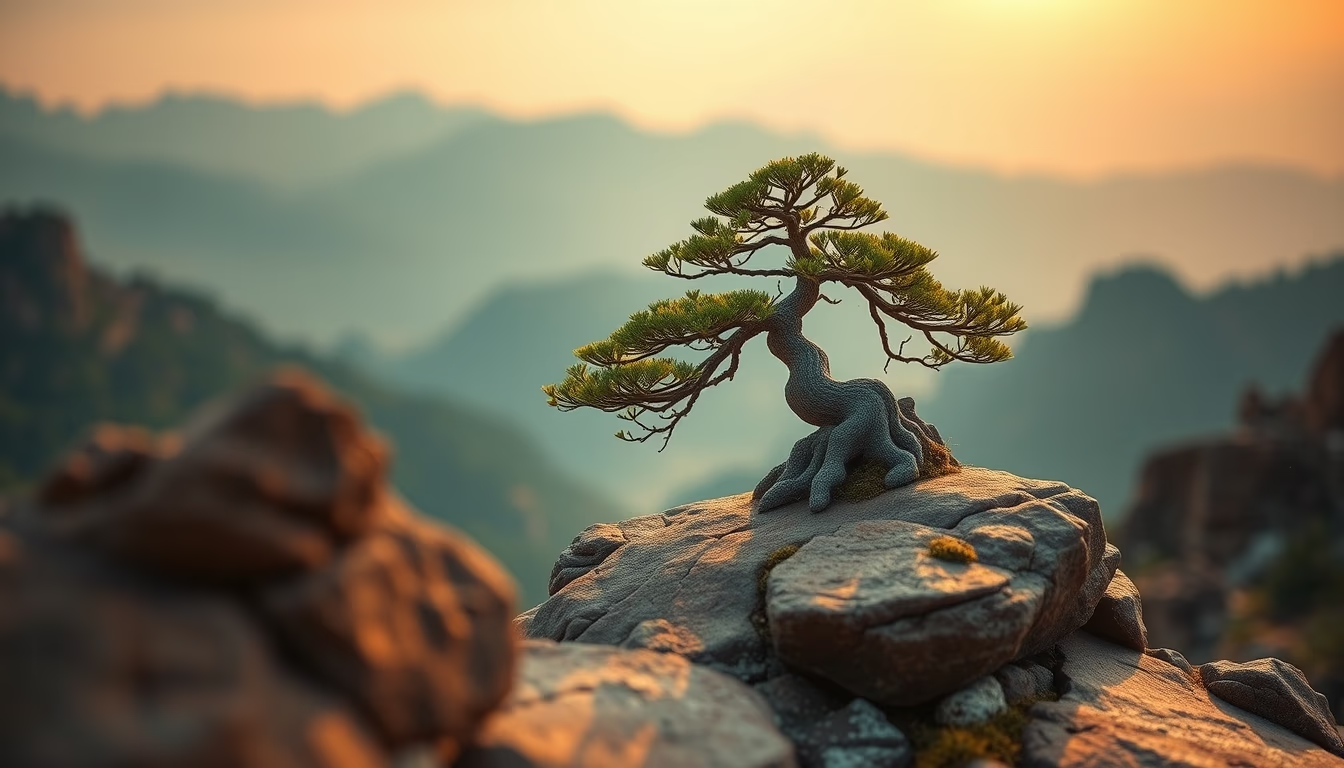
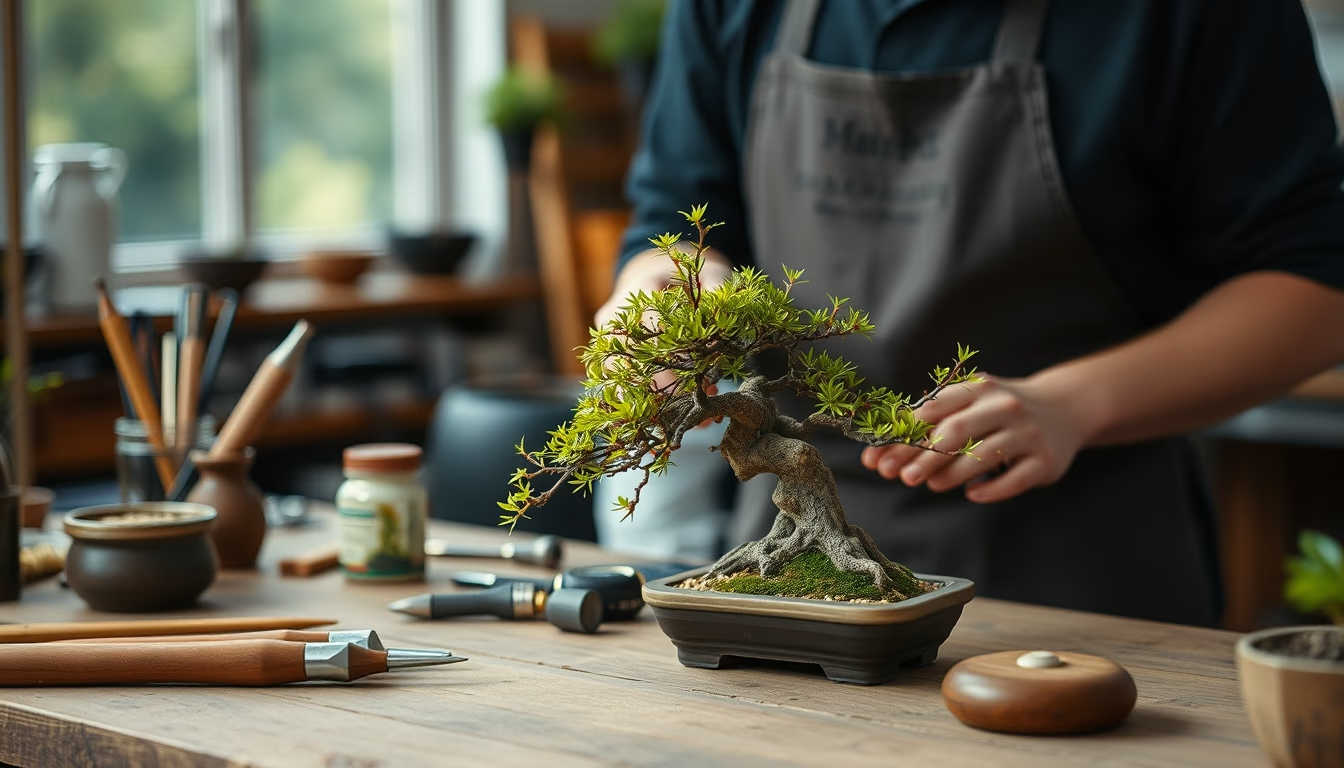
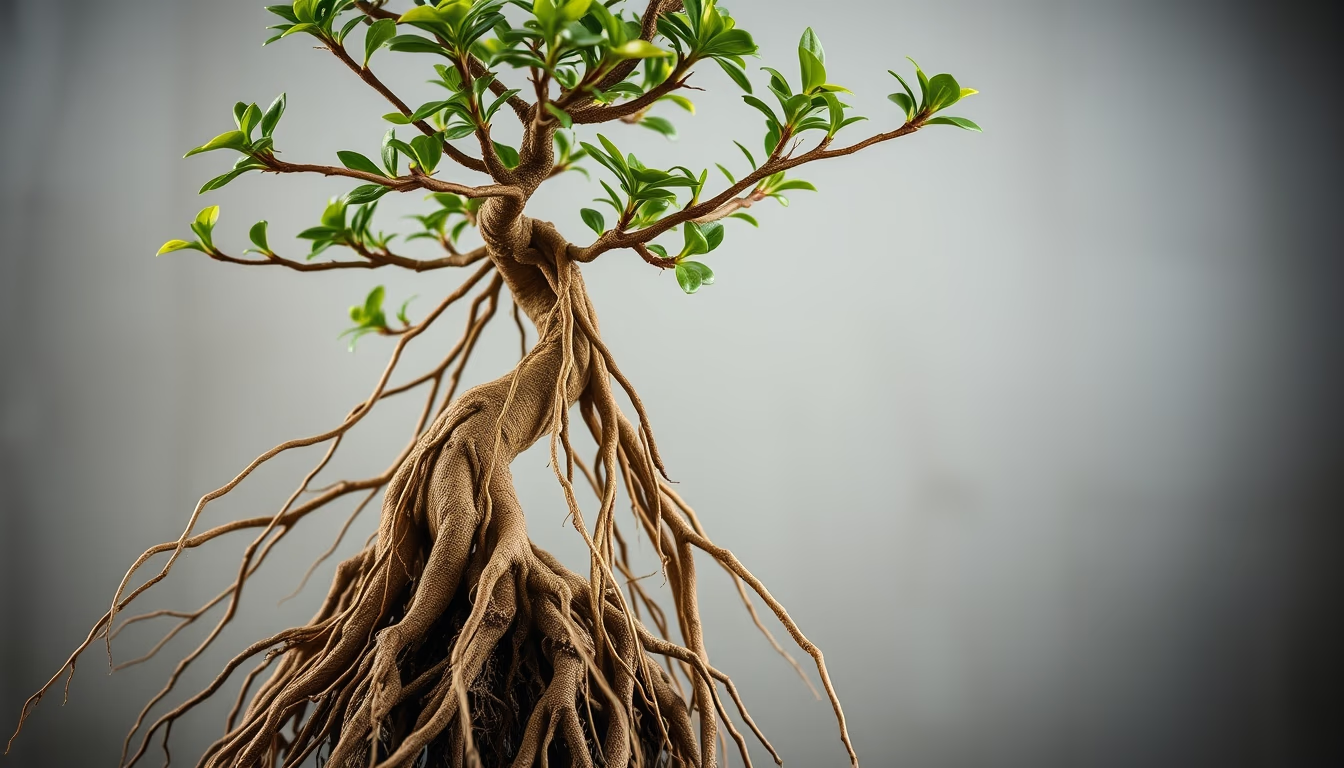
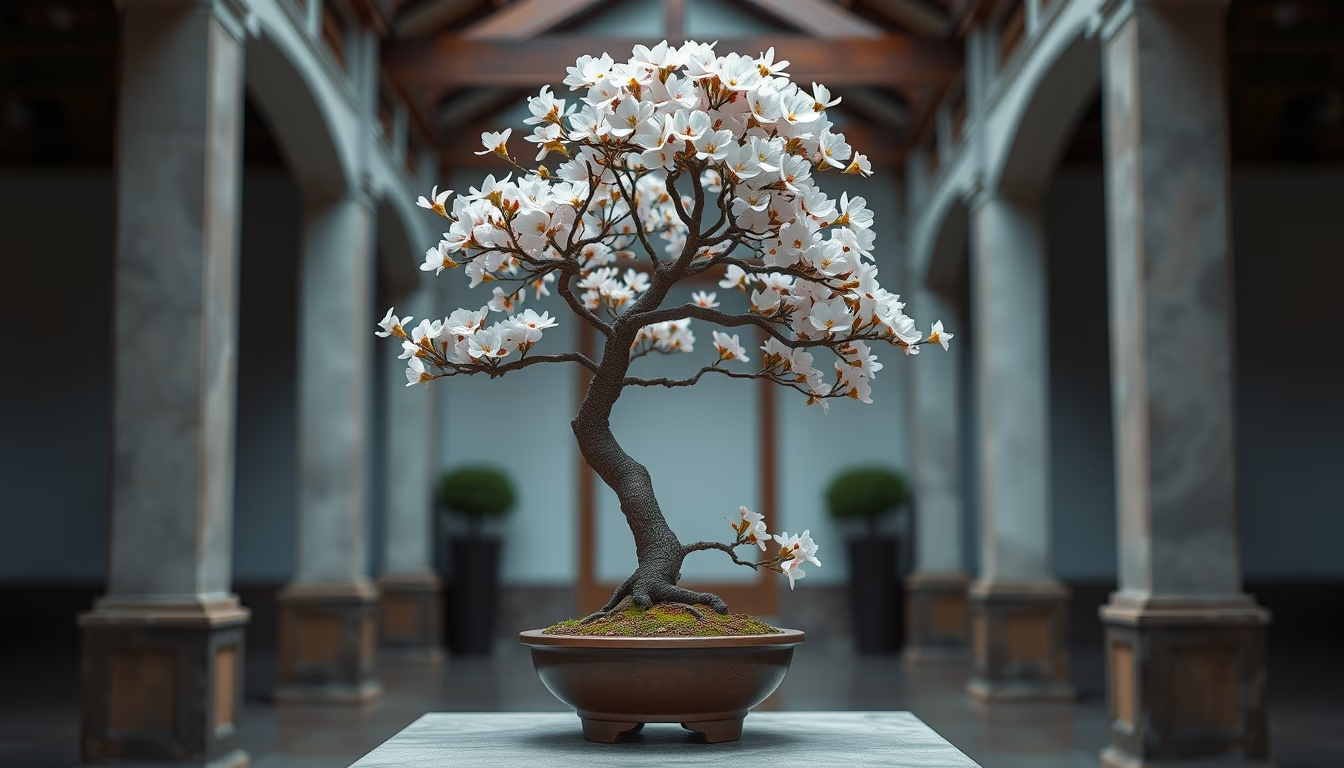
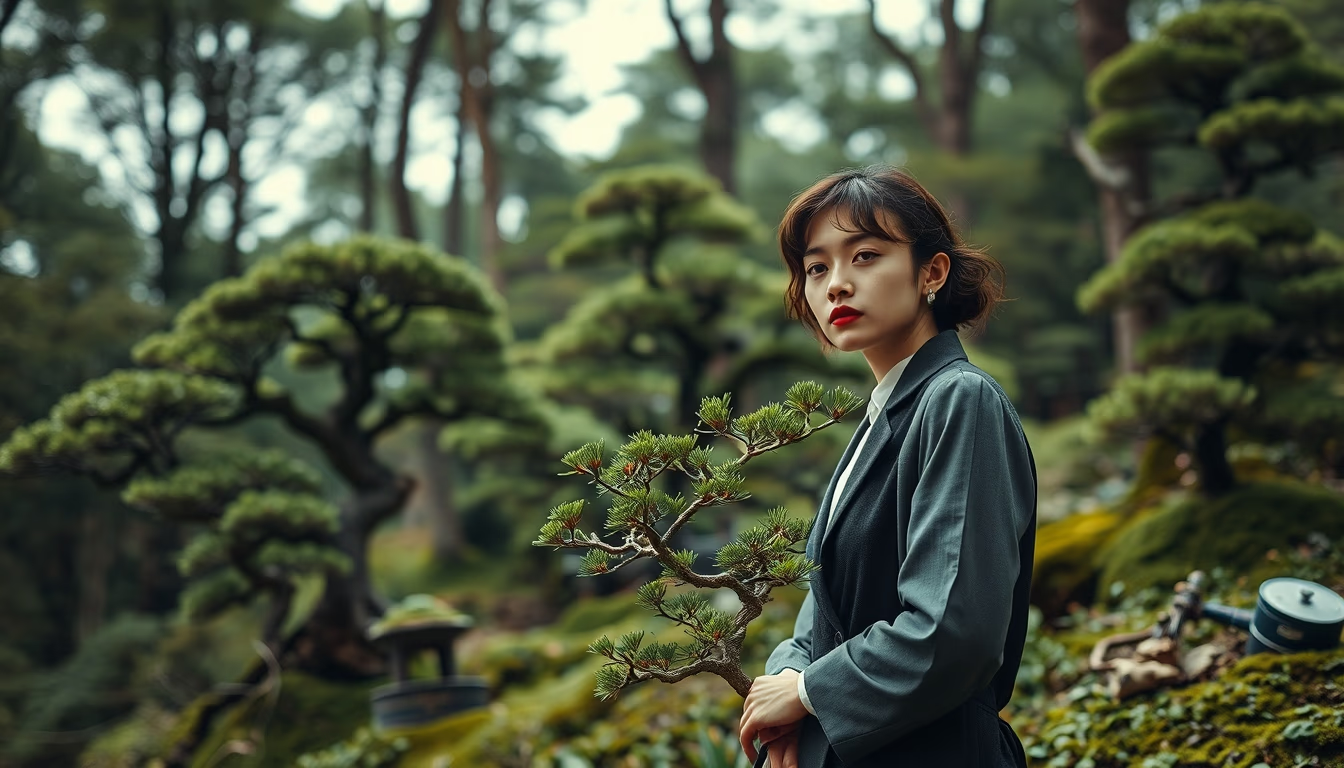
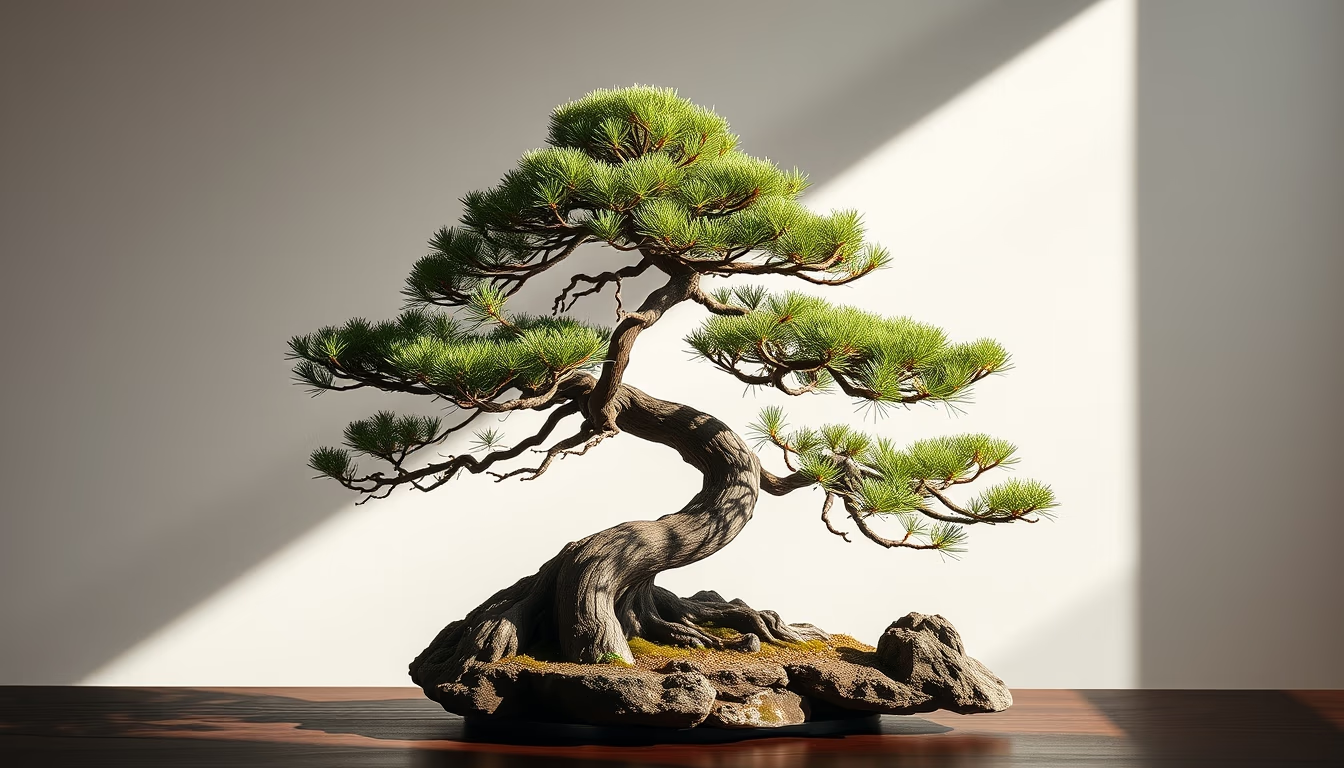
A bonsai forest landscape is a composition that recreates a miniature forest, with multiple trees arranged in harmony, evoking the serenity of nature on a small scale.
About this subject
The term "bonsai forest landscape" refers to a cultivation technique called yose-ue (group planting), originating in Japan. Unlike traditional single-tree bonsai, this composition brings together multiple trees in a shallow container, recreating a miniature forest landscape. The arrangement follows principles of asymmetry and depth, using trees of varying heights and species to simulate a natural forest.
Creating a bonsai forest requires careful planning. Trees are selected for their aesthetic and growth compatibility, planted in positions that create movement and balance. The wide, shallow container allows roots to intertwine, symbolizing the interconnectedness of nature. Care, including branch and root pruning, frequent watering, and controlled fertilization, is essential to maintain health and form over the years.
Culturally, bonsai forests represent the harmony between humans and nature. In Japan, they are appreciated as a form of meditation and artistic expression, while in the West they have gained popularity as a therapeutic hobby. A curiosity is that some compositions take decades to mature, with historic specimens in museums in Japan and the United States. The use of dramatic lighting, such as Rembrandt lighting, enhances textures and shadows, emphasizing the depth and realism of the landscape.
Frequently Asked Questions
What is a bonsai forest landscape?
It is a bonsai technique that uses multiple trees planted together in a shallow container, forming a miniature forest landscape. Also known as yose-ue, it aims to recreate the appearance of a natural forest.
How do you care for a bonsai forest?
It requires regular pruning of branches and roots, frequent watering without waterlogging, balanced fertilization, and adequate light exposure. Maintaining the health and shape of the trees is essential to preserve the composition.
Which species are most commonly used in bonsai forests?
Species such as Japanese black pine, juniper, Japanese maple, and Chinese elm are common. The choice depends on climate and desired effect, favoring small-sized trees with dense foliage.
Direct URL
https://pub-c7d6a6ea828543ac903a74a341ccb2e1.r2.dev/imagens/bonsai-forest-landscape-rembrandt-lighting-dramatic-shadows-fresh7.avifHow to credit
Include a visible link back to UtilizAí. Copy one of the snippets below:
<a href="https://xn--utiliza-eza.com/en/midia/imagens/bonsai-forest-landscape-rembrandt-lighting-dramatic-shadows-fresh7">Bonsai forest landscape</a> by <a href="https://xn--utiliza-eza.com">UtilizAí</a>, licensed under <a href="https://creativecommons.org/licenses/by/4.0/">CC BY 4.0</a>.
[Bonsai forest landscape](https://xn--utiliza-eza.com/en/midia/imagens/bonsai-forest-landscape-rembrandt-lighting-dramatic-shadows-fresh7) by [UtilizAí](https://xn--utiliza-eza.com), CC BY 4.0
License: CC-BY-4.0