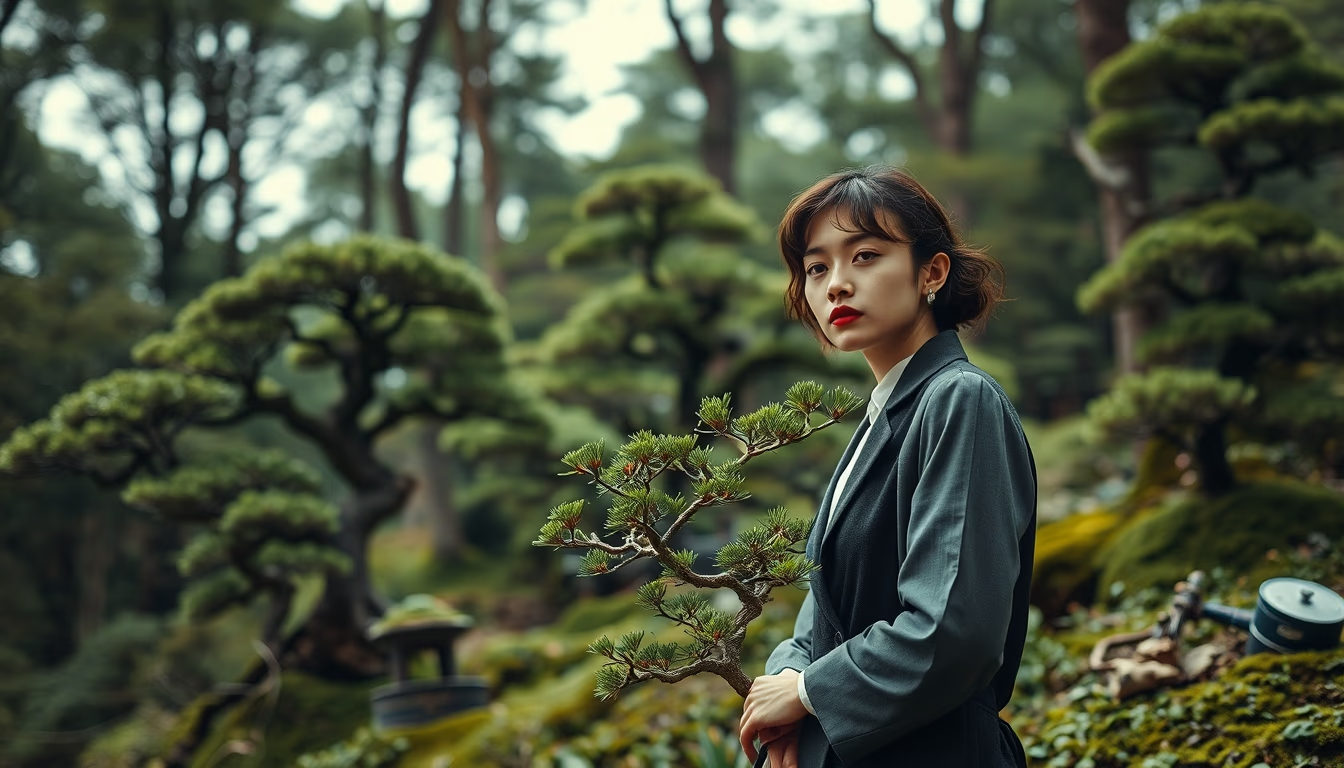
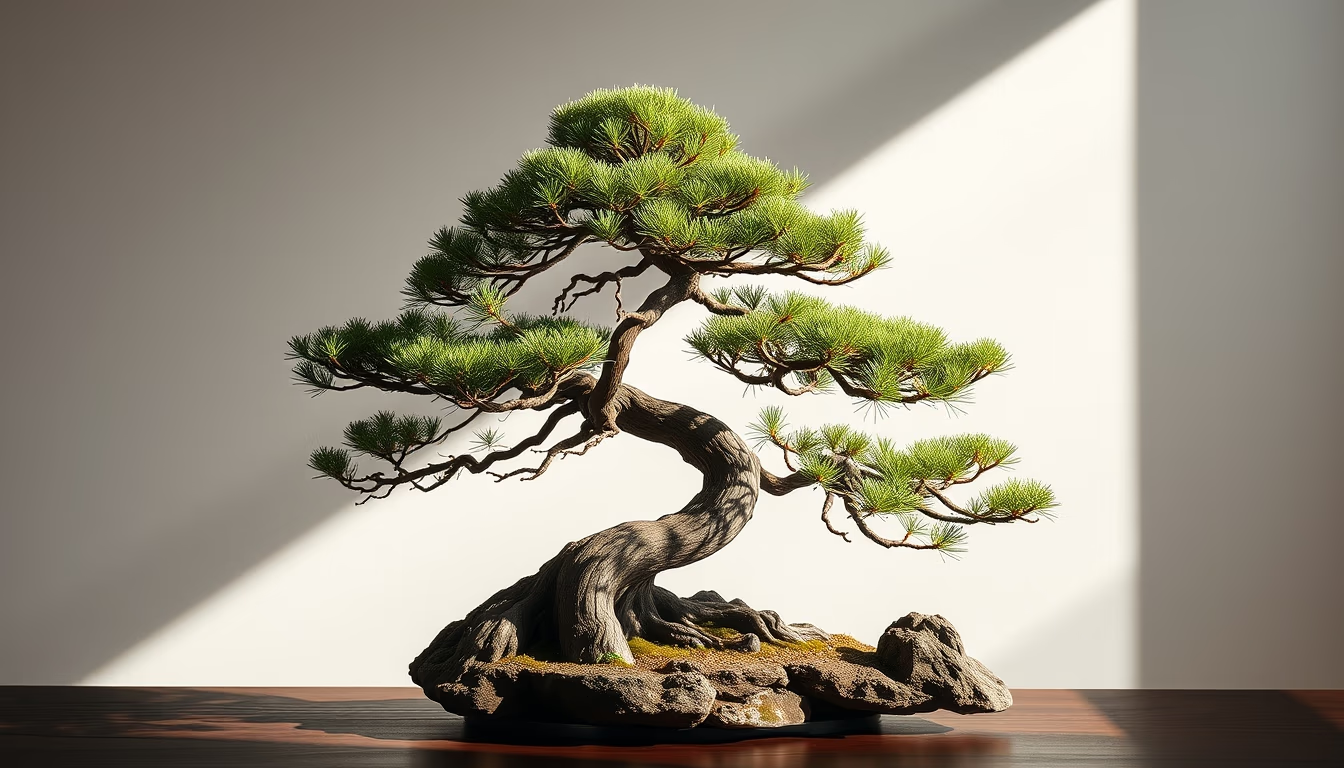
Bonsai forest landscape
1344×768 · AVIF · CC BY 4.0
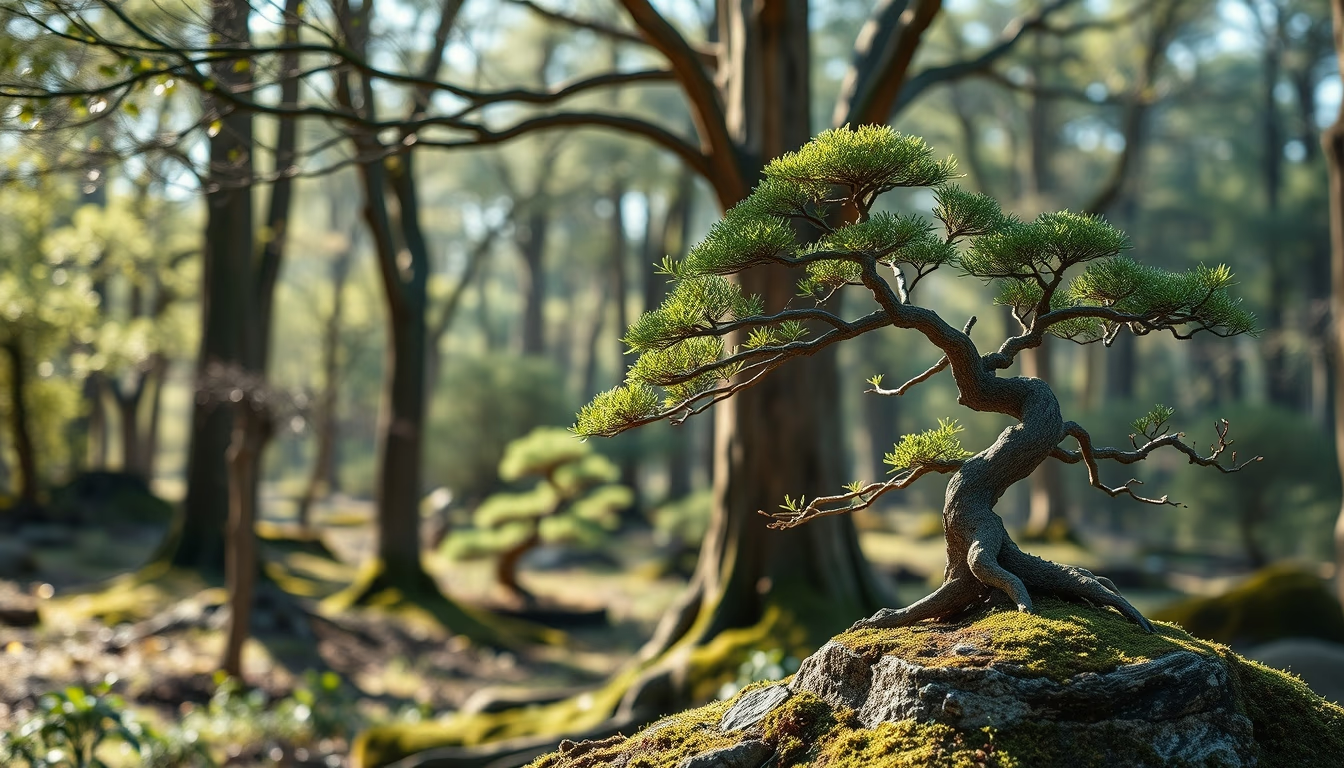
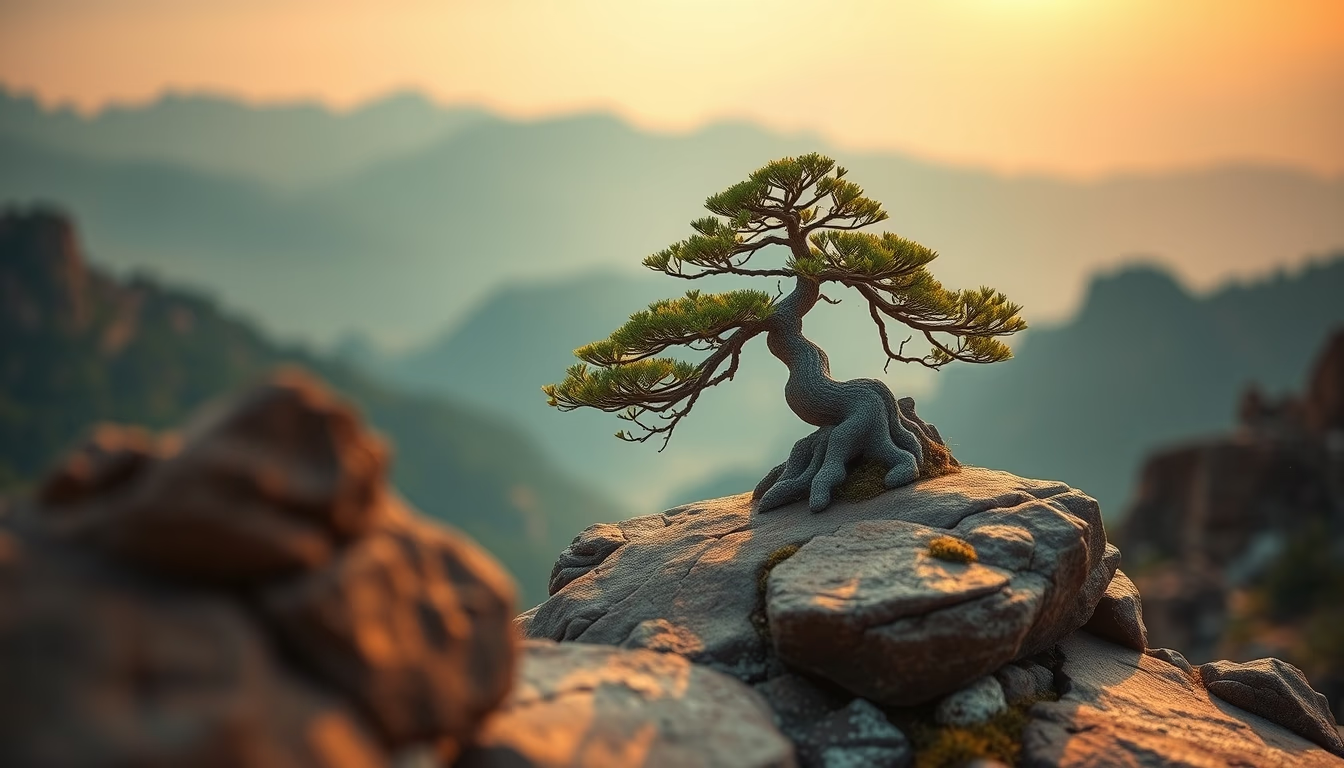
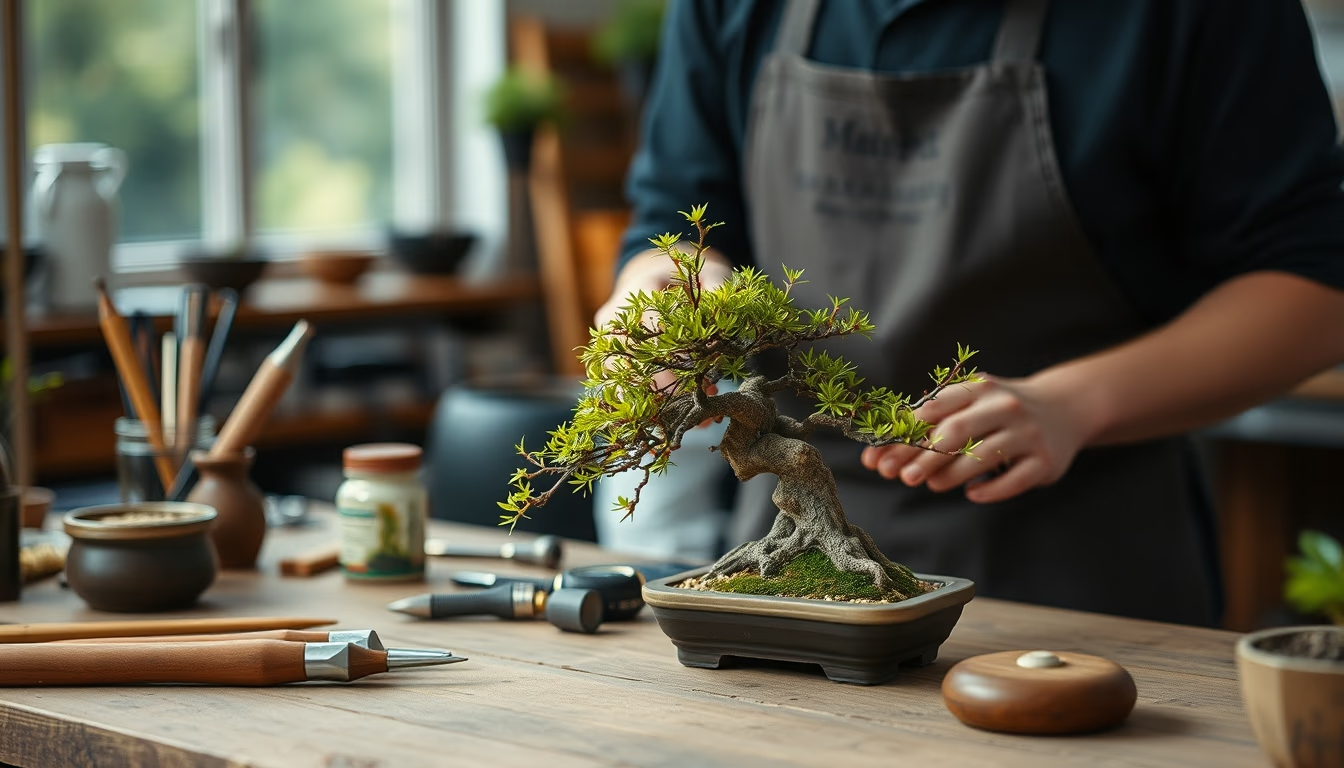
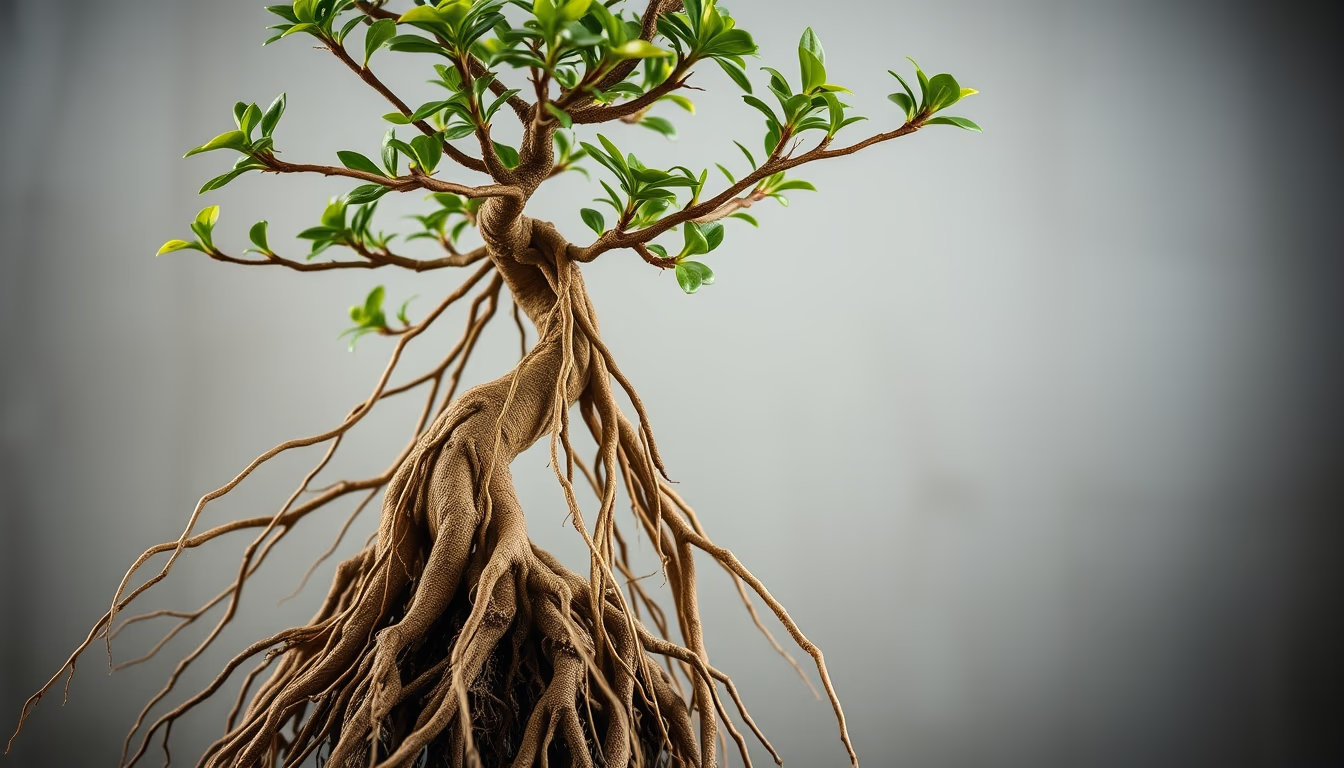
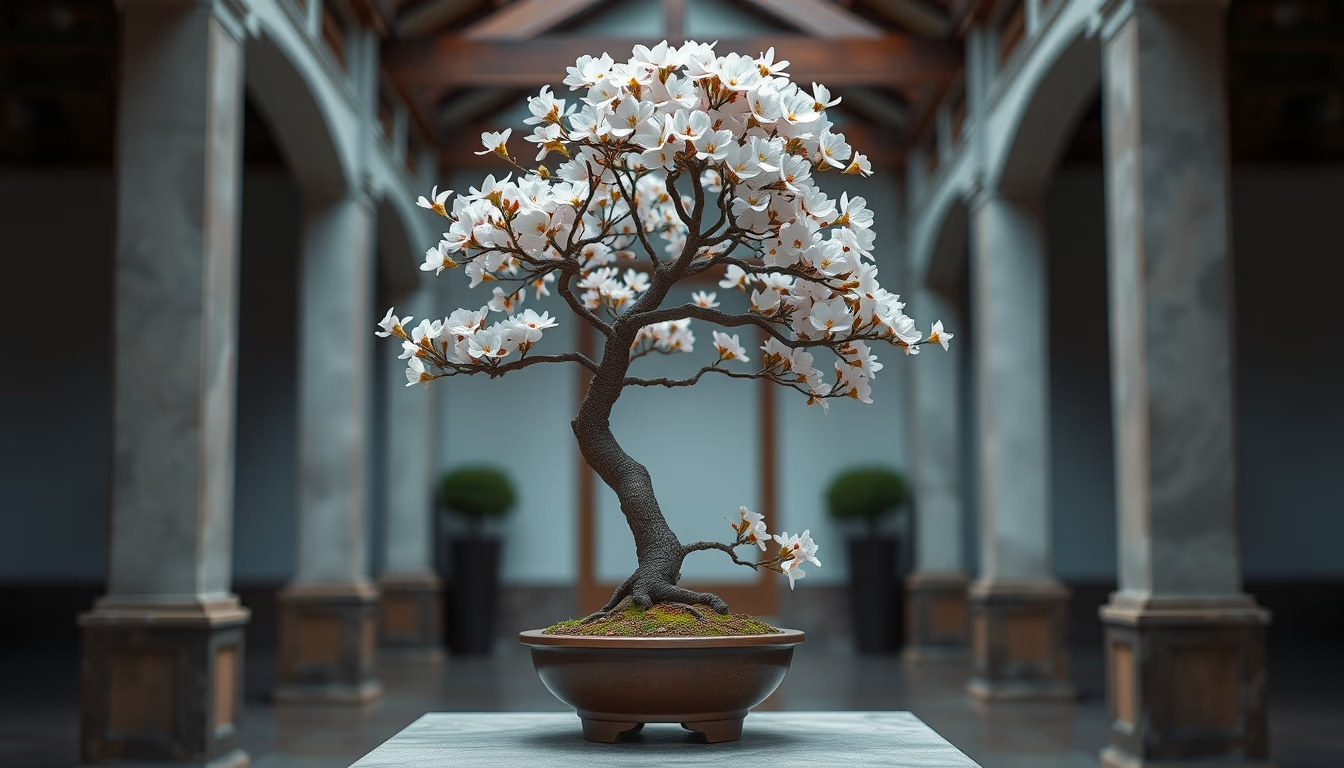
The miniature forest landscape, known as forest-style bonsai or yose-ue, recreates natural ecosystems in shallow pots.
About this subject
Forest-style bonsai, also known as yose-ue, is one of the most striking forms of the ancient art of bonsai. Unlike a single tree, this composition groups several trees in a shallow pot, arranged to mimic a natural woodland landscape. The technique requires careful planning of tree placement to create depth and perspective: taller trees are placed at the back or center, while shorter and thinner ones occupy the edges. The result evokes the feeling of contemplating a forest in miniature.
Originating in Japan, yose-ue is inspired by the country's mountainous landscapes, where dense forests cover slopes. The practice dates back to the Edo period (1603, 1868), when bonsai artists began exploring multi-tree compositions to represent natural scenes. Today, the style is appreciated worldwide, with dedicated exhibitions at events like the Kokufu-ten in Tokyo. Species selection is crucial: small-leaf varieties such as Japanese elm (Zelkova serrata) and Japanese black pine (Pinus thunbergii) are common for their resilience and ability to form dense canopies.
Caring for a forest bonsai requires patience and knowledge. Regular pruning maintains the visual hierarchy, while watering must be done carefully to avoid displacing surface roots. Repotting every two to three years is necessary to refresh the substrate and control growth. Many enthusiasts consider yose-ue one of the most challenging styles, as it requires harmonizing different individuals into a single composition. Yet the reward is a living miniature that tells the story of an entire landscape.
Interestingly, the forest style is often associated with the concept of wabi-sabi, which values imperfect and transient beauty. Observing the intertwining trees and seasonal color changes, the viewer feels the passage of time and connection with nature. In Japanese gardens, these arrangements are placed on stone or wooden stands, serving as focal points for meditation.
Frequently Asked Questions
What is a forest-style bonsai?
It is a composition of multiple trees in a shallow pot arranged to mimic a natural forest landscape. Also called yose-ue, this style aims to create depth and harmony among the plants.
Which species are commonly used in forest bonsai?
Small-leaf species like Japanese elm (Zelkova serrata) and Japanese black pine (Pinus thunbergii) are common for their dense canopies. Japanese maple (Acer palmatum) and juniper (Juniperus spp.) are also used.
How do you care for a forest bonsai?
It requires regular pruning to maintain hierarchy, careful watering to avoid displacing roots, and repotting every 2-3 years. Indirect light and frost protection are important for tree health.
Direct URL
https://pub-c7d6a6ea828543ac903a74a341ccb2e1.r2.dev/imagens/bonsai-forest-landscape-magazine-editorial-fresh15.avifHow to credit
Include a visible link back to UtilizAí. Copy one of the snippets below:
<a href="https://xn--utiliza-eza.com/en/midia/imagens/bonsai-forest-landscape-magazine-editorial-fresh15">Bonsai forest landscape</a> by <a href="https://xn--utiliza-eza.com">UtilizAí</a>, licensed under <a href="https://creativecommons.org/licenses/by/4.0/">CC BY 4.0</a>.
[Bonsai forest landscape](https://xn--utiliza-eza.com/en/midia/imagens/bonsai-forest-landscape-magazine-editorial-fresh15) by [UtilizAí](https://xn--utiliza-eza.com), CC BY 4.0
License: CC-BY-4.0