Bonsai forest landscape
1344×768 · AVIF · CC BY 4.0
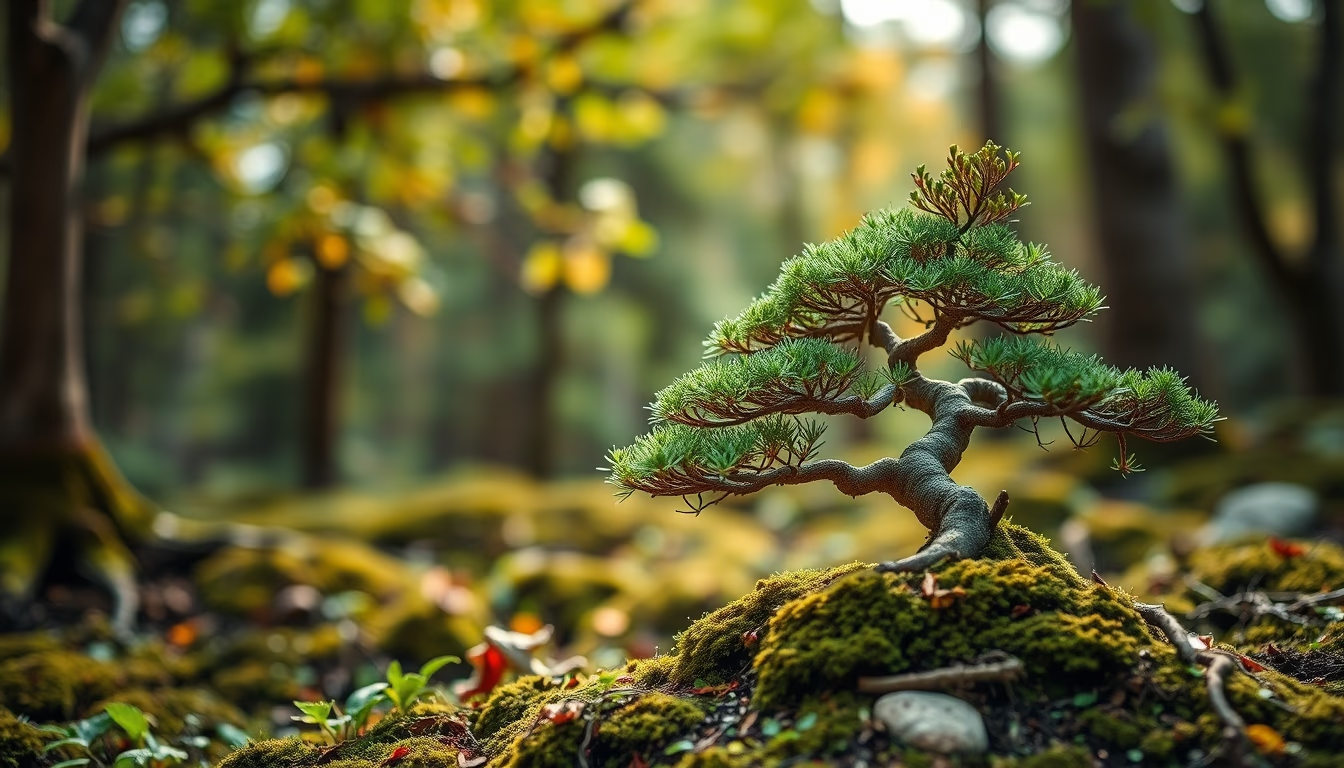
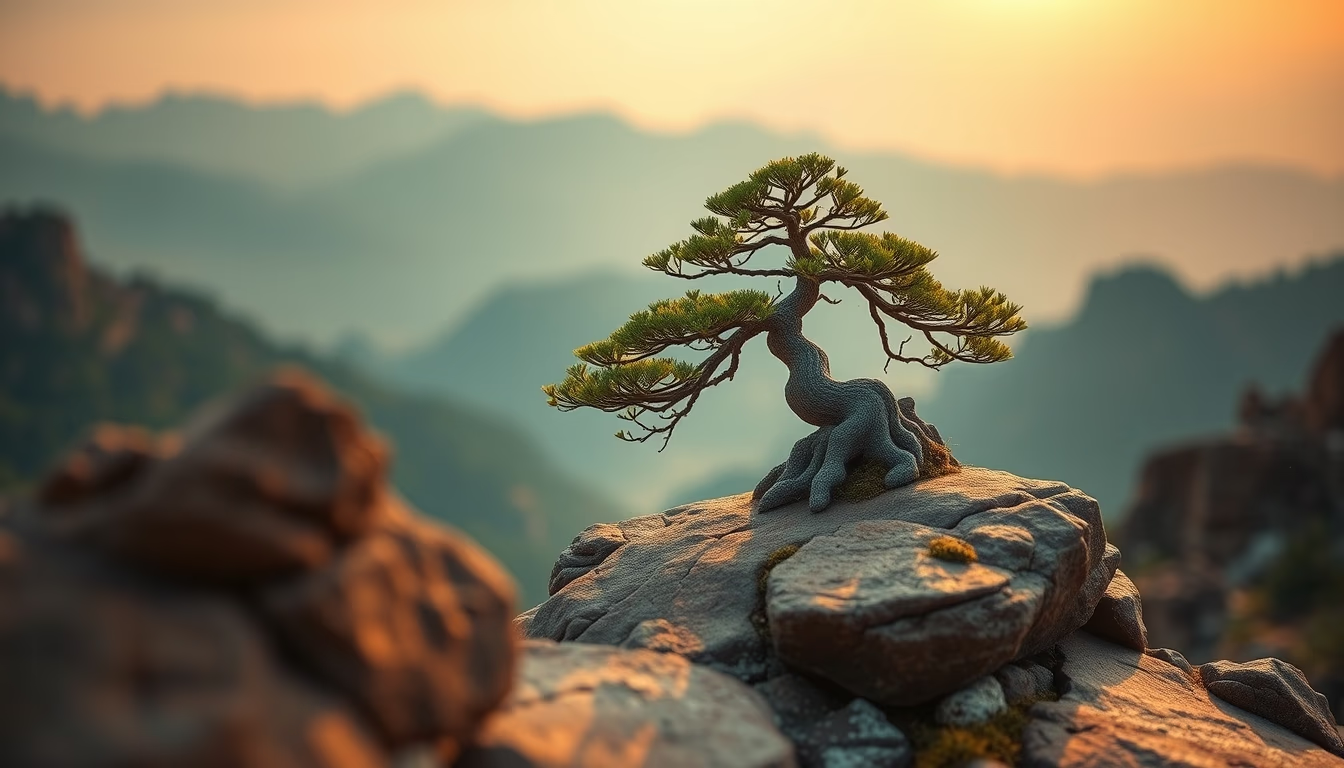
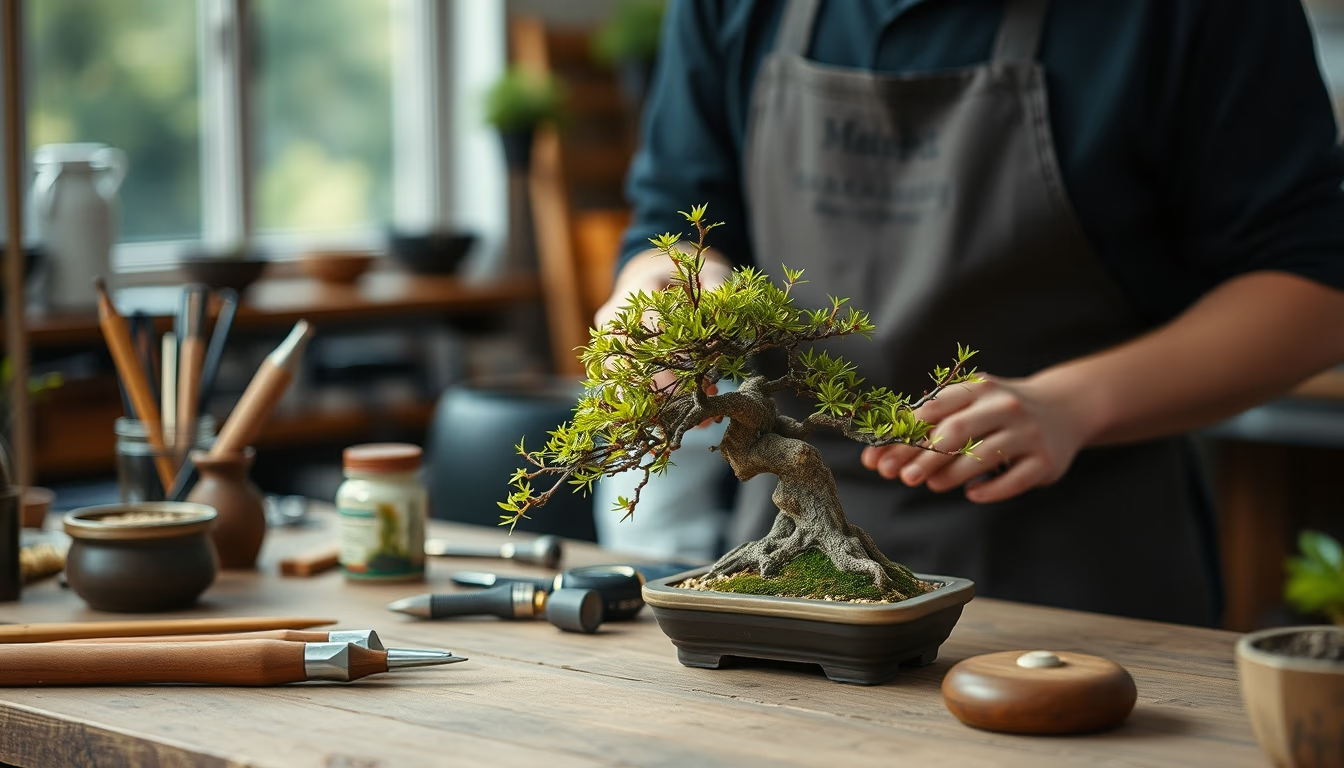
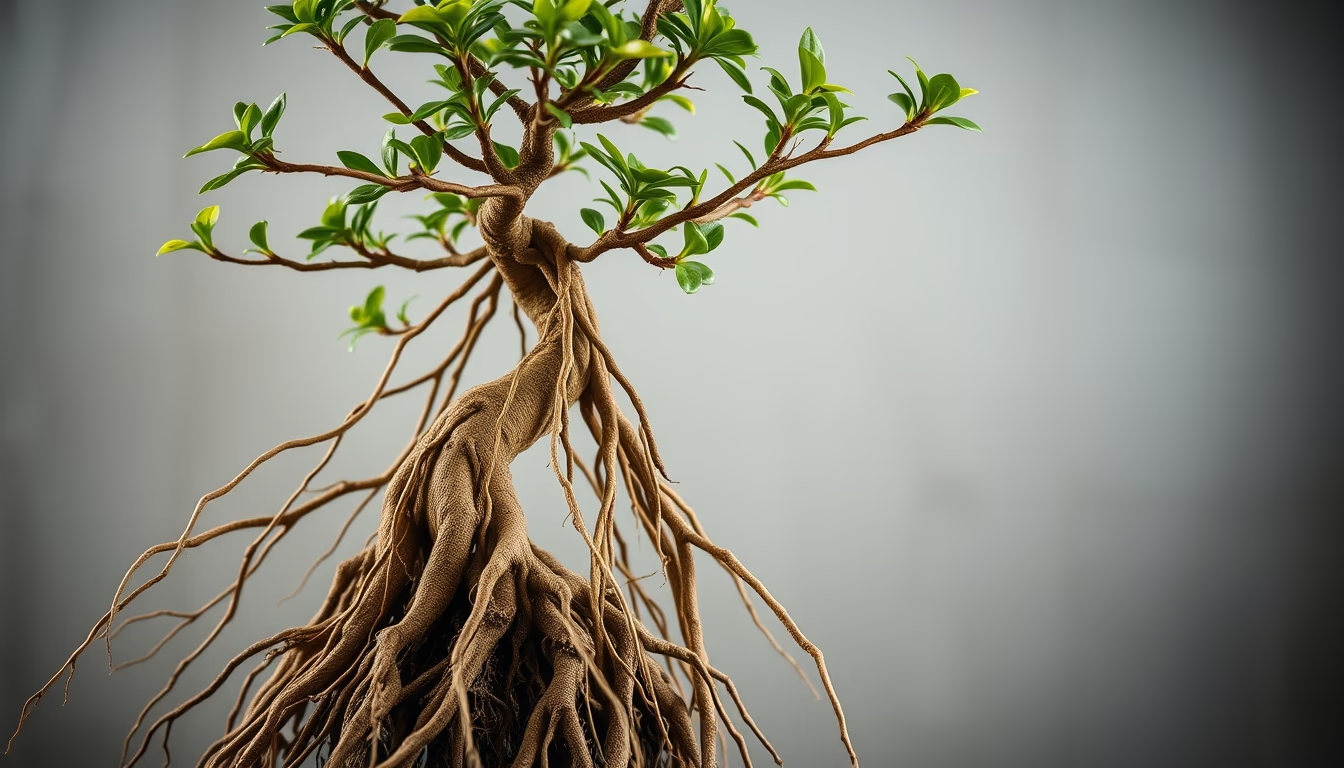
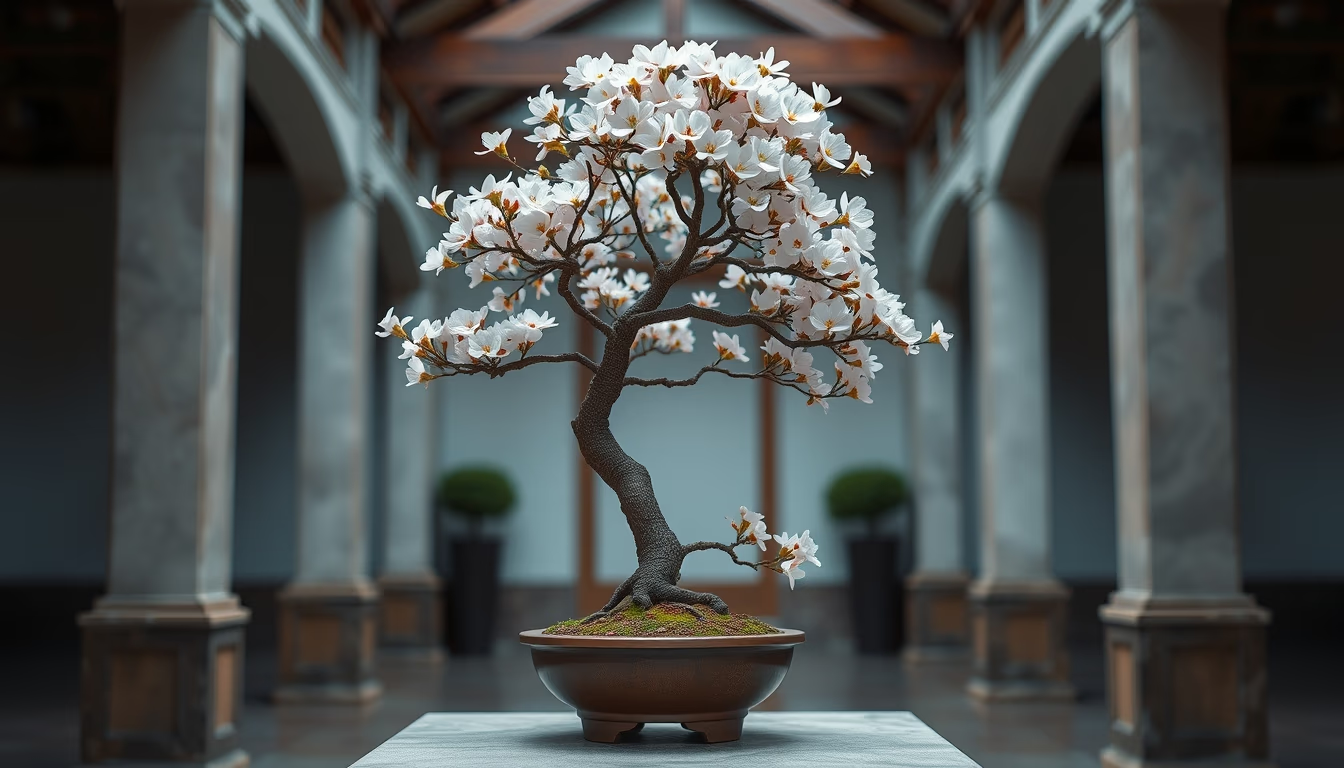
Miniature forests, or bonsai forest landscapes (yose-ue), recreate natural ecosystems in shallow trays by combining multiple trees in a harmonious composition.
About this subject
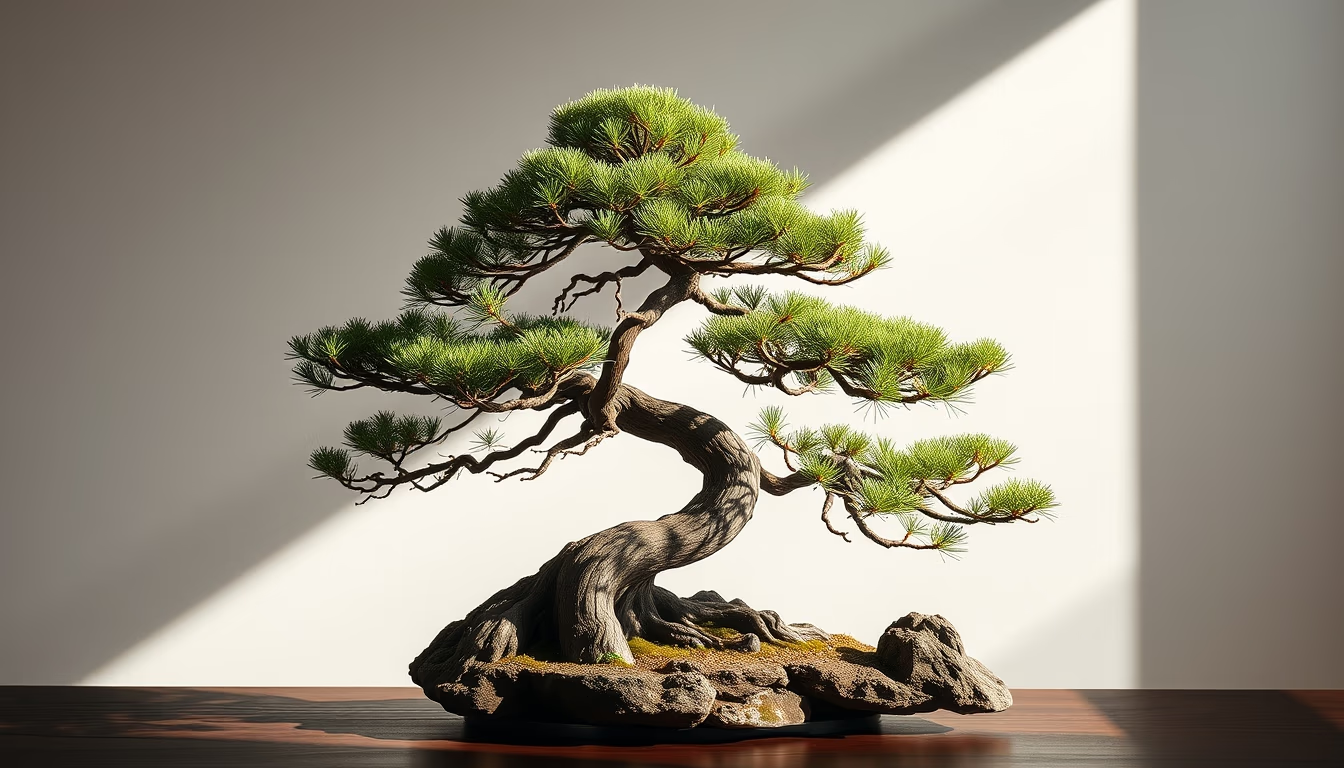
Forest bonsai, known as yose-ue in Japan, is a variation of the ancient art of bonsai that goes beyond the single tree. In this technique, multiple trees are planted together in a shallow container to simulate a natural landscape in miniature, such as a forest or grove. The practice requires special care in arrangement, pruning, and watering so that the trees coexist in balance, respecting hierarchies of height and spacing. Originating in China and refined in Japan over a thousand years, this form of bonsai represents harmony between humans and nature, often associated with Zen philosophy.
To create a forest bonsai, the artist selects compatible species, such as pines, maples, or zelkovas, that tolerate group planting. The trees are arranged asymmetrically, with a taller main tree (the “parent”) and secondary ones, forming groups that mimic the variation of a real ecosystem. The shallow tray, usually ceramic, receives special substrate and moss to represent the ground. Root and branch pruning is constant to maintain proportion and the health of the grouping.
In Brazil, forest bonsai practice has gained followers in clubs and associations, especially in the South and Southeast regions. Native species such as Surinam cherry and jabuticaba are adapted to the technique, creating tropical mini-forests. Maintenance requires knowledge of drainage, lighting, and specific fertilization, as the shallow container limits root growth. Exhibitions like the Annual Bonsai Exhibition in São Paulo feature yose-ue specimens that take decades to reach aesthetic maturity.
Interestingly, forest bonsai is one of the most challenging forms of the art, as it requires long-term planning and skill to create depth and perspective. Each tree must contribute to the visual narrative, as if it were a slice of a real forest. The technique is also used in container gardens and miniature landscaping, influencing the Western aesthetic of terrariums and Zen gardens.
Frequently Asked Questions
What does yose-ue mean in the context of bonsai?
Yose-ue is the technique of planting several trees together in a shallow container to create a miniature forest landscape. The Japanese term means 'group planting' and aims to imitate nature with proportion and harmony.
Which species are most suitable for a forest bonsai?
Species that tolerate group planting, such as pines, maples, zelkovas, and oaks. In Brazil, native species like Surinam cherry, jabuticaba, and Brazilian cherry are also used, adapted to tropical climates.
How to care for a forest bonsai?
It requires regular pruning of roots and branches, controlled watering (avoid waterlogging), balanced fertilization, and adequate light exposure. The shallow container demands extra attention to drainage and protection from strong winds.
Direct URL
https://pub-c7d6a6ea828543ac903a74a341ccb2e1.r2.dev/imagens/bonsai-forest-landscape-macro-closeup-fresh12.avifHow to credit
Include a visible link back to UtilizAí. Copy one of the snippets below:
<a href="https://xn--utiliza-eza.com/en/midia/imagens/bonsai-forest-landscape-macro-closeup-fresh12">Bonsai forest landscape</a> by <a href="https://xn--utiliza-eza.com">UtilizAí</a>, licensed under <a href="https://creativecommons.org/licenses/by/4.0/">CC BY 4.0</a>.
[Bonsai forest landscape](https://xn--utiliza-eza.com/en/midia/imagens/bonsai-forest-landscape-macro-closeup-fresh12) by [UtilizAí](https://xn--utiliza-eza.com), CC BY 4.0
License: CC-BY-4.0