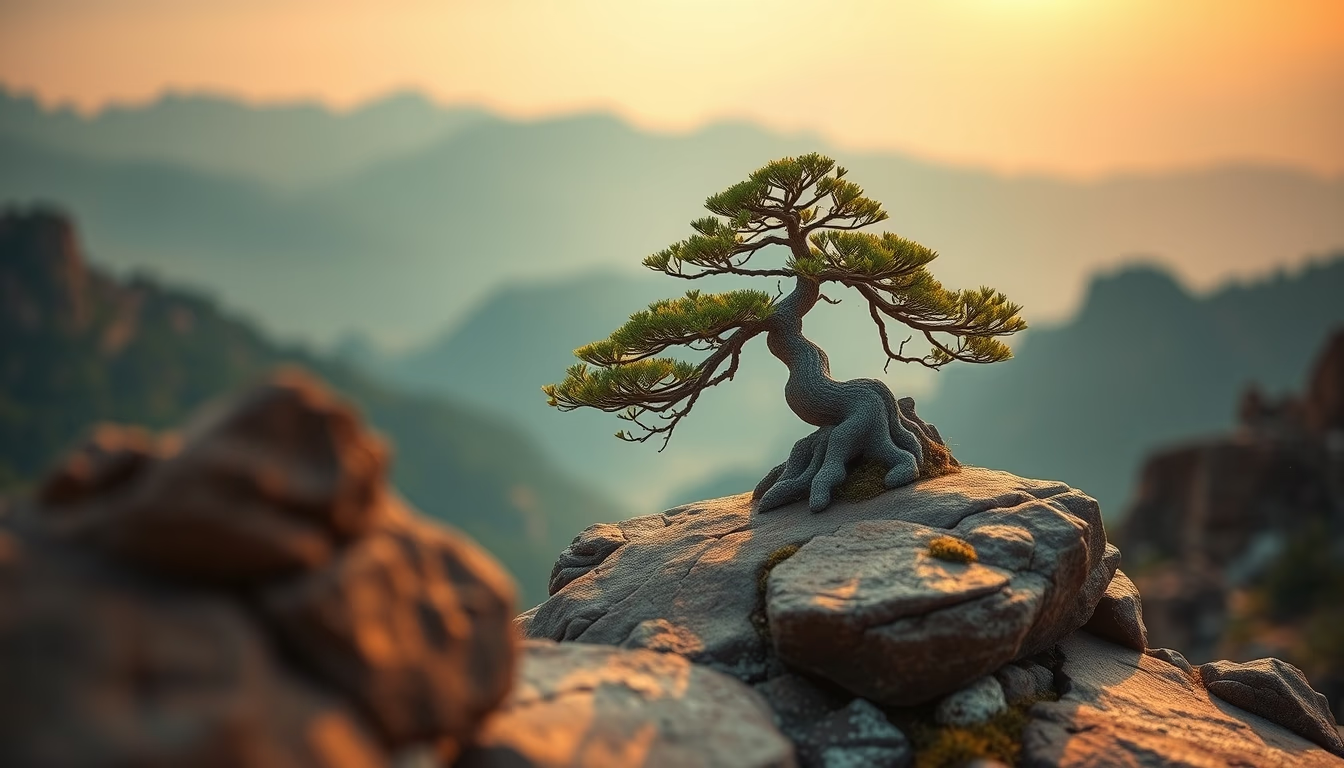
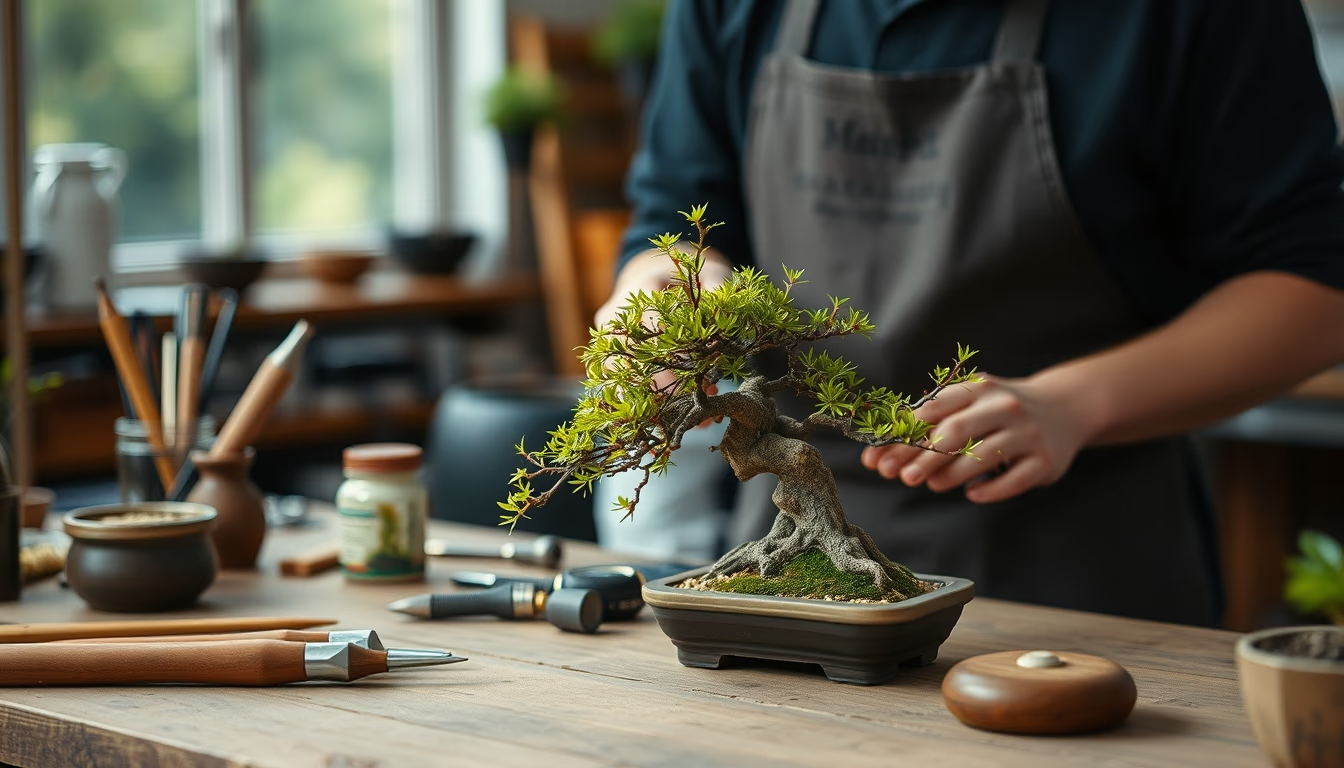
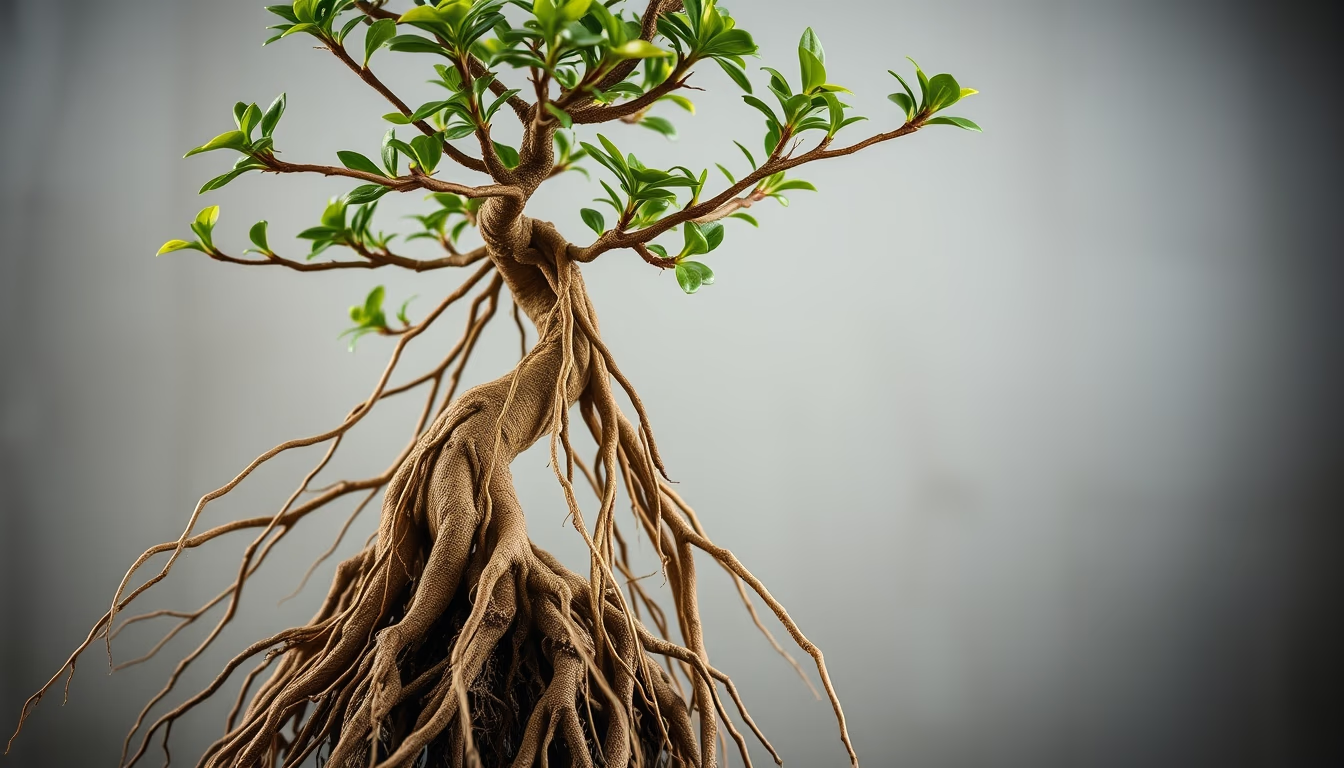
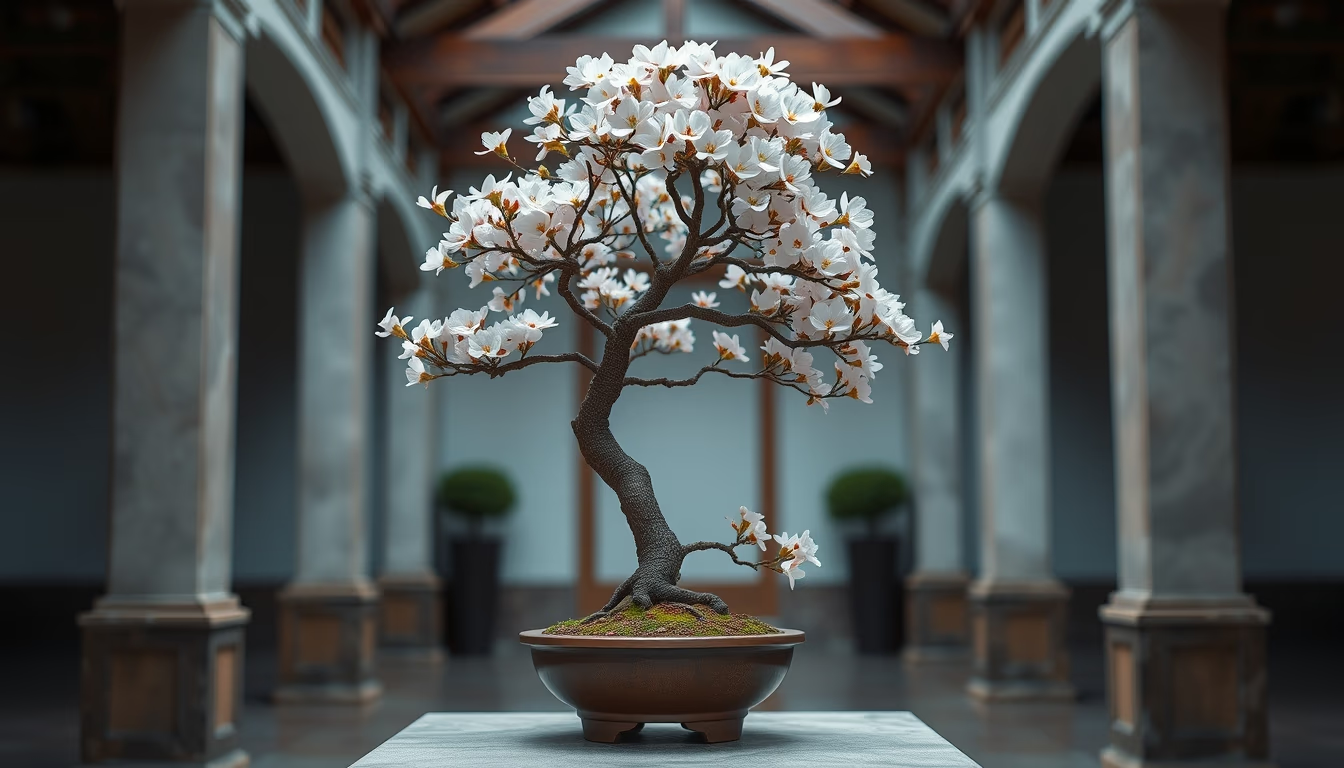
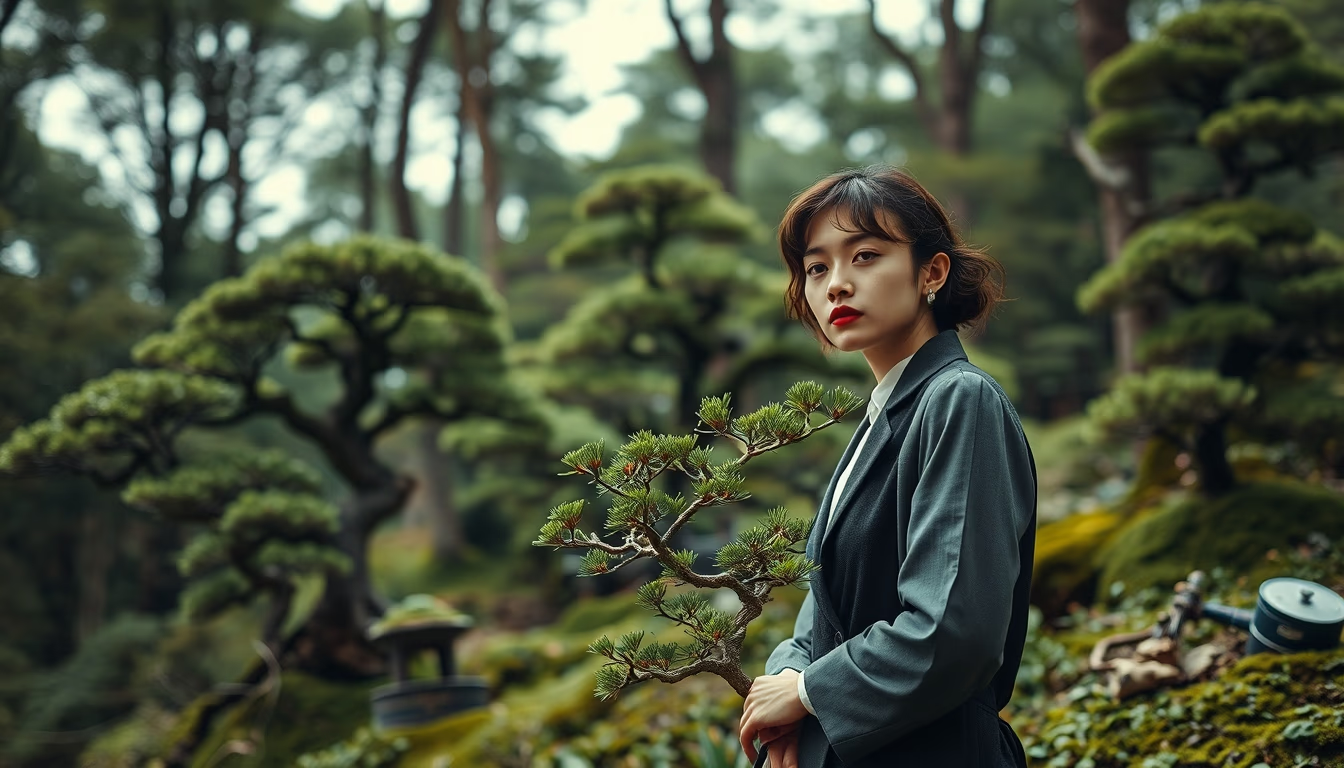
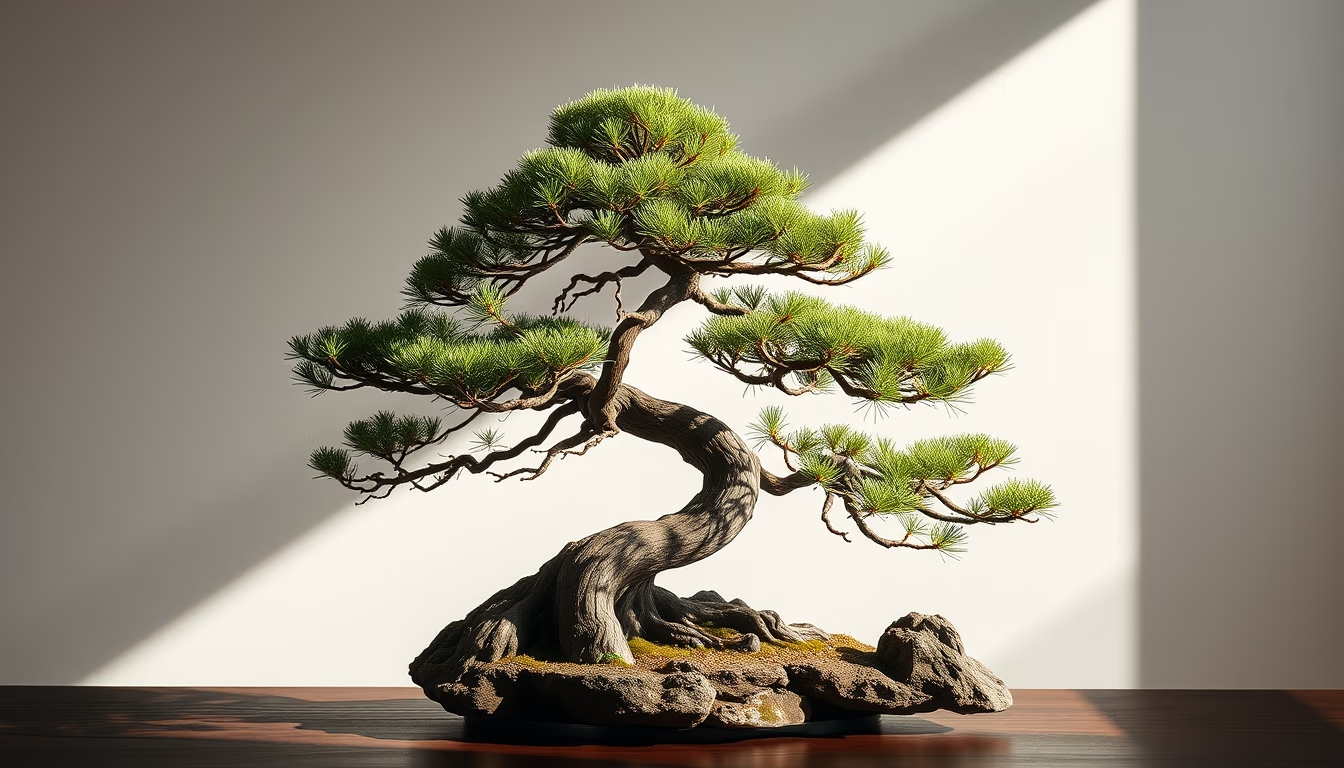
Bonsai forest landscape
1344×768 · AVIF · CC BY 4.0
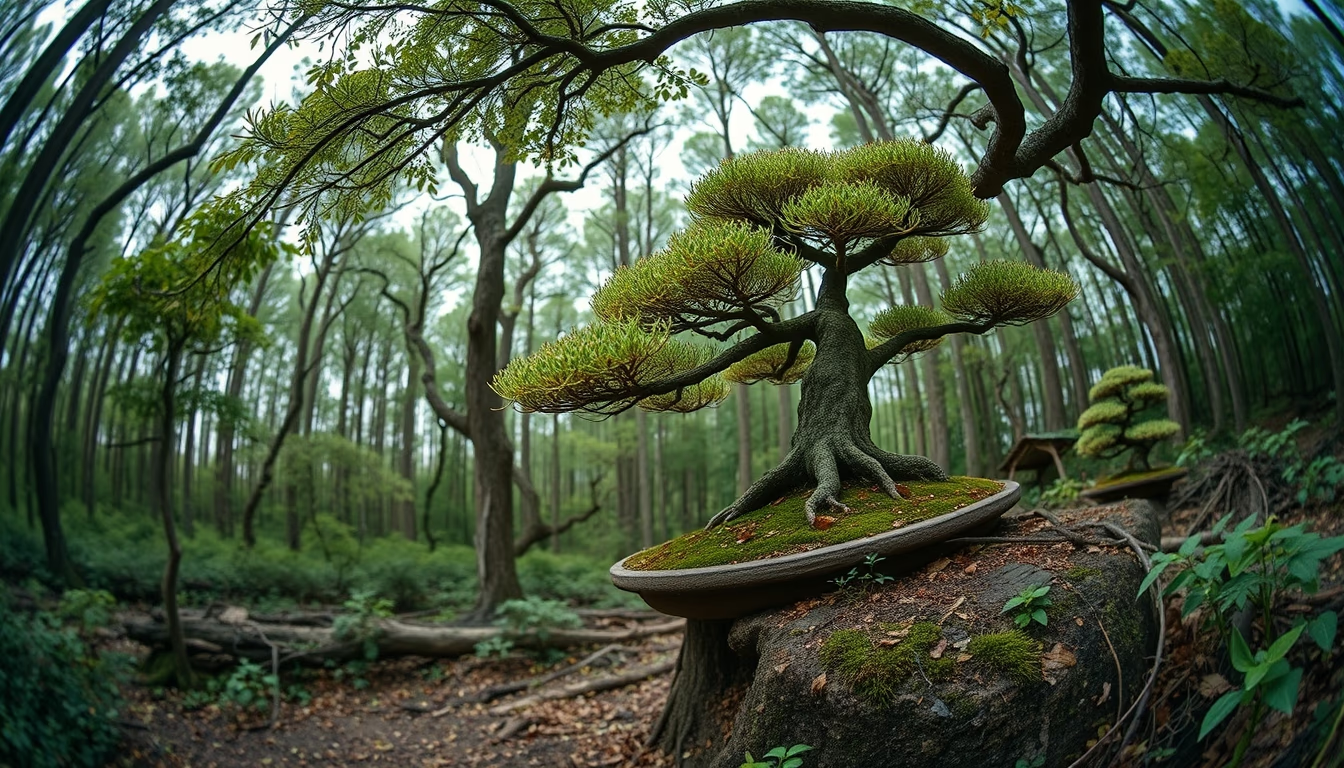
Bonsai forest landscapes, known as saikei, are miniature ecosystems combining trees, moss, and rocks in natural harmony.
About this subject
The concept of miniature forest landscapes, or saikei, emerged in Japan in the 20th century as an evolution of traditional bonsai. Unlike individual bonsai, which focus on a single tree, saikei aims to replicate a complete natural scene with multiple trees, rocks, moss, and even small figurines. The art requires knowledge of scale, composition, and maintenance, as each element must appear aged and integrated.
Creating a saikei begins with choosing a shallow container, usually a ceramic tray. Trees are planted asymmetrically, following principles of visual balance, and rocks are arranged to simulate mountains or cliffs. Moss covers the soil, unifying the elements. Species like pines, junipers, and maples are common due to their hardiness and dense foliage.
Maintaining a bonsai forest requires regular pruning, careful watering, and controlled fertilization. Trees compete for nutrients, so fertilizer must be diluted. During winter, some species need protection from frost. Saikei is appreciated in bonsai exhibitions and zen gardens, representing harmony between humans and nature.
Interestingly, the term 'saikei' was popularized by master Toshio Kawamoto in the 1960s. Unlike Chinese penjing, which uses more elements, Japanese saikei values simplicity and minimalism. Today, enthusiasts worldwide recreate miniature forests, adapting native species like araucarias or jabuticaba trees in Brazil.
Frequently Asked Questions
What distinguishes a forest bonsai from a common bonsai?
A forest bonsai (saikei) features multiple trees planted together to form a miniature landscape with rocks and moss. Traditional bonsai focuses on a single tree, highlighting its form and aging.
How to create a bonsai forest from scratch?
Choose a shallow container, young and hardy plants, rocks, and moss. Arrange trees in asymmetrical groups, bury roots, and cover with moss. Water moderately and keep in a spot with good indirect light.
Which species are best for bonsai forests?
Pines, junipers, maples, and ficus are popular for their adaptability to pruning. In Brazil, native species like pitanga and jabuticaba also work well with proper care.
Direct URL
https://pub-c7d6a6ea828543ac903a74a341ccb2e1.r2.dev/imagens/bonsai-forest-landscape-fish-eye-wide-angle-fresh5.avifHow to credit
Include a visible link back to UtilizAí. Copy one of the snippets below:
<a href="https://xn--utiliza-eza.com/en/midia/imagens/bonsai-forest-landscape-fish-eye-wide-angle-fresh5">Bonsai forest landscape</a> by <a href="https://xn--utiliza-eza.com">UtilizAí</a>, licensed under <a href="https://creativecommons.org/licenses/by/4.0/">CC BY 4.0</a>.
[Bonsai forest landscape](https://xn--utiliza-eza.com/en/midia/imagens/bonsai-forest-landscape-fish-eye-wide-angle-fresh5) by [UtilizAí](https://xn--utiliza-eza.com), CC BY 4.0
License: CC-BY-4.0