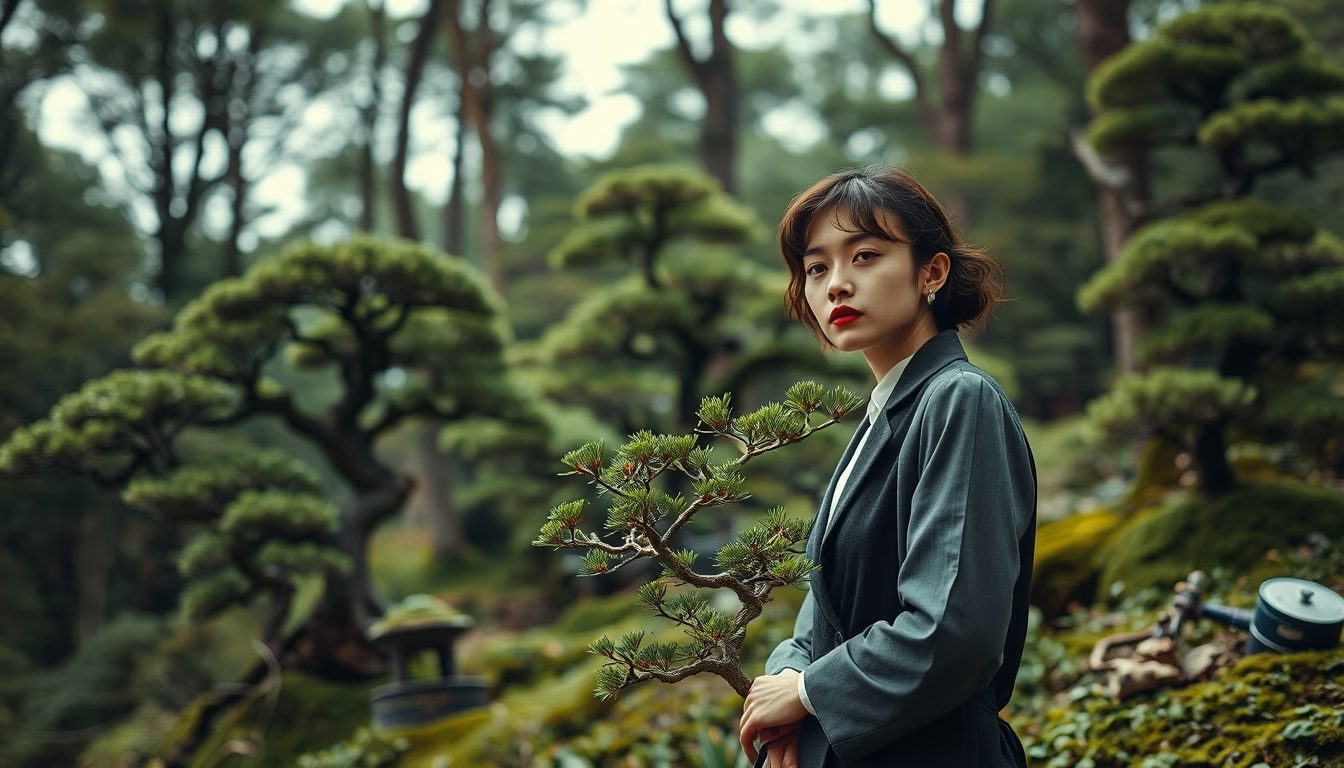
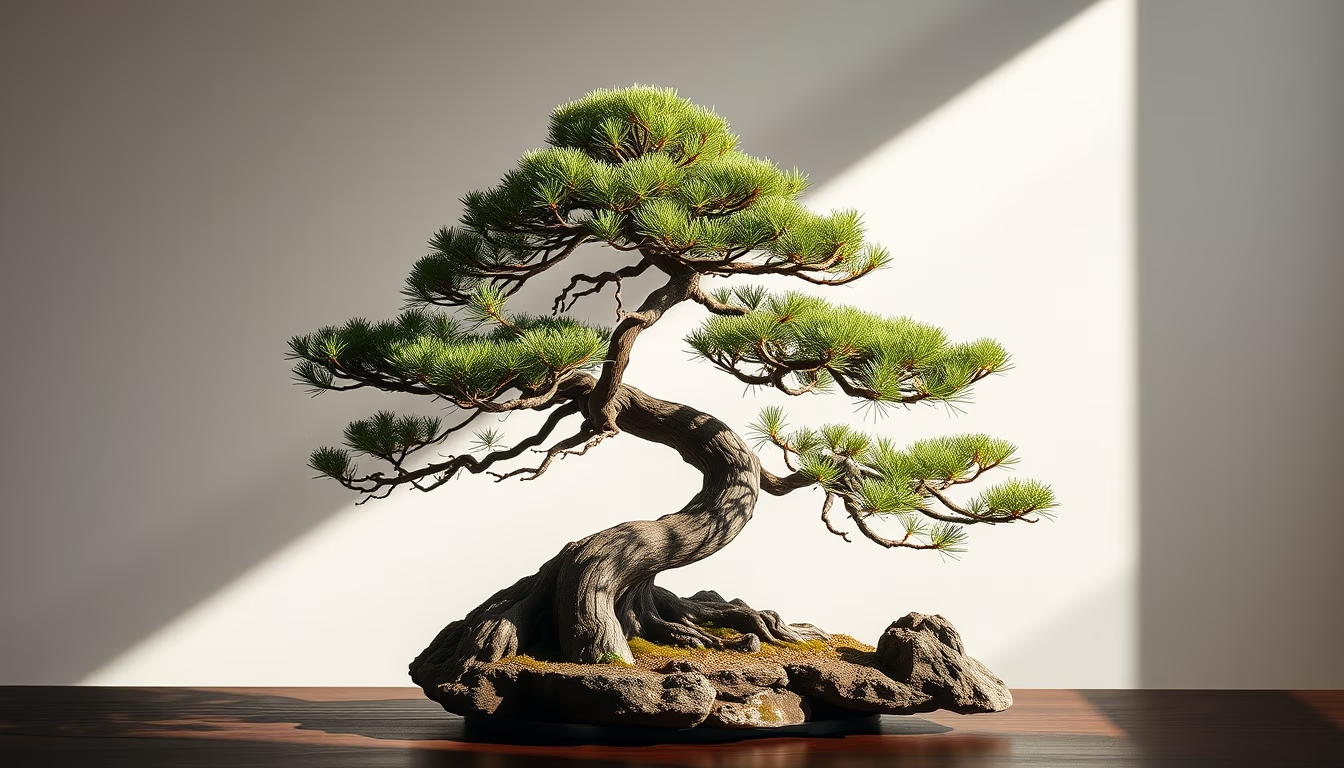
Bonsai forest landscape
1344×768 · AVIF · CC BY 4.0
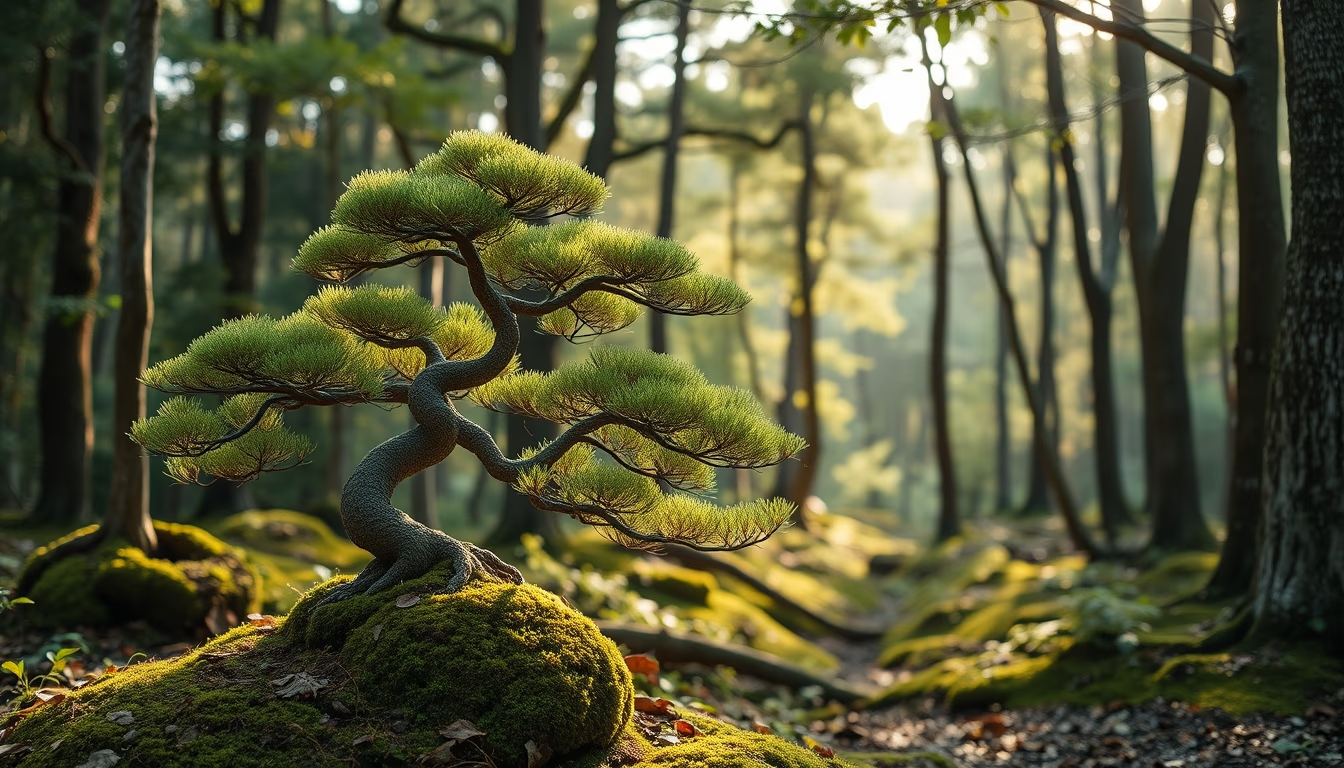
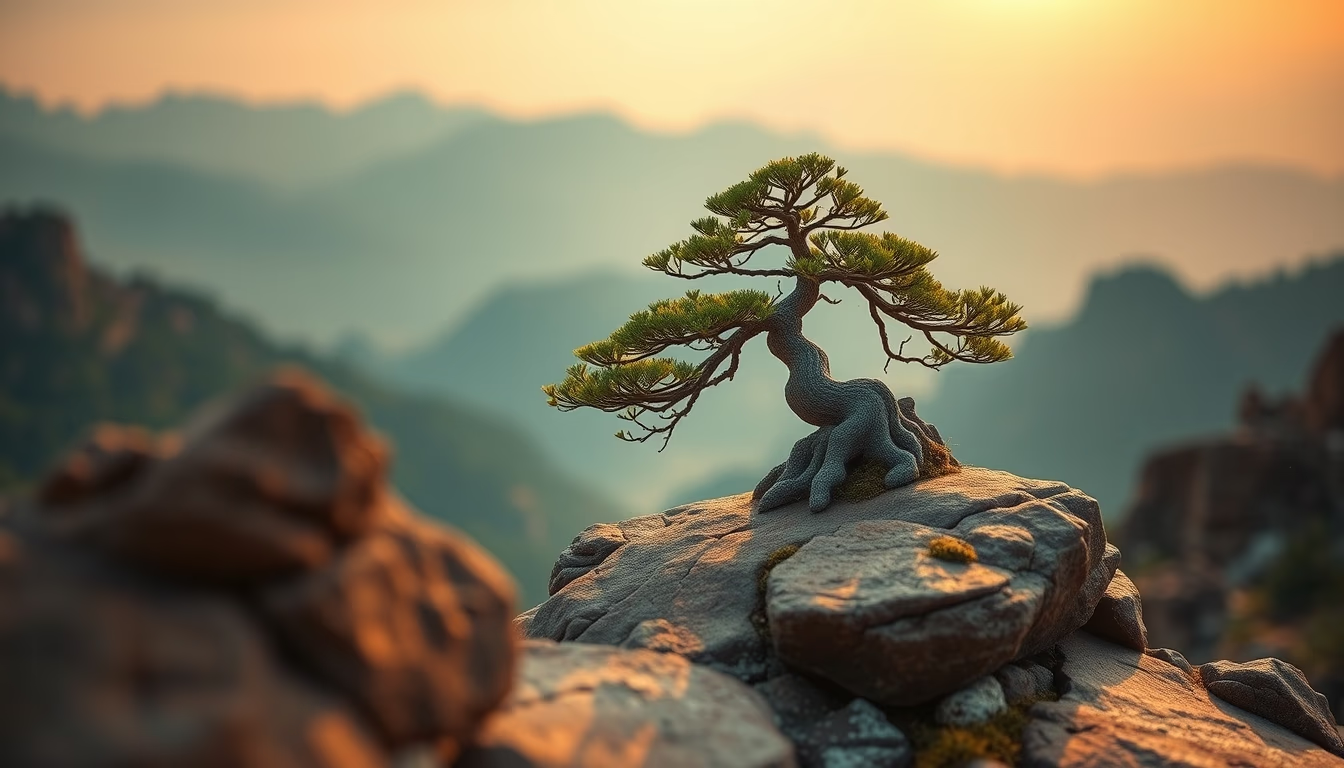
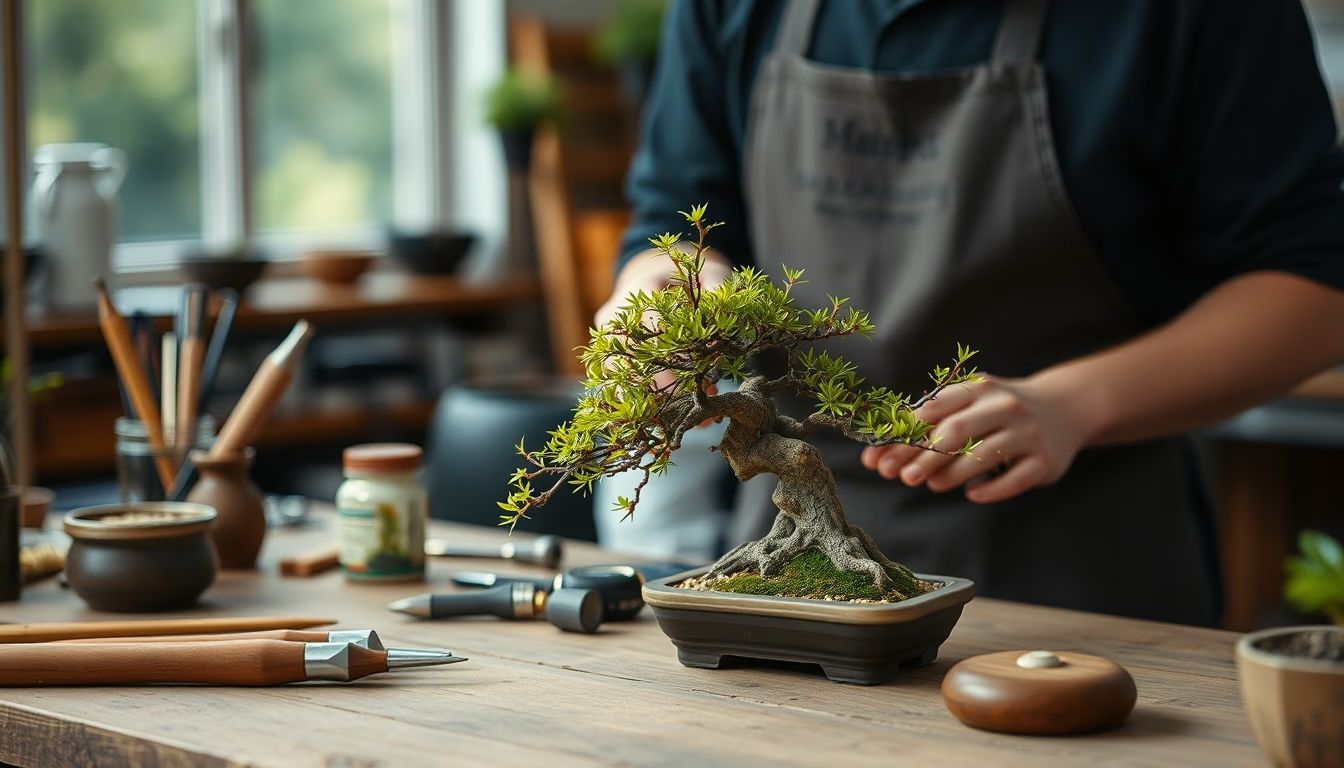
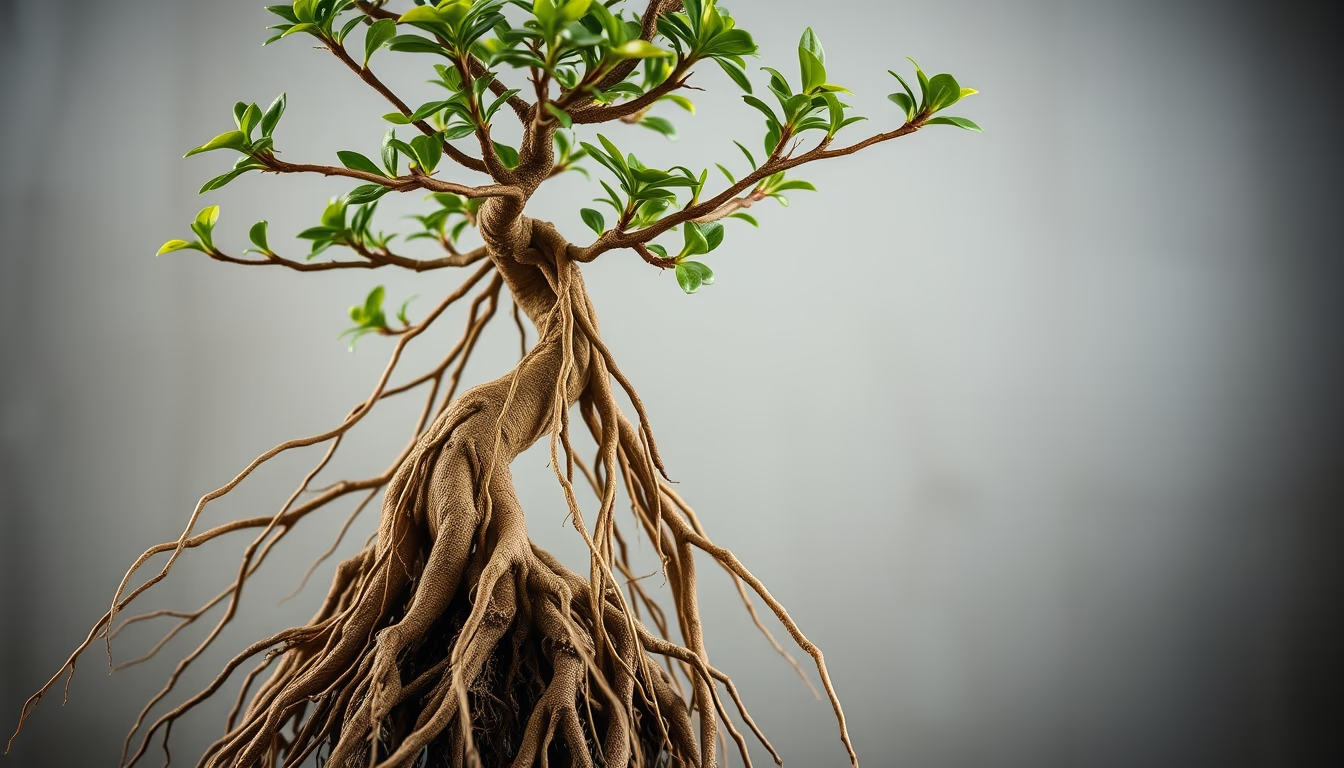
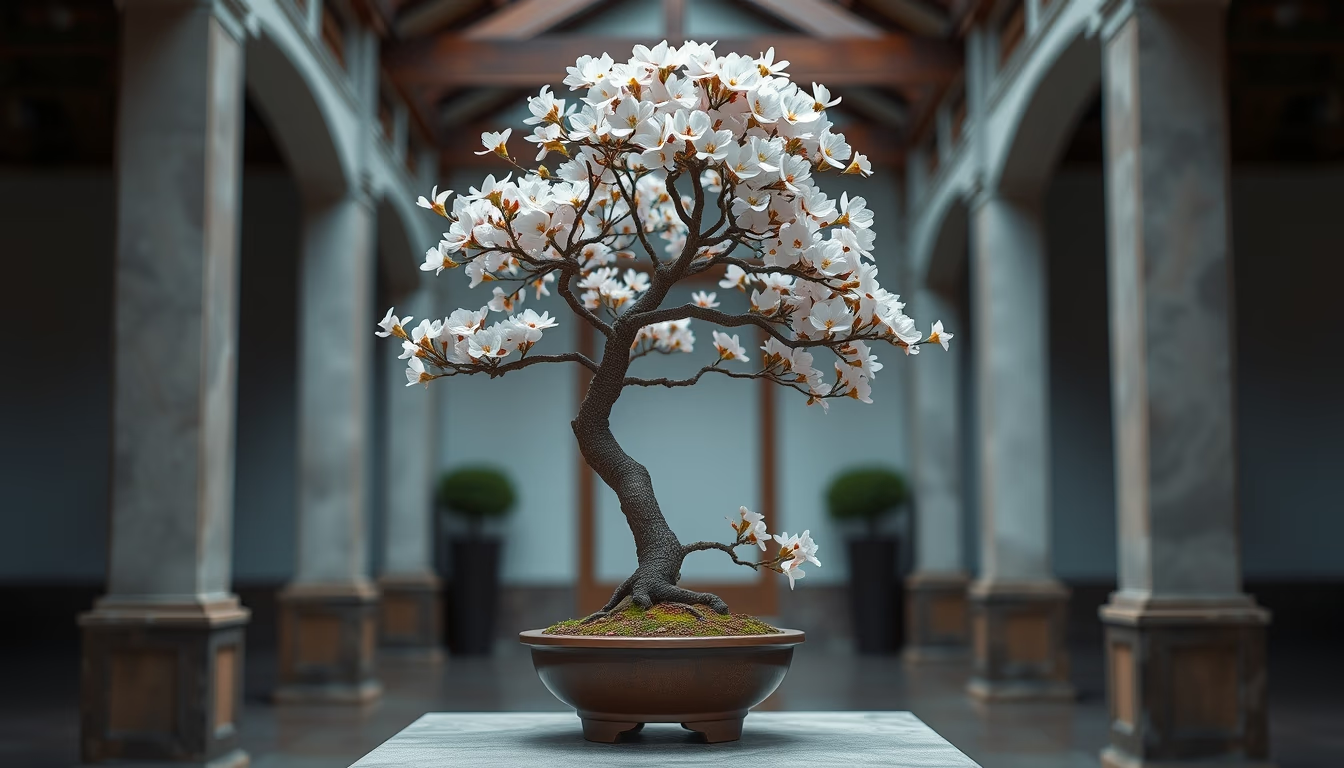
Miniature forests created by the bonsai yose-ue technique recreate natural ecosystems in shallow pots, requiring years of cultivation and balance.
About this subject
The bonsai forest, known as yose-ue, is one of the most expressive forms of bonsai art. Unlike traditional single-tree bonsai, yose-ue combines multiple trees in a single container, usually shallow and elongated, to simulate a natural miniature landscape. The composition follows strict principles of asymmetry, depth, and proportion, with the tallest trunk serving as the focal point. Moss, stones, and even small figurines are added to reinforce the illusion of a real forest.
Originating in Japan, yose-ue has roots in Chinese penjing but was refined by Japanese masters over centuries. One of the most famous works is the zelkova forest at the Brooklyn Botanic Garden, created in 1914. Species like Japanese white pine, Japanese maple, and juniper are common for their ability to develop dense branching and reduced foliage. Maintenance requires frequent pruning, controlled watering, and repotting every two to three years with substrate replacement to prevent nutrient depletion.
The cultural significance of bonsai forest goes beyond aesthetics. It represents harmony between humans and nature, patience, and the cycle of life. In exhibitions such as the Kokufu-ten in Tokyo, yose-ue specimens are judged by the naturalness of the landscape and the health of the trees. Some sets take decades to mature, like the famous 'Goshin Forest' by John Naka, which took over 30 years to complete. The technique is also practiced by enthusiasts in Brazil, where native species like the Surinam cherry are adapted to the style.
Frequently Asked Questions
What is a bonsai forest?
It is a bonsai style called yose-ue, where multiple trees are planted together in a shallow pot to recreate a natural miniature landscape.
Which species are most used in bonsai forest?
Species like Japanese white pine, Japanese maple, juniper, and zelkova are common due to their dense branching and reduced foliage.
What is the origin of bonsai forest?
The technique originated in Japan, inspired by Chinese penjing, and was developed over centuries by Japanese masters.
Direct URL
https://pub-c7d6a6ea828543ac903a74a341ccb2e1.r2.dev/imagens/bonsai-forest-landscape-documentary-photography-fresh8.avifHow to credit
Include a visible link back to UtilizAí. Copy one of the snippets below:
<a href="https://xn--utiliza-eza.com/en/midia/imagens/bonsai-forest-landscape-documentary-photography-fresh8">Bonsai forest landscape</a> by <a href="https://xn--utiliza-eza.com">UtilizAí</a>, licensed under <a href="https://creativecommons.org/licenses/by/4.0/">CC BY 4.0</a>.
[Bonsai forest landscape](https://xn--utiliza-eza.com/en/midia/imagens/bonsai-forest-landscape-documentary-photography-fresh8) by [UtilizAí](https://xn--utiliza-eza.com), CC BY 4.0
License: CC-BY-4.0