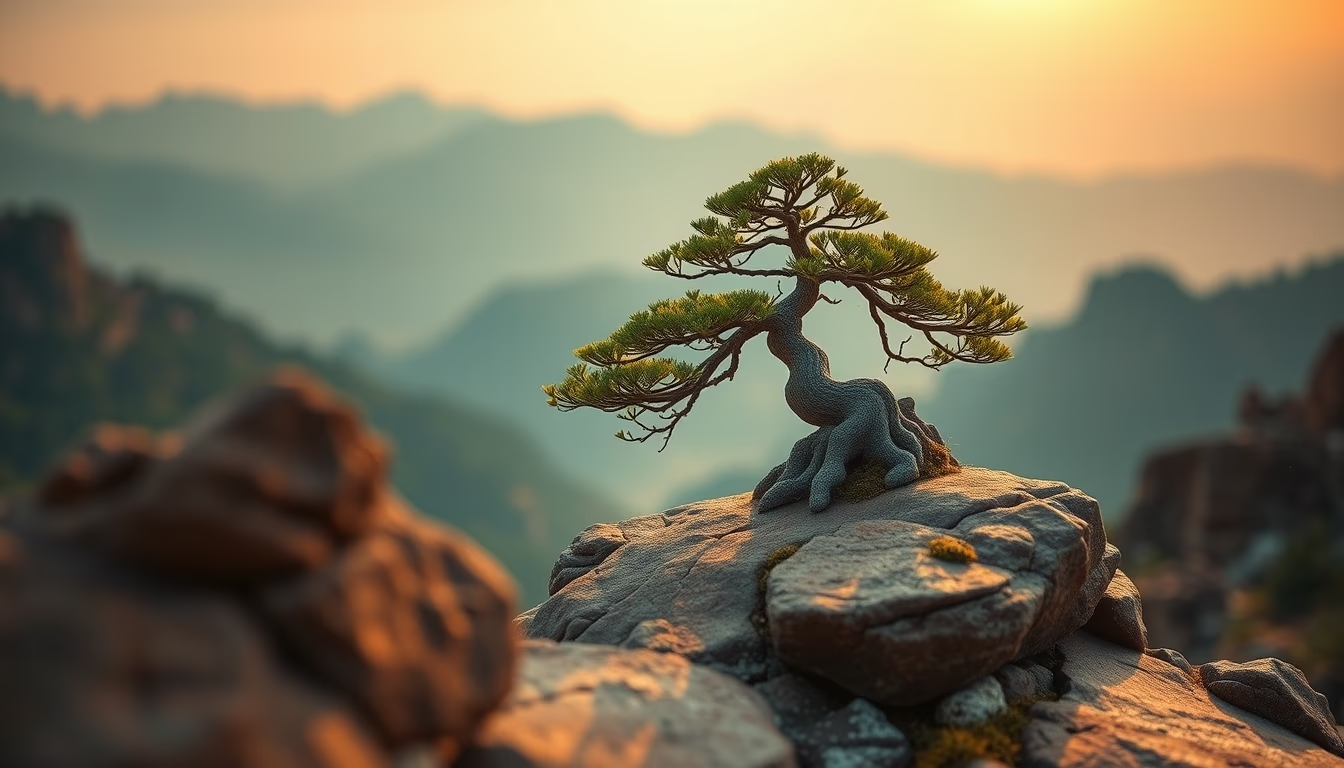
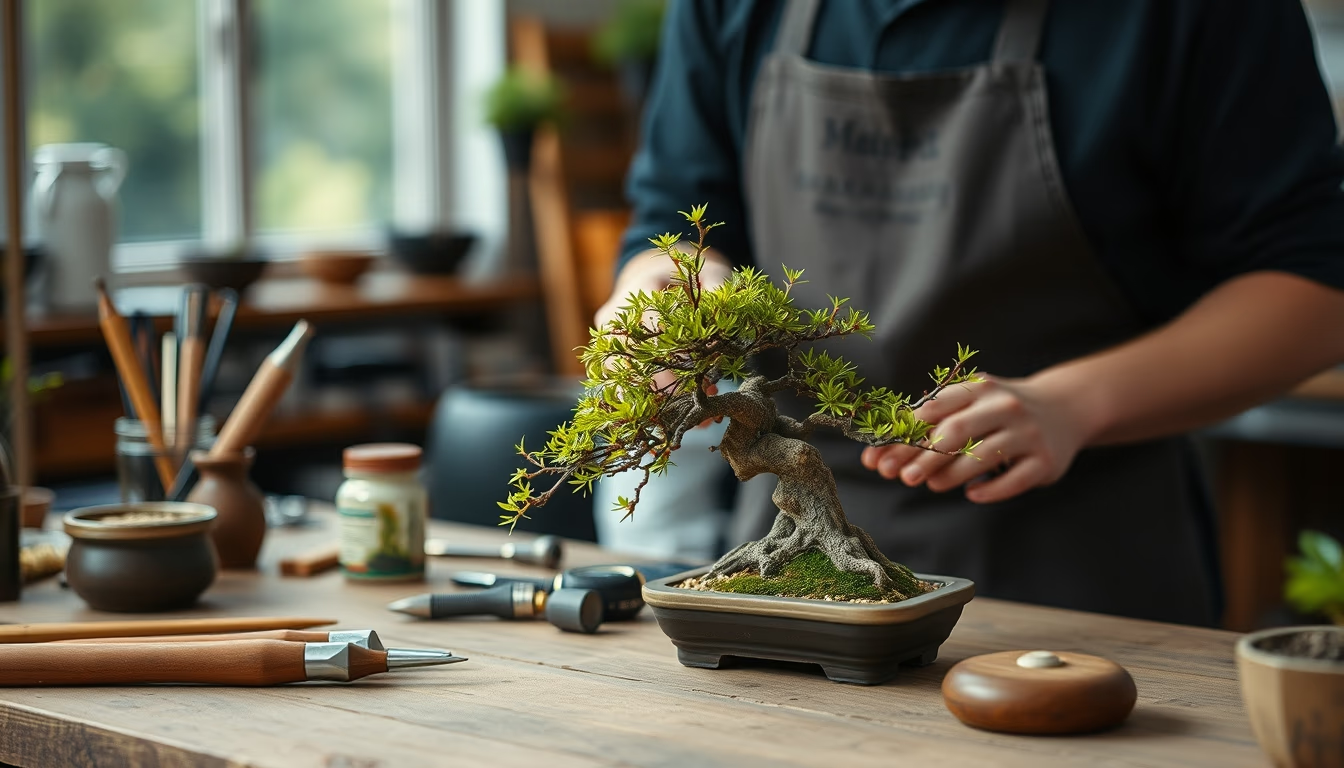
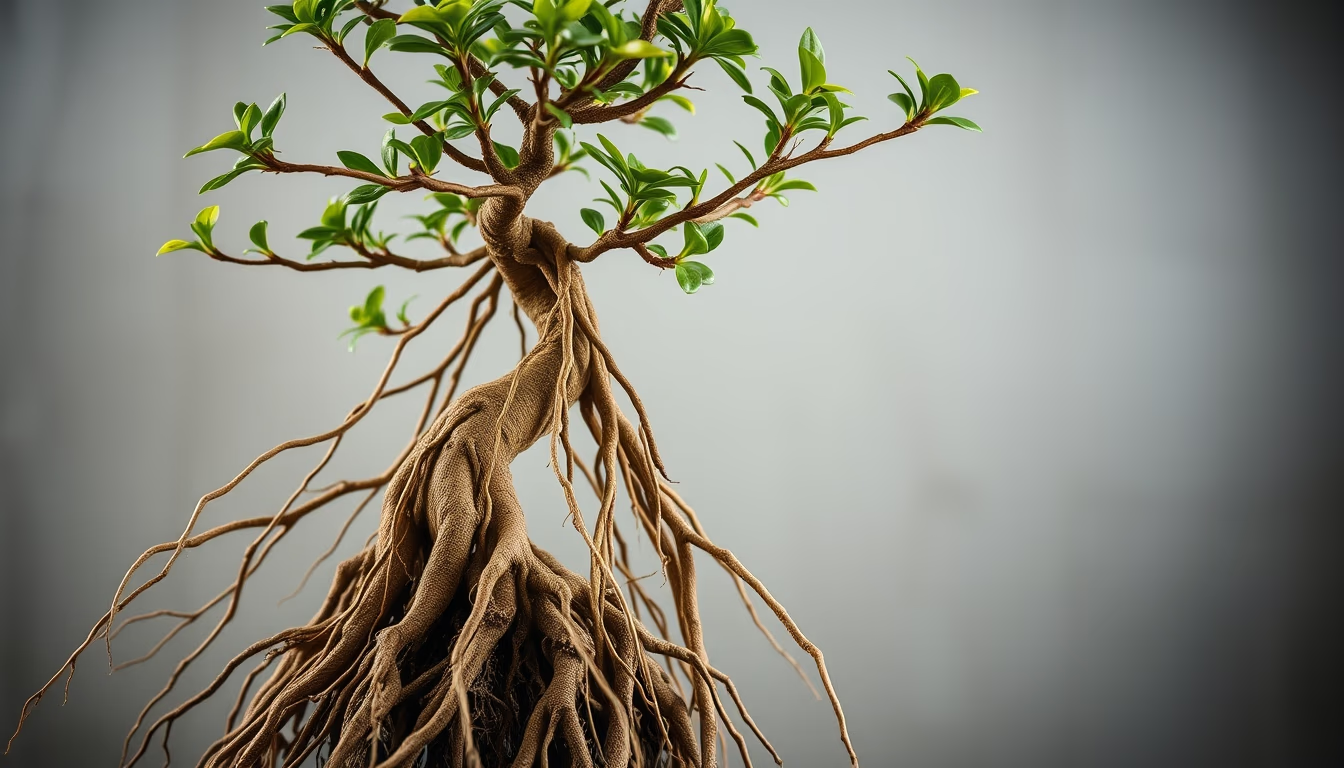
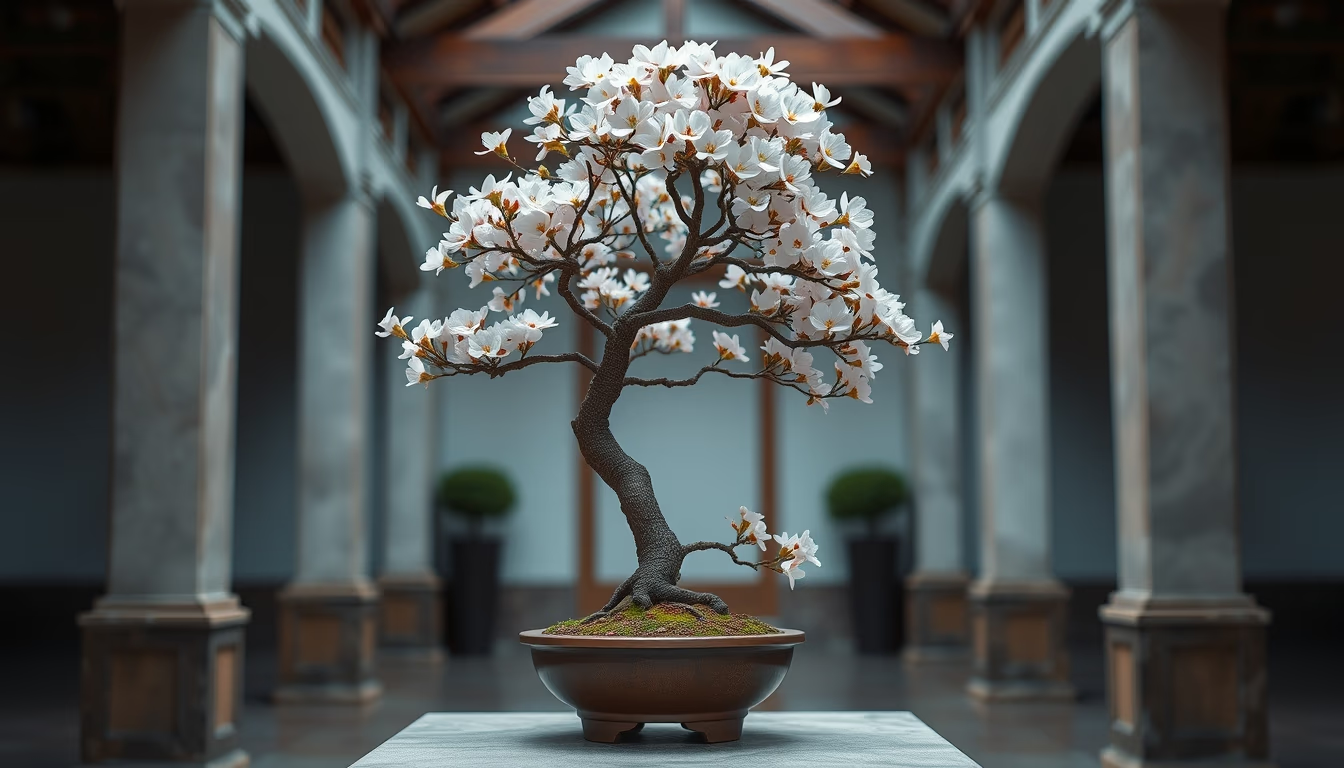
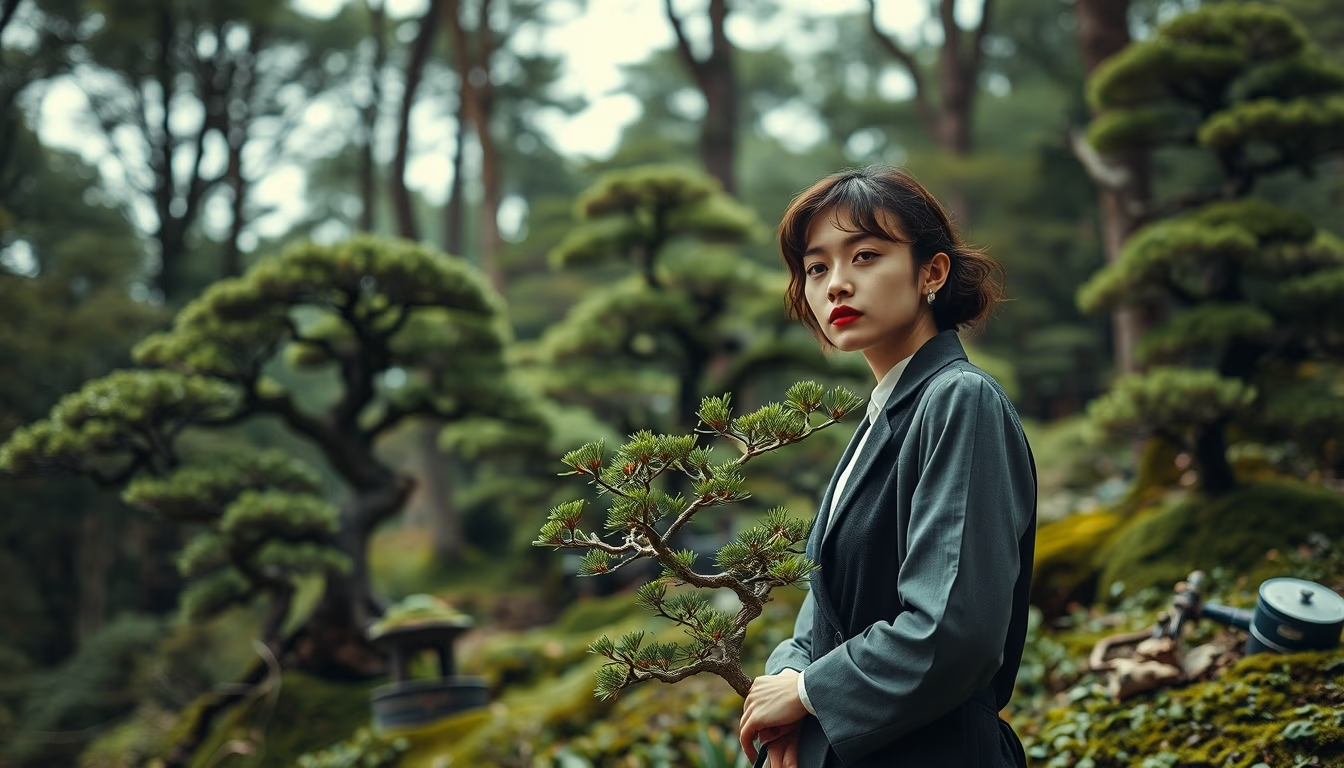
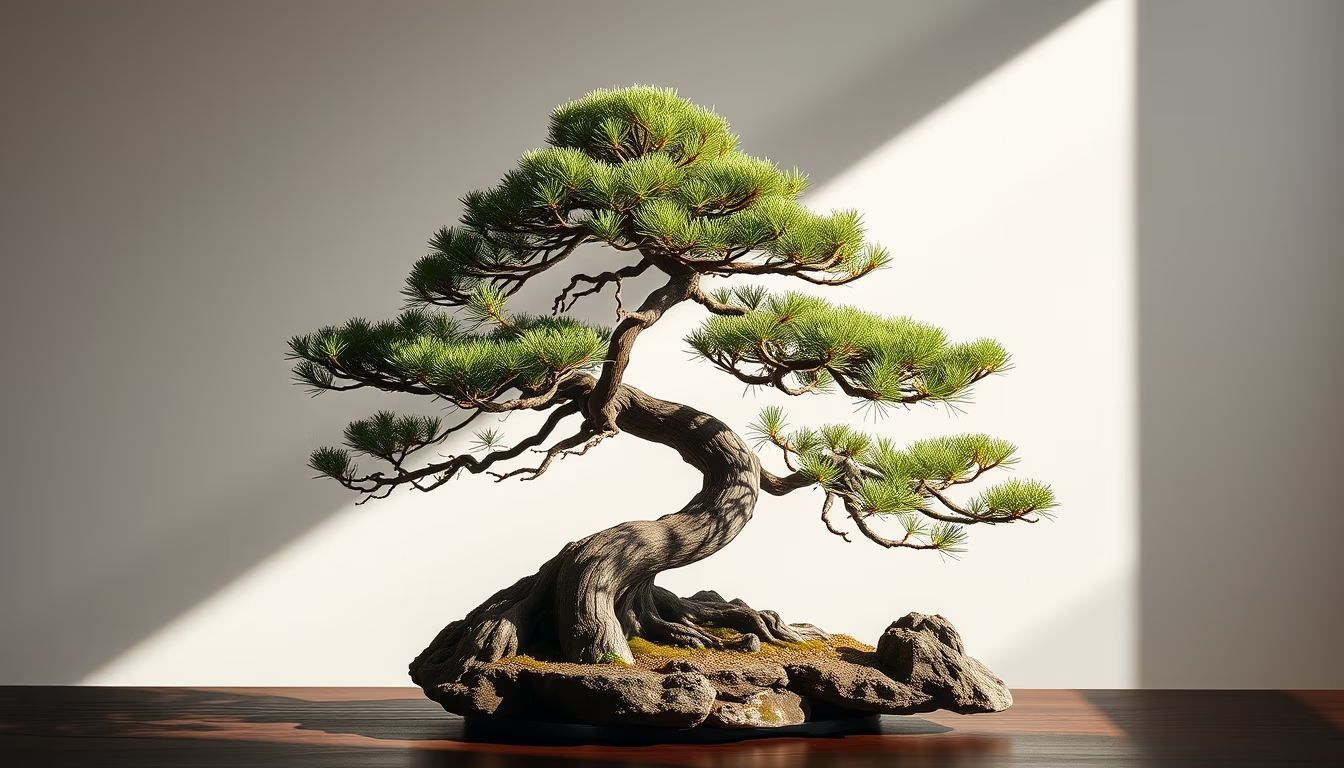
Bonsai forest landscape
1344×768 · AVIF · CC BY 4.0
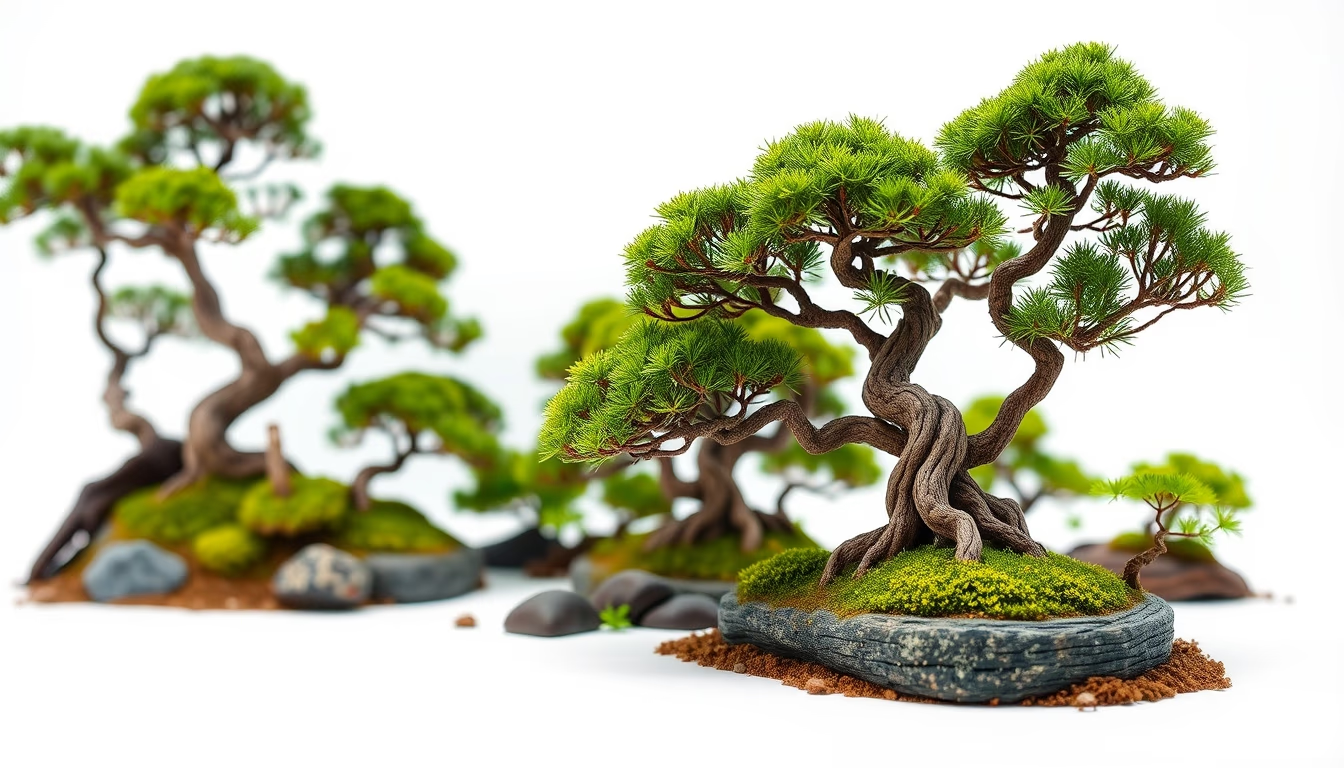
Explore the ancient art of forest bonsai, a Japanese technique that recreates miniature landscapes with multiple trees in a single pot.
About this subject
Forest bonsai, known in Japan as yose-ue, is one of the most expressive forms of bonsai art. Unlike traditional single-tree bonsai, yose-ue uses a group of trees arranged in a shallow, wide pot to simulate a natural landscape in miniature. This technique dates back to the 14th century, when Buddhist monks in Japan began cultivating trees in trays, influenced by the Chinese art of penjing. The goal is to capture the essence of a real forest, with variations in height, trunk thickness, and spacing that create depth and perspective.
Composing a forest bonsai requires special care. The trees are typically of the same species to maintain harmony, such as pines, maples, or junipers. Planting follows an asymmetrical pattern, avoiding straight alignments, and the pot is chosen to complement the scene, often in neutral or earthy colors. Maintenance involves regular pruning of roots and canopies, plus frequent watering, as the shallow pot dries faster. In Japan, yose-ue is often displayed at bonsai exhibitions like the Kokufu-ten, where award-winning specimens can be worth thousands of dollars.
Culturally, forest bonsai symbolizes the harmony between humans and nature, representing the patience and care needed to cultivate a miniature landscape. Beyond Japan, the practice has spread worldwide, with enthusiasts in Brazil, the United States, and Europe. In Brazil, the bonsai art is strong in Japanese communities, especially in São Paulo and Paraná, where dedicated associations study and exhibit yose-ue. A curiosity: the largest forest bonsai in the world, with over 100 trees, is in Japan and takes over 30 years to reach maturity.
Frequently Asked Questions
What is a forest bonsai?
It's a Japanese technique called yose-ue, which cultivates multiple trees in a single shallow pot to recreate a natural landscape in miniature.
Which species are used in a forest bonsai?
Common species include pines, Japanese maples, and junipers, always of the same species to maintain visual harmony.
How to care for a forest bonsai?
Requires regular pruning of roots and canopies, frequent watering (shallow pot dries fast), and placement in a spot with good indirect light.
Direct URL
https://pub-c7d6a6ea828543ac903a74a341ccb2e1.r2.dev/imagens/bonsai-forest-landscape-commercial-product-photography-fresh16.avifHow to credit
Include a visible link back to UtilizAí. Copy one of the snippets below:
<a href="https://xn--utiliza-eza.com/en/midia/imagens/bonsai-forest-landscape-commercial-product-photography-fresh16">Bonsai forest landscape</a> by <a href="https://xn--utiliza-eza.com">UtilizAí</a>, licensed under <a href="https://creativecommons.org/licenses/by/4.0/">CC BY 4.0</a>.
[Bonsai forest landscape](https://xn--utiliza-eza.com/en/midia/imagens/bonsai-forest-landscape-commercial-product-photography-fresh16) by [UtilizAí](https://xn--utiliza-eza.com), CC BY 4.0
License: CC-BY-4.0