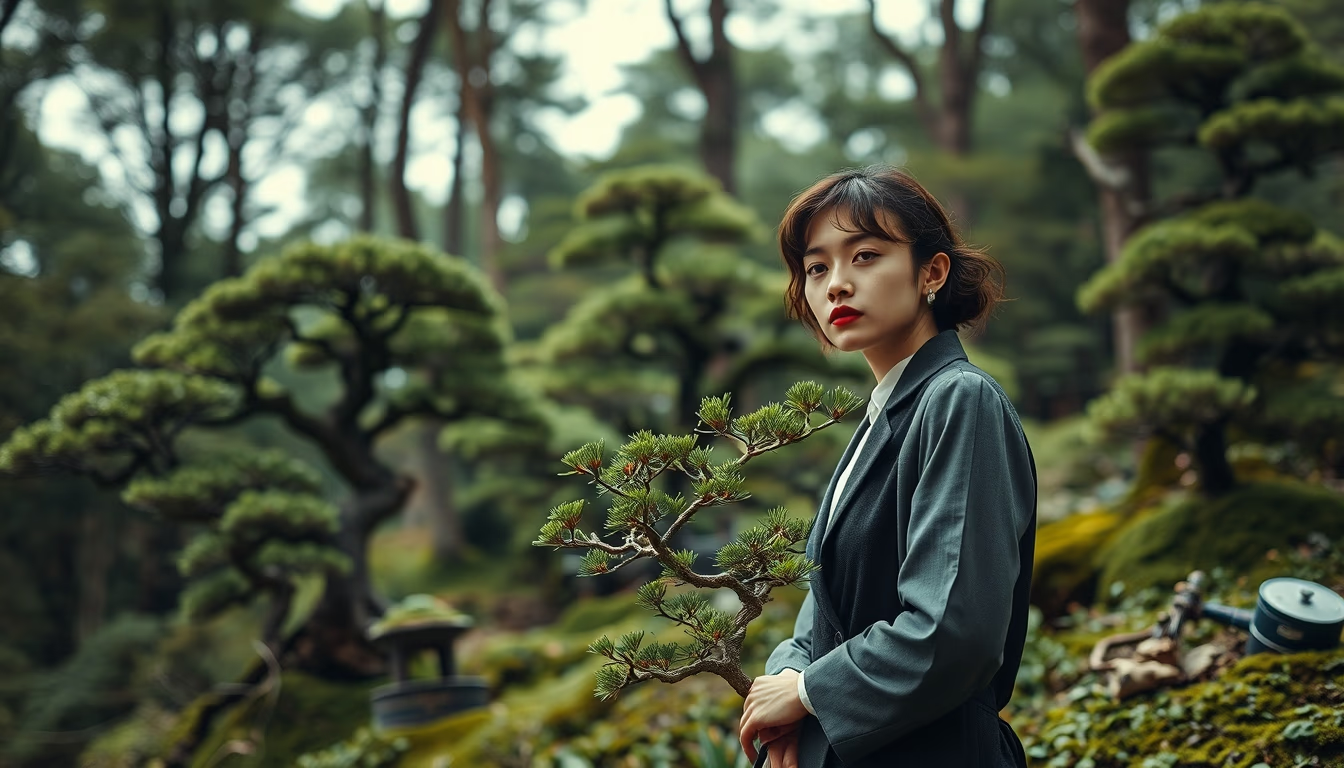
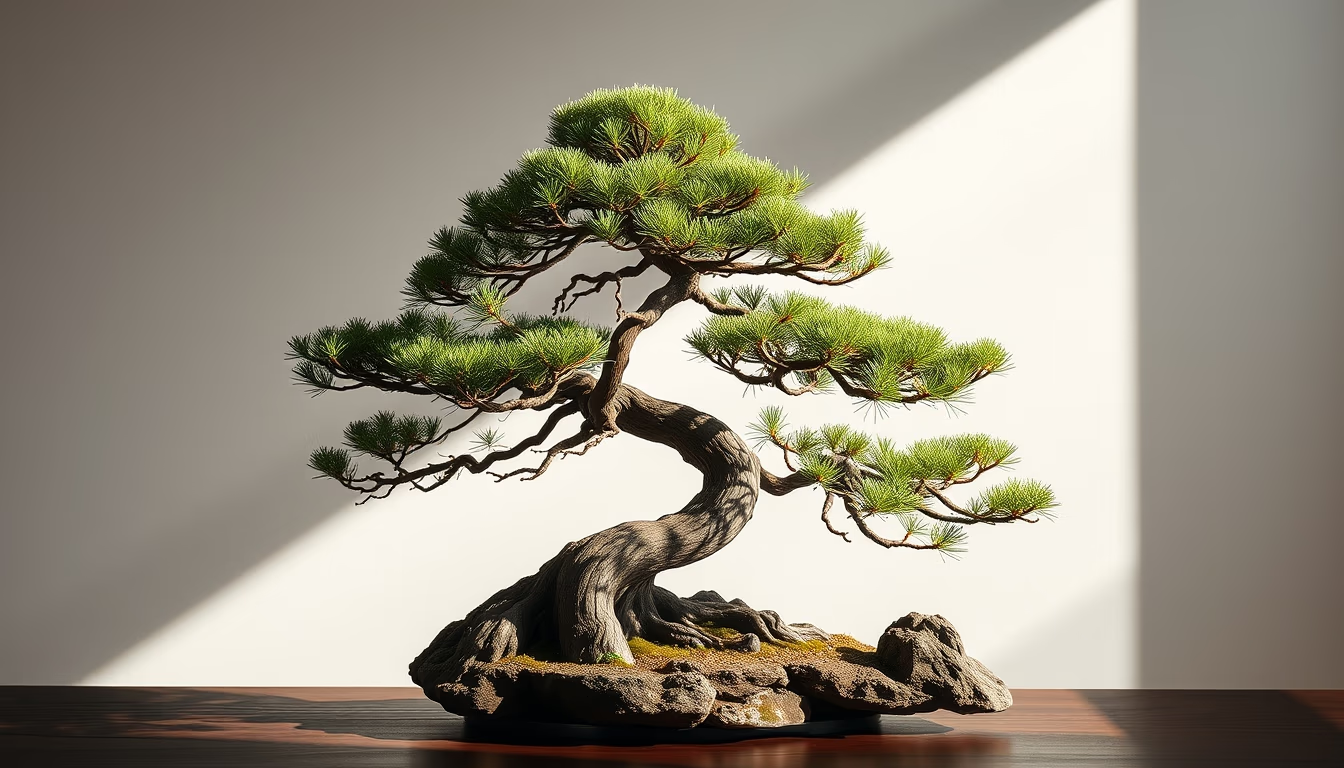
Bonsai forest landscape
1344×768 · AVIF · CC BY 4.0
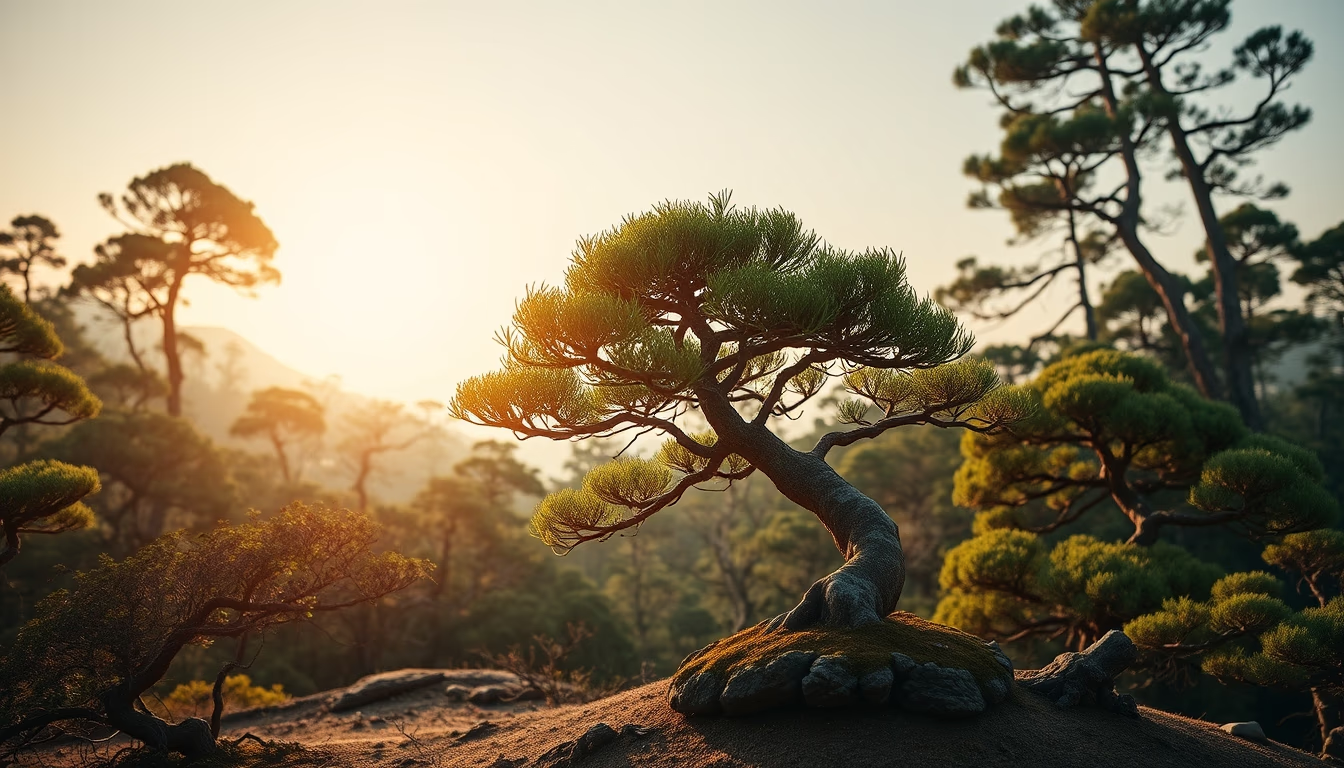
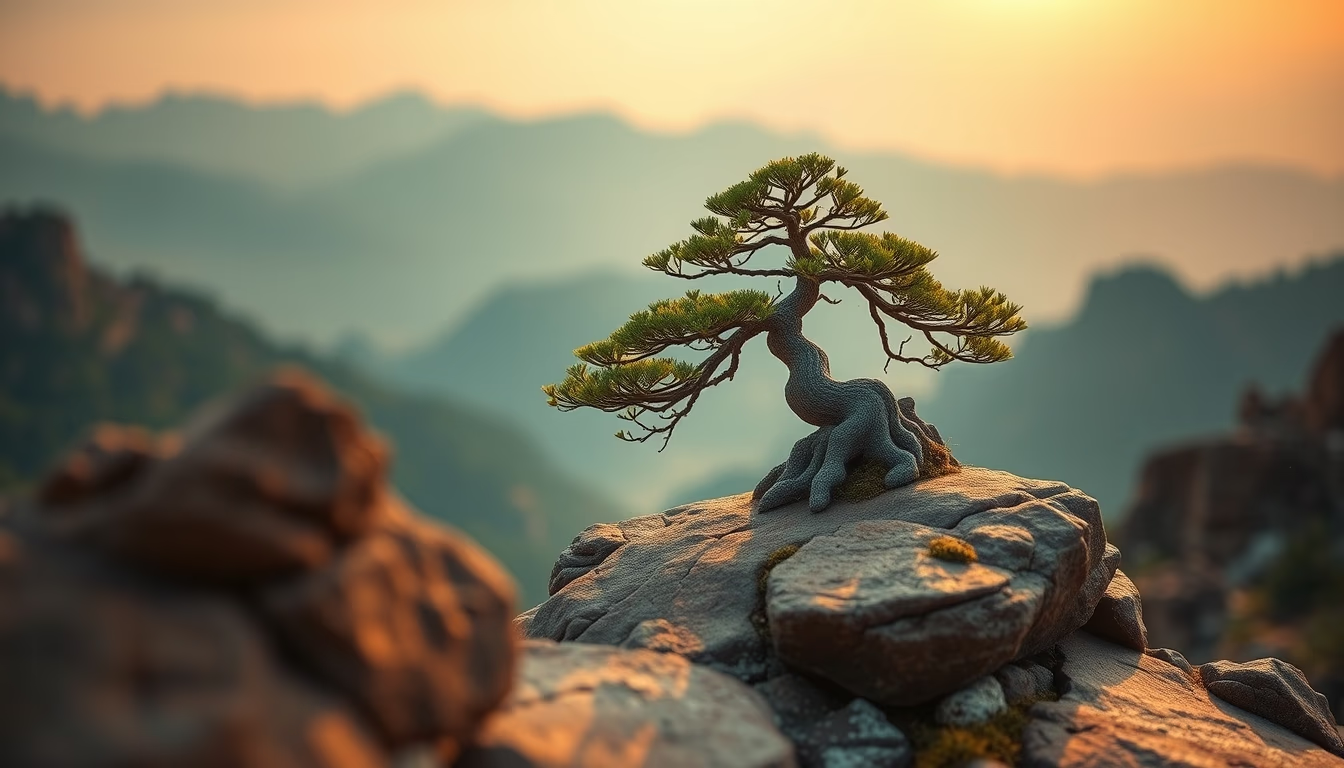
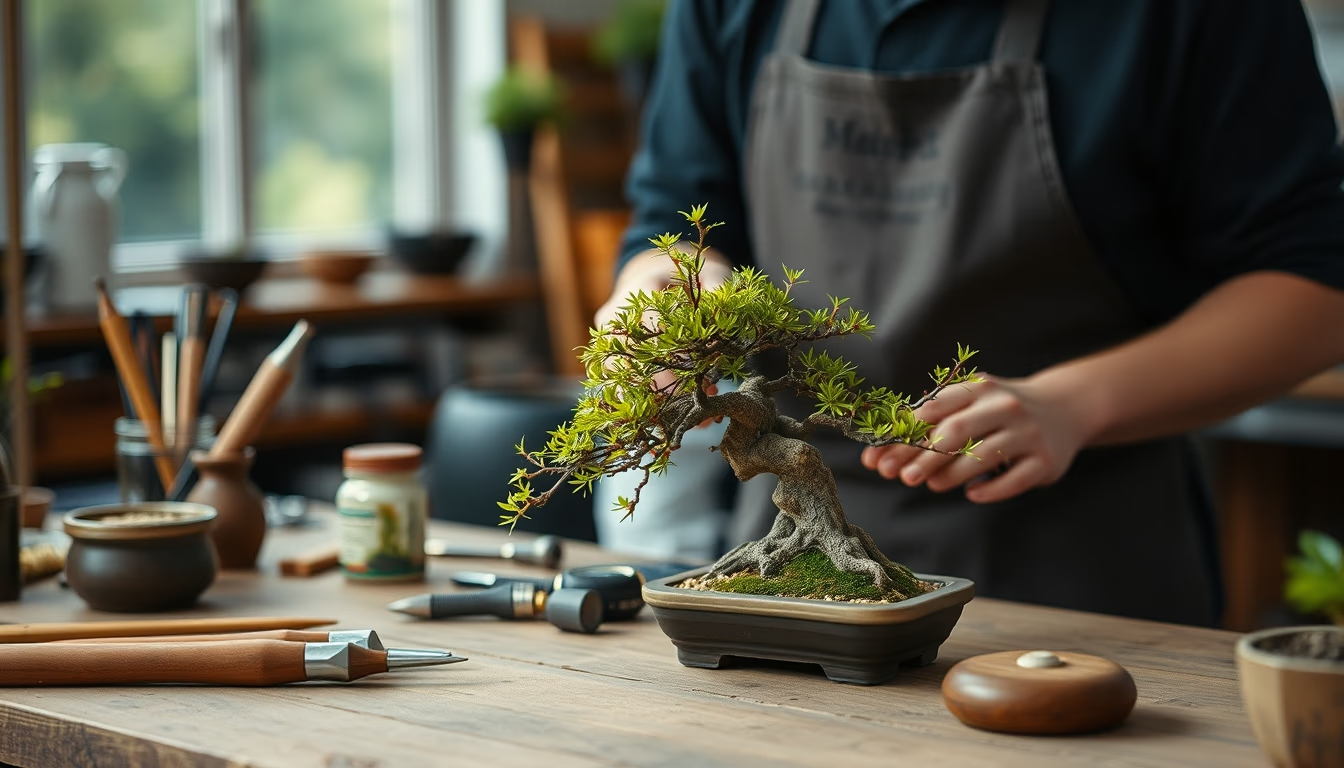
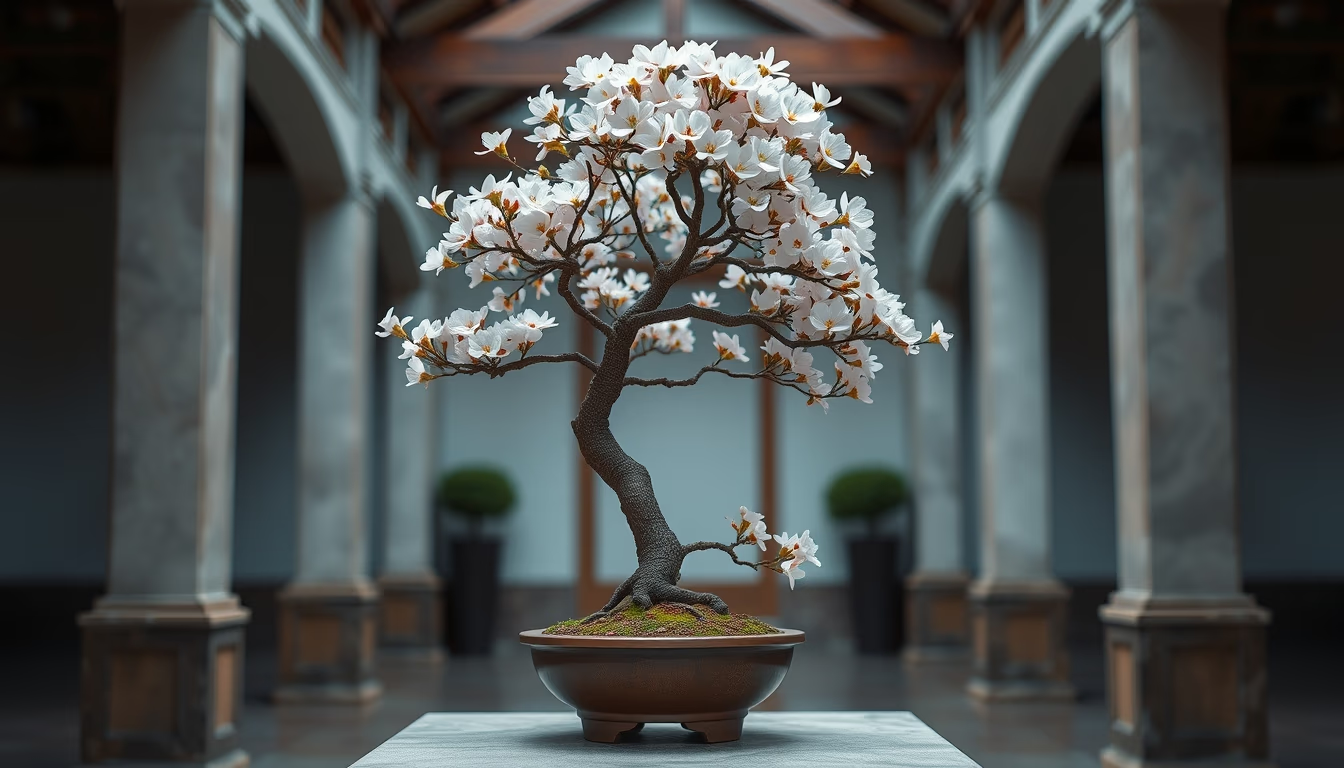
Miniature landscapes that recreate natural forests: the art of bonsai forest, a Japanese technique of grouping trees in a single pot.
About this subject
Bonsai forest, also known as yose-ue or group planting, is a variation of the ancient art of bonsai that involves planting multiple trees in a shallow container to simulate a miniature forest. Unlike traditional single-tree bonsai, this technique aims to recreate the complexity and harmony of a natural ecosystem, with trees of different heights, trunk thicknesses, and positions to suggest depth and perspective.
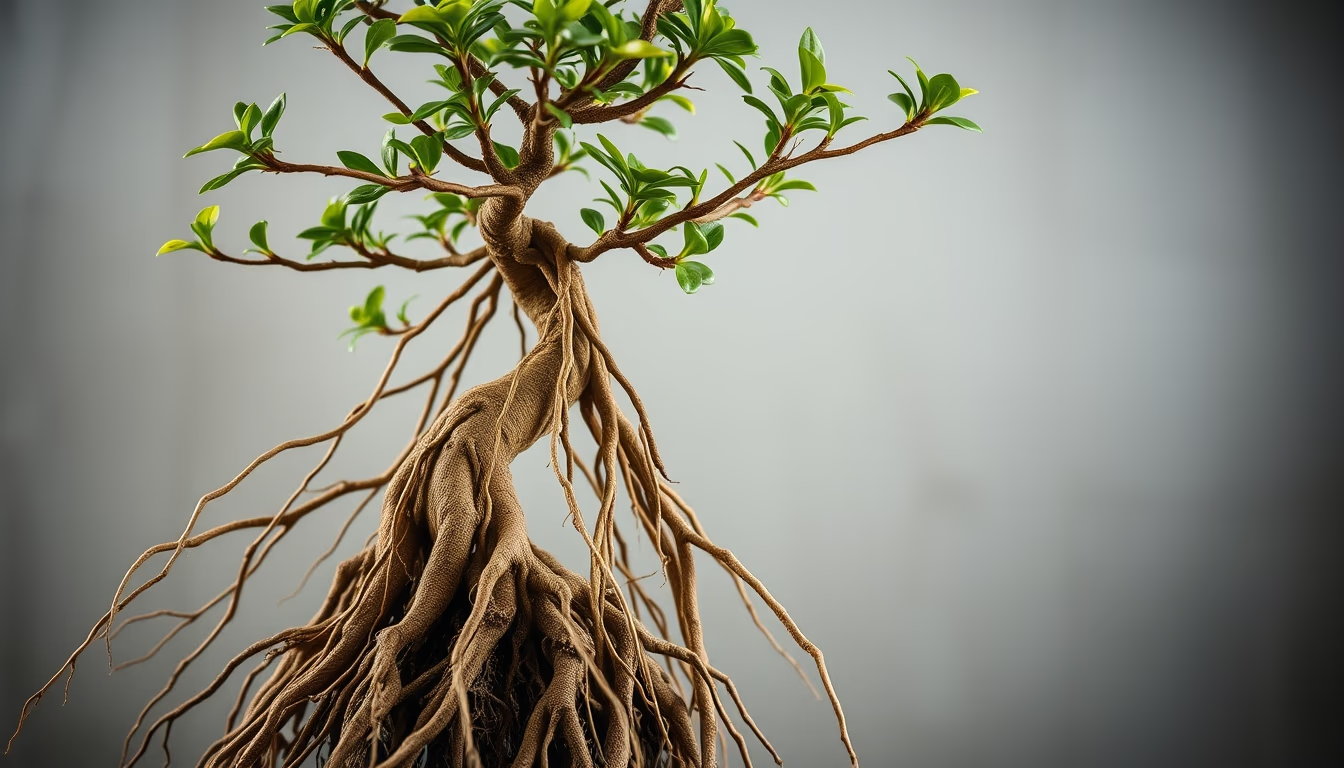
The practice originates from Chinese penjing, which depicted miniature landscapes over a thousand years ago, but was refined in Japan from the 14th century onward. In Japan, bonsai forest is linked to the concept of wabi-sabi, the beauty of imperfection and transience. Compositions follow strict aesthetic rules: the number of trees is usually odd (3, 5, 7 or more), symmetry is avoided, the tallest tree (oyagi) sits at the center or slightly offset, and exposed roots (nebari) must appear natural.
Common species for forests include Japanese black pine (Pinus thunbergii), Chinese juniper (Juniperus chinensis), Japanese maple (Acer palmatum), and oak (Quercus spp.), chosen for their hardiness and ability to develop dense branching. Care requires frequent pruning to maintain shape, wiring to guide branches, and careful watering because the shallow container dries quickly. Every two to three years, roots are trimmed and soil replaced.
Culturally, bonsai forest represents the ideal relationship between humans and nature: control without domination, order without rigidity. Major exhibitions, such as Kokufu-ten in Tokyo, feature century-old forests with over 50 trees. In Brazil, the art gained momentum with Japanese immigrants, and today there are specialized clubs and schools. A well-maintained forest can last generations, passed down as a living heritage.
Frequently Asked Questions
What is the difference between a traditional bonsai and a bonsai forest?
Traditional bonsai focuses on a single tree, while a bonsai forest (yose-ue) plants multiple trees together to mimic a miniature forest landscape, with composition rules to create depth and naturalness.
How do you care for a bonsai forest?
It requires regular pruning, wiring to guide branches, frequent watering (shallow pots dry quickly), and repotting every 2-3 years with root trimming. Good lighting without intense direct sun is essential.
Which tree species are best for a bonsai forest?
Common species include Japanese black pine, juniper, Japanese maple, and oak, chosen for hardiness and dense branching. The choice depends on climate and desired style (deciduous or evergreen).
Direct URL
https://pub-c7d6a6ea828543ac903a74a341ccb2e1.r2.dev/imagens/bonsai-forest-landscape-cinematic-wide-shot-fresh9.avifHow to credit
Include a visible link back to UtilizAí. Copy one of the snippets below:
<a href="https://xn--utiliza-eza.com/en/midia/imagens/bonsai-forest-landscape-cinematic-wide-shot-fresh9">Bonsai forest landscape</a> by <a href="https://xn--utiliza-eza.com">UtilizAí</a>, licensed under <a href="https://creativecommons.org/licenses/by/4.0/">CC BY 4.0</a>.
[Bonsai forest landscape](https://xn--utiliza-eza.com/en/midia/imagens/bonsai-forest-landscape-cinematic-wide-shot-fresh9) by [UtilizAí](https://xn--utiliza-eza.com), CC BY 4.0
License: CC-BY-4.0