Biomedical lab clean
1344×768 · AVIF · CC BY 4.0
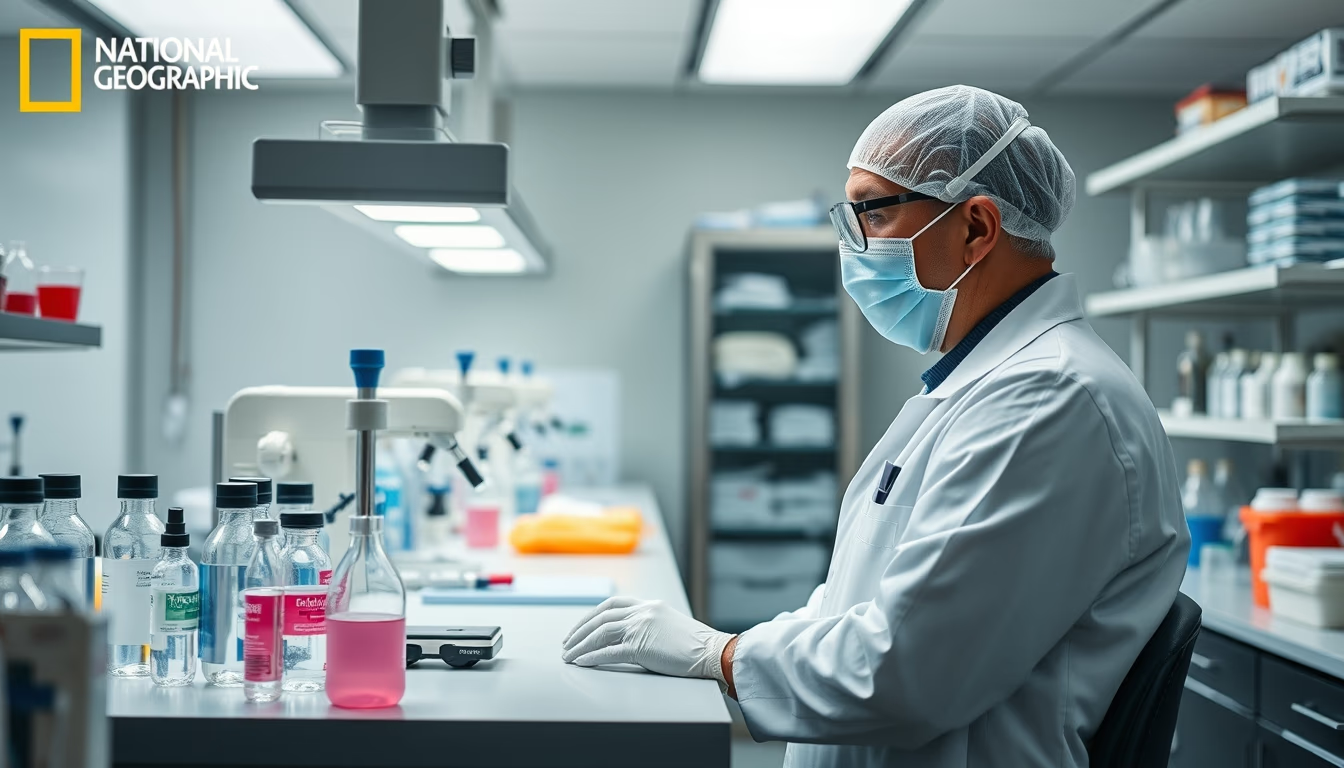
Biomedical laboratories demand rigorous cleaning standards to ensure reliable and safe experiments.
About this subject
Biomedical laboratories are controlled environments where researchers study biological processes and develop medical treatments. Cleanliness is crucial to prevent cross-contamination, which can invalidate experimental results or cause biological hazards. These spaces follow strict disinfection protocols, using chemical agents like 70% alcohol and chlorine compounds, as well as physical methods such as ultraviolet radiation and dry or moist heat.
Specialized equipment is essential for maintaining sterility. Biological safety cabinets filter air with HEPA filters, protecting samples and operators. Autoclaves sterilize instruments and waste by pressurized steam at 121°C. The constant use of gloves, lab coats, and masks prevents the introduction of external microorganisms. Airflow is designed to remove particles without accumulating dust.
Historically, emphasis on lab cleanliness grew after incidents such as mycoplasma contamination of cell cultures in the 1960s and the accidental release of anthrax in Soviet facilities. Today, international standards from the WHO and national regulations like those from ANVISA classify laboratories into biosafety levels (BSL-1 to BSL-4), each with specific containment and hygiene requirements.
In Brazil, institutions like Fiocruz and the Butantan Institute apply these standards to produce vaccines and medications. Cleaning goes beyond surfaces: it includes continuous staff training, frequent audits, and proper disposal of biological waste. A clean biomedical laboratory is the foundation of scientific reliability and the safety of the professionals involved.
Frequently Asked Questions
What are the biosafety levels in biomedical laboratories?
Levels range from BSL-1 (minimum risk, basic PPE) to BSL-4 (lethal pathogens, maximum containment and pressurized suits). In Brazil, ANVISA and CTNBio regulate these classifications.
How is material sterilization performed in these labs?
Sterilization is mainly done by autoclave (steam at 121°C for 15-30 minutes), dry heat ovens, UV radiation, or vaporized hydrogen peroxide. The choice depends on the material and required safety level.
What is a biological safety cabinet?
It is a device that protects the operator, sample, and environment by filtering air with HEPA filters, creating a physical barrier against aerosols. It is essential for handling potentially dangerous microorganisms.
Direct URL
https://pub-c7d6a6ea828543ac903a74a341ccb2e1.r2.dev/imagens/biomedical-lab-clean-national-geographic-style-p10.avifHow to credit
Include a visible link back to UtilizAí. Copy one of the snippets below:
<a href="https://xn--utiliza-eza.com/en/midia/imagens/biomedical-lab-clean-national-geographic-style-p10">Biomedical lab clean</a> by <a href="https://xn--utiliza-eza.com">UtilizAí</a>, licensed under <a href="https://creativecommons.org/licenses/by/4.0/">CC BY 4.0</a>.
[Biomedical lab clean](https://xn--utiliza-eza.com/en/midia/imagens/biomedical-lab-clean-national-geographic-style-p10) by [UtilizAí](https://xn--utiliza-eza.com), CC BY 4.0
License: CC-BY-4.0